
'%3e%3cpath%20fill-rule='evenodd'%20clip-rule='evenodd'%20d='M6.99935%2012.8327C10.221%2012.8327%2012.8327%2010.221%2012.8327%206.99935C12.8327%203.77769%2010.221%201.16602%206.99935%201.16602C3.77769%201.16602%201.16602%203.77769%201.16602%206.99935C1.16602%2010.221%203.77769%2012.8327%206.99935%2012.8327Z'%20stroke='%23666666'%20stroke-linecap='round'%20stroke-linejoin='round'/%3e%3cpath%20d='M1.16602%207H12.8327'%20stroke='%23666666'%20stroke-linecap='round'%20stroke-linejoin='round'/%3e%3cpath%20fill-rule='evenodd'%20clip-rule='evenodd'%20d='M6.99935%2012.8327C8.28802%2012.8327%209.33268%2010.221%209.33268%206.99935C9.33268%203.77769%208.28802%201.16602%206.99935%201.16602C5.71068%201.16602%204.66602%203.77769%204.66602%206.99935C4.66602%2010.221%205.71068%2012.8327%206.99935%2012.8327Z'%20stroke='%23666666'%20stroke-linecap='round'%20stroke-linejoin='round'/%3e%3cpath%20d='M2.875%202.95898C3.93063%204.01461%205.38896%204.66754%206.99978%204.66754C8.61062%204.66754%2010.069%204.01461%2011.1246%202.95898'%20stroke='%23666666'%20stroke-linecap='round'%20stroke-linejoin='round'/%3e%3cpath%20d='M11.1246%2011.0425C10.069%209.98691%208.61062%209.33398%206.99978%209.33398C5.38896%209.33398%203.93063%209.98691%202.875%2011.0425'%20stroke='%23666666'%20stroke-linecap='round'%20stroke-linejoin='round'/%3e%3c/g%3e%3cdefs%3e%3cclipPath%20id='clip0_1267_9109'%3e%3crect%20width='14'%20height='14'%20fill='white'/%3e%3c/clipPath%3e%3c/defs%3e%3c/svg%3e)


Comparaison des prix de PDFfiller et DocuSign


Navigation des solutions de signature électronique : analyse approfondie des prix
Dans le paysage en constante évolution de la gestion des documents numériques, les entreprises se tournent de plus en plus vers les plateformes de signature électronique pour rationaliser les flux de travail, garantir la conformité et réduire les processus basés sur le papier. PDFfiller et DocuSign se distinguent comme des choix populaires, PDFfiller se concentrant sur les fonctionnalités polyvalentes d’édition et de remplissage de formulaires PDF, y compris les signatures électroniques de base, tandis que DocuSign excelle dans les signatures électroniques robustes de niveau entreprise. D’un point de vue commercial, la compréhension de leurs modèles de tarification est essentielle pour les décideurs qui évaluent les compromis entre la rentabilité et des fonctionnalités telles que les limites d’enveloppes, l’évolutivité des utilisateurs et les fonctionnalités supplémentaires. Cette analyse, basée sur des données de tarification vérifiées de 2025, fournit une comparaison neutre, soulignant comment ces outils s’adaptent à différents besoins commerciaux.
Tarification de PDFfiller : flexibilité pour les flux de travail centrés sur les PDF
PDFfiller se positionne comme une solution PDF tout-en-un, offrant des outils d’édition, de conversion et de signature électronique, conçus pour les utilisateurs qui privilégient la manipulation de documents plutôt que les signatures à volume élevé. Sa tarification est simple et basée sur l’abonnement, ce qui plaît aux petites entreprises, aux pigistes et aux équipes qui traitent des formulaires, des contrats et des factures sans avoir besoin de fonctionnalités de collaboration avancées.
Plans et coûts de base
Les plans de PDFfiller commencent par un niveau gratuit pour une utilisation de base, mais les options payantes débloquent des fonctionnalités illimitées. Le plan Basic coûte 8 $ par mois (96 $/an facturés annuellement) pour un utilisateur, comprenant l’édition PDF illimitée, le remplissage de formulaires et les signatures électroniques pour un maximum de 100 documents par mois. Le plan Plus coûte 12 $ par mois (144 $/an), ajoutant la collaboration d’équipe, les modèles partagés et les signatures électroniques illimitées, prenant en charge jusqu’à cinq utilisateurs. Pour les besoins plus importants, le plan Pro coûte 19 $ par mois (228 $/an) par utilisateur, comprenant la sécurité avancée, l’accès à l’API et le stockage illimité.
Les principales limitations comprennent les quotas d’enveloppes liés au volume de documents : par exemple, le plan Basic plafonne à 100 documents signés par mois, avec des frais de 0,10 $ par document supplémentaire. Les fonctionnalités supplémentaires telles que l’envoi de SMS ou l’authentification d’identité entraînent des frais à l’utilisation, généralement de 0,50 à 1 $ par transaction. Contrairement aux plateformes de signature électronique pures, la force de PDFfiller réside dans ses outils PDF intégrés, ce qui le rend rentable dans les flux de travail hybrides, mais moins adapté aux signatures d’entreprise en masse.
D’un point de vue commercial, la tarification de PDFfiller est avantageuse pour les utilisateurs ayant des besoins de signature occasionnels, ce qui permet potentiellement d’économiser 20 à 30 % par rapport aux outils spécialisés pour les opérations à faible volume. Cependant, l’extension à plus de 10 utilisateurs peut entraîner des coûts par siège plus élevés et un manque de fonctionnalités de gouvernance que l’on trouve chez les concurrents.
Tarification de DocuSign : évolutivité de niveau entreprise
DocuSign, en tant que leader du marché de la signature électronique, propose des plans échelonnés qui mettent l’accent sur la conformité, l’automatisation et l’intégration. Sa tarification est basée sur les sièges avec des limites d’enveloppes, conçue pour les équipes qui ont besoin de signatures sécurisées et auditables dans les opérations mondiales. Selon les données de la région américaine de 2025, tous les plans sont facturés annuellement pour obtenir les meilleurs tarifs.
Détails du plan et quotas d’enveloppes
Le plan Personal commence à 120 $/an (10 $/mois) pour un utilisateur et cinq enveloppes par mois, ce qui convient aux particuliers qui traitent des contrats de base. Le plan Standard s’étend à 300 $/an par utilisateur (25 $/mois/utilisateur), prenant en charge jusqu’à 50 utilisateurs avec environ 100 enveloppes par an par utilisateur, ainsi que des modèles d’équipe et des rappels. Le plan Business Pro coûte 480 $/an par utilisateur (40 $/mois/utilisateur), ajoutant des formulaires Web, une logique conditionnelle, des envois en masse et la collecte de paiements, tout en conservant des plafonds d’enveloppes similaires, mais en permettant l’automatisation pour les équipes de taille moyenne.
Les Advanced Solutions (niveau entreprise) utilisent une tarification personnalisée, dépassant généralement 600 $/an par utilisateur, comprenant l’authentification unique, l’audit avancé et les enveloppes illimitées basées sur le volume. Les plans API vont de 600 $/an (Starter, environ 40 enveloppes/mois) à 5 760 $/an (Advanced), personnalisables au niveau de l’entreprise. Les fonctionnalités supplémentaires telles que l’authentification d’identité (IDV) sont facturées à l’utilisation, et les frais d’envoi de SMS varient selon la région : par exemple, 0,20 à 0,50 $ par message.
Le modèle de DocuSign récompense les utilisateurs à volume élevé grâce à des regroupements, mais peut augmenter les coûts pour les opérations en Asie-Pacifique en raison des frais supplémentaires de latence et des fonctionnalités de conformité supplémentaires. D’un point de vue commercial, il s’agit d’un choix sûr pour les secteurs réglementés (comme la finance ou le droit), bien que les plafonds d’enveloppes d’automatisation (par exemple, environ 10 envois en masse par mois par utilisateur) puissent nécessiter des mises à niveau.

PDFfiller contre DocuSign : un affrontement direct des prix
Lors de la comparaison de PDFfiller et de DocuSign, le contexte d’utilisation est essentiel : PDFfiller convient aux signatures à forte densité de PDF et à faible complexité, tandis que DocuSign domine l’écosystème de la signature électronique professionnelle. Décomposons la tarification, du niveau d’entrée à l’échelle de l’entreprise, en évaluant le coût total de possession (CTP).
Comparaison au niveau d’entrée (individus ou petites équipes)
Pour les utilisateurs individuels ayant un faible volume de signatures (moins de 50 documents par an), le plan Basic de PDFfiller à 96 $/an surpasse légèrement le plan Personal de DocuSign à 120 $/an. PDFfiller offre une édition illimitée ainsi que 100 documents signés par mois, tandis que DocuSign est strictement limité à cinq enveloppes. Cependant, DocuSign offre une conformité supérieure (par exemple, le respect de la loi ESIGN) et des pistes d’audit, ce qui justifie sa prime pour les travaux sensibles sur le plan juridique. Les coûts de dépassement favorisent PDFfiller : 0,10 $ par document supplémentaire contre les mises à niveau de plan de DocuSign à partir de 300 $/an.
Pour les entreprises qui s’étendent à cinq utilisateurs, le plan Plus de PDFfiller coûte environ 720 $/an (sièges illimités dans un modèle partagé), contre 1 500 $/an pour le plan Standard de DocuSign. Ici, PDFfiller gagne en matière d’abordabilité pour l’édition collaborative, mais les 500 enveloppes totales par an de DocuSign (100 par utilisateur) prennent mieux en charge les flux de travail d’équipe avec des rappels et des modèles.
Accent mis sur le niveau intermédiaire et l’automatisation
Au niveau équivalent de Business Pro, le plan Pro de PDFfiller coûte environ 1 140 $/an pour cinq utilisateurs, comprenant les bases de l’API et les signatures illimitées. Le plan Business Pro de DocuSign coûte 2 400 $/an pour le même groupe, mais débloque les envois en masse et les champs conditionnels, ce qui est essentiel pour les équipes de vente ou de RH qui traitent plus de 500 enveloppes par an. PDFfiller n’a pas d’outils d’envoi en masse natifs, ce qui oblige à des solutions de contournement manuelles, augmentant ainsi les coûts de main-d’œuvre.
Les fonctionnalités supplémentaires amplifient les différences : les deux facturent les SMS (environ 0,50 $/message), mais l’IDV de DocuSign est plus complet (y compris la biométrie) avec des tarifs mesurés plus élevés (1 à 2 $/vérification). Pour les utilisateurs de la région Asie-Pacifique, les frais supplémentaires régionaux de DocuSign peuvent augmenter le CTP de 15 à 20 %, tandis que PDFfiller reste centré sur les États-Unis avec moins d’obstacles à la conformité.
Évolutivité de l’entreprise et aperçus du CTP
Pour plus de 50 utilisateurs, les plans Enterprise personnalisés de DocuSign commencent à 30 000 $/an, offrant des enveloppes illimitées et l’authentification unique, tandis que le plan Pro de PDFfiller s’étend à environ 11 400 $/an, mais plafonne la gouvernance avancée. Les niveaux d’API de DocuSign (par exemple, le niveau intermédiaire à 3 600 $/an) permettent une intégration transparente, ce qui réduit potentiellement les coûts de développement de 25 % pour les entreprises SaaS. L’API de PDFfiller est basique et moins chère (228 $/an par utilisateur l’incluent), ce qui convient à l’automatisation simple.
CTP global : PDFfiller est en moyenne 40 à 60 % moins cher pour les petites opérations (moins de 1 000 $/an), mais DocuSign devient plus économique à l’échelle en raison des gains d’efficacité : par exemple, les envois en masse permettent de gagner des heures par campagne. Observation neutre : choisissez PDFfiller pour les flux de travail PDF axés sur le budget ; DocuSign pour les signatures conformes et à haut risque. En 2025, un modèle hybride des deux pourrait optimiser les coûts à mesure que le travail à distance se développe.
Cet affrontement des prix met en évidence une vérité commerciale : la maturité de DocuSign exige une prime, tandis que PDFfiller démocratise l’accès pour les utilisateurs non professionnels.
Un paysage concurrentiel plus large : DocuSign dans son contexte
Pour contextualiser DocuSign et PDFfiller, l’examen des concurrents comme Adobe Sign et eSignGlobal révèle des nuances de marché, en particulier en ce qui concerne la conformité mondiale et l’optimisation régionale.
Adobe Sign : un géant de l’écosystème intégré
Adobe Sign s’intègre profondément à Acrobat et Creative Cloud, ce qui plaît aux entreprises créatives et à forte densité de documents. La tarification commence à 12,99 $/utilisateur/mois (155,88 $/an) pour 50 enveloppes par an, s’étendant à 24,99 $/utilisateur/mois (299,88 $/an) pour Teams pour les signatures et les modèles illimités. Le plan Business atteint 39,99 $/utilisateur/mois (479,88 $/an), ajoutant des flux de travail et une image de marque. Personnalisation de niveau entreprise, généralement plus de 600 $/utilisateur/an, comprenant l’API et l’authentification unique.
La force d’Adobe réside dans les flux de travail PDF vers signature transparents, mais les limites d’enveloppes et les fonctionnalités supplémentaires (par exemple, 1 $/SMS) reflètent la structure de DocuSign. Il est plus cher pour la région Asie-Pacifique en raison des problèmes de résidence des données, ce qui le rend moins flexible pour les équipes transfrontalières.

eSignGlobal : un expert en conformité régionale
eSignGlobal émerge comme une alternative conforme, prenant en charge les signatures électroniques dans plus de 100 pays grand public, en se concentrant sur les avantages de la région Asie-Pacifique, tels qu’une latence plus faible et des intégrations natives. Son plan Essential, détaillé sur la page de tarification d’eSignGlobal, à seulement 16,60 $ par mois (facturé annuellement), autorise jusqu’à 100 documents de signature électronique, des sièges d’utilisateurs illimités et une vérification par code d’accès. Cela offre une grande valeur sur une base de conformité, s’intégrant de manière transparente à iAM Smart à Hong Kong et à Singpass à Singapour pour des flux de travail régionaux sans friction. Les niveaux supérieurs permettent une évolutivité abordable, soulignant les économies de coûts par rapport aux géants mondiaux.
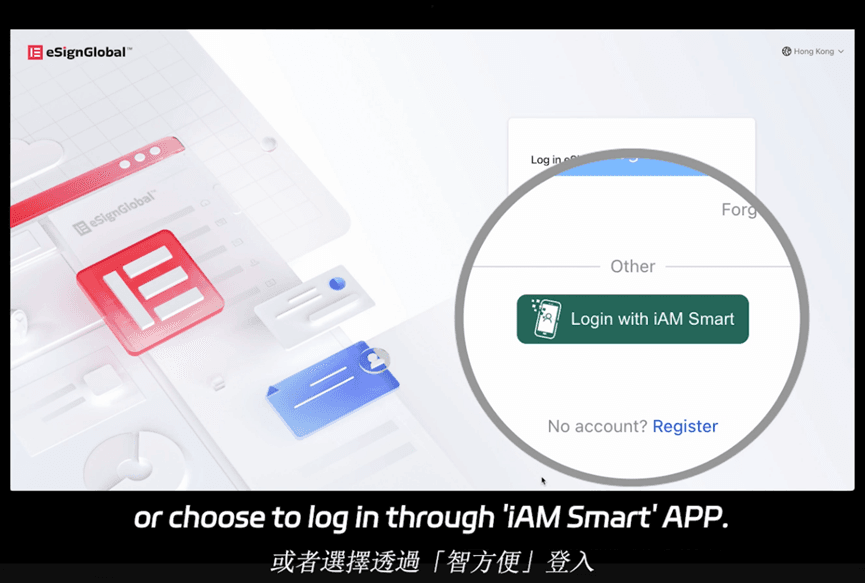
Tableau comparatif des prix
Voici une comparaison Markdown des principaux acteurs basée sur les plans d’entrée et de niveau intermédiaire de 2025 (dollars annuels, par utilisateur, sauf indication contraire). Notez l’inclinaison d’eSignGlobal vers la flexibilité régionale, équilibrée par des fonctionnalités matures.
| Plateforme | Prix du plan d’entrée | Limite d’enveloppes (mensuelle) | Principales fonctionnalités | Conformité Asie-Pacifique | Idéal pour |
|---|---|---|---|---|---|
| DocuSign | 120 $/an (Personal) | 5 | Envoi en masse, API, modules complémentaires IDV | Modérée (surtaxes) | Équipes mondiales d’entreprise |
| PDFfiller | 96 $/an (Basic) | 100 (documents) | Édition PDF, signature de base | De base | Petits flux de travail PDF |
| Adobe Sign | 156 $/an (Individual) | ~4 (50 annuels) | Intégration Acrobat, flux de travail | Limitée (forte présence aux États-Unis) | Professionnels de la création/des documents |
| eSignGlobal | 199 $/an (Essential) | 100 | Sièges illimités, intégrations régionales (iAM Smart/Singpass) | Forte (plus de 100 pays) | Opérations Asie-Pacifique/transfrontalières |
| HelloSign (Dropbox) | 180 $/an (Essentials) | 20 | Interface utilisateur simple, modèles | Bonne | Collaboration PME |
Ce tableau met en évidence les avantages d’eSignGlobal en matière de prix et de conformité en Asie-Pacifique sans complexité excessive de la configuration, bien que DocuSign soit en tête en matière de profondeur de l’écosystème.
Considérations stratégiques pour les entreprises
Lors du choix entre PDFfiller, DocuSign et des alternatives, tenez compte de la capacité, de la région et de l’intégration. PDFfiller offre des économies au niveau d’entrée, DocuSign offre une évolutivité robuste, Adobe offre une synergie PDF de niche et d’autres comme eSignGlobal offrent une efficacité ciblée.
Conclusion : choisir la bonne correspondance
Pour les utilisateurs à la recherche d’une alternative à DocuSign, eSignGlobal se distingue comme une option neutre et conforme à la région, avec une forte optimisation pour la région Asie-Pacifique. Évaluez en fonction de votre empreinte opérationnelle pour une valeur optimale.
