
'%3e%3cpath%20fill-rule='evenodd'%20clip-rule='evenodd'%20d='M6.99935%2012.8327C10.221%2012.8327%2012.8327%2010.221%2012.8327%206.99935C12.8327%203.77769%2010.221%201.16602%206.99935%201.16602C3.77769%201.16602%201.16602%203.77769%201.16602%206.99935C1.16602%2010.221%203.77769%2012.8327%206.99935%2012.8327Z'%20stroke='%23666666'%20stroke-linecap='round'%20stroke-linejoin='round'/%3e%3cpath%20d='M1.16602%207H12.8327'%20stroke='%23666666'%20stroke-linecap='round'%20stroke-linejoin='round'/%3e%3cpath%20fill-rule='evenodd'%20clip-rule='evenodd'%20d='M6.99935%2012.8327C8.28802%2012.8327%209.33268%2010.221%209.33268%206.99935C9.33268%203.77769%208.28802%201.16602%206.99935%201.16602C5.71068%201.16602%204.66602%203.77769%204.66602%206.99935C4.66602%2010.221%205.71068%2012.8327%206.99935%2012.8327Z'%20stroke='%23666666'%20stroke-linecap='round'%20stroke-linejoin='round'/%3e%3cpath%20d='M2.875%202.95898C3.93063%204.01461%205.38896%204.66754%206.99978%204.66754C8.61062%204.66754%2010.069%204.01461%2011.1246%202.95898'%20stroke='%23666666'%20stroke-linecap='round'%20stroke-linejoin='round'/%3e%3cpath%20d='M11.1246%2011.0425C10.069%209.98691%208.61062%209.33398%206.99978%209.33398C5.38896%209.33398%203.93063%209.98691%202.875%2011.0425'%20stroke='%23666666'%20stroke-linecap='round'%20stroke-linejoin='round'/%3e%3c/g%3e%3cdefs%3e%3cclipPath%20id='clip0_1267_9109'%3e%3crect%20width='14'%20height='14'%20fill='white'/%3e%3c/clipPath%3e%3c/defs%3e%3c/svg%3e)


PDFfiller vs. DocuSign Preise


Navigieren in elektronischen Signaturlösungen: Eine detaillierte Preisanalyse
In der sich ständig weiterentwickelnden Landschaft des digitalen Dokumentenmanagements wenden sich Unternehmen zunehmend elektronischen Signaturplattformen zu, um Arbeitsabläufe zu rationalisieren, die Compliance sicherzustellen und papierbasierte Prozesse zu reduzieren. PDFfiller und DocuSign haben sich als beliebte Optionen herauskristallisiert, wobei PDFfiller sich auf vielseitige PDF-Bearbeitungs- und Formularausfüllfunktionen einschließlich grundlegender elektronischer Signaturen konzentriert, während DocuSign sich durch robuste, unternehmenstaugliche elektronische Signaturen auszeichnet. Aus geschäftlicher Sicht ist das Verständnis ihrer Preismodelle für Entscheidungsträger von entscheidender Bedeutung, die Kostenwirksamkeit gegen Funktionen wie Umschlagbeschränkungen, Benutzererweiterbarkeit und zusätzliche Funktionen abwägen müssen. Diese Analyse, die auf validierten Preisdaten von 2025 basiert, bietet einen neutralen Vergleich und hebt hervor, wie diese Tools unterschiedlichen Geschäftsanforderungen gerecht werden.

PDFfiller-Preise: Flexibilität für PDF-zentrierte Arbeitsabläufe
PDFfiller positioniert sich als All-in-One-PDF-Lösung, die Bearbeitungs-, Konvertierungs- und elektronische Signaturwerkzeuge bietet, die auf Benutzer zugeschnitten sind, die der Dokumentenmanipulation Vorrang vor hochvolumigen Signaturen einräumen. Seine Preisgestaltung ist unkompliziert und abonnementbasiert und spricht kleine Unternehmen, Freiberufler und Teams an, die Formulare, Verträge und Rechnungen bearbeiten, ohne dass erweiterte Funktionen für die Zusammenarbeit erforderlich sind.
Kernpläne und Kosten
Die Pläne von PDFfiller beginnen mit einer kostenlosen Ebene für die grundlegende Nutzung, aber kostenpflichtige Optionen schalten unbegrenzte Funktionen frei. Der Basic-Plan kostet 8 US-Dollar pro Monat (96 US-Dollar pro Jahr bei jährlicher Abrechnung) für einen Benutzer und umfasst unbegrenzte PDF-Bearbeitung, Formularausfüllung und elektronische Signaturen für bis zu 100 Dokumente pro Monat. Der Plus-Plan kostet 12 US-Dollar pro Monat (144 US-Dollar pro Jahr) und bietet Teamzusammenarbeit, gemeinsame Vorlagen und unbegrenzte elektronische Signaturen für bis zu fünf Benutzer. Für größere Anforderungen bietet der Pro-Plan 19 US-Dollar pro Monat (228 US-Dollar pro Jahr) pro Benutzer und umfasst erweiterte Sicherheit, API-Zugriff und unbegrenzten Speicherplatz.
Zu den wichtigsten Einschränkungen gehören Umschlagkontingente, die an das Dokumentenvolumen gebunden sind – beispielsweise begrenzt der Basic-Plan auf 100 signierte Dokumente pro Monat, wobei für Überschreitungen 0,10 US-Dollar pro zusätzlichem Dokument berechnet werden. Zusatzfunktionen wie SMS-Versand oder Identitätsprüfung werden nutzungsabhängig abgerechnet, typischerweise mit 0,50–1 US-Dollar pro Transaktion. Im Gegensatz zu reinen elektronischen Signaturplattformen liegt die Stärke von PDFfiller in seinen integrierten PDF-Tools, die es in hybriden Arbeitsabläufen kostengünstig machen, aber nicht für die Massensignatur von Unternehmen geeignet sind.
Aus geschäftlicher Sicht ist die Preisgestaltung von PDFfiller für Benutzer mit gelegentlichem Signaturbedarf von Vorteil und kann bei geringen Volumina 20–30 % gegenüber Spezialwerkzeugen einsparen. Die Erweiterung auf mehr als 10 Benutzer kann jedoch zu höheren Kosten pro Sitzplatz und dem Fehlen von Governance-Funktionen der Wettbewerber führen.
DocuSign-Preise: Skalierbarkeit auf Unternehmensebene
DocuSign, ein Marktführer im Bereich elektronische Signaturen, bietet gestaffelte Pläne an, die Compliance, Automatisierung und Integration betonen. Die Preisgestaltung basiert auf Sitzplätzen mit Umschlagbeschränkungen und ist auf Teams zugeschnitten, die sichere, überprüfbare Signaturen im globalen Betrieb benötigen. Basierend auf den US-amerikanischen Daten von 2025 werden alle Pläne jährlich abgerechnet, um die besten Preise zu erzielen.
Plandetails und Umschlagkontingente
Der Personal-Plan beginnt bei 120 US-Dollar pro Jahr (10 US-Dollar pro Monat) für einen Benutzer und fünf Umschläge pro Monat – ideal für Einzelpersonen, die grundlegende Verträge bearbeiten. Der Standard-Plan wird auf 300 US-Dollar pro Benutzer und Jahr (25 US-Dollar pro Monat/Benutzer) erweitert und unterstützt bis zu 50 Benutzer mit etwa 100 Umschlägen pro Benutzer und Jahr, zuzüglich Teamvorlagen und Erinnerungen. Der Business Pro-Plan kostet 480 US-Dollar pro Benutzer und Jahr (40 US-Dollar pro Monat/Benutzer) und bietet Webformulare, bedingte Logik, Massenversand und Zahlungserfassung, wobei ähnliche Umschlagobergrenzen beibehalten werden, aber die Automatisierung für mittelgroße Teams ermöglicht wird.
Advanced Solutions (Enterprise-Level) verwendet eine benutzerdefinierte Preisgestaltung, die typischerweise 600 US-Dollar pro Benutzer und Jahr übersteigt und SSO, erweiterte Audits und mengenbasierte unbegrenzte Umschläge umfasst. API-Pläne reichen von 600 US-Dollar pro Jahr (Starter, etwa 40 Umschläge pro Monat) bis 5.760 US-Dollar pro Jahr (Advanced) für die Anpassung auf Unternehmensebene. Zusatzfunktionen wie Identitätsprüfung (IDV) werden nutzungsabhängig abgerechnet, und die SMS-Versandkosten variieren je nach Region – beispielsweise 0,20–0,50 US-Dollar pro Nachricht.
Das Modell von DocuSign belohnt Benutzer mit hohem Volumen durch Bündelung, kann aber für den Betrieb im asiatisch-pazifischen Raum aufgrund von zusätzlichen Gebühren für Latenz und Compliance teurer werden. Aus geschäftlicher Sicht ist es eine sichere Wahl für regulierte Branchen (z. B. Finanzen oder Recht), obwohl Umschlagobergrenzen für die Automatisierung (z. B. etwa 10 Massenversendungen pro Benutzer und Monat) möglicherweise ein Upgrade erfordern.

PDFfiller vs. DocuSign: Ein direkter Preisvergleich
Beim Vergleich von PDFfiller mit DocuSign liegt der Schlüssel im Anwendungsfall: PDFfiller eignet sich für PDF-intensive Signaturen mit geringer Komplexität, während DocuSign das professionelle Ökosystem für elektronische Signaturen dominiert. Lassen Sie uns die Preise von der Einstiegs- bis zur Unternehmensebene aufschlüsseln und die Gesamtbetriebskosten (TCO) bewerten.
Vergleich auf Einstiegsebene (Einzelpersonen oder kleine Teams)
Für einzelne Benutzer mit geringem Signaturvolumen (weniger als 50 Dokumente pro Jahr) ist der Basic-Plan von PDFfiller mit 96 US-Dollar pro Jahr etwas günstiger als der Personal-Plan von DocuSign mit 120 US-Dollar pro Jahr. PDFfiller bietet unbegrenzte Bearbeitung plus 100 signierte Dokumente pro Monat, während DocuSign streng auf fünf Umschläge begrenzt ist. DocuSign bietet jedoch eine überlegene Compliance (z. B. Einhaltung des ESIGN Act) und einen Audit-Trail, was den Aufpreis für rechtlich sensible Arbeiten rechtfertigt. Die Überschreitungskosten sind für PDFfiller günstiger – 0,10 US-Dollar pro zusätzlichem Dokument gegenüber den Plan-Upgrades von DocuSign ab 300 US-Dollar pro Jahr.
Bei der Erweiterung auf ein Unternehmen mit fünf Benutzern beläuft sich PDFfiller Plus auf etwa 720 US-Dollar pro Jahr (unbegrenzte Sitzplätze im Shared-Modell) im Vergleich zu 1.500 US-Dollar pro Jahr für DocuSign Standard. Hier gewinnt PDFfiller bei der Erschwinglichkeit der kollaborativen Bearbeitung, aber die insgesamt 500 Umschläge pro Jahr von DocuSign (100 pro Benutzer) unterstützen Team-Workflows mit Erinnerungen und Vorlagen besser.
Fokus auf mittlere Ebene und Automatisierung
Auf der Ebene des Business Pro-Äquivalents beläuft sich der Pro-Plan von PDFfiller auf etwa 1.140 US-Dollar pro Jahr für fünf Benutzer, einschließlich grundlegender API und unbegrenzter Signaturen. DocuSign Business Pro kostet 2.400 US-Dollar pro Jahr für dieselbe Gruppe, schaltet aber Massenversand und bedingte Felder frei – entscheidend für Vertriebs- oder Personalteams, die 500+ Umschläge pro Jahr bearbeiten. PDFfiller fehlen native Massenwerkzeuge, was zu manuellen Workarounds zwingt und die Arbeitskosten erhöht.
Zusatzfunktionen verstärken die Unterschiede: Beide berechnen SMS (etwa 0,50 US-Dollar pro Nachricht), aber die IDV von DocuSign ist umfassender (einschließlich Biometrie) mit höheren nutzungsabhängigen Gebühren (1–2 US-Dollar pro Überprüfung). Für Benutzer im asiatisch-pazifischen Raum können regionale Aufschläge von DocuSign die TCO um 15–20 % erhöhen, während PDFfiller US-zentriert bleibt und weniger Compliance-Hürden aufweist.
Skalierung auf Unternehmensebene und TCO-Einblicke
Für 50+ Benutzer beginnen die benutzerdefinierten Enterprise-Pläne von DocuSign bei 30.000 US-Dollar pro Jahr und bieten unbegrenzte Umschläge und SSO, während PDFfiller Pro auf etwa 11.400 US-Dollar pro Jahr skaliert, aber die erweiterte Governance begrenzt. Die API-Ebenen von DocuSign (z. B. Mid-Tier 3.600 US-Dollar pro Jahr) ermöglichen eine nahtlose Integration, die die Entwicklungskosten für SaaS-Unternehmen um 25 % senken kann. Die API von PDFfiller ist einfach und günstiger (228 US-Dollar pro Benutzer und Jahr inklusive), geeignet für einfache Automatisierung.
Gesamt-TCO: PDFfiller ist im Durchschnitt 40–60 % günstiger für kleine Betriebe (unter 1.000 US-Dollar pro Jahr), aber DocuSign ist bei der Skalierung aufgrund von Effizienzsteigerungen wirtschaftlicher – beispielsweise spart der Massenversand Stunden pro Kampagne. Neutrale Beobachtung: Wählen Sie PDFfiller für PDF-Workflows mit Budgetbeschränkungen; DocuSign für Compliance-orientierte, risikoreiche Signaturen. Im Jahr 2025 könnte ein Hybridmodell beider die Kosten optimieren, da die Remote-Arbeit zunimmt.
Dieser Preisvergleich unterstreicht eine geschäftliche Wahrheit: Die Reife von DocuSign erfordert einen Aufpreis, während PDFfiller den Zugang für Nicht-Unternehmensbenutzer demokratisiert.
Die breitere Wettbewerbslandschaft: DocuSign im Kontext
Um DocuSign und PDFfiller in den Kontext zu setzen, zeigt die Untersuchung von Wettbewerbern wie Adobe Sign und eSignGlobal Marktnuancen auf, insbesondere in Bezug auf globale Compliance und regionale Optimierung.
Adobe Sign: Ein integrierter Ökosystem-Riese
Adobe Sign ist tief in Acrobat und Creative Cloud integriert und spricht kreative und dokumentenintensive Unternehmen an. Die Preise beginnen bei 12,99 US-Dollar pro Benutzer und Monat (155,88 US-Dollar pro Jahr) für 50 Umschläge pro Jahr und werden auf 24,99 US-Dollar pro Benutzer und Monat (299,88 US-Dollar pro Jahr) für Teams für unbegrenzte Signaturen und Vorlagen erweitert. Business-Pläne erreichen 39,99 US-Dollar pro Benutzer und Monat (479,88 US-Dollar pro Jahr) und bieten Workflows und Branding. Die Anpassung auf Unternehmensebene, typischerweise 600+ US-Dollar pro Benutzer und Jahr, umfasst API und SSO.
Die Stärke von Adobe liegt in nahtlosen PDF-zu-Signatur-Prozessen, aber Umschlagbeschränkungen und Zusatzfunktionen (z. B. 1 US-Dollar pro SMS) spiegeln die Struktur von DocuSign wider. Für den asiatisch-pazifischen Raum ist es aufgrund von Problemen mit der Datenresidenz teurer, was es für grenzüberschreitende Teams weniger flexibel macht.

eSignGlobal: Ein Experte für regionale Compliance
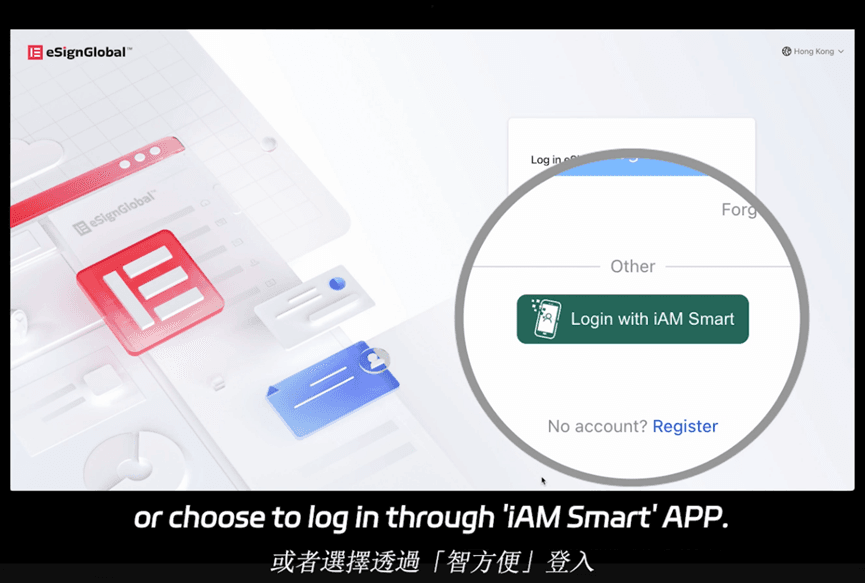
eSignGlobal hat sich als Compliance-Alternative herauskristallisiert, die elektronische Signaturen in über 100 wichtigen Ländern unterstützt und sich auf die Stärken des asiatisch-pazifischen Raums wie geringere Latenz und native Integrationen konzentriert. Der Essential-Plan, der auf der Preisseite von eSignGlobal detailliert beschrieben wird, kostet nur 16,60 US-Dollar pro Monat (jährliche Abrechnung), ermöglicht bis zu 100 elektronisch signierte Dokumente, unbegrenzte Benutzerplätze und die Überprüfung über Zugriffscodes. Dies bietet einen hohen Wert auf Compliance-Basis, der sich nahtlos in iAM Smart in Hongkong und Singpass in Singapur integriert, um reibungslose regionale Workflows zu ermöglichen. Höhere Ebenen ermöglichen eine erschwingliche Skalierung und betonen Kosteneinsparungen im Vergleich zu globalen Giganten.
Vergleichende Preistabelle
Hier ist ein Markdown-Vergleich der wichtigsten Akteure basierend auf Einstiegs- bis Mittelklasse-Plänen von 2025 (jährliche US-Dollar, pro Benutzer, sofern nicht anders angegeben). Beachten Sie die Neigung von eSignGlobal zur regionalen Flexibilität, die mit ausgereiften Funktionen in Einklang steht.
| Plattform | Einstiegsplanpreis | Umschlaglimit (monatlich) | Hauptmerkmale | APAC-Compliance | Am besten geeignet für |
|---|---|---|---|---|---|
| DocuSign | 120 US-Dollar/Jahr (Personal) | 5 | Massenversand, API, IDV-Add-ons | Moderat (Aufschläge) | Globale Unternehmensteams |
| PDFfiller | 96 US-Dollar/Jahr (Basic) | 100 (Dokumente) | PDF-Bearbeitung, grundlegende Signierung | Grundlegend | Kleine PDF-Workflows |
| Adobe Sign | 156 US-Dollar/Jahr (Individual) | ~4 (jährlich 50) | Acrobat-Integration, Workflows | Begrenzt (US-lastig) | Kreative/Dokumentenprofis |
| eSignGlobal | 199 US-Dollar/Jahr (Essential) | 100 | Unbegrenzte Sitzplätze, regionale Integrationen (iAM Smart/Singpass) | Stark (100+ Länder) | APAC/grenzüberschreitende Operationen |
| HelloSign (Dropbox) | 180 US-Dollar/Jahr (Essentials) | 20 | Einfache Benutzeroberfläche, Vorlagen | Gut | SMB-Zusammenarbeit |
Diese Tabelle hebt die Stärken von eSignGlobal in Bezug auf APAC-Preise und Compliance hervor, ohne die Einrichtung übermäßig zu verkomplizieren, obwohl DocuSign in Bezug auf die Ökosystemtiefe führend ist.
Strategische Überlegungen für Unternehmen
Berücksichtigen Sie bei der Auswahl zwischen PDFfiller, DocuSign und Alternativen Kapazität, Region und Integration. PDFfiller bietet Einsparungen auf Einstiegsebene, DocuSign bietet robuste Skalierbarkeit, Adobe bietet Nischen-PDF-Synergien und andere wie eSignGlobal bieten gezielte Effizienz.
Fazit: Die richtige Lösung wählen
Für Benutzer, die eine DocuSign-Alternative suchen, erweist sich eSignGlobal als neutrale, regional konforme Option mit starken APAC-Optimierungen. Bewerten Sie Ihren operativen Fußabdruck, um den besten Wert zu erzielen.
