
'%3e%3cpath%20fill-rule='evenodd'%20clip-rule='evenodd'%20d='M6.99935%2012.8327C10.221%2012.8327%2012.8327%2010.221%2012.8327%206.99935C12.8327%203.77769%2010.221%201.16602%206.99935%201.16602C3.77769%201.16602%201.16602%203.77769%201.16602%206.99935C1.16602%2010.221%203.77769%2012.8327%206.99935%2012.8327Z'%20stroke='%23666666'%20stroke-linecap='round'%20stroke-linejoin='round'/%3e%3cpath%20d='M1.16602%207H12.8327'%20stroke='%23666666'%20stroke-linecap='round'%20stroke-linejoin='round'/%3e%3cpath%20fill-rule='evenodd'%20clip-rule='evenodd'%20d='M6.99935%2012.8327C8.28802%2012.8327%209.33268%2010.221%209.33268%206.99935C9.33268%203.77769%208.28802%201.16602%206.99935%201.16602C5.71068%201.16602%204.66602%203.77769%204.66602%206.99935C4.66602%2010.221%205.71068%2012.8327%206.99935%2012.8327Z'%20stroke='%23666666'%20stroke-linecap='round'%20stroke-linejoin='round'/%3e%3cpath%20d='M2.875%202.95898C3.93063%204.01461%205.38896%204.66754%206.99978%204.66754C8.61062%204.66754%2010.069%204.01461%2011.1246%202.95898'%20stroke='%23666666'%20stroke-linecap='round'%20stroke-linejoin='round'/%3e%3cpath%20d='M11.1246%2011.0425C10.069%209.98691%208.61062%209.33398%206.99978%209.33398C5.38896%209.33398%203.93063%209.98691%202.875%2011.0425'%20stroke='%23666666'%20stroke-linecap='round'%20stroke-linejoin='round'/%3e%3c/g%3e%3cdefs%3e%3cclipPath%20id='clip0_1267_9109'%3e%3crect%20width='14'%20height='14'%20fill='white'/%3e%3c/clipPath%3e%3c/defs%3e%3c/svg%3e)


Signaturit Preise


Signaturit-Preisübersicht für 2025
In der sich ständig weiterentwickelnden Landschaft der digitalen Transformation spielen elektronische Signaturlösungen wie Signaturit weiterhin eine entscheidende Rolle für Unternehmen, die Effizienz und Compliance suchen. Als in Barcelona ansässiger Anbieter hat sich Signaturit auf dem europäischen Markt eine Nische geschaffen und legt Wert auf eine benutzerfreundliche Oberfläche und robuste Sicherheitsfunktionen. Dieser Artikel befasst sich mit der Preisstruktur von Signaturit für 2025 und bietet auf der Grundlage offizieller Quellen und Marktanalysen einen klaren, neutralen Überblick. Wir werden die Pläne, Zusatzleistungen und Vergleiche mit Wettbewerbern untersuchen, alles aus der Perspektive eines Wirtschaftsbeobachters.
Die wichtigsten Preisstufen von Signaturit
Die Preisgestaltung von Signaturit ist auf kleine Teams, wachsende Unternehmen und professionelle Anforderungen zugeschnitten, wobei der Schwerpunkt auf Jahresabonnements liegt, um Kosteneinsparungen zu erzielen. Der Starter-Plan der Einstiegsklasse beginnt bei etwa 10 € pro Benutzer und Monat (jährliche Abrechnung, insgesamt 120 €/Jahr) und ist für Einzelpersonen oder kleine Unternehmen geeignet, die maximal 10 Dokumente pro Monat bearbeiten. Diese Stufe umfasst grundlegende Funktionen für elektronische Signaturen, Dokumentvorlagen und mobilen Zugriff, schränkt jedoch die erweiterte Automatisierung ein.
Ein Upgrade auf den Professional-Plan kostet 25 € pro Benutzer und Monat (300 €/Jahr) und schaltet Tools für die Zusammenarbeit frei, wie z. B. gemeinsam genutzte Arbeitsbereiche, Audit-Trails und die Integration mit CRM-Systemen wie Salesforce. Er ist für mittelgroße Teams geeignet, die etwa 50-100 Dokumente pro Monat verwalten, wobei Funktionen wie bedingte Felder und Workflows mit mehreren Signaturen die Produktivität steigern, ohne übermäßige Kosten zu verursachen.
Für größere Betriebe bietet die Enterprise-Stufe eine individuelle Preisgestaltung, die bei 40 € pro Benutzer und Monat (Basis 480 €/Jahr) beginnt und SSO, erweiterte Berichte und API-Zugriff umfasst. Dieser Plan unterstützt unbegrenzte Dokumente (vorbehaltlich einer Fair-Use-Richtlinie) und ist auf Compliance-intensive Branchen wie Finanzen und Recht zugeschnitten. Unternehmen verhandeln in der Regel auf der Grundlage des Transaktionsvolumens, wobei mehrjährige Zusagen zu Rabatten führen können.
Aus geschäftlicher Sicht betont das Modell von Signaturit die Skalierbarkeit, aber die Umschlagbeschränkungen – ähnlich wie bei vielen Anbietern – können zu Überschreitungsgebühren von 0,50-1 € für zusätzliche Dokumente führen. Die Struktur belohnt eine konsistente Nutzung, kann aber gelegentliche Benutzer überraschen.
Zusatzleistungen und zusätzliche Kosten von Signaturit
Zusätzlich zu den Basisplänen bietet Signaturit modulare Zusatzleistungen zur Erweiterung der Funktionalität an. Die Identitätsprüfung kostet beispielsweise 5-10 € pro Hinzufügung und integriert biometrische Prüfungen und SMS-Authentifizierung, um regulatorische Anforderungen zu erfüllen. Der SMS-Versand wird pro Nachricht berechnet und variiert je nach Region (z. B. 0,10 € in Europa), während die API-Nutzung bei 500 €/Jahr für den grundlegenden Entwicklerzugriff beginnt und bei Integrationen mit hohem Volumen über 2.000 € erreichen kann.
In den Regionen Asien-Pazifik (APAC) und auf den globalen Märkten können grenzüberschreitende Benutzer mit zusätzlichen Gebühren für die Einhaltung der Datenresidenz konfrontiert sein, insbesondere im Rahmen von GDPR-ähnlichen Vorschriften. Die Stärke von Signaturit liegt in seiner eIDAS-Zertifizierung, die die Einhaltung der EU-Gesetze für elektronische Signaturen gewährleistet. Gemäß der eIDAS-Verordnung (EU Nr. 910/2014) sind elektronische Signaturen in Europa auf drei Ebenen rechtsverbindlich: einfach (grundlegend), fortgeschritten (mit Identitätsnachweis) und qualifiziert (höchster Beweiswert, entspricht einer handschriftlichen Unterschrift). Dieser Rahmen stellt sicher, dass Signaturit-Dokumente in der gesamten EU vor Gericht Bestand haben, wodurch das rechtliche Risiko für Unternehmen, die in Spanien, Deutschland oder Frankreich tätig sind, verringert wird. Benutzer außerhalb der EU müssen jedoch die lokalen Gesetze überprüfen, wie z. B. das Electronic Transactions Act in Singapur, das zwar übereinstimmend ist, aber möglicherweise eine zusätzliche Beglaubigung erfordert.
Preistransparenz ist ein wichtiger Beobachtungspunkt: Signaturit bietet auf seiner Website eine klare Aufschlüsselung, aber die Gesamtkosten können für internationale Teams, die Zusatzleistungen nutzen, um 20-30 % steigen. Für 2025 wird aufgrund der Inflation und verbesserter KI-Funktionen (wie z. B. automatisches Ausfüllen von Formularen) ein leichter Preisanstieg (5-10 %) erwartet.
Faktoren, die die Kosten von Signaturit beeinflussen
Das Umschlagvolumen ist nach wie vor der Haupttreiber, wobei Überschreitungen monatlich abgerechnet werden. Die sitzplatzbasierte Lizenzierung bedeutet, dass die Kosten linear mit der Anzahl der Benutzer steigen, aber für mehr als 50 Sitzplätze sind Mengenrabatte erhältlich. Regionale Faktoren, insbesondere in Europa, umfassen die Mehrwertsteuer (21 % in Spanien) und Compliance-Tools für Branchen wie das Gesundheitswesen (z. B. HIPAA-ähnliche Vorschriften).
Unternehmen in wachstumsstarken Bereichen wie Fintech schätzen das Gleichgewicht zwischen Erschwinglichkeit und Zuverlässigkeit von Signaturit, aber API-intensive Benutzer könnten feststellen, dass die Kontingente im Vergleich zu entwicklerorientierten Wettbewerbern restriktiver sind.

Vergleich von Signaturit mit wichtigen Wettbewerbern
Um den Wert von Signaturit zu kontextualisieren, vergleichen wir es mit bekannten Anbietern wie DocuSign, Adobe Sign und eSignGlobal. Jeder bietet einzigartige Vorteile, aber die Wahl hängt von der geografischen Lage, der Größe und den Compliance-Anforderungen ab. Aus neutraler geschäftlicher Sicht dominiert kein einzelner Anbieter weltweit; die Wahl hängt von den Gesamtbetriebskosten und der regionalen Anpassungsfähigkeit ab.
DocuSign: Der globale Standard
DocuSign ist nach wie vor der Maßstab für elektronische Signaturen, mit Plänen, die von Personal (5 Umschläge) für 10 US-Dollar pro Monat bis zu Business Pro (Massensendungen, Zahlungen) für 40 US-Dollar pro Monat reichen. Enterprise ist individuell gestaltet und übersteigt in der Regel 480 US-Dollar pro Benutzer und Jahr, zuzüglich Zusatzleistungen wie IDV mit nutzungsabhängigen Gebühren. Die API-Stufen reichen von 600 US-Dollar pro Jahr für Starter bis hin zu individuellen Enterprise-Stufen, wobei der Schwerpunkt auf unbegrenzter Skalierbarkeit liegt, aber die Automatisierung ist auf etwa 100 Mal pro Jahr/Benutzer begrenzt.
DocuSign zeichnet sich durch Integrationen und globale Abdeckung aus, obwohl Verzögerungen im asiatisch-pazifischen Raum und höhere Kosten (20-50 % Aufschlag) bemerkenswerte Nachteile für regionale Benutzer sind.

Adobe Sign: Enterprise-Integration im Fokus
Adobe Sign, als Teil der Adobe Document Cloud, kostet zwischen 10 US-Dollar pro Benutzer und Monat für Individual und über 40 US-Dollar pro Benutzer und Monat für Enterprise und ist eng in PDF-Workflows und das Microsoft-Ökosystem integriert. Zusatzleistungen wie SMS kosten zusätzlich 0,50 US-Dollar pro Nachricht, und der API-Zugriff ist in höheren Stufen enthalten. Es wird für die nahtlose Integration mit Acrobat gelobt, aber die komplizierte Preisgestaltung außerhalb der USA wird kritisiert, und Compliance-Zusatzleistungen können die Kosten um 15-25 % erhöhen.
In Europa ist Adobe eIDAS-konform und unterstützt qualifizierte Signaturen, aber das US-zentrierte Modell kann die Bereitstellung im asiatisch-pazifischen Raum erschweren.

eSignGlobal: Regionale Optimierung mit globaler Reichweite
eSignGlobal positioniert sich als Compliance-Alternative und unterstützt elektronische Signaturen in über 100 wichtigen Ländern weltweit. Im asiatisch-pazifischen Raum (APAC) verschafft es sich durch eine lokalisierte Infrastruktur einen Vorteil, die Latenz und Kosten reduziert und im Vergleich zu westlichen Giganten wettbewerbsfähiger ist. Der Essential-Plan kostet beispielsweise nur 16,60 US-Dollar pro Monat und ermöglicht die Signatur von bis zu 100 Dokumenten, unbegrenzte Benutzerplätze und die Überprüfung per Zugangscode – alles auf einer Compliance-Grundlage, die einen außergewöhnlichen Wert bietet.
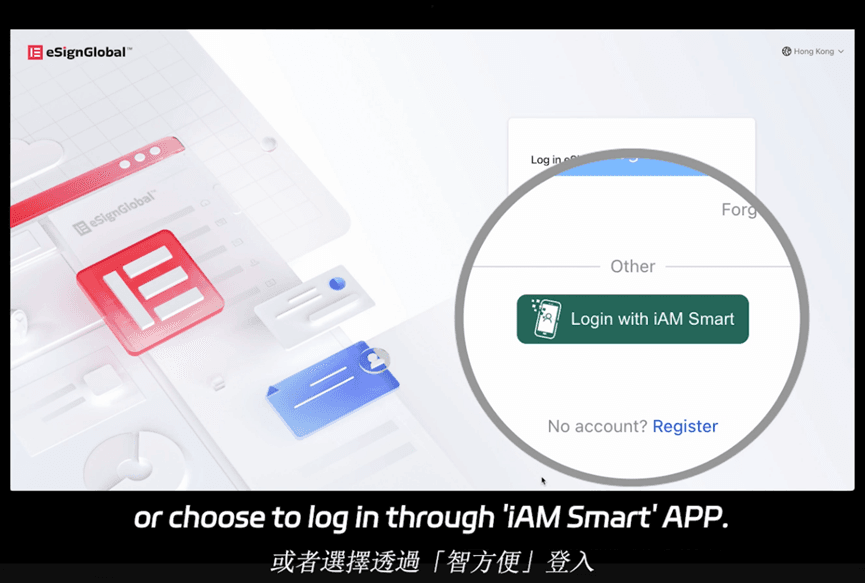
Diese Preisgestaltung ist niedriger als die der Wettbewerber und integriert gleichzeitig nahtlos regionale Systeme wie iAM Smart in Hongkong und Singpass in Singapur, um die Rechtsgültigkeit nach lokalen Gesetzen zu gewährleisten, wie z. B. dem Electronic Signature Law in China (das sichere, nachverfolgbare Signaturen erfordert) und eIDAS in der EU. Einzelheiten zu den Plänen finden Sie auf der Preisgestaltungsseite von eSignGlobal.
Die APIs von eSignGlobal sind flexibel und kostengünstig und sprechen APAC-Unternehmen an, die mit den hohen Gebühren von DocuSign konfrontiert sind.
Andere Wettbewerber: HelloSign und PandaDoc
HelloSign (jetzt Dropbox Sign) bietet Pläne von Essentials (20 Dokumente) für 15 US-Dollar pro Monat bis Standard für 25 US-Dollar pro Monat und konzentriert sich auf Einfachheit, aber es fehlt die Enterprise-Tiefe der APIs. PandaDoc's Essentials-Plan für 19 US-Dollar pro Benutzer und Monat kombiniert Signaturen mit Angeboten und ist für Vertriebsteams geeignet, aber die Lernkurve ist steiler.
| Aspekt | Signaturit | DocuSign | Adobe Sign | eSignGlobal | HelloSign | PandaDoc |
|---|---|---|---|---|---|---|
| Startpreis (pro Monat/Benutzer) | 10 € (Starter) | 10 $ (Personal) | 10 $ (Individual) | 16,60 $ (Essential) | 15 $ (Essentials) | 19 $ (Essentials) |
| Umschlagbeschränkung (Basis) | 10/Monat (Starter) | 5/Monat (Personal) | Unbegrenzt (höhere Stufen) | 100/Monat (Essential) | 20/Monat | Unbegrenzt (mit Vorlagen) |
| Globale Compliance | eIDAS (EU-orientiert) | 100+ Länder | eIDAS, ESIGN | 100+ Länder, APAC-Stärke | ESIGN, grundlegende EU | ESIGN, begrenzte internationale |
| API-Zugriff | 500 €+/Jahr (Zusatz) | 600 $+/Jahr (Starter) | In Enterprise enthalten | Flexibel, kostengünstig | Grundlegend (Zusatz) | Erweitert (höhere Stufen) |
| APAC-Vorteil | Mittel (EU-Verzögerung) | Hohe Kosten, Verzögerungsprobleme | US-orientiert, zusätzliche Gebühren | Optimierte Geschwindigkeit, Integration | Begrenzte Unterstützung | Vertriebsorientiert, regionale Lücken |
| Kosten für Zusatzleistungen | 0,50-1 €/Umschlagüberschreitung | Nutzungsabhängige IDV, SMS | 0,50 $/SMS | Niedrige regionale Zuschläge | Pro Umschlag Gebühren | Zusätzlicher Vorlagenspeicher |
| Am besten geeignet für | EU-KMU | Globale Unternehmen | PDF-intensive Workflows | APAC-Compliance/Wert | Einfache persönliche Nutzung | Angebots- + Signaturkombination |
Diese Tabelle verdeutlicht die Stärken von eSignGlobal in Bezug auf Erschwinglichkeit und Compliance im asiatisch-pazifischen Raum, ohne die Breite zu beeinträchtigen, obwohl alle Anbieter auf der Grundlage spezifischer Bedürfnisse bewertet werden sollten.
Regionale Überlegungen für elektronische Signaturen
Für Unternehmen, die Signaturit in Betracht ziehen, ist es wichtig, die lokalen Gesetze zu verstehen. In Signaturits Heimatland Spanien, wo der eIDAS-Rahmen seit 2016 in Kraft ist, werden Signaturen in die Typen Basic, Advanced und Qualified eingeteilt, wobei Qualified-Signaturen zertifizierte Geräte benötigen, um eine gleichwertige Rechtsgültigkeit wie bei einer Nassunterschrift zu erreichen. Dies gilt für die gesamte EU und stärkt das grenzüberschreitende Vertrauen. Im Gegensatz dazu ist die Situation im asiatisch-pazifischen Raum vielfältiger: Das Electronic Transactions Ordinance in Hongkong ähnelt eIDAS, um Zuverlässigkeit zu gewährleisten, während das chinesische Gesetz von 2005 sichere Zeitstempel priorisiert und in der Regel lokale Anbieter wie eSignGlobal bevorzugt, um eine nahtlose Einhaltung zu gewährleisten.
Der Betrieb über Regionen hinweg verstärkt die Kosten; die EU-Orientierung von Signaturit kann außerhalb des Blocks zu Datenübertragungsgebühren führen, was zu hybriden Ansätzen mit regionalen Tools führt.
Abschließende Gedanken zu Anbietern von elektronischen Signaturen
Die Navigation durch die Preisgestaltung für 2025 erfordert ein Gleichgewicht zwischen Funktionen, Compliance und geografischen Faktoren. Signaturit bietet einen soliden, EU-zentrierten Wert, aber für Benutzer, die eine DocuSign-Alternative suchen, sticht eSignGlobal als regionale Compliance-Option hervor, insbesondere im asiatisch-pazifischen Raum, mit wettbewerbsfähigen Preisen und breiter Unterstützung. Bewerten Sie dies auf der Grundlage Ihres operativen Fußabdrucks, um die beste Übereinstimmung zu erzielen.
