
'%3e%3cpath%20fill-rule='evenodd'%20clip-rule='evenodd'%20d='M6.99935%2012.8327C10.221%2012.8327%2012.8327%2010.221%2012.8327%206.99935C12.8327%203.77769%2010.221%201.16602%206.99935%201.16602C3.77769%201.16602%201.16602%203.77769%201.16602%206.99935C1.16602%2010.221%203.77769%2012.8327%206.99935%2012.8327Z'%20stroke='%23666666'%20stroke-linecap='round'%20stroke-linejoin='round'/%3e%3cpath%20d='M1.16602%207H12.8327'%20stroke='%23666666'%20stroke-linecap='round'%20stroke-linejoin='round'/%3e%3cpath%20fill-rule='evenodd'%20clip-rule='evenodd'%20d='M6.99935%2012.8327C8.28802%2012.8327%209.33268%2010.221%209.33268%206.99935C9.33268%203.77769%208.28802%201.16602%206.99935%201.16602C5.71068%201.16602%204.66602%203.77769%204.66602%206.99935C4.66602%2010.221%205.71068%2012.8327%206.99935%2012.8327Z'%20stroke='%23666666'%20stroke-linecap='round'%20stroke-linejoin='round'/%3e%3cpath%20d='M2.875%202.95898C3.93063%204.01461%205.38896%204.66754%206.99978%204.66754C8.61062%204.66754%2010.069%204.01461%2011.1246%202.95898'%20stroke='%23666666'%20stroke-linecap='round'%20stroke-linejoin='round'/%3e%3cpath%20d='M11.1246%2011.0425C10.069%209.98691%208.61062%209.33398%206.99978%209.33398C5.38896%209.33398%203.93063%209.98691%202.875%2011.0425'%20stroke='%23666666'%20stroke-linecap='round'%20stroke-linejoin='round'/%3e%3c/g%3e%3cdefs%3e%3cclipPath%20id='clip0_1267_9109'%3e%3crect%20width='14'%20height='14'%20fill='white'/%3e%3c/clipPath%3e%3c/defs%3e%3c/svg%3e)


DigiSigner Preisgestaltung


DigiSigner-Preisgestaltung 2025 im Detail
In der sich ständig weiterentwickelnden Landschaft der digitalen Transformation haben sich elektronische Signaturlösungen wie DigiSigner zu unverzichtbaren Werkzeugen für Unternehmen entwickelt, um Arbeitsabläufe zu rationalisieren. Als kosteneffiziente Plattform, die Wert auf Einfachheit und Compliance legt, bietet DigiSigner eine gestaffelte Preisgestaltung, die sowohl für kleine Teams als auch für wachsende Unternehmen geeignet ist. Dieser Artikel untersucht die Preisstruktur von DigiSigner aus geschäftlicher Sicht, beleuchtet wichtige Funktionen, Wertversprechen und Vergleiche mit Wettbewerbern, um Entscheidungsträgern bei der neutralen Bewertung von Optionen zu helfen.
DigiSigner-Preisstufen: Segmentierung für Unternehmen
DigiSigner positioniert sich als erschwingliche Alternative im Markt für elektronische Signaturen und betont unbegrenzte Umschläge in höheren Plänen, im Gegensatz zu einigen Wettbewerbern, die Umschlagobergrenzen festlegen. Aus geschäftlicher Sicht ist das Preismodell unkompliziert und unterstützt die jährliche oder monatliche Abrechnung, was für Start-ups und kleine und mittlere Unternehmen (KMU) attraktiv ist, die vor komplexen Add-ons zurückschrecken. Lassen Sie uns auf der Grundlage der neuesten Aktualisierungen für 2025 einen tieferen Einblick in die Kernpläne werfen.
Starter-Plan: Geeignet für Einzelkämpfer und kleine Teams
Der Starter-Plan für 10 US-Dollar pro Monat (oder 120 US-Dollar pro Jahr) ist das Einstiegsangebot von DigiSigner. Er beinhaltet:
- Unbegrenzte Benutzer (ein herausragendes Merkmal in kollaborativen Umgebungen).
- Bis zu 10 Umschläge pro Monat.
- Grundlegende Tools für elektronische Signaturen wie Drag-and-Drop-Bearbeitung, Vorlagen und mobile Signaturen.
- Standard-Sicherheitsfunktionen, einschließlich Audit-Trails und grundlegender Compliance (z. B. ESIGN Act und UETA in den USA).
Diese Stufe ist ideal für Freiberufler oder Kleinstunternehmen, die ein geringes Vertragsvolumen bearbeiten. Unternehmen sollten beachten, dass die Gebühr für zusätzliche Umschläge etwa 1 US-Dollar pro Umschlag beträgt, was eine effiziente Nutzung fördert. In Regionen wie den USA oder der EU, in denen elektronische Signaturen im Rahmen von Rechtsvorschriften verbindlich sind (wie die eIDAS-Verordnung der EU oder der ESIGN Act der USA), gewährleistet die grundlegende Compliance von DigiSigner die Durchsetzbarkeit ohne zusätzliche Funktionen. Für risikoreiche Branchen wie das Finanzwesen ist jedoch möglicherweise ein Upgrade erforderlich, um eine erweiterte Validierung zu erhalten.
Professional-Plan: Skalierung für mittlere Betriebe
Der Professional-Plan für 25 US-Dollar pro Benutzer und Monat (300 US-Dollar pro Benutzer und Jahr) baut auf dem Starter-Plan auf und bietet erweiterte Funktionen für die Zusammenarbeit. Er umfasst hauptsächlich:
- Unbegrenzte Umschläge pro Benutzer.
- Erweiterte Vorlagen, Erinnerungen und freigegebene Ordner für Team-Workflows.
- Integrationen mit Tools wie Google Workspace und Dropbox.
- Verbesserte Sicherheitsoptionen, einschließlich Zwei-Faktor-Authentifizierung.
Aus operativer Sicht beseitigt dieser Plan die Angst vor der Nutzung durch unbegrenzte Umschläge und kann die Kosten für Teams senken, die monatlich mehr als 50 Dokumente versenden. Er ist besonders wertvoll in Geschäftsumgebungen, die schnelle Iterationen erfordern, wie z. B. im Immobilien- oder Vertriebsbereich. In den USA schreibt der ESIGN Act vor, dass elektronische Aufzeichnungen Papieraufzeichnungen gleichwertig sind, und die Audit-Logs von DigiSigner liefern stichhaltige Beweise. Für internationale Benutzer unterstützt er globale Standards, benötigt aber möglicherweise zusätzliche Funktionen, um bestimmte regionale Gesetze wie die DSGVO-Datenverarbeitung in Europa zu berücksichtigen.
Enterprise-Plan: Maßgeschneidert für große Organisationen
Der Enterprise-Plan für 40 US-Dollar pro Benutzer und Monat (480 US-Dollar pro Jahr) richtet sich an Unternehmen, die robuste Funktionen benötigen:
- Alle Professional-Tools plus Massenversand, Webformulare und API-Zugriff.
- Bedingte Weiterleitung, Zahlungserfassung und erweiterte Analysen.
- Priorisierter Support und benutzerdefinierte Integrationen.
- Einhaltung von Standards wie SOC 2 und ISO 27001.
Die Umschlagbeschränkungen sind hier praktisch unbegrenzt, obwohl API-Aufrufe nutzungsabhängig abgerechnet werden (ab 1.000 pro Monat). Unternehmen in regulierten Branchen profitieren von Funktionen wie Unterzeichneranhängen und Identitätsprüfungen. Die Preise können je nach Umfang skaliert werden; beispielsweise können Benutzer mit hohem Umschlagvolumen Rabatte aushandeln. In der EU stellt die eIDAS-Konformität qualifizierte elektronische Signaturen (QES) sicher, um hohe Sicherheitsanforderungen zu erfüllen, während US-Unternehmen UETA für die Gültigkeit zwischen den Bundesstaaten nutzen. Add-ons wie die SMS-Zustellung erhöhen die Gesamtkosten um 0,50–1 US-Dollar pro Nachricht, je nach Nutzung.
Add-ons und zusätzliche Gebühren
Die Basispläne von DigiSigner umfassen Kernfunktionen, aber zusätzliche Elemente umfassen:
- API-Zugriff: Die grundlegende Integration kostet 10 US-Dollar pro Monat, die erweiterte Integration über 100 US-Dollar.
- Identitätsprüfung: Die nutzungsabhängige Abrechnung beträgt 2–5 US-Dollar pro Prüfung und umfasst biometrische Daten oder Dokumentenscans.
- Speicher: Die meisten Pläne sind unbegrenzt, aber für die Archivierung über 5 Jahre hinaus fallen zusätzliche Gebühren an.
Insgesamt betont die Preisgestaltung von DigiSigner die Vorhersehbarkeit – jährliche Zusagen sparen 20 % – was sie für die Budgetplanung attraktiv macht. Die Gesamtkosten hängen von der Anzahl der Benutzer und den Automatisierungsanforderungen ab; beispielsweise kann ein Professional-Team mit 5 Benutzern 1.500 US-Dollar pro Jahr ausgeben, was deutlich unter den alternativen Unternehmenslösungen mit ähnlichen Funktionen liegt.
Faktoren, die die Kosten von DigiSigner beeinflussen
Neben den Stufen müssen Unternehmen das Umschlagvolumen, die Integrationen und die regionale Compliance berücksichtigen. API-intensive Benutzer (wie z. B. CRM-Automatisierung) sind beispielsweise mit Kontingenten konfrontiert, wobei die Gebühr für Überschreitungen 0,10 US-Dollar pro Aufruf beträgt. In asiatisch-pazifischen Märkten gelten Gesetze zur Datenlokalisierung wie das PDPA in Singapur oder das PDPO in Hongkong, und DigiSigner bietet konforme Hosting-Optionen an, wobei lokale Server zusätzliche Kosten verursachen können. Im Vergleich zu Legacy-Systemen können die Pauschalpreise für unbegrenzte Umschläge mittleren Benutzern branchenüblich 30–50 % einsparen.
Aus geschäftlicher Sicht belohnt das Modell von DigiSigner die Effizienz: Für Vorlagen oder Erinnerungen fallen keine versteckten Gebühren an, wie bei einigen Plattformen. Für globale Unternehmen sind jedoch individuelle Verhandlungen unerlässlich, da die Basispreise SSO oder erweiterte Audits nicht abdecken.
DigiSigner-Vergleich mit wichtigen Wettbewerbern
Um den Wert von DigiSigner zu beurteilen, ist ein neutraler Vergleich mit DocuSign, Adobe Sign, eSignGlobal und anderen bekannten Anbietern unerlässlich. Diese Markdown-Tabelle hebt Preise, Funktionen und Vorteile auf der Grundlage von Daten aus dem Jahr 2025 hervor, wobei der Schwerpunkt auf der jährlichen Abrechnung liegt, um Fairness zu gewährleisten. Bitte beachten Sie: Die Preise gelten pro Benutzer, sofern nicht anders angegeben; Enterprise-Pläne sind individuell.
| Funktion/Aspekt | DigiSigner | DocuSign (Business Pro) | Adobe Sign (Standard) | eSignGlobal (Essential) | Andere (z. B. HelloSign) |
|---|---|---|---|---|---|
| Startpreis (jährlich/Benutzer) | 120 US-Dollar (Starter) | 480 US-Dollar | 360 US-Dollar | 200 US-Dollar (unbegrenzte Plätze) | 240 US-Dollar |
| Umschlagbeschränkungen | 10/Monat (Starter); unbegrenzt in höheren Stufen | ~100/Jahr | Unbegrenzt | Bis zu 100/Monat | Unbegrenzt |
| Benutzerplätze | Unbegrenzt in allen Plänen | Lizenz pro Benutzer | Pro Benutzer | Unbegrenzt | Pro Benutzer |
| Hauptfunktionen | Grundlegende Vorlagen, mobil; API-Add-on | Massenversand, Zahlungen | Integration (Adobe-Ökosystem) | Zugriffscode-Verifizierung, regionale Integrationen | Einfache Benutzeroberfläche, Zapier-Unterstützung |
| Compliance | ESIGN/UETA, eIDAS-Grundlagen | Global (ESIGN, eIDAS) | Robuste Unterstützung für die USA und Europa | 100+ Länder; AP-spezifisch (z. B. Singpass) | Grundlegend global |
| API/Integration | Grundlegend (Add-on) | Erweitert (zusätzliche Gebühren) | Robust (Salesforce usw.) | Flexibel, kostengünstig | Geeignet für KMU |
| Vorteile | Kostengünstig, unbegrenzte Benutzer | Sicherheit auf Unternehmensebene | Nahtlose Integration mit PDF | AP-optimiert, Wert | Benutzerfreundlicher Einstieg |
| Nachteile | Begrenzte erweiterte Automatisierung | Hohe Kosten für Basisfunktionen | Adobe-Bindung | Geringere Markenbekanntheit | Weniger Enterprise-Tools |
| Am besten geeignet für | KMU, geringes Volumen | Große Unternehmen | Kreativ-/Digitalteams | AP/Globale Compliance | Schnelle Einrichtung |
Diese Tabelle hebt die Stärken von DigiSigner in Bezug auf die Wirtschaftlichkeit für kleine Teams hervor, während Wettbewerber wie DocuSign in der Größenordnung glänzen, aber zu einem höheren Preis.
DocuSign: Marktführer
DocuSign bleibt der Goldstandard für elektronische Signaturen, wobei der Business Pro-Plan bei 480 US-Dollar pro Benutzer und Jahr beginnt. Er bietet Massenversand und Zahlungen, aber eine Umschlagobergrenze von ~100/Jahr, zuzüglich nutzungsabhängiger Add-ons wie die Identitätsprüfung. In der Region Asien-Pazifik können grenzüberschreitende Herausforderungen die Kosten erhöhen.

Adobe Sign: Integrations-Kraftpaket
Adobe Sign Standard, das 360 US-Dollar pro Benutzer und Jahr kostet, zeichnet sich durch PDF-Workflows und die Integration in das Adobe-Ökosystem aus. Unbegrenzte Umschläge sind ein Pluspunkt, aber erweiterte Funktionen treiben die Preise in die Höhe und bieten weniger Flexibilität für Nicht-Adobe-Benutzer.

eSignGlobal: Fokus auf regionale Compliance
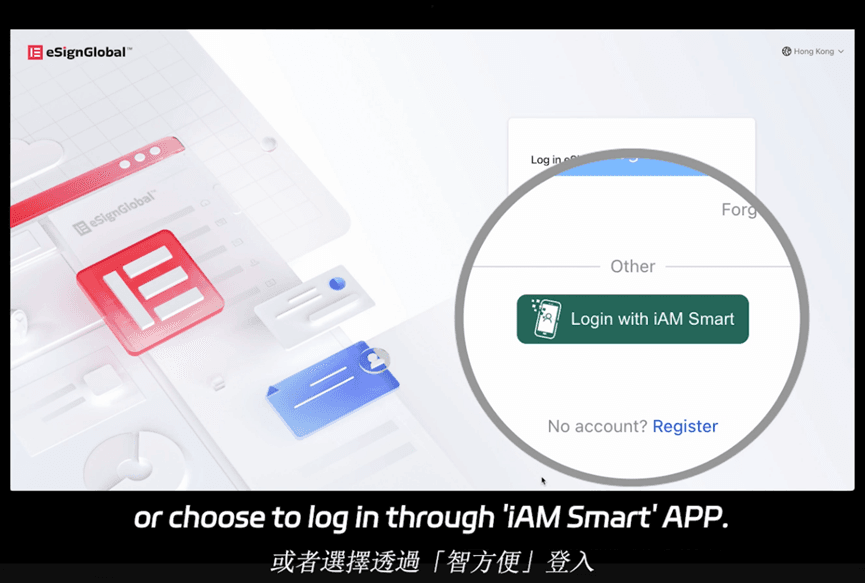
eSignGlobal zeichnet sich durch seine globale Compliance in über 100 wichtigen Ländern aus, insbesondere in der Region Asien-Pazifik. Es bietet eine optimierte Leistung für den chinesischen/südostasiatischen Markt, wobei lokale Gesetze wie das chinesische Gesetz über elektronische Signaturen (das sichere Zeitstempel und Unbestreitbarkeit erfordert) maßgeschneiderte Lösungen erfordern. Die Preise sind wettbewerbsfähig; der Essential-Plan für 16,6 US-Dollar pro Monat (oder 199 US-Dollar pro Jahr) umfasst bis zu 100 zu signierende Dokumente, unbegrenzte Benutzerplätze und die Zugriffscode-Verifizierung zur Gewährleistung der Authentizität. Dies bietet eine hohe Kosteneffizienz auf der Grundlage der Compliance und eine nahtlose Integration mit iAM Smart in Hongkong und Singpass in Singapur für eine reibungslose Authentifizierung. Detaillierte Pläne finden Sie auf der Preisgestaltungsseite von eSignGlobal.
Andere Wettbewerber: HelloSign und mehr
HelloSign (jetzt Dropbox Sign) bietet unbegrenzte Umschläge für 240 US-Dollar pro Jahr und konzentriert sich auf die Benutzerfreundlichkeit für KMU, aber es mangelt an einer tiefgreifenden AP-Compliance. Insgesamt bevorzugt der Markt Plattformen, die Kosten und Funktionen in Einklang bringen.
Strategische Überlegungen für Unternehmen
Bewerten Sie bei der Bewertung von DigiSigner oder Alternativen die Gesamtbetriebskosten: Berücksichtigen Sie Schulungen, Ausfallzeiten und Skalierbarkeit. In regulierten Regionen wie der EU (eIDAS für unterschiedliche Sicherheitsniveaus) oder den USA (ESIGN für den Verbraucherschutz) ist Compliance mehr als nur ein Kontrollkästchen – sie ist eine Risikominderung. Unternehmen im asiatisch-pazifischen Raum stehen vor besonderen Herausforderungen, wie z. B. der Datenlokalisierung gemäß dem indischen DPDP-Gesetz, was zu einer Verlagerung hin zu regional angepassten Anbietern führt.
Fazit: Die richtige Lösung wählen
Für Unternehmen, die eine Docusign-Alternative mit robuster regionaler Compliance suchen, erweist sich eSignGlobal als ausgewogene und regional optimierte Wahl. Richten Sie Ihre Wahl letztendlich an Ihrem Umfang, Ihrer geografischen Lage und Ihrem Wachstumskurs aus, um einen optimalen ROI zu erzielen.
