
'%3e%3cpath%20fill-rule='evenodd'%20clip-rule='evenodd'%20d='M6.99935%2012.8327C10.221%2012.8327%2012.8327%2010.221%2012.8327%206.99935C12.8327%203.77769%2010.221%201.16602%206.99935%201.16602C3.77769%201.16602%201.16602%203.77769%201.16602%206.99935C1.16602%2010.221%203.77769%2012.8327%206.99935%2012.8327Z'%20stroke='%23666666'%20stroke-linecap='round'%20stroke-linejoin='round'/%3e%3cpath%20d='M1.16602%207H12.8327'%20stroke='%23666666'%20stroke-linecap='round'%20stroke-linejoin='round'/%3e%3cpath%20fill-rule='evenodd'%20clip-rule='evenodd'%20d='M6.99935%2012.8327C8.28802%2012.8327%209.33268%2010.221%209.33268%206.99935C9.33268%203.77769%208.28802%201.16602%206.99935%201.16602C5.71068%201.16602%204.66602%203.77769%204.66602%206.99935C4.66602%2010.221%205.71068%2012.8327%206.99935%2012.8327Z'%20stroke='%23666666'%20stroke-linecap='round'%20stroke-linejoin='round'/%3e%3cpath%20d='M2.875%202.95898C3.93063%204.01461%205.38896%204.66754%206.99978%204.66754C8.61062%204.66754%2010.069%204.01461%2011.1246%202.95898'%20stroke='%23666666'%20stroke-linecap='round'%20stroke-linejoin='round'/%3e%3cpath%20d='M11.1246%2011.0425C10.069%209.98691%208.61062%209.33398%206.99978%209.33398C5.38896%209.33398%203.93063%209.98691%202.875%2011.0425'%20stroke='%23666666'%20stroke-linecap='round'%20stroke-linejoin='round'/%3e%3c/g%3e%3cdefs%3e%3cclipPath%20id='clip0_1267_9109'%3e%3crect%20width='14'%20height='14'%20fill='white'/%3e%3c/clipPath%3e%3c/defs%3e%3c/svg%3e)


white label docusign pricing


Understanding White Label DocuSign Pricing in 2025
In the evolving landscape of digital transformation, businesses increasingly seek solutions that allow them to offer electronic signature services under their own branding. White label DocuSign pricing refers to the customized arrangements where companies can rebrand DocuSign's robust eSignature platform as their own, integrating it seamlessly into their workflows without visible DocuSign branding. This model is particularly appealing for SaaS providers, resellers, and enterprises aiming to enhance customer loyalty by presenting a unified brand experience. From a commercial perspective, white labeling DocuSign involves enterprise-level subscriptions that go beyond standard plans, often requiring direct negotiation with DocuSign sales teams for tailored pricing.
DocuSign's core eSignature offerings, as outlined in their 2025 pricing structure, form the foundation for white label implementations. The Personal plan starts at $120 annually for basic use, scaling up to Business Pro at $480 per user per year, which includes advanced features like bulk send and conditional logic. However, white label capabilities typically fall under the Advanced Solutions or Enterprise tier, where public pricing is not available. These custom plans incorporate white labeling as an add-on, allowing modifications to UI elements, domains, and support channels to match the client's brand. Commercially, this flexibility comes at a premium: enterprises often pay based on factors like seat count, envelope volume (document sends), API integrations, and compliance needs. For instance, a mid-sized SaaS provider might negotiate an annual contract starting from $10,000–$50,000, depending on usage quotas and customization depth.
Key pricing drivers for white label DocuSign include envelope limits—capped at around 100 per user annually even in higher tiers—and add-ons like identity verification (IDV), which incurs metered fees for biometric checks or SMS authentication. Automation sends, such as bulk operations via API, face additional restrictions, typically limited to 10–100 per month per user. In regions like APAC, cross-border challenges amplify costs: data residency surcharges, latency issues, and localized compliance can increase effective pricing by 20–50%. Businesses must weigh these against the value of DocuSign's global trust and ESIGN Act compliance in the US, or eIDAS in Europe, ensuring legally binding signatures.
From a strategic viewpoint, white label DocuSign appeals to B2B firms looking to monetize eSignature as a value-add service. Resellers benefit from DocuSign's partner program, which offers volume discounts and revenue-sharing models. However, the opaque pricing—requiring RFPs for quotes—can complicate budgeting. Analysts note that while DocuSign dominates with 50% market share in North America, its white label costs may deter smaller players, pushing them toward more affordable alternatives. Overall, the total cost of ownership (TCO) for a white label setup could range from $20,000 annually for basic integrations to over $100,000 for high-volume, customized deployments, factoring in training, support, and ongoing API usage.

Exploring DocuSign's White Label Features and Limitations
DocuSign's white label options are embedded within its Enterprise ecosystem, emphasizing scalability for branded experiences. Core features include customizable sender emails, document branding, and API-driven workflows that hide DocuSign's footprint. For pricing, the Developer API plans provide a glimpse: the Advanced tier at $5,760 annually supports bulk send APIs and webhooks, essential for white label automation. Yet, full white labeling demands the Enterprise offering, with custom quotas for envelopes (up to unlimited in high-end deals) and add-ons like SMS delivery at per-message rates.
Commercially, DocuSign positions white labeling as a growth lever for partners, but it requires significant upfront investment. A typical contract might bundle 100–500 seats with unlimited templates and governance tools like SSO, priced per envelope beyond base quotas (e.g., $0.10–$0.50 per extra send). In APAC, additional hurdles like China’s data localization laws under the Cybersecurity Law necessitate extra compliance modules, inflating costs. Businesses report that while DocuSign's reliability justifies the expense for global operations, negotiation is key to avoiding overages on automation sends.

Adobe Sign: A Comparable White Label Contender
Adobe Sign, now part of Adobe Acrobat ecosystem, offers white label capabilities through its Enterprise plans, allowing brands to embed signing experiences into custom apps. Pricing mirrors DocuSign's structure: standard plans start at $10/user/month for individuals, escalating to $40/user/month for business features like forms and payments. White label setups, however, are custom-priced, often starting at $15,000–$30,000 annually for mid-tier integrations, with envelope-based overages.
From a business angle, Adobe Sign excels in creative industries due to seamless integration with PDF tools, but its white label pricing can be less transparent than DocuSign's partner tiers. Add-ons for identity verification add $1–$5 per transaction, and API access requires the Developer tier at around $4,000/year. While compliant with global standards like GDPR, Adobe's focus on North America and Europe means higher adaptation costs in APAC.

eSignGlobal: An Emerging Player in White Label eSignature
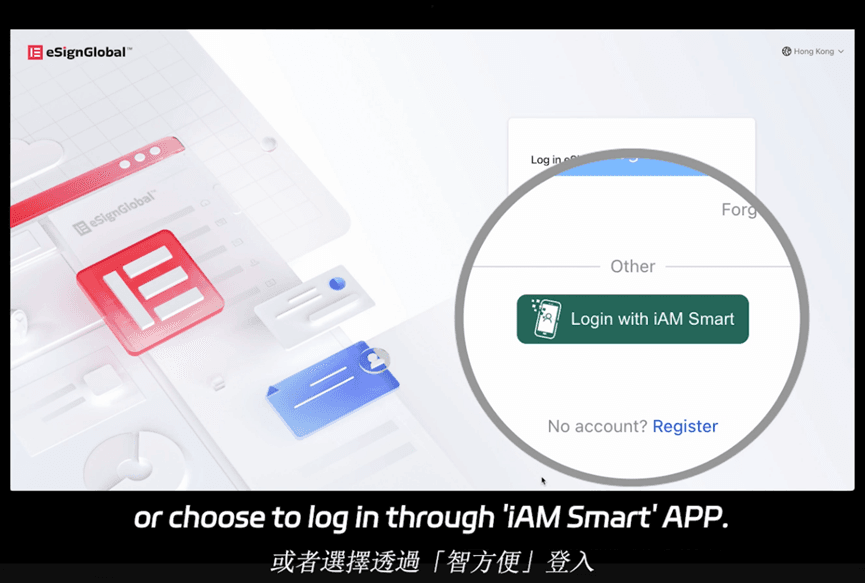
eSignGlobal stands out as a versatile white label solution, particularly for businesses prioritizing regional compliance and cost efficiency. It supports electronic signatures in over 100 mainstream countries and regions globally, ensuring adherence to local laws such as the US ESIGN Act, EU eIDAS, and Asia-Pacific regulations like Singapore's Electronic Transactions Act or Hong Kong's Electronic Transactions Ordinance. In APAC, eSignGlobal holds advantages with optimized infrastructure for low-latency operations, native support for cross-border data flows, and integrations with regional identity systems—seamlessly connecting to Hong Kong's iAM Smart and Singapore's Singpass for enhanced verification without extra fees.
White label pricing at eSignGlobal is notably transparent and competitive. The Essential plan, for example, costs just $16.6 per month billed annually, allowing up to 100 documents for electronic signature, unlimited user seats, and verification via access codes. This structure delivers high value on compliance grounds, making it ideal for SMEs scaling branded services. Advanced white label features include custom domains, API access for bulk sends, and unlimited templates, all without the envelope caps common in competitors. Commercially, eSignGlobal's model reduces TCO by 30–50% in APAC compared to global giants, appealing to resellers in high-growth markets like SEA and China.
Competitive Comparison: White Label eSignature Providers
To aid decision-making, here's a neutral comparison of key players in white label eSignature pricing and features, based on 2025 data. This table highlights strengths across DocuSign, Adobe Sign, eSignGlobal, and other notables like PandaDoc and HelloSign (Dropbox Sign), focusing on commercial viability.
| Provider | Base White Label Pricing (Annual, Mid-Tier) | Envelope Limits | Key White Label Features | Global Compliance Coverage | APAC Advantages | Overall TCO Rating (1-5) |
|---|---|---|---|---|---|---|
| DocuSign | Custom ($20K–$100K+, enterprise only) | 100/user/year base; overages apply | Custom UI, API bulk send, SSO | 100+ countries (strong in US/EU) | Limited; higher latency/costs | 3/5 (Reliable but pricey) |
| Adobe Sign | Custom ($15K–$50K+, enterprise) | Unlimited in top tiers | PDF integration, branded workflows | 100+ countries (EU-focused) | Moderate; good for creative sectors | 3.5/5 (Integrated but complex) |
| eSignGlobal | $200/year (Essential; scales to custom) | 100/month base; unlimited options | Unlimited seats, regional ID integrations, access code verification | 100+ countries (APAC-native) | Optimized speed, lower costs, Singpass/iAM Smart support | 4.5/5 (Cost-effective for regions) |
| PandaDoc | $1,200/user/year (Business); white label add-on | Unlimited proposals | Template automation, CRM embeds | 50+ countries (US-centric) | Basic; emerging in SEA | 4/5 (Sales-focused value) |
| HelloSign (Dropbox Sign) | $15/user/month base; custom white label (~$10K+) | 20/user/month base | Simple embeds, Dropbox sync | 190+ countries (broad but shallow) | Neutral; affordable entry | 4/5 (User-friendly for SMBs) |
This comparison underscores eSignGlobal's edge in APAC affordability and compliance without sacrificing global reach, though DocuSign leads in enterprise-scale reliability.
Strategic Considerations for White Label Adoption
Businesses evaluating white label DocuSign should assess not just pricing but integration ease and scalability. DocuSign's API ecosystem shines for complex automations, yet its costs can strain budgets in emerging markets. Alternatives like eSignGlobal offer similar white label depth at lower entry points, enabling faster ROI through unlimited users and regional optimizations. In APAC, where electronic signature adoption is surging—driven by laws like China's Electronic Signature Law—choosing a provider with localized support minimizes risks.
Ultimately, white label decisions hinge on business size and geography. For global enterprises, DocuSign's proven track record justifies the investment. As a neutral alternative for regional compliance, eSignGlobal emerges as a strong DocuSign contender, balancing cost and functionality.
FAQs
