
'%3e%3cpath%20fill-rule='evenodd'%20clip-rule='evenodd'%20d='M6.99935%2012.8327C10.221%2012.8327%2012.8327%2010.221%2012.8327%206.99935C12.8327%203.77769%2010.221%201.16602%206.99935%201.16602C3.77769%201.16602%201.16602%203.77769%201.16602%206.99935C1.16602%2010.221%203.77769%2012.8327%206.99935%2012.8327Z'%20stroke='%23666666'%20stroke-linecap='round'%20stroke-linejoin='round'/%3e%3cpath%20d='M1.16602%207H12.8327'%20stroke='%23666666'%20stroke-linecap='round'%20stroke-linejoin='round'/%3e%3cpath%20fill-rule='evenodd'%20clip-rule='evenodd'%20d='M6.99935%2012.8327C8.28802%2012.8327%209.33268%2010.221%209.33268%206.99935C9.33268%203.77769%208.28802%201.16602%206.99935%201.16602C5.71068%201.16602%204.66602%203.77769%204.66602%206.99935C4.66602%2010.221%205.71068%2012.8327%206.99935%2012.8327Z'%20stroke='%23666666'%20stroke-linecap='round'%20stroke-linejoin='round'/%3e%3cpath%20d='M2.875%202.95898C3.93063%204.01461%205.38896%204.66754%206.99978%204.66754C8.61062%204.66754%2010.069%204.01461%2011.1246%202.95898'%20stroke='%23666666'%20stroke-linecap='round'%20stroke-linejoin='round'/%3e%3cpath%20d='M11.1246%2011.0425C10.069%209.98691%208.61062%209.33398%206.99978%209.33398C5.38896%209.33398%203.93063%209.98691%202.875%2011.0425'%20stroke='%23666666'%20stroke-linecap='round'%20stroke-linejoin='round'/%3e%3c/g%3e%3cdefs%3e%3cclipPath%20id='clip0_1267_9109'%3e%3crect%20width='14'%20height='14'%20fill='white'/%3e%3c/clipPath%3e%3c/defs%3e%3c/svg%3e)


Harga DocuSign White Label


Analisis Harga DocuSign White Label Tahun 2025
Dalam lanskap transformasi digital yang terus berkembang, perusahaan semakin mencari solusi yang memungkinkan mereka menawarkan layanan tanda tangan elektronik dengan merek mereka sendiri. Harga DocuSign white label mengacu pada pengaturan khusus di mana perusahaan dapat merek ulang platform tanda tangan elektronik DocuSign yang kuat sebagai platform mereka sendiri, mengintegrasikannya dengan mulus ke dalam alur kerja mereka tanpa menampilkan merek DocuSign yang jelas. Model ini sangat menarik bagi penyedia SaaS, distributor, dan perusahaan yang bertujuan untuk meningkatkan loyalitas pelanggan melalui pengalaman merek yang terpadu. Dari sudut pandang komersial, DocuSign white label melibatkan langganan tingkat perusahaan, melampaui paket standar, dan biasanya memerlukan negosiasi langsung dengan tim penjualan DocuSign untuk mendapatkan harga khusus.
Produk tanda tangan elektronik inti DocuSign, seperti yang diuraikan dalam struktur harga tahun 2025 mereka, membentuk dasar untuk implementasi white label. Paket Personal mulai dari $120 per tahun untuk penggunaan dasar, secara bertahap meningkat ke Business Pro dengan $480 per pengguna per tahun, yang mencakup fitur-fitur canggih seperti pengiriman massal dan logika bersyarat. Namun, kemampuan white label biasanya termasuk dalam tingkatan Advanced Solutions atau Enterprise, di mana harga publik tidak tersedia. Paket khusus ini menyertakan white label sebagai fitur tambahan, memungkinkan modifikasi elemen UI, domain, dan saluran dukungan agar sesuai dengan merek pelanggan. Fleksibilitas ini memerlukan premi dari sudut pandang komersial: perusahaan biasanya membayar berdasarkan jumlah kursi, volume amplop (pengiriman dokumen), integrasi API, dan kebutuhan kepatuhan. Misalnya, penyedia SaaS berukuran sedang dapat menegosiasikan kontrak tahunan mulai dari $10.000–$50.000, tergantung pada kuota penggunaan dan kedalaman penyesuaian.
Pendorong harga utama untuk DocuSign white label mencakup batasan amplop—bahkan pada tingkatan yang lebih tinggi, dibatasi sekitar 100 per pengguna per tahun—dan fitur tambahan seperti identifikasi (IDV), yang menimbulkan biaya terukur untuk pemeriksaan biometrik atau otentikasi SMS. Pengiriman otomatis, seperti operasi massal melalui API, menghadapi batasan tambahan, biasanya dibatasi pada 10–100 per pengguna per bulan. Di Asia Pasifik (APAC), tantangan lintas batas dapat memperbesar biaya: biaya tambahan residensi data, masalah latensi, dan kepatuhan lokal dapat meningkatkan harga efektif sebesar 20–50%. Perusahaan harus menimbang faktor-faktor ini terhadap nilai kepercayaan global DocuSign dan kepatuhan terhadap Undang-Undang ESIGN AS, atau kepatuhan eIDAS Eropa, yang memastikan tanda tangan yang mengikat secara hukum.
Dari sudut pandang strategis, DocuSign white label menarik bagi perusahaan B2B yang ingin memonetisasi tanda tangan elektronik sebagai layanan bernilai tambah. Distributor mendapat manfaat dari program mitra DocuSign, yang menawarkan diskon massal dan model pembagian pendapatan. Namun, harga yang tidak transparan—memerlukan RFP untuk mendapatkan penawaran—dapat mempersulit penganggaran. Analis mencatat bahwa meskipun DocuSign memegang 50% pangsa pasar di Amerika Utara, biaya white label-nya dapat menghalangi pemain yang lebih kecil, mendorong mereka untuk beralih ke alternatif yang lebih terjangkau. Secara keseluruhan, Total Biaya Kepemilikan (TCO) untuk pengaturan white label dapat berkisar dari $20.000/tahun untuk integrasi dasar hingga lebih dari $100.000 untuk penerapan volume tinggi dan khusus, dengan mempertimbangkan pelatihan, dukungan, dan penggunaan API berkelanjutan.

Menjelajahi Kemampuan dan Batasan White Label DocuSign
Opsi white label DocuSign tertanam dalam ekosistem Enterprise mereka, menekankan pengalaman merek yang dapat diskalakan. Fitur inti mencakup email pengirim yang dapat disesuaikan, merek dokumen, dan alur kerja berbasis API yang menyembunyikan jejak DocuSign. Untuk harga, paket Developer API menawarkan sekilas: tingkatan Advanced seharga $5.760 per tahun, mendukung API pengiriman massal dan webhook, yang penting untuk otomatisasi white label. Namun, white label lengkap memerlukan penawaran Enterprise, dengan kuota amplop khusus (mencapai tak terbatas dalam kesepakatan kelas atas), dan fitur tambahan seperti pengiriman SMS, yang ditagih per pesan.
Dari sudut pandang komersial, DocuSign memposisikan white label sebagai tuas pertumbuhan bagi mitra, tetapi memerlukan investasi awal yang besar. Kontrak tipikal dapat menggabungkan 100–500 kursi, templat tak terbatas, dan alat tata kelola seperti SSO, dengan amplop di luar kuota dasar yang dikenakan biaya per pengiriman tambahan (misalnya, $0,10–$0,50 per amplop). Di APAC, hambatan tambahan seperti undang-undang lokalisasi data di bawah Undang-Undang Keamanan Siber Tiongkok memerlukan modul kepatuhan tambahan, yang meningkatkan biaya. Perusahaan melaporkan bahwa meskipun keandalan DocuSign membenarkan biaya untuk operasi global, negosiasi sangat penting untuk menghindari pengeluaran berlebihan pada pengiriman otomatis.

Adobe Sign: Pesaing White Label yang Sebanding
Adobe Sign, yang sekarang menjadi bagian dari ekosistem Adobe Acrobat, menawarkan kemampuan white label melalui paket Enterprise mereka, memungkinkan merek untuk menyematkan pengalaman tanda tangan ke dalam aplikasi khusus. Struktur harga mirip dengan DocuSign: paket standar mulai dari $10/pengguna/bulan untuk individu, meningkat ke $40/pengguna/bulan untuk fitur bisnis seperti formulir dan pembayaran. Namun, pengaturan white label adalah harga khusus, biasanya mulai dari $15.000–$30.000/tahun untuk integrasi menengah, dengan biaya kelebihan berbasis amplop.
Dari sudut pandang bisnis, Adobe Sign unggul dalam industri kreatif karena integrasinya yang mulus dengan alat PDF, tetapi harga white label-nya mungkin kurang transparan dibandingkan tingkatan mitra DocuSign. Fitur tambahan identifikasi menambah $1–$5 per transaksi, dan akses API memerlukan tingkatan Developer, sekitar $4.000/tahun. Meskipun mematuhi standar global seperti GDPR, fokus Adobe pada Amerika Utara dan Eropa berarti biaya adaptasi yang lebih tinggi di APAC.

eSignGlobal: Pemain Baru di Arena Tanda Tangan Elektronik White Label
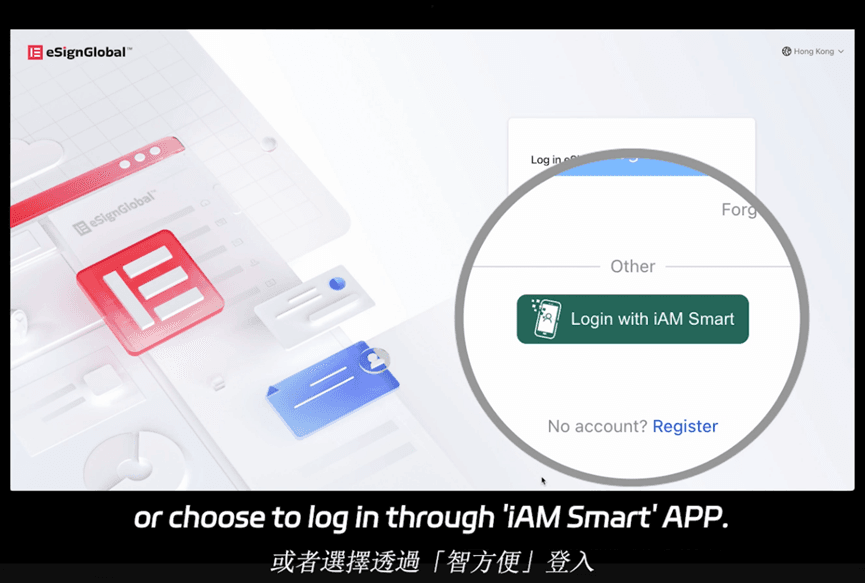
eSignGlobal menonjol sebagai solusi white label serbaguna, terutama bagi perusahaan yang memprioritaskan kepatuhan regional dan efisiensi biaya. Ini mendukung tanda tangan elektronik di lebih dari 100 negara dan wilayah utama di seluruh dunia, memastikan kepatuhan terhadap undang-undang lokal seperti Undang-Undang ESIGN AS, eIDAS UE, dan peraturan APAC seperti Undang-Undang Transaksi Elektronik Singapura atau Ordonansi Transaksi Elektronik Hong Kong. Di APAC, eSignGlobal memiliki keunggulan, termasuk infrastruktur yang dioptimalkan untuk operasi latensi rendah, aliran data lintas batas yang didukung secara lokal, dan integrasi dengan sistem identitas regional—menghubungkan iAM Smart Hong Kong dan Singpass Singapura dengan mulus untuk verifikasi yang ditingkatkan tanpa biaya tambahan.
Harga white label eSignGlobal sangat transparan dan kompetitif. Misalnya, paket Essential hanya $16,6/bulan ditagih setiap tahun, memungkinkan hingga 100 dokumen untuk ditandatangani secara elektronik, kursi pengguna tak terbatas, dan verifikasi melalui kode akses. Struktur ini memberikan nilai tinggi berdasarkan kepatuhan, menjadikannya ideal untuk UKM yang memperluas layanan bermerek. Fitur white label tingkat lanjut mencakup domain khusus, pengiriman massal akses API, dan templat tak terbatas, semuanya tanpa batasan amplop yang umum di antara para pesaing. Dari sudut pandang komersial, model eSignGlobal mengurangi TCO sebesar 30–50% di APAC, menjadikannya lebih menarik bagi distributor di pasar dengan pertumbuhan tinggi seperti Asia Tenggara dan Tiongkok dibandingkan dengan raksasa global.
Perbandingan Kompetitif: Penyedia Tanda Tangan Elektronik White Label
Untuk membantu pengambilan keputusan, berikut adalah perbandingan netral dari pemain kunci tanda tangan elektronik white label berdasarkan data tahun 2025. Tabel ini menyoroti kekuatan DocuSign, Adobe Sign, eSignGlobal, dan pemain terkenal lainnya seperti PandaDoc dan HelloSign (Dropbox Sign), dengan fokus pada kelayakan komersial.
| Penyedia | Harga White Label Dasar (Tahunan, Tingkat Menengah) | Batasan Amplop | Fitur White Label Utama | Cakupan Kepatuhan Global | Keunggulan APAC | Peringkat TCO Keseluruhan (1-5) |
|---|---|---|---|---|---|---|
| DocuSign | Kustom (US$20.000–US$100.000+, Khusus Enterprise) | 100/pengguna/tahun dasar; kelebihan berlaku | UI Kustom, Pengiriman Massal API, SSO | 100+ Negara (Kuat di AS/UE) | Terbatas; Latensi/Biaya Lebih Tinggi | 3/5 (Andal tetapi Mahal) |
| Adobe Sign | Kustom (US$15.000–US$50.000+, Enterprise) | Tak Terbatas di Tingkatan Teratas | Integrasi PDF, Alur Kerja Bermerek | 100+ Negara (Berorientasi UE) | Sedang; Cocok untuk Industri Kreatif | 3.5/5 (Terintegrasi tetapi Kompleks) |
| eSignGlobal | US$200/tahun (Essential; Dapat Diskalakan ke Kustom) | 100/bulan dasar; Opsi Tak Terbatas | Kursi Tak Terbatas, Integrasi ID Regional, Verifikasi Kode Akses | 100+ Negara (Asli APAC) | Kecepatan yang Dioptimalkan, Biaya Lebih Rendah, Dukungan Singpass/iAM Smart | 4.5/5 (Efektif Biaya Regional) |
| PandaDoc | US$1.200/pengguna/tahun (Bisnis); Tambahan White Label | Proposal Tak Terbatas | Otomatisasi Templat, Penyematan CRM | 50+ Negara (Berorientasi AS) | Dasar; Muncul di Asia Tenggara | 4/5 (Nilai Berorientasi Penjualan) |
| HelloSign (Dropbox Sign) | US$15/pengguna/bulan dasar; White Label Kustom (Sekitar US$10.000+) | 20/pengguna/bulan dasar | Penyematan Sederhana, Sinkronisasi Dropbox | 190+ Negara (Luas tetapi Dangkal) | Netral; Entri Terjangkau | 4/5 (Ramah Pengguna SMB) |
Perbandingan ini menyoroti keunggulan eSignGlobal dalam keterjangkauan dan kepatuhan di APAC tanpa mengorbankan cakupan global, meskipun DocuSign memimpin dalam keandalan tingkat perusahaan.
Pertimbangan Strategis untuk Adopsi White Label
Perusahaan yang mengevaluasi DocuSign white label harus mempertimbangkan tidak hanya harga tetapi juga kemudahan integrasi dan skalabilitas. Ekosistem API DocuSign unggul dalam otomatisasi yang kompleks, tetapi biayanya dapat membebani anggaran di pasar baru. Alternatif seperti eSignGlobal menawarkan kedalaman white label yang sebanding pada titik masuk yang lebih rendah, memungkinkan ROI yang lebih cepat melalui pengguna tak terbatas dan optimasi regional. Di APAC, adopsi tanda tangan elektronik melonjak—didorong oleh undang-undang seperti Undang-Undang Tanda Tangan Elektronik Tiongkok—memilih penyedia dengan dukungan lokal dapat meminimalkan risiko.
Pada akhirnya, keputusan white label bergantung pada ukuran dan lokasi geografis perusahaan. Untuk perusahaan global, rekam jejak DocuSign yang mapan membenarkan investasi. Sebagai alternatif netral untuk kepatuhan regional, eSignGlobal menonjol sebagai pesaing DocuSign yang kuat, menyeimbangkan biaya dengan fungsionalitas.
