
'%3e%3cpath%20fill-rule='evenodd'%20clip-rule='evenodd'%20d='M6.99935%2012.8327C10.221%2012.8327%2012.8327%2010.221%2012.8327%206.99935C12.8327%203.77769%2010.221%201.16602%206.99935%201.16602C3.77769%201.16602%201.16602%203.77769%201.16602%206.99935C1.16602%2010.221%203.77769%2012.8327%206.99935%2012.8327Z'%20stroke='%23666666'%20stroke-linecap='round'%20stroke-linejoin='round'/%3e%3cpath%20d='M1.16602%207H12.8327'%20stroke='%23666666'%20stroke-linecap='round'%20stroke-linejoin='round'/%3e%3cpath%20fill-rule='evenodd'%20clip-rule='evenodd'%20d='M6.99935%2012.8327C8.28802%2012.8327%209.33268%2010.221%209.33268%206.99935C9.33268%203.77769%208.28802%201.16602%206.99935%201.16602C5.71068%201.16602%204.66602%203.77769%204.66602%206.99935C4.66602%2010.221%205.71068%2012.8327%206.99935%2012.8327Z'%20stroke='%23666666'%20stroke-linecap='round'%20stroke-linejoin='round'/%3e%3cpath%20d='M2.875%202.95898C3.93063%204.01461%205.38896%204.66754%206.99978%204.66754C8.61062%204.66754%2010.069%204.01461%2011.1246%202.95898'%20stroke='%23666666'%20stroke-linecap='round'%20stroke-linejoin='round'/%3e%3cpath%20d='M11.1246%2011.0425C10.069%209.98691%208.61062%209.33398%206.99978%209.33398C5.38896%209.33398%203.93063%209.98691%202.875%2011.0425'%20stroke='%23666666'%20stroke-linecap='round'%20stroke-linejoin='round'/%3e%3c/g%3e%3cdefs%3e%3cclipPath%20id='clip0_1267_9109'%3e%3crect%20width='14'%20height='14'%20fill='white'/%3e%3c/clipPath%3e%3c/defs%3e%3c/svg%3e)


docusign pricing for accountants


Why Accountants Are Turning to Electronic Signatures in 2025
In the fast-paced world of accounting, efficiency is key. Accountants handle a high volume of documents—from tax forms and financial agreements to client contracts—that require secure, legally binding signatures. Electronic signature platforms like DocuSign streamline these processes, reducing paperwork and turnaround times while ensuring compliance with industry standards. For accountants, the right tool not only saves time but also minimizes errors and enhances client trust. As businesses increasingly adopt digital workflows, understanding pricing structures becomes essential for budgeting and selecting cost-effective solutions.

DocuSign Pricing Breakdown for Accountants
DocuSign remains a dominant player in the electronic signature market, offering robust features tailored to professional services like accounting. Its pricing model is tiered, focusing on user seats, envelope volumes (each envelope represents a document or set of documents for signing), and add-ons for advanced compliance needs. For accountants, who often deal with sensitive financial data, DocuSign's emphasis on audit trails, encryption, and integration with tools like QuickBooks or Xero makes it appealing. However, costs can add up quickly for firms with multiple users or high-volume sending.
Core eSignature Plans and Their Relevance to Accounting Firms
DocuSign's eSignature plans start with the Personal tier at $10 per month (or $120 annually), limited to one user and five envelopes monthly. This suits solo accountants or freelancers handling occasional client agreements but falls short for firms needing team collaboration.
The Standard plan, priced at $25 per user per month ($300 annually), supports up to 50 users and includes about 100 envelopes per user per year on an annual plan. Key features like shared templates, comments, and reminders are invaluable for accounting teams reviewing financial statements or NDAs collaboratively. Reminders automate follow-ups on unsigned tax extensions, saving administrative hours.
Business Pro, at $40 per user per month ($480 annually), builds on Standard with tools like web forms, conditional logic, bulk send, and payment collection—critical for accountants processing invoices or batch-signing annual reports. Bulk send, for instance, allows sending the same compliance form to multiple clients simultaneously, a boon during tax season. Envelope limits remain around 100 per user annually, but overages incur extra fees.
For larger firms, Enhanced or Enterprise plans require custom quotes, often starting above $480 per user annually, incorporating SSO, advanced governance, and premium support. Accountants in regulated environments benefit from these for HIPAA or SOX compliance, though pricing scales with volume and seats.
Add-Ons and API Costs for Advanced Accounting Workflows
Accountants frequently need extras like Identity Verification (IDV), which adds metered costs for biometric checks or SMS authentication—essential for verifying client identities on high-stakes documents like audits. SMS delivery for notifications carries per-message fees, varying by region.
DocuSign's Developer API plans cater to firms integrating signatures into custom accounting software. The Starter API at $600 annually offers 40 envelopes monthly, suitable for basic automations like auto-signing expense reports. Intermediate ($3,600/year) and Advanced ($5,760/year) unlock bulk API sends and webhooks, ideal for scaling operations. Enterprise API is bespoke, often exceeding $10,000 annually for high-volume firms.
Overall, a mid-sized accounting firm with five users on Business Pro might face $12,000 annually base, plus $1,000–$2,000 in add-ons for IDV and API use. Automation sends (e.g., bulk or forms) are capped at around 10–100 per user monthly, regardless of plan, to prevent abuse. For accountants, this structure promotes efficiency but requires careful envelope management to avoid surprise costs.
Pricing factors like seat-based licensing and regional compliance (e.g., higher fees in APAC for data residency) can inflate totals. In the US, where most accounting firms operate, DocuSign aligns seamlessly with the ESIGN Act of 2000 and UETA, which grant electronic signatures the same legal weight as wet-ink ones for interstate commerce. This ensures tax filings and contracts are enforceable without disputes. Internationally, compliance varies; for example, the EU's eIDAS regulation demands qualified electronic signatures for certain legal acts, which DocuSign supports via add-ons, though at a premium.

Legal Landscape for Electronic Signatures in Accounting
For US-based accountants, the ESIGN Act and UETA provide a strong foundation, validating digital signatures for most financial documents as long as they demonstrate intent, consent, and auditability. This covers everything from client engagement letters to IRS submissions. However, sectors like estate planning may still require notarization, where DocuSign's remote online notarization add-on (extra cost) bridges the gap.
In regions like the EU or APAC, regulations tighten. GDPR in Europe mandates data protection, while Singapore's Electronic Transactions Act mirrors ESIGN but emphasizes local data storage. Accountants serving global clients must verify platform compliance to avoid penalties, influencing pricing choices toward tools with built-in regional support.
Comparing DocuSign with Key Competitors
While DocuSign sets the benchmark, alternatives like Adobe Sign and eSignGlobal offer varying value propositions for accountants. A balanced comparison helps firms weigh costs against features like integration, compliance, and scalability.
Adobe Sign, integrated within Adobe Acrobat ecosystem, appeals to accountants already using PDF tools. Pricing starts at $22.99 per user monthly (billed annually), with tiers up to Enterprise (custom). It offers unlimited envelopes in higher plans but caps templates and storage. Strengths include seamless Acrobat workflows for editing financial docs, but add-ons for SMS or advanced routing add $5–$10 per user. For accounting, its payment integrations shine for invoice signing, though API access requires higher tiers starting at $39.99 monthly.

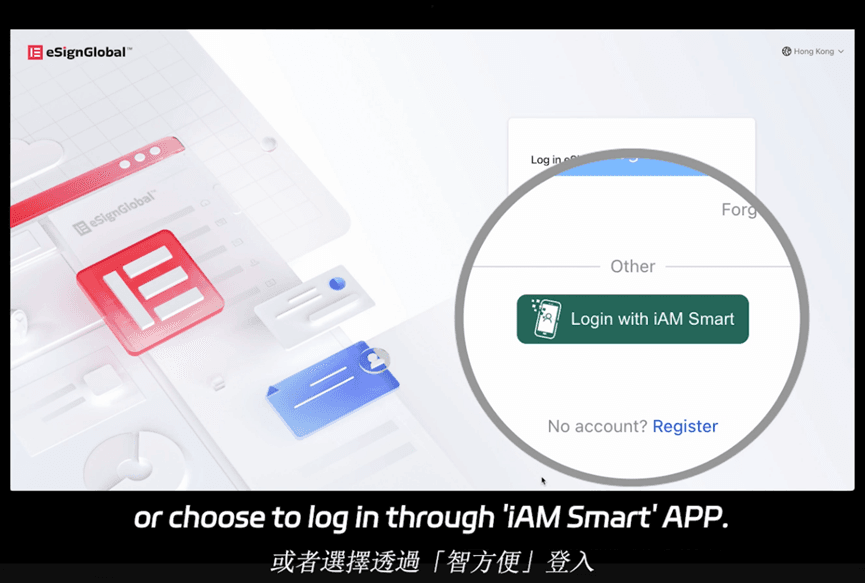
eSignGlobal positions itself as a compliant, cost-effective option, particularly for firms with APAC exposure. It supports electronic signatures in over 100 mainstream countries and regions globally, ensuring adherence to local laws like the US ESIGN Act, EU eIDAS, and Asian frameworks. In the Asia-Pacific, it excels with optimized speed, regional data residency, and integrations like Hong Kong's iAM Smart and Singapore's Singpass for seamless identity verification. This reduces latency issues common in cross-border accounting.
Pricing is transparent and competitive; the Essential plan costs just $16.6 per month, allowing up to 100 documents for signing, unlimited user seats, and access code verification for security. Higher tiers scale affordably, emphasizing value without envelope caps that plague competitors. For details, explore their pricing page. This setup delivers high cost-performance, especially for accountants handling international audits or multi-jurisdictional filings.
Other competitors include Dropbox Sign (formerly HelloSign) at $15–$25 per user monthly for basic unlimited signing, strong on simplicity but weaker in advanced compliance. PandaDoc, geared toward sales-accounting hybrids, starts at $19 per user with templates and analytics, though it's pricier for pure e-sign needs.
| Feature/Aspect | DocuSign | Adobe Sign | eSignGlobal | Dropbox Sign | PandaDoc |
|---|---|---|---|---|---|
| Starting Price (per user/month, annual) | $10 (Personal, limited) | $22.99 | $16.6 (Essential, unlimited seats) | $15 | $19 |
| Envelope Limits | 5–100/user/year (capped) | Unlimited in Pro+ | Up to 100 docs (scalable) | Unlimited basic | Unlimited with analytics |
| Compliance (Global/APAC) | Strong US/EU; APAC add-ons | US/EU focus; limited APAC | 100+ countries; APAC native (e.g., iAM Smart integration) | Basic global | US-centric |
| Key Accounting Features | Bulk send, payments, API | PDF editing, payments | Access code verify, unlimited users, regional speed | Simple templates | Proposals + e-sign |
| API/Integrations | Robust (extra cost) | Acrobat-native | Flexible, cost-effective | Basic | CRM-focused |
| Best For Accountants | High-volume US firms | PDF-heavy workflows | APAC/global compliance on budget | Small teams | Sales-finance hybrids |
This table highlights eSignGlobal's edge in affordability and regional compliance without overcomplicating setups, though DocuSign leads in enterprise-scale features.
Final Thoughts on Choosing the Right Platform
Accountants evaluating DocuSign pricing should align costs with workflow needs, factoring in compliance and scalability. For firms prioritizing US-centric operations, DocuSign delivers reliability. As an alternative, eSignGlobal stands out for regional compliance, offering a practical choice for global or APAC-focused practices.
FAQs
