
'%3e%3cpath%20fill-rule='evenodd'%20clip-rule='evenodd'%20d='M6.99935%2012.8327C10.221%2012.8327%2012.8327%2010.221%2012.8327%206.99935C12.8327%203.77769%2010.221%201.16602%206.99935%201.16602C3.77769%201.16602%201.16602%203.77769%201.16602%206.99935C1.16602%2010.221%203.77769%2012.8327%206.99935%2012.8327Z'%20stroke='%23666666'%20stroke-linecap='round'%20stroke-linejoin='round'/%3e%3cpath%20d='M1.16602%207H12.8327'%20stroke='%23666666'%20stroke-linecap='round'%20stroke-linejoin='round'/%3e%3cpath%20fill-rule='evenodd'%20clip-rule='evenodd'%20d='M6.99935%2012.8327C8.28802%2012.8327%209.33268%2010.221%209.33268%206.99935C9.33268%203.77769%208.28802%201.16602%206.99935%201.16602C5.71068%201.16602%204.66602%203.77769%204.66602%206.99935C4.66602%2010.221%205.71068%2012.8327%206.99935%2012.8327Z'%20stroke='%23666666'%20stroke-linecap='round'%20stroke-linejoin='round'/%3e%3cpath%20d='M2.875%202.95898C3.93063%204.01461%205.38896%204.66754%206.99978%204.66754C8.61062%204.66754%2010.069%204.01461%2011.1246%202.95898'%20stroke='%23666666'%20stroke-linecap='round'%20stroke-linejoin='round'/%3e%3cpath%20d='M11.1246%2011.0425C10.069%209.98691%208.61062%209.33398%206.99978%209.33398C5.38896%209.33398%203.93063%209.98691%202.875%2011.0425'%20stroke='%23666666'%20stroke-linecap='round'%20stroke-linejoin='round'/%3e%3c/g%3e%3cdefs%3e%3cclipPath%20id='clip0_1267_9109'%3e%3crect%20width='14'%20height='14'%20fill='white'/%3e%3c/clipPath%3e%3c/defs%3e%3c/svg%3e)


Prezzi di DocuSign per i commercialisti


Perché i commercialisti passeranno alla firma elettronica nel 2025
Nel frenetico campo della contabilità, l'efficienza è fondamentale. I commercialisti devono gestire un volume significativo di documenti, dai moduli fiscali e dagli accordi finanziari ai contratti con i clienti, che richiedono tutti firme sicure e legalmente vincolanti. Le piattaforme di firma elettronica come DocuSign semplificano questi processi, riducendo il lavoro cartaceo e i tempi di consegna, garantendo al contempo la conformità agli standard del settore. Per i commercialisti, lo strumento giusto non solo fa risparmiare tempo, ma riduce anche gli errori e aumenta la fiducia dei clienti. Poiché sempre più aziende adottano flussi di lavoro digitali, comprendere le strutture dei prezzi diventa essenziale per la definizione del budget e la selezione di soluzioni economicamente vantaggiose.

Una ripartizione dei prezzi di DocuSign per i commercialisti
DocuSign rimane un leader nel mercato delle firme elettroniche, offrendo solide funzionalità su misura per i servizi professionali come la contabilità. Il suo modello di prezzo è a livelli, incentrato sui posti utente, sul volume di buste (ogni busta rappresenta un documento o un gruppo di documenti da firmare) e sulle funzionalità aggiuntive per esigenze di conformità avanzate. Per i commercialisti che gestiscono regolarmente dati finanziari sensibili, l'enfasi di DocuSign sulle tracce di controllo, sulla crittografia e sull'integrazione con strumenti come QuickBooks o Xero lo rende interessante. Tuttavia, i costi possono aumentare rapidamente per le aziende con più utenti o con volumi di invio elevati.
Piani eSignature principali e loro rilevanza per le società di contabilità
I piani eSignature di DocuSign partono dal livello Personal a 10 dollari al mese (o 120 dollari all'anno), limitato a un utente e a cinque buste al mese. Questo è adatto ai commercialisti individuali o ai freelance che gestiscono occasionalmente accordi con i clienti, ma non è sufficiente per le società che richiedono la collaborazione di gruppo.
Il piano Standard, a 25 dollari al mese per utente (300 dollari all'anno), supporta fino a 50 utenti e include circa 100 buste all'anno per utente nel piano annuale. Le funzionalità chiave come i modelli condivisi, i commenti e i promemoria sono preziose per i team di contabilità che esaminano i rendiconti finanziari o gli NDA. La funzione di promemoria può seguire automaticamente le richieste di proroga fiscale non firmate, risparmiando tempo amministrativo.
Il piano Business Pro, a 40 dollari al mese per utente (480 dollari all'anno), si basa sullo Standard aggiungendo strumenti come moduli web, logica condizionale, invii in blocco e raccolta di pagamenti, essenziali per i commercialisti che gestiscono fatture o firmano in blocco relazioni annuali. Ad esempio, la funzione di invio in blocco consente di inviare simultaneamente lo stesso modulo di conformità a più clienti, un enorme vantaggio durante la stagione fiscale. I limiti delle buste rimangono a circa 100 all'anno per utente, ma l'uso eccessivo comporta costi aggiuntivi.
Per le società più grandi, i piani Enhanced o Enterprise richiedono preventivi personalizzati, in genere superiori a 480 dollari all'anno per utente, e includono SSO, governance avanzata e supporto premium. I commercialisti che operano in ambienti regolamentati traggono vantaggio da questi piani per la conformità HIPAA o SOX, anche se i prezzi variano in base al volume e alle dimensioni dei posti.
Funzionalità aggiuntive e costi API per flussi di lavoro contabili avanzati
I commercialisti hanno spesso bisogno di funzionalità aggiuntive come la verifica dell'identità (IDV), che aggiunge costi a consumo per i controlli biometrici o l'autenticazione via SMS, essenziali per la verifica dell'identità dei clienti in documenti ad alto rischio come le revisioni contabili. L'invio di SMS per le notifiche comporta costi per messaggio, che variano in base alla regione.
I piani Developer API di DocuSign sono destinati alle società che integrano le firme nel software di contabilità personalizzato. La Starter API costa 600 dollari all'anno e offre 40 buste al mese, adatte per l'automazione di base come la firma automatica delle note spese. I piani Intermediate (3.600 dollari all'anno) e Advanced (5.760 dollari all'anno) sbloccano l'invio API in blocco e i webhook, adatti per operazioni in scala. L'Enterprise API è personalizzata e in genere costa più di 10.000 dollari all'anno per le società ad alto volume.
Nel complesso, una società di contabilità di medie dimensioni con cinque utenti che utilizzano il piano Business Pro potrebbe affrontare una spesa di base di 12.000 dollari all'anno, più 1.000-2.000 dollari di costi aggiuntivi per l'IDV e l'utilizzo dell'API. Gli invii automatizzati (come quelli in blocco o tramite moduli) sono limitati a circa 10-100 al mese per utente, indipendentemente dal piano, per evitare abusi. Per i commercialisti, questa struttura promuove l'efficienza, ma richiede un'attenta gestione delle buste per evitare costi imprevisti.
Fattori di prezzo come le licenze basate sui posti e la conformità regionale (ad esempio, l'Asia-Pacifico comporta costi più elevati per la residenza dei dati) possono aumentare il totale. Negli Stati Uniti, dove opera la maggior parte delle società di contabilità, DocuSign si integra perfettamente con l'ESIGN Act del 2000 e l'UETA, che conferiscono alle firme elettroniche la stessa validità legale delle firme a inchiostro per il commercio interstatale. Ciò garantisce l'esecutività delle dichiarazioni dei redditi e dei contratti senza contestazioni. A livello internazionale, la conformità varia; ad esempio, il regolamento eIDAS dell'UE richiede firme elettroniche qualificate per alcuni atti legali, che DocuSign supporta tramite componenti aggiuntivi a un costo aggiuntivo.

Il panorama legale delle firme elettroniche in contabilità
Per i commercialisti negli Stati Uniti, l'ESIGN Act e l'UETA forniscono una solida base, convalidando la maggior parte dei documenti finanziari a condizione che le firme digitali dimostrino intenzione, consenso e verificabilità. Ciò copre tutto, dalle lettere di incarico dei clienti alle presentazioni all'IRS. Tuttavia, aree come la pianificazione patrimoniale possono ancora richiedere la autenticazione notarile, che il componente aggiuntivo di autenticazione notarile online remota di DocuSign (a un costo aggiuntivo) può colmare.
In regioni come l'UE o l'Asia-Pacifico, le normative sono più rigorose. Il GDPR europeo impone la protezione dei dati, mentre la legge sulle transazioni elettroniche di Singapore è simile all'ESIGN, ma enfatizza l'archiviazione dei dati locali. I commercialisti che servono clienti a livello globale devono verificare la conformità della piattaforma per evitare sanzioni, il che influisce sulle scelte di prezzo, orientandosi verso strumenti con supporto regionale integrato.
Confronto tra DocuSign e i principali concorrenti
Sebbene DocuSign stabilisca il punto di riferimento, alternative come Adobe Sign ed eSignGlobal offrono diverse proposte di valore per i commercialisti. Un confronto equilibrato aiuta le società a valutare i costi rispetto a funzionalità come integrazione, conformità e scalabilità.
Adobe Sign, integrato nell'ecosistema Adobe Acrobat, attrae i commercialisti che già utilizzano strumenti PDF. I prezzi partono da 22,99 dollari al mese per utente (fatturati annualmente) per i livelli inferiori fino a Enterprise (personalizzato). Offre buste illimitate nei piani superiori, ma limita i modelli e l'archiviazione. I vantaggi includono flussi di lavoro Acrobat fluidi per la modifica di documenti finanziari, ma i componenti aggiuntivi per SMS o routing avanzato aggiungono 5-10 dollari per utente. Per la contabilità, la sua integrazione dei pagamenti eccelle nella firma delle fatture, anche se l'accesso all'API richiede un livello superiore a partire da 39,99 dollari al mese.

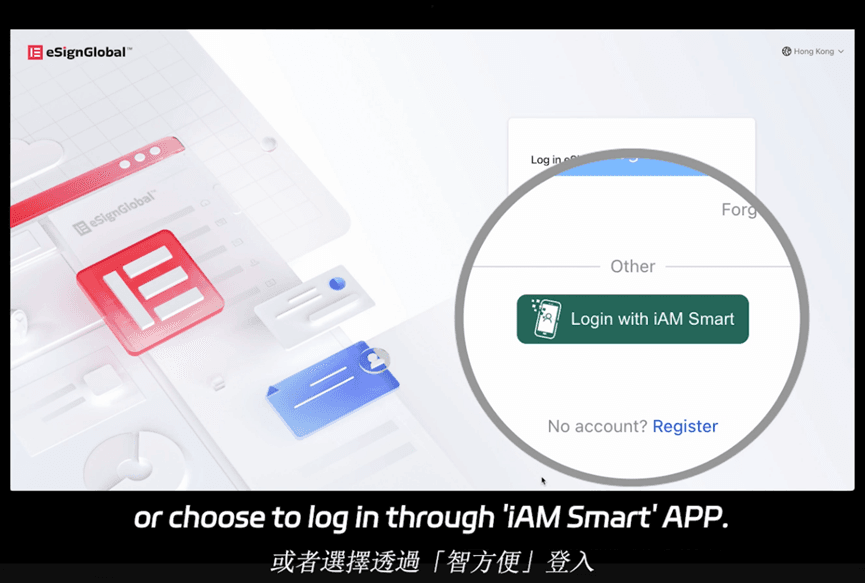
eSignGlobal si posiziona come un'opzione conforme ed economica, in particolare per le società con esposizione all'Asia-Pacifico. Supporta le firme elettroniche in oltre 100 paesi e regioni principali a livello globale, garantendo la conformità alle leggi locali come l'ESIGN Act negli Stati Uniti, l'eIDAS nell'UE e i framework asiatici. Nell'Asia-Pacifico, si distingue per la velocità ottimizzata, la residenza dei dati regionale e le integrazioni con iAM Smart di Hong Kong e Singpass di Singapore per un'autenticazione fluida. Ciò riduce i problemi di latenza comuni nella contabilità transfrontaliera.
I prezzi sono trasparenti e competitivi; il piano Essential costa solo 16,6 dollari al mese, consentendo fino a 100 documenti da firmare, posti utente illimitati e accesso alla verifica del codice di accesso per la sicurezza. I livelli superiori si scalano in modo conveniente, enfatizzando il valore senza limiti di buste che affliggono i concorrenti. I dettagli sono disponibili sulla loro pagina dei prezzi. Questa configurazione offre un elevato rapporto qualità-prezzo, in particolare per i commercialisti che gestiscono revisioni contabili internazionali o dichiarazioni in più giurisdizioni.
Altri concorrenti includono Dropbox Sign (precedentemente HelloSign), a 15-25 dollari al mese per utente, che offre firme di base illimitate, con una forte enfasi sulla semplicità ma una conformità avanzata più debole. PandaDoc si rivolge a un ibrido vendite-contabilità, a partire da 19 dollari per utente, offrendo modelli e analisi, anche se più costoso per le sole esigenze di firma elettronica.
| Funzionalità/Aspetto | DocuSign | Adobe Sign | eSignGlobal | Dropbox Sign | PandaDoc |
|---|---|---|---|---|---|
| Prezzo di partenza (per utente/mese, annuale) | 10 dollari (Personale, limitato) | 22,99 dollari | 16,6 dollari (Essential, posti illimitati) | 15 dollari | 19 dollari |
| Limiti di buste | 5-100/utente/anno (limiti) | Illimitate in Pro+ | Fino a 100 documenti (scalabile) | Base illimitata | Illimitate con analisi |
| Conformità (globale/Asia-Pacifico) | Forte negli Stati Uniti/UE; componenti aggiuntivi per l'Asia-Pacifico | Focus Stati Uniti/UE; limitato in Asia-Pacifico | Oltre 100 paesi; nativo in Asia-Pacifico (ad esempio, integrazione iAM Smart) | Globale di base | Centrato sugli Stati Uniti |
| Funzionalità chiave per la contabilità | Invio in blocco, pagamenti, API | Modifica PDF, pagamenti | Verifica del codice di accesso, utenti illimitati, velocità regionale | Modelli semplici | Proposta + firma elettronica |
| API/Integrazioni | Robuste (costi aggiuntivi) | Nativo di Acrobat | Flessibili, economiche | Di base | Focus CRM |
| Ideale per i commercialisti | Società statunitensi ad alto volume | Flussi di lavoro ad alta intensità di PDF | Conformità Asia-Pacifico/globale con budget | Piccoli team | Ibrido vendite-finanza |
Questa tabella evidenzia i vantaggi di eSignGlobal in termini di convenienza e conformità regionale senza complicare eccessivamente la configurazione, anche se DocuSign rimane in testa per le funzionalità di livello aziendale.
Considerazioni finali sulla scelta della piattaforma giusta
I commercialisti che valutano i prezzi di DocuSign dovrebbero allineare i costi alle esigenze del flusso di lavoro, tenendo conto della conformità e della scalabilità. Per le società che danno la priorità alle operazioni incentrate sugli Stati Uniti, DocuSign offre affidabilità. In alternativa, eSignGlobal si distingue per la conformità regionale, offrendo un'opzione praticabile per le pratiche globali o incentrate sull'Asia-Pacifico.
