
'%3e%3cpath%20fill-rule='evenodd'%20clip-rule='evenodd'%20d='M6.99935%2012.8327C10.221%2012.8327%2012.8327%2010.221%2012.8327%206.99935C12.8327%203.77769%2010.221%201.16602%206.99935%201.16602C3.77769%201.16602%201.16602%203.77769%201.16602%206.99935C1.16602%2010.221%203.77769%2012.8327%206.99935%2012.8327Z'%20stroke='%23666666'%20stroke-linecap='round'%20stroke-linejoin='round'/%3e%3cpath%20d='M1.16602%207H12.8327'%20stroke='%23666666'%20stroke-linecap='round'%20stroke-linejoin='round'/%3e%3cpath%20fill-rule='evenodd'%20clip-rule='evenodd'%20d='M6.99935%2012.8327C8.28802%2012.8327%209.33268%2010.221%209.33268%206.99935C9.33268%203.77769%208.28802%201.16602%206.99935%201.16602C5.71068%201.16602%204.66602%203.77769%204.66602%206.99935C4.66602%2010.221%205.71068%2012.8327%206.99935%2012.8327Z'%20stroke='%23666666'%20stroke-linecap='round'%20stroke-linejoin='round'/%3e%3cpath%20d='M2.875%202.95898C3.93063%204.01461%205.38896%204.66754%206.99978%204.66754C8.61062%204.66754%2010.069%204.01461%2011.1246%202.95898'%20stroke='%23666666'%20stroke-linecap='round'%20stroke-linejoin='round'/%3e%3cpath%20d='M11.1246%2011.0425C10.069%209.98691%208.61062%209.33398%206.99978%209.33398C5.38896%209.33398%203.93063%209.98691%202.875%2011.0425'%20stroke='%23666666'%20stroke-linecap='round'%20stroke-linejoin='round'/%3e%3c/g%3e%3cdefs%3e%3cclipPath%20id='clip0_1267_9109'%3e%3crect%20width='14'%20height='14'%20fill='white'/%3e%3c/clipPath%3e%3c/defs%3e%3c/svg%3e)


ค่าใช้จ่ายเพิ่มเติมสำหรับการสร้างแบรนด์บน DocuSign


ทำความเข้าใจการสร้างแบรนด์เพิ่มเติมใน DocuSign
ในภูมิทัศน์การแข่งขันของแพลตฟอร์มลายเซ็นอิเล็กทรอนิกส์ ธุรกิจต่างๆ มักจะมองหาวิธีปรับแต่งเครื่องมือให้สอดคล้องกับเอกลักษณ์ของแบรนด์ การสร้างแบรนด์เพิ่มเติมใน DocuSign หมายถึงคุณสมบัติที่ช่วยให้ผู้ใช้ปรับแต่งประสบการณ์การลงนาม เช่น โลโก้ สี แบบอักษร และเทมเพลตอีเมลที่กำหนดเอง ซึ่งเหนือกว่าฟังก์ชันพื้นฐาน สร้างอินเทอร์เฟซที่ราบรื่นและเป็นมืออาชีพ ซึ่งสะท้อนถึงเอกลักษณ์ทางภาพของบริษัท เพิ่มความน่าเชื่อถือและการมีส่วนร่วมของผู้ใช้ในกระบวนการลงนามเอกสาร
ค่าใช้จ่ายในการสร้างแบรนด์เพิ่มเติมใน DocuSign ไม่ใช่ค่าธรรมเนียมแบบสแตนด์อโลน แต่รวมอยู่ในแผนระดับสูงกว่าหรือมีให้เป็นส่วนเสริม สำหรับผู้ใช้ระดับเริ่มต้นในแผน Personal (10 ดอลลาร์/เดือน หรือ 120 ดอลลาร์/ปี) ตัวเลือกการสร้างแบรนด์จะจำกัดอยู่เพียงการปรับแต่งเทมเพลตพื้นฐาน โดยไม่รวมการปรับแต่งขั้นสูง การอัปเกรดเป็นแผน Standard (25 ดอลลาร์/ผู้ใช้/เดือน หรือ 300 ดอลลาร์/ผู้ใช้/ปี) ช่วยให้ผู้ใช้เข้าถึงเทมเพลตที่แชร์และการตรวจสอบร่วมกัน แต่การสร้างแบรนด์แบบเต็มรูปแบบต้องใช้ระดับ Business Pro (40 ดอลลาร์/ผู้ใช้/เดือน หรือ 480 ดอลลาร์/ผู้ใช้/ปี) ที่นี่ คุณสมบัติต่างๆ เช่น การสร้างแบรนด์ที่กำหนดเองบนซองจดหมาย พอร์ทัลผู้ลงนาม และการแจ้งเตือน จะพร้อมใช้งาน ทำให้บริษัทต่างๆ สามารถฝังโลโก้ในคำขอลงนามและใบรับรองการดำเนินการได้
สำหรับการปรับแต่งระดับองค์กร Advanced Solutions ของ DocuSign (ราคาตามความต้องการ) จะปลดล็อกเครื่องมือสร้างแบรนด์ขั้นสูง รวมถึงตัวเลือกไวท์เลเบล ซึ่งอินเทอร์เฟซ DocuSign สามารถเปลี่ยนแบรนด์ได้อย่างสมบูรณ์เพื่อเลียนแบบแพลตฟอร์มของบริษัทเอง สิ่งนี้มีประโยชน์อย่างยิ่งสำหรับองค์กรขนาดใหญ่ที่จัดการธุรกรรมจำนวนมาก เช่น บริษัทด้านบริการทางการเงินหรืออสังหาริมทรัพย์ อย่างไรก็ตาม คุณสมบัติเหล่านี้มาพร้อมกับข้อจำกัดของซองจดหมาย โดยแผนรายปีมักจะอยู่ที่ประมาณ 100 ซองต่อผู้ใช้ต่อปี และการเกินโควต้าจะทำให้เกิดค่าใช้จ่ายเพิ่มเติม
ราคาสำหรับส่วนเสริมที่เกี่ยวข้องกับการสร้างแบรนด์อาจแตกต่างกันไป การสร้างแบรนด์ส่วนท้ายของอีเมลหรือโดเมนที่กำหนดเอง (เช่น การส่งจากโดเมนย่อยเฉพาะของบริษัท) มักจะทำให้เกิดค่าธรรมเนียมตามปริมาณการใช้งาน โดยการปรับแต่งพื้นฐานเริ่มต้นที่ประมาณ 5–10 ดอลลาร์/ผู้ใช้/เดือน และเพิ่มขึ้นสำหรับการผสานรวมขั้นสูง เช่น การสร้างแบรนด์ที่ขับเคลื่อนด้วย API ในภูมิภาคต่างๆ เช่น APAC การปฏิบัติตามข้อกำหนดจะเพิ่มความซับซ้อน โดยการสร้างแบรนด์ต้องเป็นไปตามกฎระเบียบการเก็บรักษาข้อมูลในท้องถิ่น ซึ่งอาจเพิ่มต้นทุน 20–30% เนื่องจากการใช้เครื่องมือการกำกับดูแล ธุรกิจต่างๆ รายงานว่าแม้ว่าการสร้างแบรนด์ของ DocuSign จะช่วยเพิ่มความเป็นมืออาชีพ แต่ต้นทุนรวมในการเป็นเจ้าของ (TCO) อาจเพิ่มขึ้นอย่างมากสำหรับทีมขนาดเล็ก เนื่องจากแผนพื้นฐานไม่รวมการปรับแต่งแบบไม่จำกัด
จากมุมมองทางธุรกิจ DocuSign วางตำแหน่งการสร้างแบรนด์เพิ่มเติมเป็นบริการเสริมสำหรับธุรกิจขนาดกลางถึงขนาดใหญ่ โดยพิสูจน์ราคาพรีเมียมด้วยความปลอดภัยที่แข็งแกร่งและการปฏิบัติตามกฎระเบียบทั่วโลก อย่างไรก็ตาม สำหรับ SMB การใช้จ่ายนี้อาจเกินผลประโยชน์ หากการใช้งานยังคงต่ำ นักวิเคราะห์ชี้ให้เห็นว่า 40% ของผู้ใช้ DocuSign อัปเกรดเป็น Pro หรือสูงกว่าเพื่อการสร้างแบรนด์เท่านั้น แต่ค่าธรรมเนียมแอบแฝงสำหรับการปรับปรุง API หรือการตรวจสอบสิทธิ์ (ที่เกี่ยวข้องกับประสบการณ์การสร้างแบรนด์) อาจผลักดันต้นทุนรายปีให้สูงกว่า 1,000 ดอลลาร์ต่อผู้ใช้ โครงสร้างนี้ส่งเสริมการขายต่อ ดังนั้นจึงเป็นสิ่งสำคัญสำหรับผู้ซื้อในการประเมินความต้องการเทียบกับราคาที่ปรับขนาดได้

คุณสมบัติและต้นทุนการสร้างแบรนด์ของ DocuSign
DocuSign ในฐานะผู้นำด้านโซลูชัน eSignature นำเสนอคุณสมบัติการสร้างแบรนด์แบบแบ่งชั้น ซึ่งมุ่งเป้าไปที่ธุรกิจที่ต้องการลายเซ็นที่ขัดเกลาและสอดคล้องกับแบรนด์ ที่แกนหลัก เครื่องมือสร้างแบรนด์ของแพลตฟอร์มช่วยให้ปรับแต่งประสบการณ์ของผู้ลงนามได้ ตั้งแต่การฝังโลโก้ในเอกสารไปจนถึงการปรับแต่งอีเมลแจ้งเตือน ในแผน Business Pro ผู้ใช้สามารถใช้สีและแบบอักษรของแบรนด์กับแบบฟอร์มเว็บและฟิลด์แบบมีเงื่อนไข เพื่อให้มั่นใจถึงความสอดคล้องในการโต้ตอบกับลูกค้า สำหรับความต้องการขั้นสูงยิ่งขึ้น แผน Enterprise นำเสนอการสร้างแบรนด์ด้วยการผสานรวม SSO ช่วยให้เข้าถึงได้อย่างราบรื่นภายใต้โดเมนของบริษัท ซึ่งเหมาะอย่างยิ่งสำหรับอุตสาหกรรมที่มีการควบคุม
ด้านการเงินเชื่อมโยงอย่างใกล้ชิดกับการเลือกแผน การสร้างแบรนด์ขั้นพื้นฐานรวมอยู่ใน Business Pro (480 ดอลลาร์/ผู้ใช้/ปี) แต่ตัวเลือกขั้นสูง เช่น ไวท์เลเบลแบบเต็มรูปแบบหรือพอร์ทัลผู้ลงนามที่กำหนดเอง ต้องใช้ใบเสนอราคาที่กำหนดเอง ซึ่งมักจะเพิ่ม 10–20 ดอลลาร์ต่อผู้ใช้ต่อเดือน ปริมาณซองจดหมายมีบทบาท หากเกินขีดจำกัด ~100 ซอง/ปี จะทำให้เกิดค่าธรรมเนียมส่วนเกินที่ 0.50–1 ดอลลาร์ต่อซอง ซึ่งจะเพิ่มต้นทุนการสร้างแบรนด์สำหรับผู้ใช้ที่มีปริมาณมากโดยอ้อม ผู้ใช้ API ในแผน Advanced Developer (5760 ดอลลาร์/ปี) สามารถส่งการสร้างแบรนด์โดยอัตโนมัติผ่าน Bulk Send API แต่ต้องใช้โควต้าที่สูงขึ้น ซึ่งอาจเพิ่มค่าใช้จ่ายในการสร้างแบรนด์โดยอัตโนมัติเป็นสองเท่า
จากมุมมองทางธุรกิจ แนวทางของ DocuSign ในการสร้างแบรนด์เน้นที่ความสามารถในการปรับขนาดและการปฏิบัติตามข้อกำหนด โดยสนับสนุนมาตรฐาน eSignAct และ ESIGN ทั่วโลก อย่างไรก็ตาม ในตลาด APAC การปรับตัวในระดับภูมิภาคทำให้เกิดค่าใช้จ่ายเพิ่มเติม เช่น การสนับสนุนภาษาท้องถิ่นในเทมเพลตการสร้างแบรนด์ ซึ่งอาจเพิ่มค่าใช้จ่าย 15–25% ธุรกิจต้องชั่งน้ำหนักสิ่งเหล่านี้กับความน่าเชื่อถือของแพลตฟอร์ม เนื่องจากความขัดข้องในประสบการณ์การสร้างแบรนด์อาจส่งผลกระทบต่อความไว้วางใจของลูกค้า

Adobe Sign: คู่แข่งที่แข็งแกร่งในด้านการสร้างแบรนด์
Adobe Sign ซึ่งเป็นส่วนหนึ่งของ Adobe Document Cloud นำเสนอตัวเลือกการสร้างแบรนด์ที่แข็งแกร่ง พร้อมการผสานรวมอย่างราบรื่นกับเครื่องมือสร้างสรรค์ เช่น Photoshop สำหรับการออกแบบที่กำหนดเอง ผู้ใช้สามารถเริ่มต้นด้วยแผน Standard (9.99 ดอลลาร์/ผู้ใช้/เดือน เรียกเก็บเงินรายปี) เพื่อปรับแต่งซองจดหมายด้วยโลโก้บริษัท ฟิลด์ที่กำหนดเอง และใบรับรองการสร้างแบรนด์ การสร้างแบรนด์ขั้นสูง รวมถึงเวิร์กโฟลว์ที่กำหนดเองที่ขับเคลื่อนด้วย API จะถูกปลดล็อกในระดับ Enterprise (ราคาตามความต้องการ) ซึ่งรองรับประสบการณ์ไวท์เลเบลสำหรับการปรับใช้ขนาดใหญ่
จากมุมมองด้านต้นทุน การสร้างแบรนด์ของ Adobe Sign สามารถเข้าถึงได้ง่ายกว่าสำหรับผู้สร้างสรรค์ โดยการปรับแต่งขั้นพื้นฐานในแผนระดับกลางไม่มีค่าใช้จ่ายเพิ่มเติม อย่างไรก็ตาม คุณสมบัติขั้นสูง เช่น แอปมือถือที่สร้างแบรนด์หรือการผสานรวมกับ Adobe Analytics เพื่อติดตามเอกสารที่ลงนาม จะเพิ่ม 5–15 ดอลลาร์/ผู้ใช้ต่อเดือน ข้อจำกัดของซองจดหมายมีความยืดหยุ่นมากกว่า (สูงถึง 100 ต่อเดือนสำหรับแผนธุรกิจ) แต่ค่าธรรมเนียมส่วนเกินอยู่ที่ 1–2 ดอลลาร์ต่อซอง ซึ่งคล้ายกับ DocuSign จากมุมมองทางธุรกิจ Adobe Sign ดึงดูดอุตสาหกรรมที่เน้นการออกแบบ โดยให้คุณค่าที่ดีกว่าสำหรับทีมที่อยู่ในระบบนิเวศของ Adobe แล้ว แม้ว่าการปฏิบัติตามกฎระเบียบทั่วโลกอาจแตกต่างกันไป โดยต้องมีส่วนเสริมสำหรับกฎเฉพาะของ APAC

eSignGlobal: จุดเน้นระดับภูมิภาคพร้อมอิทธิพลระดับโลก
eSignGlobal โดดเด่นในฐานะผู้ให้บริการ eSignature ที่มีความสามารถรอบด้าน โดยเน้นที่การปฏิบัติตามข้อกำหนดและความสามารถในการจ่าย โดยเฉพาะอย่างยิ่งใน APAC รองรับลายเซ็นอิเล็กทรอนิกส์ที่สอดคล้องตามกฎระเบียบในกว่า 100 ประเทศและภูมิภาคหลักทั่วโลก โดยมีความแข็งแกร่งในเอเชียแปซิฟิก ซึ่งมีการประมวลผลที่รวดเร็วขึ้นและความหน่วงที่ต่ำกว่าเนื่องจากโครงสร้างพื้นฐานที่ปรับให้เหมาะสม สำหรับการสร้างแบรนด์ eSignGlobal อนุญาตให้ใช้โลโก้ ธีม และเทมเพลตอีเมลที่กำหนดเองในทุกแผน ทำให้ธุรกิจต่างๆ สามารถรักษาความสอดคล้องของแบรนด์ได้อย่างง่ายดาย โดยไม่มีข้อจำกัดแบบแบ่งชั้น
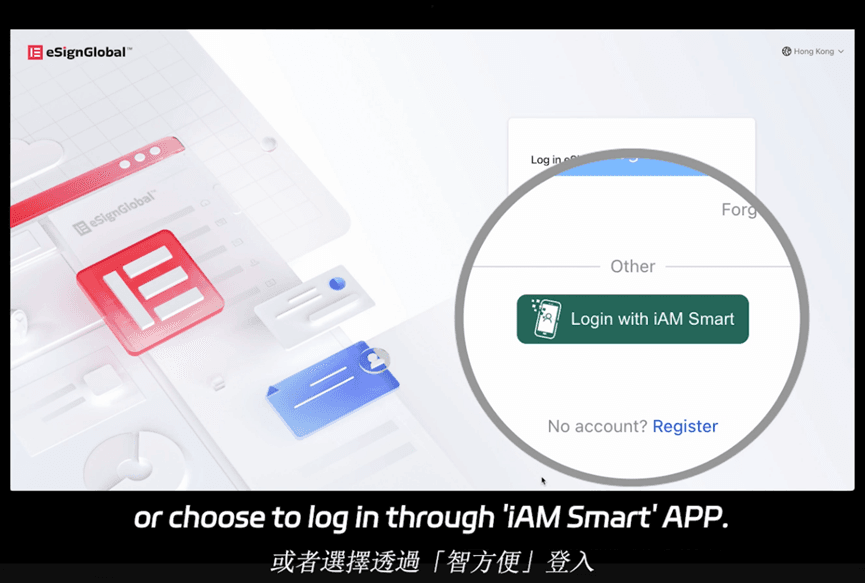
โครงสร้างราคาของแพลตฟอร์มเน้นย้ำถึงความคุ้มค่า ตัวอย่างเช่น แผน Essential มีราคาเพียง 16.6 ดอลลาร์/เดือน (หรือเทียบเท่ารายปี) รองรับเอกสารลายเซ็นอิเล็กทรอนิกส์สูงสุด 100 ฉบับ ที่นั่งผู้ใช้ไม่จำกัด และการตรวจสอบสิทธิ์ผ่านรหัสการเข้าถึง พร้อมทั้งรวมคุณสมบัติการสร้างแบรนด์ขั้นพื้นฐาน สำหรับการปรับแต่งขั้นสูง เช่น พอร์ทัลไวท์เลเบลหรือการผสานรวม API แผนที่สูงกว่าจะปรับขนาดได้อย่างเหมาะสม โดยทั่วไปจะต่ำกว่า DocuSign ที่เทียบเท่ากัน 20–30% สิ่งนี้ดึงดูดใจเป็นพิเศษใน APAC ที่ซึ่ง eSignGlobal ผสานรวมระบบท้องถิ่นอย่างราบรื่น เช่น iAM Smart ของฮ่องกงและ Singpass ของสิงคโปร์ เพื่อให้มั่นใจถึงประสบการณ์การสร้างแบรนด์ที่สอดคล้องตามกฎระเบียบโดยไม่มีค่าใช้จ่ายเพิ่มเติม โดยรวมแล้ว eSignGlobal นำเสนอความคุ้มค่าสูงบนพื้นฐานของการปฏิบัติตามข้อกำหนด เหมาะอย่างยิ่งสำหรับการดำเนินงานข้ามพรมแดน
สำหรับราคาโดยละเอียด รวมถึงส่วนเสริมการสร้างแบรนด์ โปรดไปที่หน้าการกำหนดราคาของ eSignGlobal
เปรียบเทียบต้นทุนและคุณสมบัติการสร้างแบรนด์ของคู่แข่ง
เพื่อช่วยในการตัดสินใจ นี่คือการเปรียบเทียบที่เป็นกลางของผู้เล่นหลักในพื้นที่ eSignature โดยเน้นที่ต้นทุน คุณสมบัติ และความเหมาะสมในการสร้างแบรนด์ ตารางนี้รวมถึง DocuSign, Adobe Sign, eSignGlobal และ Dropbox Sign (ทางเลือกยอดนิยมสำหรับ SMB) โดยอิงตามข้อมูลสาธารณะปี 2025
| แพลตฟอร์ม | ต้นทุนการสร้างแบรนด์ขั้นพื้นฐาน (รายปี ต่อผู้ใช้) | คุณสมบัติการสร้างแบรนด์ขั้นสูง | ข้อจำกัดของซองจดหมาย (แผนพื้นฐาน) | ข้อได้เปรียบด้านการปฏิบัติตามข้อกำหนดและราคาของ APAC | TCO โดยรวมสำหรับการใช้งานการสร้างแบรนด์อย่างเข้มข้น |
|---|---|---|---|---|---|
| DocuSign | รวมอยู่ใน Business Pro (480 ดอลลาร์) | ไวท์เลเบล โดเมนที่กำหนดเองของ API การผสานรวม SSO | ~100/ปี | แข็งแกร่งทั่วโลก แต่ส่วนเสริมของ APAC เพิ่มต้นทุน 20% | สูง เหมาะสำหรับการปรับขนาดระดับองค์กร แต่มีราคาแพงสำหรับ SMB |
| Adobe Sign | รวมอยู่ใน Standard (120 ดอลลาร์) | ธีมที่กำหนดเอง การผสานรวม Adobe การสร้างแบรนด์บนมือถือ | 100/เดือน | ดี พร้อมส่วนเสริมระดับภูมิภาค การเพิ่มคุณค่าของเครื่องมือสร้างสรรค์ | ปานกลาง ข้อได้เปรียบของระบบนิเวศชดเชยค่าใช้จ่าย |
| eSignGlobal | รวมอยู่ใน Essential (199 ดอลลาร์) | โลโก้/ธีม ที่นั่งไม่จำกัด การผสานรวมในท้องถิ่น (เช่น iAM Smart) | 100/เดือน | ยอดเยี่ยมใน APAC/100+ ประเทศ ต่ำกว่าคู่แข่ง 20-30% | ต่ำ อัตราส่วนการปฏิบัติตามข้อกำหนดต่อต้นทุนสูง เหมาะสำหรับจุดเน้นระดับภูมิภาค |
| Dropbox Sign | รวมอยู่ใน Essentials (120 ดอลลาร์) | โลโก้/อีเมลพื้นฐาน การแชร์เทมเพลต | ไม่จำกัด (การใช้งานที่เหมาะสม) | เชื่อถือได้ในสหรัฐอเมริกา/สหภาพยุโรป ความลึกของ APAC จำกัด ไม่มีค่าธรรมเนียมเพิ่มเติมที่สำคัญ | ต่ำถึงปานกลาง เหมาะสำหรับทีมขนาดเล็กที่เรียบง่าย แต่มีความลึกในการปรับแต่งน้อยกว่า |
การเปรียบเทียบนี้แสดงให้เห็นถึงข้อได้เปรียบของ eSignGlobal ในด้านต้นทุนและการปฏิบัติตามข้อกำหนดในระดับภูมิภาค ในขณะที่ DocuSign โดดเด่นในด้านการสร้างแบรนด์ระดับองค์กร การเลือกขึ้นอยู่กับความจุ ที่ตั้งทางภูมิศาสตร์ และความต้องการในการผสานรวม
ข้อคิดสุดท้ายเกี่ยวกับกลยุทธ์การสร้างแบรนด์ eSignature
การนำทางต้นทุนของการสร้างแบรนด์เพิ่มเติมต้องมีความสมดุลระหว่างการปรับแต่งและข้อจำกัดด้านงบประมาณ DocuSign นำเสนอตัวเลือกคุณภาพสูงและเชื่อถือได้ แต่มีราคาแพง สำหรับธุรกิจที่ให้ความสำคัญกับการปฏิบัติตามข้อกำหนดในระดับภูมิภาค โดยเฉพาะอย่างยิ่งใน APAC eSignGlobal โดดเด่นในฐานะทางเลือกที่เชื่อถือได้สำหรับ DocuSign โดยนำเสนอโซลูชันที่ปรับให้เหมาะสมและคุ้มค่า
