
'%3e%3cpath%20fill-rule='evenodd'%20clip-rule='evenodd'%20d='M6.99935%2012.8327C10.221%2012.8327%2012.8327%2010.221%2012.8327%206.99935C12.8327%203.77769%2010.221%201.16602%206.99935%201.16602C3.77769%201.16602%201.16602%203.77769%201.16602%206.99935C1.16602%2010.221%203.77769%2012.8327%206.99935%2012.8327Z'%20stroke='%23666666'%20stroke-linecap='round'%20stroke-linejoin='round'/%3e%3cpath%20d='M1.16602%207H12.8327'%20stroke='%23666666'%20stroke-linecap='round'%20stroke-linejoin='round'/%3e%3cpath%20fill-rule='evenodd'%20clip-rule='evenodd'%20d='M6.99935%2012.8327C8.28802%2012.8327%209.33268%2010.221%209.33268%206.99935C9.33268%203.77769%208.28802%201.16602%206.99935%201.16602C5.71068%201.16602%204.66602%203.77769%204.66602%206.99935C4.66602%2010.221%205.71068%2012.8327%206.99935%2012.8327Z'%20stroke='%23666666'%20stroke-linecap='round'%20stroke-linejoin='round'/%3e%3cpath%20d='M2.875%202.95898C3.93063%204.01461%205.38896%204.66754%206.99978%204.66754C8.61062%204.66754%2010.069%204.01461%2011.1246%202.95898'%20stroke='%23666666'%20stroke-linecap='round'%20stroke-linejoin='round'/%3e%3cpath%20d='M11.1246%2011.0425C10.069%209.98691%208.61062%209.33398%206.99978%209.33398C5.38896%209.33398%203.93063%209.98691%202.875%2011.0425'%20stroke='%23666666'%20stroke-linecap='round'%20stroke-linejoin='round'/%3e%3c/g%3e%3cdefs%3e%3cclipPath%20id='clip0_1267_9109'%3e%3crect%20width='14'%20height='14'%20fill='white'/%3e%3c/clipPath%3e%3c/defs%3e%3c/svg%3e)


ลงนามในแบบฟอร์มขอใช้บริการสาธารณูปโภค


การใช้ลายเซ็นอิเล็กทรอนิกส์เพื่อลดความซับซ้อนของกระบวนการเชื่อมต่อสาธารณูปโภค
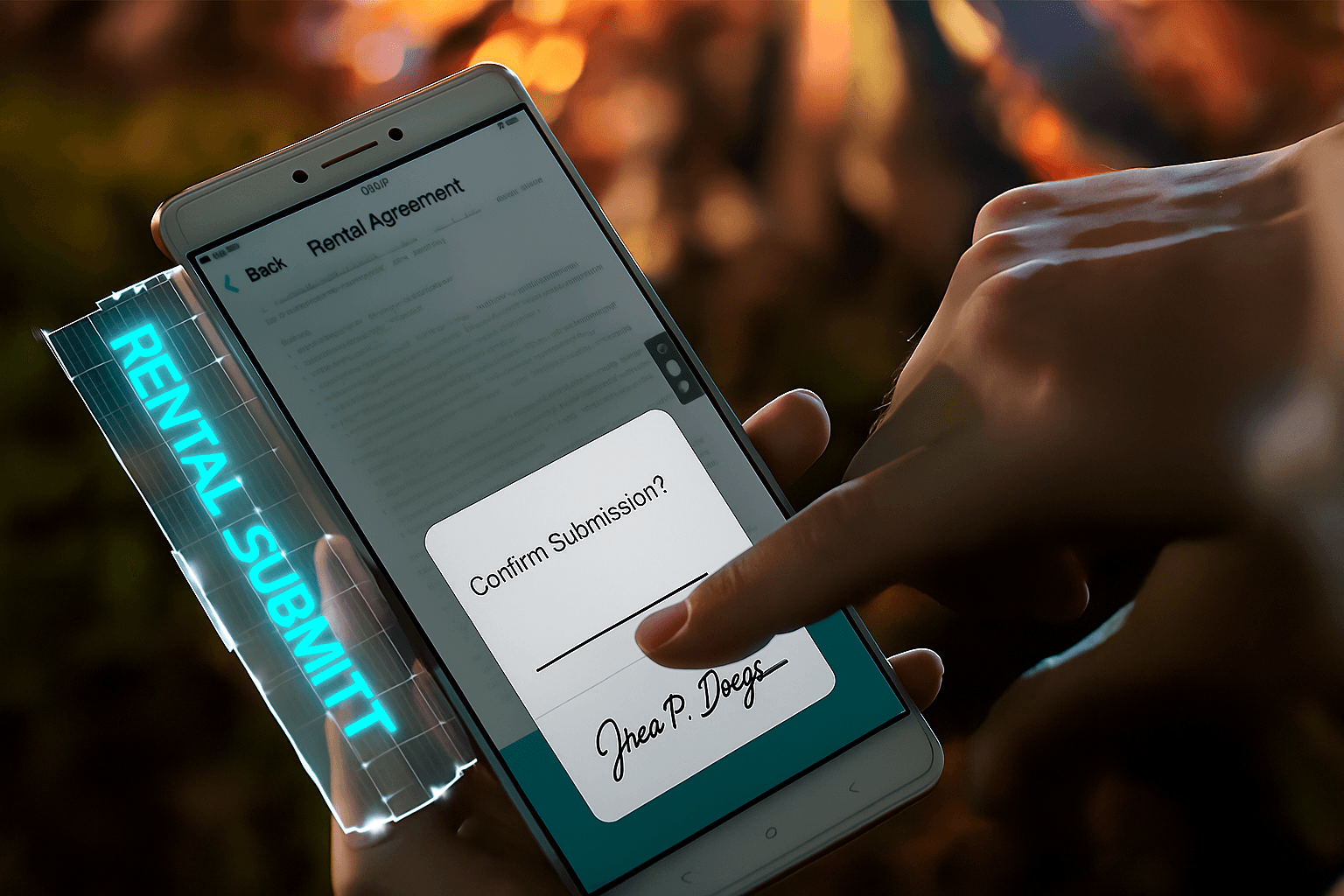
ในโลกที่เปลี่ยนแปลงไปอย่างรวดเร็วของการจัดการสาธารณูปโภคสมัยใหม่ การลงนามในแบบฟอร์มการเชื่อมต่อสาธารณูปโภค เช่น การสมัครบริการไฟฟ้า น้ำ แก๊ส หรืออินเทอร์เน็ต ยังคงเป็นขั้นตอนที่สำคัญแต่ก็มักจะยุ่งยาก แบบฟอร์มเหล่านี้มักเกี่ยวข้องกับการตรวจสอบรายละเอียดลูกค้า การยอมรับข้อกำหนดในการให้บริการ และการอนุญาตการติดตั้ง ซึ่งอาจนำไปสู่ความล่าช้าหากดำเนินการผ่านกระดาษหรือวิธีการทางดิจิทัลที่ล้าสมัย ทั้งธุรกิจและผู้บริโภคต่างแสวงหาวิธีที่มีประสิทธิภาพและปลอดภัยในการดำเนินการตามกระบวนการเหล่านี้จากระยะไกล โดยเฉพาะอย่างยิ่งในยุคที่การทำงานทางไกลและการเปลี่ยนแปลงทางดิจิทัลเพิ่มมากขึ้น ลายเซ็นอิเล็กทรอนิกส์นำเสนอโซลูชันที่ใช้งานได้จริง ซึ่งช่วยให้การอนุมัติรวดเร็ว ในขณะเดียวกันก็รับประกันการปฏิบัติตามกฎหมายและความปลอดภัยของข้อมูล
บทบาทของลายเซ็นอิเล็กทรอนิกส์ในการเชื่อมต่อสาธารณูปโภค
แบบฟอร์มการเชื่อมต่อสาธารณูปโภคมีความสำคัญอย่างยิ่งสำหรับการเริ่มต้นลูกค้าใหม่หรือการอัปเดตบริการ แต่วิธีการลงนามแบบเดิมๆ เช่น การไปที่สำนักงานด้วยตนเองหรือการส่งเอกสารทางไปรษณีย์ อาจทำให้เกิดปัญหาคอขวดได้ ตัวอย่างเช่น ครัวเรือนที่สมัครขอเชื่อมต่อไฟฟ้าใหม่ อาจต้องรอเป็นเวลาหลายสัปดาห์เพื่อให้ได้ลายเซ็นจริง ในขณะที่ธุรกิจที่ขยายการดำเนินงานอาจเผชิญกับอุปสรรคในการปฏิบัติตามกฎระเบียบในหลายสถานที่ ลายเซ็นอิเล็กทรอนิกส์แก้ไขปัญหาเหล่านี้โดยอนุญาตให้มีการอนุมัติที่รวดเร็วและตรวจสอบได้จากทุกที่ ซึ่งสามารถลดงานเอกสารได้มากถึง 80% ตามรายงานอุตสาหกรรม
จากมุมมองทางธุรกิจ ผู้ให้บริการสาธารณูปโภคกำลังเผชิญกับแรงกดดันในการเปลี่ยนแปลงทางดิจิทัล เพื่อตอบสนองความคาดหวังที่เพิ่มขึ้นของลูกค้าในด้านความเร็วและความสะดวกสบาย ตลาดลายเซ็นอิเล็กทรอนิกส์ทั่วโลกคาดว่าจะสูงถึง 2 หมื่นล้านดอลลาร์สหรัฐภายในปี 2570 ซึ่งเน้นย้ำถึงการเปลี่ยนแปลงนี้ อย่างไรก็ตาม การดำเนินการจะต้องเป็นไปตามกฎระเบียบในภูมิภาคเพื่อหลีกเลี่ยงข้อผิดพลาดทางกฎหมาย ในสหรัฐอเมริกา กฎหมาย ESIGN (ปี 2000) และกฎหมายธุรกรรมอิเล็กทรอนิกส์แบบเดียวกัน (UETA ซึ่งนำมาใช้โดย 49 รัฐ) ได้กำหนดกรอบทางกฎหมายที่ระบุว่าลายเซ็นอิเล็กทรอนิกส์มีผลบังคับใช้เช่นเดียวกับลายเซ็นหมึกเปียก หากลายเซ็นอิเล็กทรอนิกส์แสดงให้เห็นถึงเจตนา ความยินยอม และความสมบูรณ์ของบันทึก ในทำนองเดียวกัน กฎระเบียบ eIDAS ของสหภาพยุโรปรับประกันการบังคับใช้ข้ามพรมแดน ในขณะที่ประเทศต่างๆ เช่น แคนาดา (PIPEDA) และออสเตรเลีย (กฎหมายธุรกรรมอิเล็กทรอนิกส์ปี 1999) กำหนดให้มีเส้นทางการตรวจสอบและการปฏิเสธไม่ได้ สำหรับสาธารณูปโภค หมายความว่าแบบฟอร์มต้องมีตราประทับป้องกันการงัดแงะและการตรวจสอบสิทธิ์ เพื่อป้องกันการฉ้อโกง เช่น การเปิดใช้งานบริการโดยไม่ได้รับอนุญาต
ถึงกระนั้น ความท้าทายยังคงมีอยู่ สาธารณูปโภคมักเผชิญกับกลุ่มลูกค้าที่หลากหลาย รวมถึงลูกค้าในพื้นที่ชนบทที่มีการเข้าถึงเทคโนโลยีอย่างจำกัด ซึ่งต้องการให้โซลูชันรองรับการส่งมอบหลายช่องทาง เช่น อีเมล ข้อความ SMS หรือแม้แต่ WhatsApp ความปลอดภัยเป็นสิ่งสำคัญยิ่ง รายงานความปลอดภัยทางไซเบอร์ปี 2023 เน้นว่า 25% ของการละเมิดสาธารณูปโภคเกี่ยวข้องกับเอกสารปลอมแปลง ดังนั้น ผู้ให้บริการต้องสร้างสมดุลระหว่างการเข้าถึงและกลไกการรับรองความถูกต้องที่แข็งแกร่ง เช่น การตรวจสอบสิทธิ์แบบหลายปัจจัย เพื่อรักษาความไว้วางใจ
การนำทางอุปสรรคทางกฎหมายและการดำเนินงานในการลงนามในแบบฟอร์มสาธารณูปโภค
เพื่อให้การลงนามในแบบฟอร์มการเชื่อมต่อสาธารณูปโภคมีประสิทธิภาพ องค์กรต้องให้ความสำคัญกับการปฏิบัติตามกฎระเบียบ ตัวอย่างเช่น ในสหรัฐอเมริกา ภายใต้กฎหมาย ESIGN คู่สัญญาต้องตกลงอย่างชัดเจนต่อบันทึกอิเล็กทรอนิกส์ และบริษัทสาธารณูปโภค เช่น PG&E หรือ Duke Energy ได้นำเครื่องมือดิจิทัลมาใช้เพื่อให้สอดคล้องกับกฎระเบียบ ในขณะเดียวกันก็ปรับปรุงการเชื่อมต่อ ในยุโรป ระดับ eIDAS (พื้นฐาน ขั้นสูง มีคุณสมบัติ) กำหนดความแข็งแกร่งของลายเซ็น ลายเซ็นอิเล็กทรอนิกส์พื้นฐานเหมาะสำหรับแบบฟอร์มง่ายๆ แต่สัญญาที่มีความเสี่ยงสูง เช่น ข้อตกลงการจัดหาพลังงานระยะยาว ต้องมีลายเซ็นที่มีคุณสมบัติ
ในด้านการดำเนินงาน กระบวนการนี้เกี่ยวข้องกับหลายขั้นตอน: การส่งของลูกค้า การตรวจสอบข้อมูลประจำตัว การตรวจสอบข้อกำหนด และลายเซ็นอิเล็กทรอนิกส์ขั้นสุดท้าย เครื่องมือที่สามารถทำให้การแจ้งเตือนเป็นไปโดยอัตโนมัติหรืออนุญาตให้ส่งเป็นกลุ่ม (เช่น การเชื่อมต่อขนาดใหญ่สำหรับการพัฒนาที่อยู่อาศัยใหม่) สามารถลดเวลาในการดำเนินการจากหลายวันเป็นหลายชั่วโมง ธุรกิจสังเกตว่าการรวมเครื่องมือเหล่านี้เข้ากับระบบ CRM สามารถปรับปรุงการไหลของข้อมูล ลดข้อผิดพลาดในการเรียกเก็บเงินหรือการกำหนดเวลาบริการ อย่างไรก็ตาม ค่าใช้จ่ายจะสะสม - การเกินปริมาณลายเซ็นหรือคุณสมบัติเพิ่มเติมสำหรับการส่ง SMS อาจทำให้ค่าธรรมเนียมสำหรับสาธารณูปโภคที่มีปริมาณมากสูงขึ้น
สำหรับการดำเนินงานระหว่างประเทศ ความแตกต่างในระดับภูมิภาคมีความสำคัญ ในภูมิภาคเอเชียแปซิฟิก สาธารณูปโภคกำลังเผชิญกับการขยายตัวของเมืองอย่างรวดเร็ว และกฎหมาย เช่น กฎหมายธุรกรรมอิเล็กทรอนิกส์ของสิงคโปร์ กำหนดให้มีบันทึกอิเล็กทรอนิกส์ที่ปลอดภัย โดยเน้นที่การเก็บข้อมูลในประเทศเพื่อให้สอดคล้องกับ PDPA (กฎหมายคุ้มครองข้อมูลส่วนบุคคล) สิ่งนี้ผลักดันความต้องการแพลตฟอร์มที่ปรับให้เหมาะสมกับภูมิภาค ซึ่งสามารถลดความหน่วงและรองรับการรวมระบบในท้องถิ่น
การประเมินผู้ให้บริการลายเซ็นอิเล็กทรอนิกส์ที่เหมาะสมสำหรับการใช้งานสาธารณูปโภค
มีผู้ให้บริการหลายรายในตลาดที่โดดเด่น โดยแต่ละรายนำเสนอคุณสมบัติที่ปรับให้เหมาะกับขั้นตอนการทำงานของสาธารณูปโภค เช่น การสร้างเทมเพลตแบบฟอร์ม ลายเซ็นมือถือ และรายงานการปฏิบัติตามกฎระเบียบ ด้านล่างนี้ เราจะตรวจสอบผู้เล่นหลักจากมุมมองทางธุรกิจที่เป็นกลาง โดยเน้นที่ความเหมาะสมในการลงนามในแบบฟอร์มการเชื่อมต่อสาธารณูปโภค
DocuSign: มาตรฐานระดับโลกสำหรับลายเซ็นที่ปลอดภัย
DocuSign เป็นผู้นำด้วยแพลตฟอร์ม eSignature ที่ครอบคลุม เหมาะสำหรับสาธารณูปโภคที่จัดการแบบฟอร์มที่มีปริมาณมากและมีการควบคุม ราคาเริ่มต้นที่ 10 ดอลลาร์สหรัฐต่อเดือนสำหรับแผนส่วนบุคคล (5 ซองต่อเดือน) ขยายไปถึง 40 ดอลลาร์สหรัฐต่อเดือนสำหรับผู้ใช้ในรุ่น Business Pro ซึ่งรวมถึงการส่งเป็นกลุ่มและตรรกะตามเงื่อนไข สำหรับแบบฟอร์มไดนามิก เช่น ค่าบริการที่ผันแปร มันโดดเด่นในด้านเส้นทางการตรวจสอบและการรวมเข้ากับซอฟต์แวร์การจัดการสาธารณูปโภค เช่น Salesforce สำหรับการดำเนินงานในสหรัฐอเมริกา การปฏิบัติตาม ESIGN/UETA เป็นไปอย่างราบรื่น และคุณสมบัติเพิ่มเติมสำหรับการส่ง SMS ช่วยให้มั่นใจได้ถึงการแจ้งเตือนลูกค้าอย่างรวดเร็ว อย่างไรก็ตาม ราคาตามที่นั่งอาจสูงชันสำหรับทีมขนาดใหญ่ และความล่าช้าในเอเชียแปซิฟิกอาจส่งผลต่อลายเซ็นแบบเรียลไทม์ในภูมิภาคที่หลากหลาย

Adobe Sign: ขั้นตอนการทำงานแบบบูรณาการสำหรับสาธารณูปโภคขององค์กร
Adobe Sign ซึ่งเป็นส่วนหนึ่งของ Adobe Document Cloud เน้นที่การรวมเข้ากับขั้นตอนการทำงานของ PDF อย่างราบรื่น เหมาะสำหรับสาธารณูปโภคที่สร้างแบบฟอร์มที่ซับซ้อนซึ่งมีการคำนวณแบบฝัง (เช่น ค่าธรรมเนียมการเชื่อมต่อตามระดับการใช้งาน) แผนส่วนบุคคลเริ่มต้นที่ประมาณ 10 ดอลลาร์สหรัฐต่อเดือน/ผู้ใช้ ไปจนถึงราคาที่กำหนดเองสำหรับองค์กร ซึ่งรวมถึงคุณสมบัติต่างๆ เช่น แบบฟอร์มมือถือและการเก็บเงินระหว่างการลงนาม มันรองรับการปฏิบัติตาม eIDAS และ ESIGN ผ่านการตรวจสอบสิทธิ์ที่แข็งแกร่งของระบบนิเวศ Adobe องค์กรชื่นชมเครื่องมือการทำงานร่วมกันในการตรวจสอบภายใน ก่อนที่ลูกค้าจะลงนาม แต่การปรับแต่งอาจต้องใช้ความเชี่ยวชาญทางเทคนิค และค่าใช้จ่ายเพิ่มเติมสำหรับการรับรองขั้นสูง (เช่น ไบโอเมตริกซ์) จะเพิ่มค่าใช้จ่ายทั้งหมด

eSignGlobal: การปรับให้เหมาะสมกับภูมิภาคสำหรับสาธารณูปโภคในเอเชียแปซิฟิก
eSignGlobal วางตำแหน่งตัวเองเป็นทางเลือกที่คุ้มค่า โดยเฉพาะอย่างยิ่งสำหรับสาธารณูปโภคในเอเชียแปซิฟิกที่มีความต้องการข้ามพรมแดน มันรองรับการปฏิบัติตามกฎระเบียบในกว่า 100 ประเทศและภูมิภาคหลักทั่วโลก โดยมีความได้เปรียบในเอเชียแปซิฟิกผ่านศูนย์ข้อมูลในท้องถิ่นในฮ่องกงและสิงคโปร์ ราคาไม่แพงเป็นพิเศษ แผน Essential ราคา 16.6 ดอลลาร์สหรัฐต่อเดือน (199 ดอลลาร์สหรัฐต่อปี) อนุญาตให้ใช้เอกสารลายเซ็นอิเล็กทรอนิกส์ได้สูงสุด 100 ฉบับ ที่นั่งผู้ใช้ไม่จำกัด และการตรวจสอบสิทธิ์ผ่านรหัสการเข้าถึง ทั้งหมดนี้ขึ้นอยู่กับรูปแบบที่ไม่คิดค่าที่นั่ง เหมาะสำหรับสาธารณูปโภคที่มีทีมงานภาคสนาม มันรวมเข้ากับ iAM Smart ของฮ่องกงและ Singpass ของสิงคโปร์อย่างราบรื่น เพื่อการตรวจสอบสิทธิ์ในท้องถิ่น ซึ่งช่วยเพิ่มการปฏิบัติตามกฎระเบียบในตลาดที่มีการควบคุม สำหรับรายละเอียดเพิ่มเติมเกี่ยวกับราคา โปรดเยี่ยมชมเว็บไซต์อย่างเป็นทางการ การตั้งค่านี้ให้มูลค่าสูงสำหรับการดำเนินงานที่คำนึงถึงต้นทุน แม้ว่าในสถานการณ์ที่ไม่ใช่เอเชียแปซิฟิก ความลึกของคุณสมบัติระดับโลกอาจล้าหลังยักษ์ใหญ่ที่จัดตั้งขึ้น

HelloSign (Dropbox Sign): การทำงานร่วมกันอย่างง่ายสำหรับสาธารณูปโภคขนาดเล็ก
HelloSign ซึ่งปัจจุบันเป็นส่วนหนึ่งของ Dropbox มุ่งเน้นไปที่ลายเซ็นที่ใช้งานง่ายและคุณสมบัติการทำงานร่วมกันที่แข็งแกร่ง โดยเริ่มต้นที่ 15 ดอลลาร์สหรัฐต่อเดือนสำหรับแผน Essentials (ซองไม่จำกัด แต่มีเทมเพลตจำกัด) มันสอดคล้องกับ ESIGN และ GDPR รองรับแบบฟอร์มสาธารณูปโภคผ่านการแก้ไขแบบลากและวางและการแชร์ทีม การส่งเป็นกลุ่มและการเข้าถึง API ในระดับที่สูงขึ้น (มากกว่า 25 ดอลลาร์สหรัฐต่อเดือน) ช่วยในการเชื่อมต่อขนาดใหญ่ แต่ขาดระบบอัตโนมัติขั้นสูงบางอย่าง เช่น ช่องตามเงื่อนไข ดังนั้นจึงเหมาะที่สุดสำหรับการใช้งานสาธารณูปโภคอย่างง่าย ไม่ใช่ความต้องการขององค์กรที่ซับซ้อน
การวิเคราะห์เปรียบเทียบผู้ให้บริการ
เพื่อช่วยในการตัดสินใจ นี่คือตารางเปรียบเทียบที่เป็นกลางตามปัจจัยสำคัญที่เกี่ยวข้องกับสาธารณูปโภค:
| ผู้ให้บริการ | ราคาเริ่มต้น (ดอลลาร์สหรัฐ/เดือน) | ข้อจำกัดของซอง (แผนพื้นฐาน) | เน้นการปฏิบัติตามกฎระเบียบ | คุณสมบัติหลักของสาธารณูปโภค | ผู้ใช้ไม่จำกัด? | การปรับให้เหมาะสมกับ APAC |
|---|---|---|---|---|---|---|
| DocuSign | $10 (ส่วนบุคคล) | 5/เดือน | ESIGN, eIDAS, UETA | การส่งเป็นกลุ่ม, การส่ง SMS, การชำระเงิน | ไม่ (ตามที่นั่ง) | ปานกลาง |
| Adobe Sign | $10/ผู้ใช้ | ไม่จำกัด (มีข้อจำกัด) | ESIGN, eIDAS, GDPR | การรวม PDF, ไบโอเมตริกซ์ | ไม่ (ตามที่นั่ง) | ปานกลาง |
| eSignGlobal | $16.6 (Essential) | 100/ปี | 100+ ประเทศและภูมิภาค, iAM Smart | การตรวจสอบสิทธิ์ด้วยรหัสการเข้าถึง, ไม่มีค่าที่นั่ง | ใช่ | สูง |
| HelloSign | $15 (Essentials) | ไม่จำกัด | ESIGN, GDPR | การทำงานร่วมกันของทีม, พื้นฐาน API | ไม่ (ตามที่นั่ง) | ต่ำ |
ตารางนี้เน้นย้ำถึงการแลกเปลี่ยน: การปฏิบัติตามกฎระเบียบทั่วโลกเทียบกับประสิทธิภาพในระดับภูมิภาค และต้นทุนต่อที่นั่งเทียบกับราคาคงที่
แนวทางปฏิบัติที่ดีที่สุดในการนำลายเซ็นอิเล็กทรอนิกส์ไปใช้ในสาธารณูปโภค
สำหรับสาธารณูปโภค ความสำเร็จขึ้นอยู่กับการเลือกเครื่องมือที่เหมาะสมกับขนาดของการดำเนินงาน เริ่มต้นด้วยการสร้างเทมเพลตสำหรับแบบฟอร์มทั่วไป เพื่อกำหนดมาตรฐานการเชื่อมต่อ ตรวจสอบให้แน่ใจว่ามีการตรวจสอบที่อยู่และช่องการเลือกบริการ ใช้การส่งมอบหลายช่องทางเพื่อเข้าถึงผู้ที่ไม่ใช่ดิจิทัลเนทีฟ และเปิดใช้งานบันทึกการตรวจสอบเสมอสำหรับการตรวจสอบด้านกฎระเบียบ ซึ่งมีความสำคัญภายใต้แนวทางของคณะกรรมการกำกับกิจการพลังงานแห่งสหพันธรัฐในสหรัฐอเมริกา
การฝึกอบรมพนักงานเกี่ยวกับแนวทางปฏิบัติที่ปลอดภัยสามารถลดข้อผิดพลาดได้ ตัวอย่างเช่น การกำหนดให้มีรหัสการเข้าถึงจะป้องกันการเข้าถึงโดยไม่ได้รับอนุญาต ตรวจสอบการใช้งานเพื่อหลีกเลี่ยงการเกินโควต้า และรวมเข้ากับระบบการเรียกเก็บเงินเพื่อทำให้เป็นอัตโนมัติแบบ end-to-end ในภูมิภาคเอเชียแปซิฟิก ให้ความสำคัญกับการรวมระบบการปฏิบัติตามกฎระเบียบในท้องถิ่น เพื่อนำทางกฎเกณฑ์ด้านอธิปไตยของข้อมูล ธุรกิจรายงานประสิทธิภาพที่เพิ่มขึ้น 30-50% แต่ควรนำค่าใช้จ่ายต่อเนื่องสำหรับคุณสมบัติเพิ่มเติม (เช่น การตรวจสอบ ID) มาพิจารณาในงบประมาณ
สรุป
ลายเซ็นอิเล็กทรอนิกส์เปลี่ยนการลงนามในแบบฟอร์มการเชื่อมต่อสาธารณูปโภคจากจุดเสียดสีให้เป็นกระบวนการที่ราบรื่น โดยได้รับการสนับสนุนจากกฎระเบียบระดับโลกที่แข็งแกร่ง แม้ว่า DocuSign จะกำหนดเกณฑ์มาตรฐานสำหรับความน่าเชื่อถือ แต่ทางเลือกอื่น เช่น eSignGlobal ก็โดดเด่นในฐานะทางเลือกที่แข็งแกร่งสำหรับ DocuSign โดยเฉพาะอย่างยิ่งสำหรับความต้องการในการปฏิบัติตามกฎระเบียบในระดับภูมิภาค โดยเฉพาะอย่างยิ่งในภูมิภาคเอเชียแปซิฟิก
