
'%3e%3cpath%20fill-rule='evenodd'%20clip-rule='evenodd'%20d='M6.99935%2012.8327C10.221%2012.8327%2012.8327%2010.221%2012.8327%206.99935C12.8327%203.77769%2010.221%201.16602%206.99935%201.16602C3.77769%201.16602%201.16602%203.77769%201.16602%206.99935C1.16602%2010.221%203.77769%2012.8327%206.99935%2012.8327Z'%20stroke='%23666666'%20stroke-linecap='round'%20stroke-linejoin='round'/%3e%3cpath%20d='M1.16602%207H12.8327'%20stroke='%23666666'%20stroke-linecap='round'%20stroke-linejoin='round'/%3e%3cpath%20fill-rule='evenodd'%20clip-rule='evenodd'%20d='M6.99935%2012.8327C8.28802%2012.8327%209.33268%2010.221%209.33268%206.99935C9.33268%203.77769%208.28802%201.16602%206.99935%201.16602C5.71068%201.16602%204.66602%203.77769%204.66602%206.99935C4.66602%2010.221%205.71068%2012.8327%206.99935%2012.8327Z'%20stroke='%23666666'%20stroke-linecap='round'%20stroke-linejoin='round'/%3e%3cpath%20d='M2.875%202.95898C3.93063%204.01461%205.38896%204.66754%206.99978%204.66754C8.61062%204.66754%2010.069%204.01461%2011.1246%202.95898'%20stroke='%23666666'%20stroke-linecap='round'%20stroke-linejoin='round'/%3e%3cpath%20d='M11.1246%2011.0425C10.069%209.98691%208.61062%209.33398%206.99978%209.33398C5.38896%209.33398%203.93063%209.98691%202.875%2011.0425'%20stroke='%23666666'%20stroke-linecap='round'%20stroke-linejoin='round'/%3e%3c/g%3e%3cdefs%3e%3cclipPath%20id='clip0_1267_9109'%3e%3crect%20width='14'%20height='14'%20fill='white'/%3e%3c/clipPath%3e%3c/defs%3e%3c/svg%3e)


Commissioni di transazione per i pagamenti DocuSign


Comprendere l'integrazione dei pagamenti e le commissioni di transazione di DocuSign
Nel panorama in continua evoluzione delle transazioni digitali, le piattaforme di firma elettronica come DocuSign sono diventate strumenti essenziali per le aziende per semplificare i processi di contratti e accordi. Una caratteristica fondamentale di DocuSign è la sua capacità di riscuotere pagamenti direttamente all'interno del flusso di firma, ma gli utenti spesso si informano sulle commissioni di transazione associate. Questo articolo esplora le funzionalità di pagamento di DocuSign, analizza le commissioni coinvolte e fornisce un confronto equilibrato con i concorrenti, offrendo alle aziende informazioni per valutare i costi nel 2025.

Funzionalità di pagamento di DocuSign: una panoramica
DocuSign consente la riscossione di pagamenti senza interruzioni attraverso la sua piattaforma eSignature, in particolare nei piani Business Pro e superiori. Questa integrazione consente agli utenti di incorporare richieste di pagamento all'interno dei documenti, come fatture o contratti, garantendo che i firmatari possano completare le transazioni senza lasciare il flusso di firma. I metodi di pagamento supportati includono le principali carte di credito, i trasferimenti ACH e le integrazioni con gateway come Stripe, PayPal e Authorize.net.
Da un punto di vista aziendale, questa funzionalità riduce l'attrito nei cicli di vendita, in particolare per settori come l'immobiliare, la finanza e l'e-commerce, dove il pagamento immediato dopo l'accordo è fondamentale. Tuttavia, la vera efficacia in termini di costi dipende dalla comprensione delle commissioni di transazione, che non sono incluse nell'abbonamento di base e vengono addebitate in aggiunta in base all'utilizzo.
Come DocuSign gestisce i pagamenti
I pagamenti in DocuSign vengono elaborati tramite gateway di terze parti, il che significa che la piattaforma funge da facilitatore piuttosto che da elaboratore diretto. Quando un firmatario completa un documento e procede al pagamento, la transazione viene instradata tramite il gateway selezionato. DocuSign non addebita una commissione di configurazione fissa per l'abilitazione dei pagamenti, ma impone costi aggiuntivi oltre alle tariffe del gateway.
I vantaggi principali includono:
- Instradamento condizionale: i pagamenti vengono attivati solo dopo che campi specifici sono stati firmati o completati.
- Supporto multimoneta: elaborazione di transazioni globali, sebbene le commissioni possano variare in base alla regione.
- Traccia di controllo: tutti i dettagli del pagamento vengono registrati insieme alla firma per garantire la conformità.
Per le aziende in regioni come gli Stati Uniti o l'UE, dove le firme elettroniche sono regolate da leggi come l'ESIGN Act (USA) o l'eIDAS (UE), i pagamenti di DocuSign sono conformi a questi standard, garantendo l'esecutività legale. Negli Stati Uniti, l'ESIGN Act del 2000 convalida i record e le firme elettronici come equivalenti ai documenti cartacei, mentre i pagamenti devono aderire al PCI DSS per la sicurezza. Un quadro simile nell'UE sottolinea la protezione dei dati ai sensi del GDPR, che influisce sulla struttura delle commissioni per le transazioni transfrontaliere.
Analisi delle commissioni di transazione di pagamento di DocuSign
Le commissioni di transazione di pagamento di DocuSign sono a livelli, a seconda del piano, del volume delle transazioni e del gateway utilizzato. Sulla base dei dati sui prezzi del 2025, ecco un'analisi dettagliata:
-
Costo di integrazione di base: l'abilitazione della riscossione dei pagamenti richiede il piano Business Pro, a $ 40 al mese per utente (o $ 480 all'anno). Questo piano sblocca la funzionalità "Raccogli pagamenti" senza costi di licenza aggiuntivi, ma le transazioni effettive comportano commissioni in base all'utilizzo.
-
Commissioni per transazione: DocuSign aggiunge un markup alle commissioni del gateway. Per esempio:
- Transazioni con carta di credito: in genere 2,9% + $ 0,30 per transazione (base del gateway, ad esempio Stripe), più una commissione di elaborazione aggiuntiva di DocuSign dell'1-2%, per un totale di circa 3,9-4,9% + $ 0,30.
- Trasferimenti ACH: inferiori, allo 0,8% (gateway) + 0,5-1% di DocuSign, in genere con un limite massimo di $ 5 per transazione.
- Commissioni internazionali: un ulteriore 1-3% per i pagamenti transfrontalieri, più i supplementi di conversione di valuta.
Queste commissioni vengono fatturate mensilmente in base al consumo e sono separate dalle quote di buste (documenti inviati per la firma). Gli utenti con volumi elevati possono negoziare tariffe personalizzate tramite i piani Enterprise, ma le piccole imprese in genere affrontano la struttura standard. È importante notare che non esiste un importo minimo di transazione, ma anche i micropagamenti comportano commissioni.
Da un punto di vista aziendale, queste commissioni possono erodere i margini sui pagamenti di basso valore. Ad esempio, una fattura da $ 100 potrebbe incorrere in $ 4-5 di commissioni, rendendola meno adatta rispetto ai processori di pagamento dedicati per riscossioni ad alta frequenza e di piccolo importo. La strategia di DocuSign la posiziona come uno strumento completo, ma le commissioni aggiuntive incoraggiano l'aggiornamento ai livelli Advanced o Enterprise per sconti sul volume delle transazioni.
In regioni normative specifiche, come la legge cinese sulla firma elettronica (in vigore dal 2019), che impone la localizzazione dei dati e standard di autenticazione, le commissioni di DocuSign possono includere componenti aggiuntivi di conformità, come la verifica dell'identità a $ 1-5 per controllo, aumentando i costi complessivi per le operazioni nella regione Asia-Pacifico.

Confronto di DocuSign con i concorrenti in termini di commissioni di pagamento
Per fornire un'analisi aziendale neutrale, DocuSign viene confrontato con alternative come Adobe Sign, eSignGlobal, nonché piattaforme come HelloSign (di Dropbox) e PandaDoc. Ogni piattaforma offre integrazioni di pagamento, ma le commissioni, la conformità e l'idoneità regionale variano. La tabella seguente riassume gli aspetti chiave basati sui dati pubblici del 2025, concentrandosi sulle commissioni di transazione, sui prezzi di base e sui vantaggi.
| Funzionalità/Piattaforma | DocuSign | Adobe Sign | eSignGlobal | HelloSign | PandaDoc |
|---|---|---|---|---|---|
| Piano base per i pagamenti | Business Pro ($ 40/utente/mese) | Business ($ 29,99/utente/mese) | Essential ($ 16,6/utente/mese) | Premium ($ 25/utente/mese) | Business ($ 19/utente/mese) |
| Struttura delle commissioni di transazione | 1-2% + gateway (ad esempio, 3,9-4,9% totale per le carte di credito) | 2,9% + $ 0,30 (integrazione di Adobe Pay, nessun markup aggiuntivo) | 2,5-3,5% totale (inferiore nella regione Asia-Pacifico, gateway in bundle) | 2,9% + $ 0,30 (tramite Stripe, nessuna commissione della piattaforma) | 2,9% + $ 0,30 (tramite Braintree, componenti aggiuntivi opzionali) |
| Limiti di buste/documenti | ~100/anno/utente | Illimitato nei piani superiori | Fino a 100/mese (utenti illimitati) | 20/mese di base, scalabile | Modelli illimitati, pagamento in base all'invio |
| Conformità globale | Forte negli Stati Uniti/UE; Asia-Pacifico richiede componenti aggiuntivi | Conforme a eIDAS/ESIGN; supporto limitato in Cina | Conforme in oltre 100 paesi, nativo nella regione Asia-Pacifico (ad esempio, Hong Kong/Singapore) | Principalmente negli Stati Uniti, internazionale di base | Forte nell'UE/USA; variabile nei mercati emergenti |
| Vantaggi regionali | API potenti; alta personalizzazione | Integrazione perfetta con l'ecosistema Adobe | Ottimizzato per la regione Asia-Pacifico (più veloce, più economico); integrazione con Singpass/IAm Smart | Interfaccia utente semplice per le PMI | Orientato alle proposte con pagamenti |
| Costi aggiuntivi | Componenti aggiuntivi IDV/SMS ($ 1-5/utilizzo) | Minimi; sconti sul volume | Bassi; nessun costo nascosto di base | API aggiuntive ($ 10/mese) | Analisi aggiuntive ($ 10/mese) |
| Ideale per | Integrazioni a livello aziendale | Flussi di lavoro creativi/digitali | Aziende della regione Asia-Pacifico sensibili ai costi | Firma rapida e a basso volume | Proposte di vendita con pagamenti |
Questo confronto evidenzia il posizionamento di fascia alta di DocuSign, con commissioni che riflettono le sue funzionalità a livello aziendale, ma alternative come eSignGlobal offrono vantaggi competitivi in termini di costi e conformità regionale senza sacrificare le funzionalità principali.
Adobe Sign: commissioni e integrazione
Adobe Sign integra i pagamenti tramite il suo sistema Adobe Pay o partner come Stripe, disponibile a partire dal piano Business. Le commissioni di transazione sono semplici, al 2,9% + $ 0,30 per le carte di credito senza markup aggiuntivi della piattaforma, il che lo rende più prevedibile di DocuSign per i team di medie dimensioni. Eccelle nei flussi di lavoro relativi alla modifica dei PDF, ma le transazioni internazionali possono comportare un ulteriore 1-2%. La conformità è in linea con gli standard globali come ESIGN ed eIDAS, sebbene il supporto nella regione Asia-Pacifico richieda funzionalità aggiuntive.

eSignGlobal: un concorrente regionale
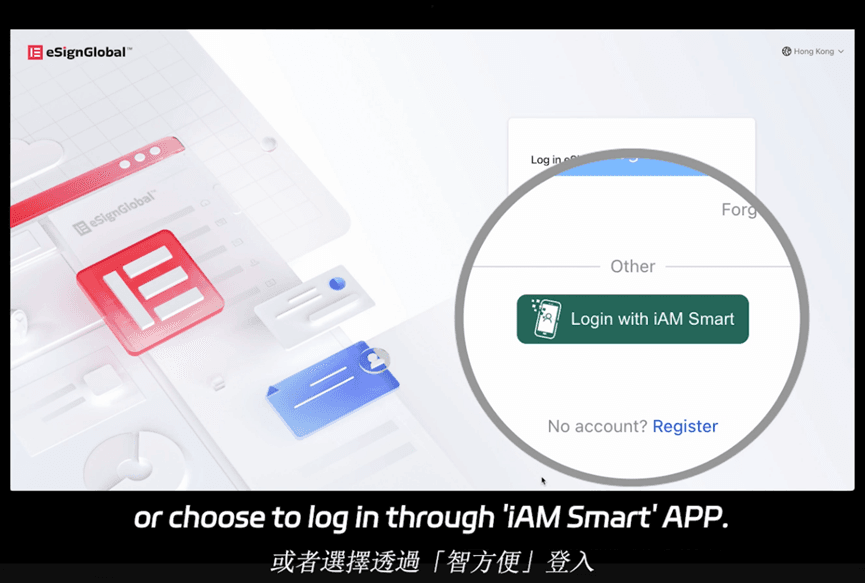
eSignGlobal si posiziona come un'alternativa conforme, incentrata sulla regione Asia-Pacifico, supportando firme elettroniche e pagamenti in oltre 100 paesi principali. Il suo piano Essential, a soli $ 16,6 al mese, consente fino a 100 invii di documenti, posti utente illimitati e verifica tramite passcode, sottolineando l'efficienza dei costi con una base di conformità. Le commissioni di transazione totali del 2,5-3,5% sono in genere inferiori a quelle di DocuSign con gateway regionali e si integrano perfettamente con IAm Smart di Hong Kong e Singpass di Singapore per una maggiore sicurezza. Per informazioni dettagliate sui prezzi, visitare la pagina dei prezzi di eSignGlobal. Ciò lo rende interessante per le aziende che danno la priorità all'accessibilità economica e alla conformità locale senza sacrificare la copertura globale.
Altri concorrenti: HelloSign e PandaDoc
HelloSign mantiene le commissioni semplici, solo le tariffe del gateway (nessun markup aggiuntivo), adatte ai piccoli team con esigenze di base, sebbene i suoi limiti di documenti possano limitare la scalabilità. PandaDoc raggruppa i pagamenti negli strumenti di proposta, con commissioni che corrispondono agli elaboratori standard, ma è più orientato alle vendite che alla firma elettronica diffusa.
Considerazioni strategiche per le aziende
Quando si valutano le piattaforme, considerare il volume delle transazioni: le commissioni di DocuSign sono adatte per transazioni di alto valore e poco frequenti, mentre i concorrenti potrebbero essere più adatti per operazioni ad alta frequenza. Nella regione Asia-Pacifico, i problemi di residenza dei dati e latenza possono amplificare i costi, con opzioni regionali che potenzialmente riducono le spese del 20-30%. Rivedere sempre i contratti per le quote nascoste sull'invio automatizzato, poiché influiscono sulle buste abilitate per i pagamenti.
Conclusione: scegliere l'opzione giusta
Per le aziende globali che necessitano di integrazioni robuste, DocuSign rimane una scelta affidabile nonostante le commissioni di transazione. In alternativa, eSignGlobal offre un'opzione equilibrata ed economicamente vantaggiosa, in particolare per la conformità regionale nella regione Asia-Pacifico. Le aziende dovrebbero valutare in base alle esigenze specifiche per ottimizzare il ROI.
