
'%3e%3cpath%20fill-rule='evenodd'%20clip-rule='evenodd'%20d='M6.99935%2012.8327C10.221%2012.8327%2012.8327%2010.221%2012.8327%206.99935C12.8327%203.77769%2010.221%201.16602%206.99935%201.16602C3.77769%201.16602%201.16602%203.77769%201.16602%206.99935C1.16602%2010.221%203.77769%2012.8327%206.99935%2012.8327Z'%20stroke='%23666666'%20stroke-linecap='round'%20stroke-linejoin='round'/%3e%3cpath%20d='M1.16602%207H12.8327'%20stroke='%23666666'%20stroke-linecap='round'%20stroke-linejoin='round'/%3e%3cpath%20fill-rule='evenodd'%20clip-rule='evenodd'%20d='M6.99935%2012.8327C8.28802%2012.8327%209.33268%2010.221%209.33268%206.99935C9.33268%203.77769%208.28802%201.16602%206.99935%201.16602C5.71068%201.16602%204.66602%203.77769%204.66602%206.99935C4.66602%2010.221%205.71068%2012.8327%206.99935%2012.8327Z'%20stroke='%23666666'%20stroke-linecap='round'%20stroke-linejoin='round'/%3e%3cpath%20d='M2.875%202.95898C3.93063%204.01461%205.38896%204.66754%206.99978%204.66754C8.61062%204.66754%2010.069%204.01461%2011.1246%202.95898'%20stroke='%23666666'%20stroke-linecap='round'%20stroke-linejoin='round'/%3e%3cpath%20d='M11.1246%2011.0425C10.069%209.98691%208.61062%209.33398%206.99978%209.33398C5.38896%209.33398%203.93063%209.98691%202.875%2011.0425'%20stroke='%23666666'%20stroke-linecap='round'%20stroke-linejoin='round'/%3e%3c/g%3e%3cdefs%3e%3cclipPath%20id='clip0_1267_9109'%3e%3crect%20width='14'%20height='14'%20fill='white'/%3e%3c/clipPath%3e%3c/defs%3e%3c/svg%3e)


ค่าธรรมเนียมการทำธุรกรรมการชำระเงินของ DocuSign


ทำความเข้าใจเกี่ยวกับการผสานรวมการชำระเงินและค่าธรรมเนียมการทำธุรกรรมของ DocuSign
ในภูมิทัศน์ที่เปลี่ยนแปลงไปของการทำธุรกรรมดิจิทัล แพลตฟอร์มลายเซ็นอิเล็กทรอนิกส์ เช่น DocuSign ได้กลายเป็นเครื่องมือที่จำเป็นสำหรับธุรกิจในการปรับปรุงกระบวนการสัญญาและข้อตกลง คุณสมบัติที่สำคัญอย่างหนึ่งของ DocuSign คือความสามารถในการรวบรวมการชำระเงินโดยตรงภายในขั้นตอนการลงนาม แต่ผู้ใช้มักจะสอบถามเกี่ยวกับค่าธรรมเนียมการทำธุรกรรมที่เกี่ยวข้อง บทความนี้จะสำรวจฟังก์ชันการชำระเงินของ DocuSign แยกย่อยค่าธรรมเนียมที่เกี่ยวข้อง และให้การเปรียบเทียบที่สมดุลกับคู่แข่ง เพื่อให้ข้อมูลเชิงลึกแก่ธุรกิจในการประเมินต้นทุนในปี 2025

ฟังก์ชันการชำระเงินของ DocuSign: ภาพรวม
DocuSign ช่วยให้สามารถรวบรวมการชำระเงินได้อย่างราบรื่นผ่านแพลตฟอร์ม eSignature โดยเฉพาะอย่างยิ่งในแผน Business Pro และสูงกว่า การผสานรวมนี้ช่วยให้ผู้ใช้สามารถฝังคำขอการชำระเงินลงในเอกสาร เช่น ใบแจ้งหนี้หรือสัญญา ทำให้มั่นใจได้ว่าผู้ลงนามสามารถทำธุรกรรมให้เสร็จสิ้นได้โดยไม่ต้องออกจากขั้นตอนการลงนาม วิธีการชำระเงินที่รองรับ ได้แก่ บัตรเครดิตหลัก การโอน ACH และการผสานรวมกับเกตเวย์ เช่น Stripe, PayPal และ Authorize.net
จากมุมมองทางธุรกิจ คุณสมบัตินี้ช่วยลดความขัดแย้งในวงจรการขาย โดยเฉพาะอย่างยิ่งในอุตสาหกรรมต่างๆ เช่น อสังหาริมทรัพย์ การเงิน และอีคอมเมิร์ซ ซึ่งการชำระเงินทันทีหลังจากการตกลงเป็นสิ่งสำคัญ อย่างไรก็ตาม ประสิทธิภาพด้านต้นทุนที่แท้จริงขึ้นอยู่กับความเข้าใจเกี่ยวกับค่าธรรมเนียมการทำธุรกรรม ซึ่งไม่ได้รวมอยู่ในค่าสมัครสมาชิกพื้นฐาน แต่จะถูกเรียกเก็บเพิ่มเติมตามการใช้งาน
DocuSign จัดการการชำระเงินอย่างไร
การชำระเงินใน DocuSign ดำเนินการผ่านเกตเวย์ของบุคคลที่สาม ซึ่งหมายความว่าแพลตฟอร์มทำหน้าที่เป็นผู้สนับสนุนมากกว่าผู้ประมวลผลโดยตรง เมื่อผู้ลงนามกรอกเอกสารและดำเนินการชำระเงินต่อ ธุรกรรมจะถูกส่งผ่านเกตเวย์ที่เลือก DocuSign เองไม่ได้เรียกเก็บค่าธรรมเนียมการตั้งค่าคงที่สำหรับการเปิดใช้งานการชำระเงิน แต่จะเพิ่มต้นทุนเพิ่มเติมจากอัตราเกตเวย์
ข้อดีที่สำคัญ ได้แก่:
- การกำหนดเส้นทางตามเงื่อนไข: การชำระเงินจะถูกเรียกใช้เมื่อมีการลงนามในช่องเฉพาะหรือเมื่อดำเนินการเสร็จสิ้นเท่านั้น
- การรองรับหลายสกุลเงิน: ประมวลผลธุรกรรมทั่วโลก แม้ว่าค่าธรรมเนียมอาจแตกต่างกันไปตามภูมิภาค
- เส้นทางการตรวจสอบ: รายละเอียดการชำระเงินทั้งหมดจะถูกบันทึกพร้อมกับลายเซ็น เพื่อให้มั่นใจถึงการปฏิบัติตามข้อกำหนด
สำหรับธุรกิจในภูมิภาคต่างๆ เช่น สหรัฐอเมริกาหรือสหภาพยุโรป ซึ่งลายเซ็นอิเล็กทรอนิกส์อยู่ภายใต้กฎหมาย เช่น ESIGN Act (สหรัฐอเมริกา) หรือ eIDAS (สหภาพยุโรป) การชำระเงินของ DocuSign เป็นไปตามมาตรฐานเหล่านี้ ทำให้มั่นใจได้ถึงการบังคับใช้ทางกฎหมาย ในสหรัฐอเมริกา ESIGN Act ปี 2000 ยืนยันว่าบันทึกและลายเซ็นอิเล็กทรอนิกส์เทียบเท่ากับเอกสารที่เป็นกระดาษ ในขณะที่การชำระเงินต้องเป็นไปตาม PCI DSS เพื่อความปลอดภัย กรอบงานที่คล้ายกันในสหภาพยุโรปเน้นถึงการปกป้องข้อมูลภายใต้ GDPR ซึ่งส่งผลต่อโครงสร้างของค่าธรรมเนียมการทำธุรกรรมข้ามพรมแดน
การแยกย่อยค่าธรรมเนียมการทำธุรกรรมการชำระเงินของ DocuSign
ค่าธรรมเนียมการทำธุรกรรมการชำระเงินของ DocuSign เป็นแบบแบ่งชั้น ขึ้นอยู่กับแผน ปริมาณการทำธุรกรรม และเกตเวย์ที่ใช้ จากข้อมูลราคาปี 2025 นี่คือการวิเคราะห์โดยละเอียด:
-
ต้นทุนการผสานรวมพื้นฐาน: การเปิดใช้งานการรวบรวมการชำระเงินต้องใช้แผน Business Pro ซึ่งมีราคา $40 ต่อผู้ใช้ต่อเดือน ($480 ต่อปี) แผนนี้ปลดล็อกคุณสมบัติ "Collect Payments" โดยไม่มีค่าธรรมเนียมใบอนุญาตเพิ่มเติม แต่การทำธุรกรรมจริงจะเสียค่าธรรมเนียมตามการใช้งาน
-
ค่าธรรมเนียมต่อธุรกรรม: DocuSign เพิ่มมาร์กอัปนอกเหนือจากค่าธรรมเนียมเกตเวย์ ตัวอย่างเช่น:
- ธุรกรรมบัตรเครดิต: โดยทั่วไปคือ 2.9% + $0.30 ต่อรายการ (พื้นฐานเกตเวย์ เช่น Stripe) บวกค่าธรรมเนียมการดำเนินการเพิ่มเติมของ DocuSign 1-2% รวมเป็นประมาณ 3.9-4.9% + $0.30
- การโอน ACH: ต่ำกว่า โดยอยู่ที่ 0.8% (เกตเวย์) + 0.5-1% ของ DocuSign โดยทั่วไปมีขีดจำกัดสูงสุด $5 ต่อรายการ
- ค่าธรรมเนียมระหว่างประเทศ: เพิ่มเติม 1-3% สำหรับการชำระเงินข้ามพรมแดน บวกค่าธรรมเนียมเพิ่มเติมสำหรับการแปลงสกุลเงิน
ค่าธรรมเนียมเหล่านี้จะถูกเรียกเก็บเป็นรายเดือนตามการใช้งาน และแยกจากโควต้าซองจดหมาย (เอกสารที่ส่งเพื่อลงนาม) ผู้ใช้ที่มีปริมาณการทำธุรกรรมสูงสามารถเจรจาอัตราที่กำหนดเองผ่านแผน Enterprise ได้ แต่ธุรกิจขนาดเล็กมักเผชิญกับโครงสร้างมาตรฐาน สิ่งที่ควรทราบคือไม่มีจำนวนเงินขั้นต่ำในการทำธุรกรรม แต่แม้แต่การชำระเงินขนาดเล็กก็ยังเสียค่าธรรมเนียม
จากมุมมองทางธุรกิจ ค่าธรรมเนียมเหล่านี้อาจกัดกินผลกำไรจากการทำธุรกรรมที่มีมูลค่าต่ำ ตัวอย่างเช่น ใบแจ้งหนี้มูลค่า $100 อาจเสียค่าธรรมเนียม $4-5 ทำให้ไม่เหมาะสำหรับการรวบรวมเงินจำนวนน้อยบ่อยครั้งเหมือนกับผู้ประมวลผลการชำระเงินโดยเฉพาะ กลยุทธ์ของ DocuSign วางตำแหน่งให้เป็นเครื่องมือที่ครอบคลุม แต่ค่าธรรมเนียมเพิ่มเติมกระตุ้นให้มีการอัปเกรดเป็นระดับ Advanced หรือ Enterprise เพื่อรับส่วนลดปริมาณการทำธุรกรรม
ในเขตอำนาจศาลที่มีกฎระเบียบเฉพาะ เช่น กฎหมายลายเซ็นอิเล็กทรอนิกส์ของจีน (มีผลบังคับใช้ในปี 2019) ซึ่งกำหนดให้มีการแปลข้อมูลเป็นภาษาท้องถิ่นและมาตรฐานการรับรอง ค่าธรรมเนียมของ DocuSign อาจรวมถึงส่วนเพิ่มเติมสำหรับการปฏิบัติตามข้อกำหนด เช่น การตรวจสอบข้อมูลประจำตัวในราคา $1-5 ต่อการตรวจสอบ ซึ่งจะเพิ่มต้นทุนโดยรวมในการดำเนินงานในเอเชียแปซิฟิก

การเปรียบเทียบ DocuSign กับคู่แข่งในด้านค่าธรรมเนียมการชำระเงิน
เพื่อให้การวิเคราะห์ทางธุรกิจที่เป็นกลาง การเปรียบเทียบ DocuSign กับทางเลือกอื่น เช่น Adobe Sign, eSignGlobal รวมถึงแพลตฟอร์มต่างๆ เช่น HelloSign (เป็นของ Dropbox) และ PandaDoc แต่ละแพลตฟอร์มมีการผสานรวมการชำระเงิน แต่ค่าธรรมเนียม การปฏิบัติตามข้อกำหนด และความเหมาะสมในระดับภูมิภาคแตกต่างกันไป ตารางต่อไปนี้สรุปประเด็นสำคัญตามข้อมูลสาธารณะปี 2025 โดยเน้นที่ค่าธรรมเนียมการทำธุรกรรม ราคาพื้นฐาน และข้อดี
| คุณสมบัติ/แพลตฟอร์ม | DocuSign | Adobe Sign | eSignGlobal | HelloSign | PandaDoc |
|---|---|---|---|---|---|
| แผนพื้นฐานสำหรับการชำระเงิน | Business Pro ($40/ผู้ใช้/เดือน) | Business ($29.99/ผู้ใช้/เดือน) | Essential ($16.6/ผู้ใช้/เดือน) | Premium ($25/ผู้ใช้/เดือน) | Business ($19/ผู้ใช้/เดือน) |
| โครงสร้างค่าธรรมเนียมการทำธุรกรรม | 1-2% + เกตเวย์ (เช่น 3.9-4.9% โดยรวมสำหรับบัตรเครดิต) | 2.9% + $0.30 (ผสานรวม Adobe Pay ไม่มีมาร์กอัปเพิ่มเติม) | 2.5-3.5% โดยรวม (ต่ำกว่าในเอเชียแปซิฟิก เกตเวย์แบบรวมกลุ่ม) | 2.9% + $0.30 (ผ่าน Stripe ไม่มีค่าธรรมเนียมแพลตฟอร์ม) | 2.9% + $0.30 (ผ่าน Braintree ส่วนเสริมเสริม) |
| ข้อจำกัดซองจดหมาย/เอกสาร | ~100/ปี/ผู้ใช้ | ไม่จำกัดในแผนที่สูงกว่า | สูงสุด 100/เดือน (ผู้ใช้ไม่จำกัด) | 20/เดือนพื้นฐาน ขยายได้ | เทมเพลตไม่จำกัด จ่ายต่อการส่ง |
| การปฏิบัติตามข้อกำหนดทั่วโลก | แข็งแกร่งในสหรัฐอเมริกา/สหภาพยุโรป เอเชียแปซิฟิกต้องมีส่วนเสริม | เป็นไปตาม eIDAS/ESIGN การสนับสนุนจีนมีจำกัด | เป็นไปตาม 100+ ประเทศ เอเชียแปซิฟิกดั้งเดิม (เช่น ฮ่องกง/สิงคโปร์) | เน้นสหรัฐอเมริกาเป็นหลัก นานาชาติขั้นพื้นฐาน | แข็งแกร่งในสหภาพยุโรป/สหรัฐอเมริกา ตลาดเกิดใหม่ผันผวน |
| ข้อดีในระดับภูมิภาค | API ที่แข็งแกร่ง การปรับแต่งสูง | ราบรื่นกับระบบนิเวศของ Adobe | ปรับให้เหมาะสมสำหรับเอเชียแปซิฟิก (เร็วกว่า ถูกกว่า) การผสานรวม Singpass/IAm Smart | UI ที่เรียบง่ายสำหรับ SMB | ข้อเสนอที่เน้นการชำระเงิน |
| ต้นทุนเพิ่มเติม | ส่วนเสริม IDV/SMS ($1-5/ครั้ง) | น้อยที่สุด ส่วนลดปริมาณ | ต่ำ ไม่มีค่าธรรมเนียมแอบแฝงพื้นฐาน | API เพิ่มเติม ($10/เดือน) | การวิเคราะห์เพิ่มเติม ($10/เดือน) |
| เหมาะที่สุดสำหรับ | การผสานรวมระดับองค์กร | เวิร์กโฟลว์สร้างสรรค์/ดิจิทัล | ธุรกิจในเอเชียแปซิฟิกที่คำนึงถึงต้นทุน | การลงนามที่รวดเร็วและมีปริมาณน้อย | ข้อเสนอการขายพร้อมการชำระเงิน |
การเปรียบเทียบนี้เน้นย้ำถึงตำแหน่งระดับไฮเอนด์ของ DocuSign โดยค่าธรรมเนียมสะท้อนถึงคุณสมบัติระดับองค์กร แต่ทางเลือกอื่น เช่น eSignGlobal มอบข้อได้เปรียบในการแข่งขันในด้านต้นทุนและการปฏิบัติตามข้อกำหนดในระดับภูมิภาค โดยไม่ลดทอนฟังก์ชันหลัก
Adobe Sign: ค่าธรรมเนียมและการผสานรวม
Adobe Sign ผสานรวมการชำระเงินผ่านระบบ Adobe Pay หรือพันธมิตร เช่น Stripe โดยเริ่มจากแผน Business ค่าธรรมเนียมการทำธุรกรรมตรงไปตรงมา โดยอยู่ที่ 2.9% + $0.30 สำหรับบัตรเครดิต โดยไม่มีมาร์กอัปแพลตฟอร์มเพิ่มเติม ทำให้คาดการณ์ได้มากกว่า DocuSign สำหรับทีมขนาดกลาง มีความโดดเด่นในกระบวนการที่เกี่ยวข้องกับการแก้ไข PDF แต่ธุรกรรมระหว่างประเทศอาจมีค่าธรรมเนียมเพิ่มเติม 1-2% การปฏิบัติตามข้อกำหนดเป็นไปตามมาตรฐานสากล เช่น ESIGN และ eIDAS แม้ว่าการสนับสนุนเอเชียแปซิฟิกจะต้องมีคุณสมบัติเพิ่มเติม

eSignGlobal: คู่แข่งในระดับภูมิภาค
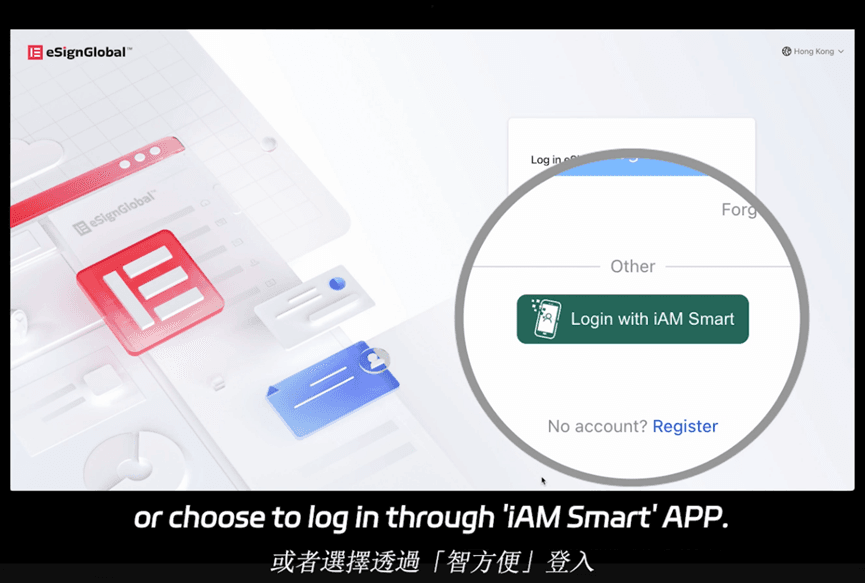
eSignGlobal วางตำแหน่งตัวเองเป็นทางเลือกที่สอดคล้องกับข้อกำหนด โดยมุ่งเน้นที่เอเชียแปซิฟิก รองรับลายเซ็นอิเล็กทรอนิกส์และการชำระเงินในกว่า 100 ประเทศหลัก แผน Essential มีราคาเพียง $16.6 ต่อเดือน อนุญาตให้ส่งเอกสารได้สูงสุด 100 ฉบับ ที่นั่งผู้ใช้ไม่จำกัด และการตรวจสอบสิทธิ์ผ่านรหัสผ่าน เน้นประสิทธิภาพด้านต้นทุนบนพื้นฐานของการปฏิบัติตามข้อกำหนด ค่าธรรมเนียมการทำธุรกรรมโดยรวมอยู่ที่ 2.5-3.5% ซึ่งมักจะต่ำกว่าเกตเวย์ระดับภูมิภาคของ DocuSign และผสานรวม IAm Smart ของฮ่องกงและ Singpass ของสิงคโปร์อย่างราบรื่นเพื่อเพิ่มความปลอดภัย สำหรับราคาโดยละเอียด โปรดไปที่ หน้าการกำหนดราคาของ eSignGlobal ทำให้เป็นที่น่าสนใจสำหรับธุรกิจที่ให้ความสำคัญกับความสามารถในการจ่ายและความสอดคล้องกับข้อกำหนดในท้องถิ่น โดยไม่ลดทอนความครอบคลุมทั่วโลก
คู่แข่งรายอื่นๆ: HelloSign และ PandaDoc
HelloSign รักษาค่าธรรมเนียมให้เรียบง่าย โดยมีเพียงอัตราเกตเวย์ (ไม่มีส่วนเพิ่มเติม) เหมาะสำหรับทีมขนาดเล็กที่มีความต้องการพื้นฐาน แม้ว่าข้อจำกัดด้านเอกสารอาจจำกัดการขยาย PandaDoc รวมการชำระเงินเข้ากับเครื่องมือข้อเสนอ โดยมีค่าธรรมเนียมที่ตรงกับตัวประมวลผลมาตรฐาน แต่เน้นที่การขายมากกว่าการลงนามทางอิเล็กทรอนิกส์ในวงกว้าง
ข้อควรพิจารณาเชิงกลยุทธ์สำหรับธุรกิจ
เมื่อประเมินแพลตฟอร์ม ให้พิจารณาปริมาณการทำธุรกรรมของคุณ: ค่าธรรมเนียมของ DocuSign เหมาะสำหรับการทำธุรกรรมที่มีมูลค่าสูงและไม่บ่อยนัก ในขณะที่คู่แข่งอาจเหมาะสมกว่าสำหรับการดำเนินงานที่มีความถี่สูง ในเอเชียแปซิฟิก ปัญหาการพำนักของข้อมูลและความหน่วงแฝงสามารถขยายต้นทุนได้ ตัวเลือกในระดับภูมิภาคสามารถลดค่าใช้จ่ายได้ 20-30% ตรวจสอบสัญญาเสมอสำหรับโควต้าที่ซ่อนอยู่สำหรับการส่งอัตโนมัติ เนื่องจากสิ่งเหล่านี้อาจส่งผลต่อซองจดหมายที่เปิดใช้งานการชำระเงิน
สรุป: การเลือกตัวเลือกที่เหมาะสม
สำหรับองค์กรระดับโลกที่ต้องการการผสานรวมที่แข็งแกร่ง DocuSign ยังคงเป็นตัวเลือกที่เชื่อถือได้ แม้จะมีค่าธรรมเนียมการทำธุรกรรมก็ตาม อีกทางเลือกหนึ่ง โดยเฉพาะอย่างยิ่งในด้านการปฏิบัติตามข้อกำหนดในระดับภูมิภาคในเอเชียแปซิฟิก eSignGlobal มอบตัวเลือกที่สมดุลและคุ้มค่า ธุรกิจควรประเมินตามความต้องการเฉพาะเพื่อเพิ่มประสิทธิภาพ ROI
