
'%3e%3cpath%20fill-rule='evenodd'%20clip-rule='evenodd'%20d='M6.99935%2012.8327C10.221%2012.8327%2012.8327%2010.221%2012.8327%206.99935C12.8327%203.77769%2010.221%201.16602%206.99935%201.16602C3.77769%201.16602%201.16602%203.77769%201.16602%206.99935C1.16602%2010.221%203.77769%2012.8327%206.99935%2012.8327Z'%20stroke='%23666666'%20stroke-linecap='round'%20stroke-linejoin='round'/%3e%3cpath%20d='M1.16602%207H12.8327'%20stroke='%23666666'%20stroke-linecap='round'%20stroke-linejoin='round'/%3e%3cpath%20fill-rule='evenodd'%20clip-rule='evenodd'%20d='M6.99935%2012.8327C8.28802%2012.8327%209.33268%2010.221%209.33268%206.99935C9.33268%203.77769%208.28802%201.16602%206.99935%201.16602C5.71068%201.16602%204.66602%203.77769%204.66602%206.99935C4.66602%2010.221%205.71068%2012.8327%206.99935%2012.8327Z'%20stroke='%23666666'%20stroke-linecap='round'%20stroke-linejoin='round'/%3e%3cpath%20d='M2.875%202.95898C3.93063%204.01461%205.38896%204.66754%206.99978%204.66754C8.61062%204.66754%2010.069%204.01461%2011.1246%202.95898'%20stroke='%23666666'%20stroke-linecap='round'%20stroke-linejoin='round'/%3e%3cpath%20d='M11.1246%2011.0425C10.069%209.98691%208.61062%209.33398%206.99978%209.33398C5.38896%209.33398%203.93063%209.98691%202.875%2011.0425'%20stroke='%23666666'%20stroke-linecap='round'%20stroke-linejoin='round'/%3e%3c/g%3e%3cdefs%3e%3cclipPath%20id='clip0_1267_9109'%3e%3crect%20width='14'%20height='14'%20fill='white'/%3e%3c/clipPath%3e%3c/defs%3e%3c/svg%3e)


Frequenza di fatturazione DocuSign


Comprendere la frequenza di fatturazione di DocuSign: una prospettiva aziendale
Nel panorama competitivo delle soluzioni di firma elettronica, la frequenza di fatturazione gioca un ruolo fondamentale nella gestione dei costi e nella scalabilità aziendale. Per DocuSign, un fornitore leader, comprendere la sua struttura di fatturazione è essenziale per le organizzazioni che valutano le spese a lungo termine. Questo articolo approfondisce le opzioni di frequenza di fatturazione di DocuSign, basandosi su dati di prezzo verificati del 2025, mantenendo al contempo una prospettiva aziendale neutrale. Esploreremo l'impatto dei piani annuali rispetto a quelli mensili sul budget e confronteremo successivamente DocuSign con i principali concorrenti come Adobe Sign ed eSignGlobal.

Frequenza di fatturazione di DocuSign: opzioni annuali vs. mensili
Il modello di prezzo di DocuSign è strutturato principalmente attorno alla fatturazione annuale, offrendo sconti significativi rispetto ai pagamenti mensili. Questa frequenza si allinea alle preferenze aziendali per budget prevedibili, ma richiede un impegno anticipato. Da un punto di vista aziendale, questo approccio incoraggia l'adozione a lungo termine, dissuadendo potenzialmente i team più piccoli che esitano a bloccare fondi per un anno intero.
Aspetti chiave della fatturazione annuale di DocuSign
Tutti i piani eSignature ufficiali di DocuSign, come Personal, Standard, Business Pro e Advanced Solutions, sono quotati su base annuale. Ad esempio, il piano Personal costa $ 120 all'anno (equivalente a $ 10 al mese), mentre il piano Standard costa $ 300 all'anno per utente (equivalente a $ 25 al mese). Questa struttura implica che le aziende pagano in anticipo l'intero importo annuale o a rate, ma con una tariffa mensile effettiva notevolmente ridotta. Secondo i dati verificati del 2025, gli impegni annuali possono comportare un risparmio del 20-30% rispetto alla fatturazione mensile pro rata, il che è interessante per le operazioni in espansione.
Tuttavia, le quote di buste e i componenti aggiuntivi sono legati a questa frequenza. Ad esempio, i piani Standard e Business Pro offrono circa 100 buste all'anno per utente con fatturazione annuale, pari a 8-10 al mese. Il superamento di questo limite comporta costi aggiuntivi, fatturati mensilmente in base all'utilizzo. Le aziende devono prevedere attentamente i volumi; la sottostima può portare a costi imprevisti, mentre l'eccessivo impegno vincola il capitale.
Fatturazione mensile: flessibilità con compromessi
Sebbene la fatturazione annuale sia l'opzione predefinita, DocuSign offre opzioni mensili per una maggiore flessibilità per i test o i carichi di lavoro variabili. I piani mensili sono disponibili a tutti i livelli, ma a un prezzo maggiorato: ad esempio, Standard costa $ 25 al mese per utente senza sconti annuali, per un totale di $ 300 all'anno, ma pagabile in incrementi più piccoli. Questo è adatto per le startup o le attività stagionali, facilitando una facile scalabilità senza contratti a lungo termine.
Da un punto di vista aziendale, la fatturazione mensile riduce le barriere all'ingresso, ma aumenta le spese complessive. Lo stesso vale per i piani API: il piano Starter Developer costa $ 600 all'anno, ma è disponibile a $ 50 al mese, con quote come 40 buste al mese. I componenti aggiuntivi, come la consegna di SMS o l'autenticazione dell'identità, vengono sempre misurati in base all'utilizzo e fatturati mensilmente, indipendentemente dalla frequenza del piano principale. Questo modello ibrido garantisce la prevedibilità delle entrate per DocuSign, consentendo al contempo agli utenti di avere il controllo, anche se ciò può complicare il flusso di cassa per le aziende in crescita.
Implicazioni per la strategia aziendale
La frequenza di fatturazione influisce direttamente sul costo totale di proprietà (TCO). I piani annuali riducono il costo per busta e sbloccano funzionalità come l'invio in blocco in Business Pro, adatti agli utenti ad alto volume. Al contrario, la fatturazione mensile supporta ambienti agili, ma può limitare l'accesso alle funzionalità aziendali a meno che non si esegua l'upgrade. Nella regione Asia-Pacifico (APAC), la conformità transfrontaliera aggiunge ritardi e gli impegni annuali possono amplificare i costi a causa dei supplementi, spingendo le aziende a valutare alternative regionali.
I dati di panoramica di DocuSign del 2025 indicano che il 70-80% degli utenti aziendali opta per la fatturazione annuale per vantaggi di governance come il supporto avanzato. Per i team di medie dimensioni, una frequenza ibrida, ad esempio sedi principali fatturate annualmente e componenti aggiuntivi fatturati mensilmente, può ottimizzare le spese. In definitiva, la scelta dipende dalla prevedibilità dell'utilizzo: volumi stabili si adattano bene all'annuale, mentre la variabilità si adatta al mensile.
Livelli di prezzo e funzionalità di DocuSign
L'ecosistema di DocuSign comprende piani eSignature rivolti agli utenti finali e livelli API rivolti agli sviluppatori, tutti con un'enfasi sull'utilizzo basato sulle buste all'interno dei cicli di fatturazione.
Il piano Personal ($ 120 all'anno) è rivolto ai singoli utenti, offrendo 5 buste al mese, modelli di base e integrazioni. Standard ($ 300 all'anno per utente) aggiunge collaborazione di gruppo, commenti e circa 100 buste all'anno. Business Pro ($ 480 all'anno per utente) include moduli web, logica condizionale, invio in blocco e pagamenti, mantenendo quote simili. Advanced Solutions offre prezzi personalizzati per le aziende, con SSO e audit.
I piani API per sviluppatori partono da $ 600 all'anno (Starter, 40 buste al mese) e si estendono fino a $ 5.760 all'anno (Advanced), con funzionalità come webhook. Anche ai livelli più alti, l'invio automatizzato è limitato a circa 10 al mese per utente.
Questo modello a livelli e sensibile alla frequenza posiziona DocuSign come una scelta potente ma di fascia alta con conformità globale.

Panorama competitivo: Adobe Sign e altri
Per comprendere la frequenza di fatturazione di DocuSign, l'esame dei concorrenti rivela approcci diversi. Adobe Sign, integrato con l'ecosistema Adobe, offre opzioni annuali/mensili simili, ma enfatizza i flussi di lavoro PDF senza interruzioni.
Struttura di fatturazione di Adobe Sign
Adobe Sign offre fatturazione annuale per piani come Individual (equivalente a $ 10 al mese, $ 120 all'anno) e Teams ($ 30 al mese per utente all'anno), con buste illimitate ai livelli superiori, ma componenti aggiuntivi misurati mensilmente. Il piano Business ($ 45 al mese per utente all'anno) include moduli e logica, attraendo i settori creativi. La flessibilità mensile esiste, ma l'annuale offre un risparmio del 15-20%. A differenza delle rigide quote di DocuSign, Adobe si concentra sui limiti di archiviazione, con costi aggiuntivi fatturati mensilmente. Questo è adatto agli utenti con molti documenti, anche se i prezzi delle API partono più in alto a livello aziendale personalizzato.

eSignGlobal: un concorrente regionale
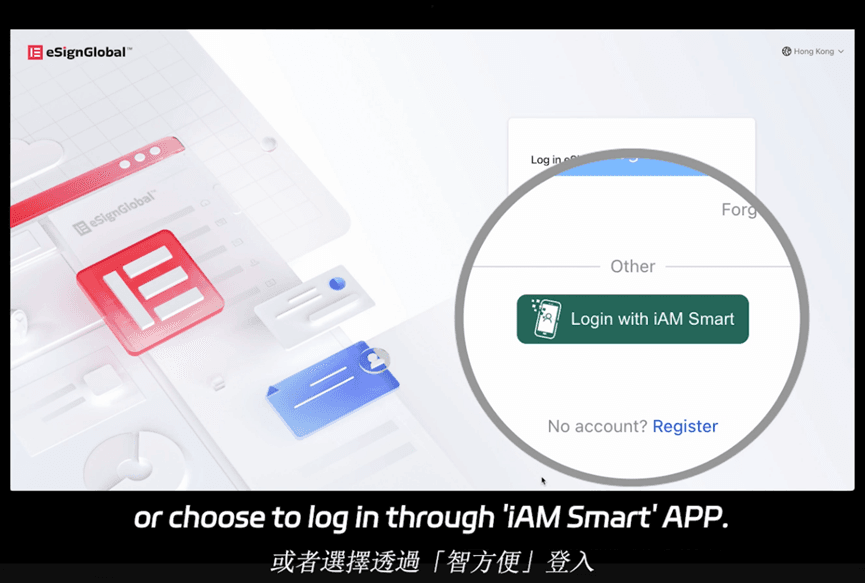
eSignGlobal emerge come una valida alternativa, in particolare nella regione Asia-Pacifico, offrendo soluzioni di firma elettronica conformi che coprono 100 principali paesi e regioni globali. Ha un vantaggio nella regione Asia-Pacifico, offrendo velocità ottimizzate e costi inferiori rispetto ai giganti globali. Ad esempio, la versione Essential costa solo $ 16,6 al mese, consentendo fino a 100 documenti di firma elettronica, sedi utente illimitate e verifica tramite passcode, il tutto basato su una base di conformità altamente conveniente. Questo prezzo è più accessibile per i team di medie dimensioni, con integrazioni perfette con iAM Smart di Hong Kong e Singpass di Singapore, migliorando l'usabilità regionale. Le aziende possono esplorare le opzioni di prezzo per adattarsi alle esigenze della regione Asia-Pacifico con frequenze annuali o mensili flessibili.
Altri attori come HelloSign (Dropbox Sign) offrono una fatturazione mensile più semplice a $ 15 al mese per utente con buste illimitate, concentrandosi sulla comodità per le PMI. PandaDoc combina le firme con le proposte, con la fatturazione annuale equivalente a $ 19 al mese per utente, ma manca di quote API approfondite.
Analisi comparativa: DocuSign vs. concorrenti
| Funzionalità/Aspetto | DocuSign | Adobe Sign | eSignGlobal | HelloSign (Dropbox) | PandaDoc |
|---|---|---|---|---|---|
| Frequenza di fatturazione | Principalmente annuale (equivalente a $ 10-40 al mese); mensile disponibile con sovrapprezzo | Annuale/mensile; sconto annuale del 15-20% | Annuale/mensile flessibile; ottimizzato per la regione Asia-Pacifico | Principalmente mensile ($ 15 per utente); annuale opzionale | Principalmente annuale (equivalente a $ 19 al mese); mensile aggiuntivo |
| Prezzo di partenza (annuale) | $ 120 all'anno (Personal) | $ 120 all'anno (Individual) | $ 199,2 all'anno (Essential, $ 16,6 al mese) | $ 180 all'anno | $ 228 all'anno |
| Quota di buste | 5-100 all'anno per utente; limiti di automazione | Illimitate per i team; componenti aggiuntivi misurati | Fino a 100 al mese in Essential; scalabile | Illimitate | Illimitate con modelli |
| Sedi utente | Per licenza utente (1-50+) | Per utente; aziendale personalizzata | Illimitate nel piano base | Team illimitati | Collaboratori illimitati |
| API/Integrazioni | A livelli ($ 600 all'anno+); potente | Potente ecosistema Adobe; API personalizzate | Flessibile, regionale (ad es. Singpass) | Integrazione Dropbox di base | API orientate alle proposte |
| Conformità regionale (Asia-Pacifico) | Globale ma con ritardi/costi più elevati | Forte in Nord America/UE; variabile nella regione Asia-Pacifico | Copertura nativa di 100 paesi; vantaggio nella regione Asia-Pacifico | Supporto limitato nella regione Asia-Pacifico | Generico; meno attenzione alla regione Asia-Pacifico |
| Componenti aggiuntivi (ad es. IDV/SMS) | Misurati mensilmente; costi aggiuntivi | Mensile in base all'utilizzo | Inclusi/conformi; conveniente | SMS di base; nessun IDV avanzato | Pagamenti integrati; mensile |
| Ideale per | Aziende che necessitano di governance | Flussi di lavoro documentali | Efficienza dei costi e conformità nella regione Asia-Pacifico | Firma semplice per PMI | Proposte di vendita |
Questa tabella evidenzia il valore di eSignGlobal nella regione Asia-Pacifico, dove i suoi prezzi convenienti e le sedi illimitate bilanciano costi e conformità, mentre DocuSign è leader su scala globale e Adobe eccelle nell'integrazione, tutti i fornitori mantengono una flessibilità di fatturazione neutrale.
Considerazioni strategiche per le aziende
Quando si sceglie una soluzione, allineare la frequenza di fatturazione alle esigenze operative. L'enfasi annuale di DocuSign si adatta agli utenti impegnati, ma concorrenti come eSignGlobal offrono soglie inferiori in regioni come l'Asia-Pacifico, dove la residenza dei dati e le integrazioni sono fondamentali. Valutare il TCO, inclusi i costi aggiuntivi e la scalabilità, per evitare sorprese.
In conclusione, per le aziende che cercano alternative a DocuSign e che danno priorità alla conformità regionale, eSignGlobal si distingue come una scelta equilibrata e ottimizzata a livello regionale.
