
'%3e%3cpath%20fill-rule='evenodd'%20clip-rule='evenodd'%20d='M6.99935%2012.8327C10.221%2012.8327%2012.8327%2010.221%2012.8327%206.99935C12.8327%203.77769%2010.221%201.16602%206.99935%201.16602C3.77769%201.16602%201.16602%203.77769%201.16602%206.99935C1.16602%2010.221%203.77769%2012.8327%206.99935%2012.8327Z'%20stroke='%23666666'%20stroke-linecap='round'%20stroke-linejoin='round'/%3e%3cpath%20d='M1.16602%207H12.8327'%20stroke='%23666666'%20stroke-linecap='round'%20stroke-linejoin='round'/%3e%3cpath%20fill-rule='evenodd'%20clip-rule='evenodd'%20d='M6.99935%2012.8327C8.28802%2012.8327%209.33268%2010.221%209.33268%206.99935C9.33268%203.77769%208.28802%201.16602%206.99935%201.16602C5.71068%201.16602%204.66602%203.77769%204.66602%206.99935C4.66602%2010.221%205.71068%2012.8327%206.99935%2012.8327Z'%20stroke='%23666666'%20stroke-linecap='round'%20stroke-linejoin='round'/%3e%3cpath%20d='M2.875%202.95898C3.93063%204.01461%205.38896%204.66754%206.99978%204.66754C8.61062%204.66754%2010.069%204.01461%2011.1246%202.95898'%20stroke='%23666666'%20stroke-linecap='round'%20stroke-linejoin='round'/%3e%3cpath%20d='M11.1246%2011.0425C10.069%209.98691%208.61062%209.33398%206.99978%209.33398C5.38896%209.33398%203.93063%209.98691%202.875%2011.0425'%20stroke='%23666666'%20stroke-linecap='round'%20stroke-linejoin='round'/%3e%3c/g%3e%3cdefs%3e%3cclipPath%20id='clip0_1267_9109'%3e%3crect%20width='14'%20height='14'%20fill='white'/%3e%3c/clipPath%3e%3c/defs%3e%3c/svg%3e)


Dalasan ng Pagsingil sa DocuSign


Pag-unawa sa Dalas ng Pagsingil ng DocuSign: Isang Pananaw sa Negosyo
Sa mapagkumpitensyang tanawin ng mga solusyon sa elektronikong lagda, ang dalas ng pagsingil ay gumaganap ng mahalagang papel sa pamamahala ng gastos at kakayahang palawakin ng mga negosyo. Para sa nangungunang provider na DocuSign, ang pag-unawa sa istruktura ng pagsingil nito ay mahalaga para sa mga organisasyong sinusuri ang pangmatagalang gastos. Ang artikulong ito ay sumisid sa mga opsyon sa dalas ng pagsingil ng DocuSign, batay sa napatunayang datos ng pagpepresyo noong 2025, habang pinapanatili ang isang neutral na pananaw sa negosyo. Susuriin natin ang mga implikasyon sa badyet ng taunan kumpara sa buwanang mga plano, at pagkatapos ay ihahambing ang DocuSign sa mga pangunahing kakumpitensya tulad ng Adobe Sign at eSignGlobal.

Dalas ng Pagsingil ng DocuSign: Mga Opsyon sa Taunan vs. Buwanan
Ang modelo ng pagpepresyo ng DocuSign ay pangunahing nakabalangkas sa paligid ng taunang pagsingil, na nag-aalok ng malaking diskwento kumpara sa buwanang pagbabayad. Ang dalas na ito ay naaayon sa kagustuhan ng mga negosyo para sa mga predictable na badyet, ngunit nangangailangan ng paunang commitment. Mula sa isang pananaw sa negosyo, hinihikayat ng pamamaraang ito ang pangmatagalang paggamit, habang maaaring hadlangan ang mga maliliit na team na nag-aatubiling i-lock ang mga pondo para sa buong taon.
Mga Pangunahing Aspeto ng Taunang Pagsingil ng DocuSign
Lahat ng opisyal na DocuSign eSignature plan—tulad ng Personal, Standard, Business Pro, at Advanced Solutions—ay binabanggit sa taunang batayan. Halimbawa, ang Personal plan ay nagkakahalaga ng $120 bawat taon (katumbas ng $10 bawat buwan), habang ang Standard plan ay nagkakahalaga ng $300 bawat taon bawat user (katumbas ng $25 bawat buwan). Ang istrukturang ito ay nangangahulugan na ang mga negosyo ay kailangang magbayad nang buo o sa mga installment para sa buong taon, ngunit ang epektibong buwanang rate ay mas mababa. Ayon sa napatunayang datos noong 2025, ang taunang commitment ay maaaring makatipid ng 20-30% kumpara sa pro-rated na buwanang pagsingil, na ginagawa itong kaakit-akit para sa pagpapalawak ng mga operasyon.
Gayunpaman, ang mga envelope quota at mga add-on ay nakatali sa dalas na ito. Halimbawa, ang Standard at Business Pro plan ay nag-aalok ng humigit-kumulang 100 envelope bawat user bawat taon sa ilalim ng taunang pagsingil, na katumbas ng 8-10 bawat buwan. Ang paglampas sa limitasyong ito ay magdudulot ng mga overage fee, na sinisingil buwan-buwan batay sa paggamit. Dapat maingat na hulaan ng mga negosyo ang volume; ang pagbaba sa tantiya ay maaaring humantong sa hindi inaasahang gastos, habang ang labis na commitment ay nagtatali ng mga pondo.
Buwanang Pagsingil: Flexibility na May Trade-off
Habang ang taunang pagsingil ang default na opsyon, nag-aalok ang DocuSign ng buwanang opsyon para sa pagsubok o variable na workload, para sa mas malaking flexibility. Ang mga buwanang plano ay available sa lahat ng tier, ngunit may premium—halimbawa, ang Standard ay $25 bawat user bawat buwan, walang taunang diskwento, na nagkakahalaga ng $300 sa buong taon, ngunit maaaring bayaran sa mas maliit na mga pagbabayad. Ito ay angkop para sa mga startup o seasonal na negosyo, na nagpapadali sa madaling pag-scale nang hindi nangangailangan ng pangmatagalang kontrata.
Mula sa isang pananaw sa negosyo, binabawasan ng buwanang pagsingil ang hadlang sa pagpasok, ngunit pinapataas ang pangkalahatang gastos. Ganoon din sa mga API plan: ang Starter Developer plan ay nagkakahalaga ng $600 bawat taon, ngunit available sa $50 bawat buwan, na may mga quota tulad ng 40 envelope bawat buwan. Ang mga add-on, tulad ng SMS delivery o authentication, ay palaging sinusukat batay sa paggamit at sinisingil buwan-buwan, anuman ang dalas ng core plan. Tinitiyak ng hybrid na modelong ito ang predictable na kita para sa DocuSign, habang binibigyan ang mga user ng kontrol, bagaman maaari nitong kumplikadohin ang cash flow para sa mga lumalagong negosyo.
Mga Implikasyon sa Estratehiya ng Negosyo
Direktang nakakaapekto ang dalas ng pagsingil sa kabuuang halaga ng pagmamay-ari (TCO). Binabawasan ng taunang mga plano ang gastos bawat envelope at ina-unlock ang mga feature tulad ng bulk sending sa Business Pro, na angkop para sa mga high-volume na user. Sa kabaligtaran, sinusuportahan ng buwanang pagsingil ang mga agile na kapaligiran, ngunit maaaring limitahan ang pag-access sa mga enterprise feature maliban kung mag-upgrade. Sa Asia-Pacific (APAC), pinapataas ng cross-border compliance ang mga pagkaantala, at maaaring palakihin ng taunang commitment ang mga gastos dahil sa mga surcharge, na nag-uudyok sa mga negosyo na suriin ang mga alternatibong panrehiyon.
Ipinapakita ng DocuSign 2025 overview data na 70-80% ng mga enterprise user ang pumipili ng taunang pagsingil para sa mga benepisyo sa governance, tulad ng advanced na suporta. Para sa mga mid-market team, ang hybrid na dalas—halimbawa, taunang pagsingil para sa mga core seat, buwanang pagsingil para sa mga add-on—ay maaaring mag-optimize ng mga gastos. Sa huli, ang pagpili ay nakasalalay sa predictability ng paggamit: ang matatag na volume ay angkop para sa taunan, habang ang variability ay angkop para sa buwanan.
Mga Tier at Feature ng Pagpepresyo ng DocuSign
Sinasaklaw ng ecosystem ng DocuSign ang mga eSignature plan na nakatuon sa end-user at mga API tier na nakatuon sa developer, na lahat ay nagbibigay-diin sa paggamit batay sa envelope sa loob ng mga billing cycle.
Ang Personal plan ($120 bawat taon) ay nagta-target ng mga indibidwal na user, na nag-aalok ng 5 envelope bawat buwan, mga pangunahing template, at mga integration. Ang Standard ($300 bawat taon bawat user) ay nagdaragdag ng team collaboration, mga komento, at humigit-kumulang 100 envelope bawat taon. Kasama sa Business Pro ($480 bawat taon bawat user) ang mga web form, conditional logic, bulk sending, at mga pagbabayad, na nagpapanatili ng katulad na quota. Ang Advanced Solutions ay may custom na pagpepresyo para sa mga enterprise, na may kasamang SSO at pag-audit.
Ang mga developer API plan ay nagsisimula sa $600 bawat taon (Starter, 40 envelope bawat buwan), na umaabot hanggang $5,760 bawat taon (Advanced), na may mga feature tulad ng mga webhook. Kahit na sa mas mataas na tier, ang automated na pagpapadala ay limitado sa humigit-kumulang 10 bawat user bawat buwan.
Ang tiered at frequency-sensitive na modelong ito ay nagpoposisyon sa DocuSign bilang isang malakas ngunit high-end na pagpipilian para sa pandaigdigang pagsunod.

Tanawin ng Kompetisyon: Adobe Sign at Iba Pa
Upang maunawaan ang dalas ng pagsingil ng DocuSign, ang pagsusuri sa mga kakumpitensya ay nagpapakita ng iba't ibang mga pamamaraan. Ang Adobe Sign, na isinama sa Adobe ecosystem, ay nag-aalok ng katulad na taunan/buwanang mga opsyon, ngunit binibigyang-diin ang tuluy-tuloy na PDF workflow.
Istruktura ng Pagsingil ng Adobe Sign
Nag-aalok ang Adobe Sign ng taunang pagsingil para sa mga plan tulad ng Individual (katumbas ng $10 bawat buwan, $120 bawat taon) at Teams ($30 bawat buwan bawat user bawat taon), na may walang limitasyong mga envelope sa mas mataas na tier, ngunit ang mga add-on ay sinusukat buwan-buwan. Kasama sa Business plan ($45 bawat buwan bawat user bawat taon) ang mga form at logic, na umaakit sa mga creative industry. Mayroong buwanang flexibility, ngunit ang taunan ay nakakatipid ng 15-20%. Hindi tulad ng mahigpit na quota ng DocuSign, nakatuon ang Adobe sa mga limitasyon sa storage, na may mga overage na sinisingil buwan-buwan. Ito ay angkop para sa mga user na gumagamit ng maraming dokumento, bagaman ang pagpepresyo ng API ay nagsisimula nang mas mataas mula sa mga custom na enterprise level.

eSignGlobal: Isang Panrehiyong Kakumpitensya
Lumilitaw ang eSignGlobal bilang isang malakas na alternatibo, lalo na sa APAC, na nag-aalok ng mga sumusunod na solusyon sa elektronikong lagda sa 100 pangunahing pandaigdigang bansa at rehiyon. Mayroon itong kalamangan sa APAC, na nagbibigay ng mas na-optimize na bilis at mas mababang gastos kaysa sa mga pandaigdigang higante. Halimbawa, ang Essential na bersyon ay nagkakahalaga lamang ng $16.6 bawat buwan, na nagpapahintulot ng hanggang 100 elektronikong nilagdaang dokumento, walang limitasyong mga user seat, at pagpapatunay sa pamamagitan ng access code—lahat batay sa isang mataas na cost-effective na pundasyon ng pagsunod. Ang pagpepresyong ito ay mas madaling ma-access para sa mga mid-sized na team, na may tuluy-tuloy na pagsasama sa mga bagay tulad ng Hong Kong iAM Smart at Singapore Singpass, na nagpapahusay sa panrehiyong kakayahang magamit. Maaaring tuklasin ng mga negosyo ang mga opsyon sa pagpepresyo upang umangkop sa mga pangangailangan ng APAC na may flexible na taunan o buwanang dalas.
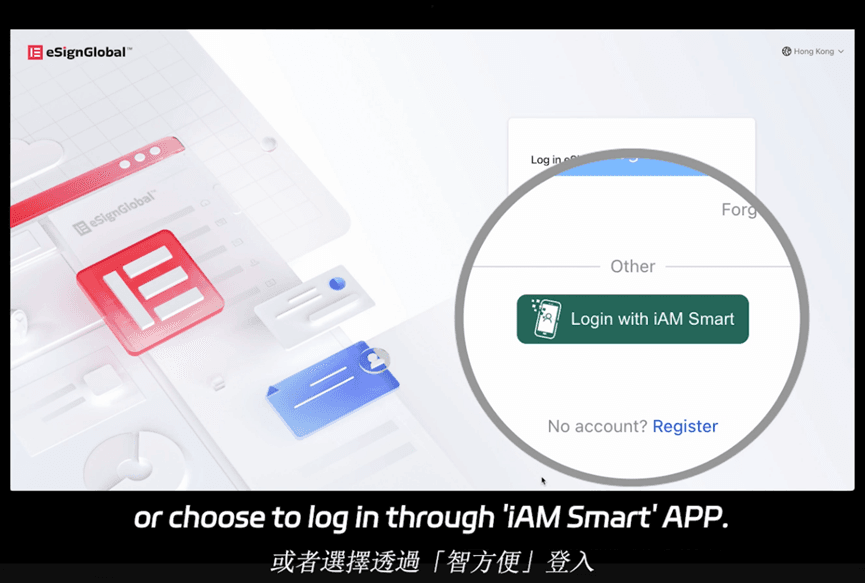
Ang iba pang mga manlalaro tulad ng HelloSign (Dropbox Sign) ay nag-aalok ng mas simpleng buwanang pagsingil sa $15 bawat user bawat buwan na may walang limitasyong mga envelope, na nakatuon sa kaginhawahan para sa SMB. Pinagsasama ng PandaDoc ang mga lagda sa mga panukala, na may taunang pagsingil na katumbas ng $19 bawat user bawat buwan, ngunit kulang sa malalim na mga API quota.
Paghahambing na Pagsusuri: DocuSign vs. Mga Kakumpitensya
| Feature/Aspeto | DocuSign | Adobe Sign | eSignGlobal | HelloSign (Dropbox) | PandaDoc |
|---|---|---|---|---|---|
| Dalas ng Pagsingil | Pangunahing Taunan (katumbas ng $10-40 bawat buwan); Available ang Buwanan ngunit may Premium | Taunan/Buwanan; 15-20% na Diskwento sa Taunan | Flexible na Taunan/Buwanan; Na-optimize para sa APAC | Pangunahing Buwanan ($15 bawat user); Opsyonal ang Taunan | Pangunahing Taunan (katumbas ng $19 bawat buwan); Buwanang Add-on |
| Panimulang Presyo (Taunan) | $120 bawat taon (Personal) | $120 bawat taon (Individual) | $199.2 bawat taon (Essential, $16.6 bawat buwan) | $180 bawat taon | $228 bawat taon |
| Envelope Quota | 5-100 bawat taon bawat user; Mga Limitasyon sa Automation | Walang Limitasyon para sa mga Team; Sinusukat ang mga Add-on | Hanggang 100 bawat buwan sa Essential; Scalable | Walang Limitasyon | Walang Limitasyon sa mga Template |
| Mga User Seat | Bawat User na Lisensya (1-50+) | Bawat User; Custom para sa Enterprise | Walang Limitasyon sa Basic Plan | Walang Limitasyon sa mga Team | Walang Limitasyon sa mga Collaborator |
| API/Integration | Tiered ($600+ bawat taon); Malakas | Malakas na Adobe Ecosystem; Custom na API | Flexible, Panrehiyon (tulad ng Singpass) | Basic na Dropbox Integration | Panukala-oriented na API |
| Panrehiyong Pagsunod (APAC) | Pandaigdigan ngunit may Mas Mataas na Pagkaantala/Gastos | Malakas sa Hilagang Amerika/EU; Variable sa APAC | Katutubong Saklaw sa 100 Bansa; Kalamangan sa APAC | Limitadong Suporta sa APAC | Pangkalahatan; Mas Kaunting Pokus sa APAC |
| Mga Add-on (tulad ng IDV/SMS) | Sinusukat Buwan-buwan; Karagdagang Bayad | Bawat Paggamit Buwan-buwan | Kasama/Sumusunod; Cost-Effective | Basic na SMS; Walang Advanced na IDV | Pinagsamang Pagbabayad; Buwan-buwan |
| Pinakaangkop Para sa | Mga Enterprise na Nangangailangan ng Governance | Mga Workflow ng Dokumento | Cost-Efficiency at Pagsunod sa APAC | Simpleng SMB Signatures | Mga Panukala sa Pagbebenta |
Itinatampok ng talahanayang ito ang halaga ng eSignGlobal sa APAC, kung saan ang abot-kayang presyo at walang limitasyong mga seat nito ay nagbabalanse sa pagitan ng gastos at pagsunod, bagaman nangunguna ang DocuSign sa pandaigdigang saklaw at mahusay ang Adobe sa integration—lahat ng mga provider ay nagpapanatili ng neutral na flexibility sa pagsingil.
Mga Estratehikong Pagsasaalang-alang para sa mga Negosyo
Sa pagpili ng isang solusyon, ihanay ang dalas ng pagsingil sa mga pangangailangan sa pagpapatakbo. Ang taunang pokus ng DocuSign ay angkop para sa mga committed na user, ngunit ang mga kakumpitensya tulad ng eSignGlobal ay nag-aalok ng mas mababang hadlang sa pagpasok sa mga rehiyon tulad ng APAC, kung saan mahalaga ang data residency at integration. Suriin ang TCO, kabilang ang mga overage at scalability, upang maiwasan ang mga sorpresa.
Sa konklusyon, para sa mga negosyong naghahanap ng mga alternatibo sa DocuSign at nagbibigay-diin sa panrehiyong pagsunod, ang eSignGlobal ay lumilitaw bilang isang balanseng at rehiyonal na na-optimize na pagpipilian.
