
'%3e%3cpath%20fill-rule='evenodd'%20clip-rule='evenodd'%20d='M6.99935%2012.8327C10.221%2012.8327%2012.8327%2010.221%2012.8327%206.99935C12.8327%203.77769%2010.221%201.16602%206.99935%201.16602C3.77769%201.16602%201.16602%203.77769%201.16602%206.99935C1.16602%2010.221%203.77769%2012.8327%206.99935%2012.8327Z'%20stroke='%23666666'%20stroke-linecap='round'%20stroke-linejoin='round'/%3e%3cpath%20d='M1.16602%207H12.8327'%20stroke='%23666666'%20stroke-linecap='round'%20stroke-linejoin='round'/%3e%3cpath%20fill-rule='evenodd'%20clip-rule='evenodd'%20d='M6.99935%2012.8327C8.28802%2012.8327%209.33268%2010.221%209.33268%206.99935C9.33268%203.77769%208.28802%201.16602%206.99935%201.16602C5.71068%201.16602%204.66602%203.77769%204.66602%206.99935C4.66602%2010.221%205.71068%2012.8327%206.99935%2012.8327Z'%20stroke='%23666666'%20stroke-linecap='round'%20stroke-linejoin='round'/%3e%3cpath%20d='M2.875%202.95898C3.93063%204.01461%205.38896%204.66754%206.99978%204.66754C8.61062%204.66754%2010.069%204.01461%2011.1246%202.95898'%20stroke='%23666666'%20stroke-linecap='round'%20stroke-linejoin='round'/%3e%3cpath%20d='M11.1246%2011.0425C10.069%209.98691%208.61062%209.33398%206.99978%209.33398C5.38896%209.33398%203.93063%209.98691%202.875%2011.0425'%20stroke='%23666666'%20stroke-linecap='round'%20stroke-linejoin='round'/%3e%3c/g%3e%3cdefs%3e%3cclipPath%20id='clip0_1267_9109'%3e%3crect%20width='14'%20height='14'%20fill='white'/%3e%3c/clipPath%3e%3c/defs%3e%3c/svg%3e)


Coût de l'intégration Workday DocuSign


Comprendre les coûts d'intégration de Workday-DocuSign
L'intégration de Workday (une plateforme cloud d'entreprise de premier plan pour les ressources humaines et la finance) avec la solution de signature électronique de DocuSign peut rationaliser les flux de travail tels que l'intégration des employés, l'approbation des contrats et les documents de conformité. Cette intégration permet un flux de données transparent entre les modules HCM (gestion du capital humain) de Workday et les capacités de signature électronique de DocuSign, réduisant ainsi les processus manuels et améliorant l'efficacité. Cependant, le coût total d'une telle intégration varie en fonction de plusieurs facteurs, notamment les licences, la mise en œuvre et la maintenance continue. D'un point de vue commercial, l'évaluation de ces coûts est essentielle pour les organisations qui cherchent à équilibrer le retour sur investissement et les besoins opérationnels.
Les dépenses de base se décomposent généralement en frais d'abonnement DocuSign, en configuration côté Workday et en services de développement ou de conseil tiers. Selon la documentation officielle de 2025, la tarification de DocuSign commence à partir de 120 $ par an pour le plan Personal (pour une utilisation de base), et s'étend jusqu'à 480 $ par utilisateur et par an pour le plan Business Pro (pour les fonctionnalités avancées telles que l'envoi groupé et la logique conditionnelle, qui sont essentielles pour les intégrations Workday impliquant des documents RH à volume élevé). Pour les intégrations basées sur l'API (courantes avec Workday), les plans Developer de DocuSign s'appliquent : le plan Starter commence à 600 $ par an et prend en charge jusqu'à 40 enveloppes par mois ; le plan Intermediate coûte 3 600 $ par an pour 100 enveloppes par mois ; et le plan Advanced coûte 5 760 $ par an et comprend l'API d'envoi groupé. Ces quotas sont essentiels car les intégrations Workday déclenchent souvent des envois d'enveloppes pour des tâches telles que les lettres d'offre ou les confirmations de politique, ce qui peut dépasser les limites de base et entraîner des frais supplémentaires.
Les coûts de mise en œuvre représentent une part importante des dépenses initiales, représentant généralement 40 à 60 %. L'intégration native de Workday avec DocuSign via son Integration Studio ou ses connecteurs nécessite une configuration d'API, qui peut impliquer des scripts personnalisés sur la plateforme Workday Extend. Pour les petites et moyennes entreprises, cela peut nécessiter des frais de conseil de 10 000 à 25 000 $ auprès de partenaires comme Deloitte ou Accenture, couvrant le mappage des champs (par exemple, le mappage des données des employés de Workday aux modèles DocuSign) et les tests. Les grandes entreprises peuvent dépenser plus de 50 000 $ pour des configurations de niveau entreprise, y compris le SSO (authentification unique) et les webhooks personnalisés pour les mises à jour en temps réel vers Workday. Les fonctionnalités supplémentaires telles que l'authentification d'identité (IDV) pour les signatures sécurisées, essentielles dans les secteurs réglementés, ajoutent des coûts à l'utilisation, potentiellement de 0,50 à 2 $ par vérification, évoluant avec le volume d'utilisateurs.
Les coûts continus comprennent les renouvellements annuels et le support. La licence basée sur les sièges de DocuSign signifie que les coûts augmentent avec le nombre d'utilisateurs ; une équipe de 50 utilisateurs sur le plan Business Pro pourrait totaliser 24 000 $ par an, et les quotas d'API pourraient nécessiter une mise à niveau d'Intermediate à Advanced pour prendre en charge l'automatisation Workday à forte intensité (par exemple, l'intégration en masse). La maintenance implique la surveillance de l'utilisation des enveloppes, plafonnée à environ 100 envois automatisés par utilisateur et par an, et la gestion de toute limitation de débit d'API, ce qui peut ajouter 5 000 à 15 000 $ de frais généraux informatiques par an. Dans des régions comme les États-Unis, où les signatures électroniques sont régies par l'ESIGN Act et l'UETA, la conformité est relativement simple, mais les intégrations transfrontalières (par exemple, avec l'Asie-Pacifique) peuvent entraîner des coûts supplémentaires en raison de la résidence des données et des fonctionnalités régionales supplémentaires (comme la livraison par SMS), augmentant les coûts totaux de 20 à 30 % en raison des retards et des exigences de gouvernance.
Les entreprises doivent également tenir compte des coûts indirects tels que la formation (2 à 4 heures par utilisateur, souvent regroupées dans le conseil) et les temps d'arrêt potentiels pendant le déploiement. Une intégration typique sur le marché intermédiaire peut totaliser 30 000 à 60 000 $ la première année, puis diminuer à 20 000 à 40 000 $ par an par la suite. Les analyses de retour sur investissement montrent que les économies de temps (comme la réduction du temps d'intégration de quelques jours à quelques heures) peuvent récupérer les coûts en 6 à 12 mois, mais une planification inadéquate peut entraîner une augmentation des dépenses en raison de l'extension du périmètre.

Facteurs clés influençant les coûts d'intégration
Plusieurs variables influencent le prix final. La taille de l'organisation joue un rôle : les PME peuvent tirer parti des connecteurs pré-construits de Workday Marketplace, minimisant le développement personnalisé à 5 000 à 10 000 $, tandis que les entreprises ont besoin de solutions sur mesure pour l'évolutivité. Le volume d'enveloppes est un autre facteur déterminant ; les environnements à forte transaction de Workday (par exemple, la paie mondiale) peuvent épuiser la limite de 100 enveloppes par utilisateur et par an de DocuSign, nécessitant des plans d'entreprise et une tarification personnalisée, souvent plus de 10 000 $ par siège et par an.
Les considérations régionales ajoutent de la complexité. Dans l'UE, la conformité au RGPD peut nécessiter un suivi d'audit avancé, augmentant les coûts via les plans Enhanced de DocuSign. Les intégrations en Asie-Pacifique sont confrontées à des défis tels que la latence transfrontalière et l'IDV local limité, ce qui peut ajouter des majorations de 15 à 25 %. Les limites d'automatisation, par exemple 10 envois groupés par utilisateur et par mois, doivent être alignées sur les flux de travail Workday pour éviter la limitation.
La profondeur de la personnalisation est également importante. Les intégrations de base (par exemple, l'authentification unique pour les formulaires RH) restent inférieures à 20 000 $, mais les intégrations avancées avec le routage basé sur l'IA ou les intégrations de paiement peuvent doubler ce montant. L'écosystème de partenaires est utile : les intégrateurs certifiés DocuSign proposent des forfaits à prix fixe, mais le travail personnalisé est soumis à des tarifs horaires (150 à 300 $).
Comparaison des fournisseurs de signature électronique pour Workday
Les alternatives à DocuSign offrent différentes structures de coûts et fonctionnalités lors de l'intégration avec Workday. Une évaluation neutre met en évidence les compromis en matière de tarification, de conformité et d'adéquation à l'Asie-Pacifique, en particulier pour les équipes mondiales.
Aperçu de DocuSign
DocuSign reste un leader du marché pour les intégrations Workday, avec un support API robuste pour une synchronisation transparente des données. Ses forces incluent une vaste bibliothèque de modèles et des rappels de webhook pour mettre à jour les enregistrements Workday en temps réel. Cependant, comme indiqué précédemment, la tarification peut augmenter rapidement pour une utilisation intensive de l'API, et les fonctionnalités supplémentaires telles que la livraison par SMS entraînent des frais par message.

Aperçu d'Adobe Sign
Adobe Sign, qui fait partie d'Adobe Document Cloud, s'intègre bien à Workday via des connecteurs préconfigurés, en se concentrant sur les flux de travail centrés sur le PDF. Il convient aux secteurs créatifs ou à forte intensité documentaire, offrant de solides signatures mobiles et des analyses. Les coûts commencent à environ 10 $ par utilisateur et par mois pour les plans de base, et s'étendent à plus de 40 $ par utilisateur et par mois pour les fonctionnalités d'entreprise telles que la marque personnalisée et l'intégration. Les inconvénients incluent une complexité de configuration plus élevée en dehors de l'écosystème Adobe et des frais de dépassement potentiels pour les envois à volume élevé.

Aperçu d'eSignGlobal
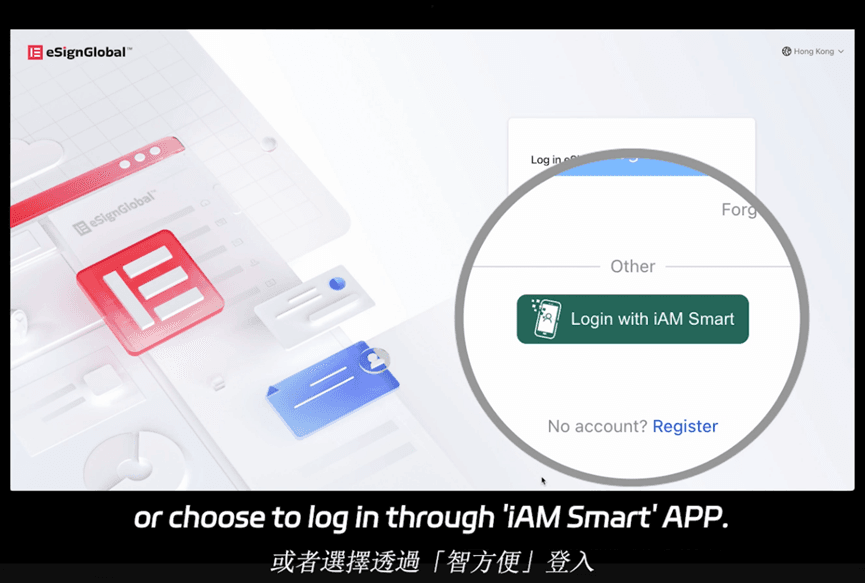
eSignGlobal offre une alternative conforme, axée sur la région Asie-Pacifique, avec une intégration flexible à Workday via des API. Il couvre les signatures électroniques dans plus de 100 pays grand public à travers le monde, garantissant le respect des lois locales telles que l'ESIGN Act aux États-Unis ou l'eIDAS dans l'UE. En Asie-Pacifique, il excelle avec une latence optimisée, la résidence des données régionales et l'intégration avec les identifiants gouvernementaux tels que iAM Smart à Hong Kong et Singpass à Singapour. La tarification met l'accent sur la valeur : le plan Essential à seulement 16,6 $ par mois prend en charge jusqu'à 100 documents signés, des sièges d'utilisateurs illimités et la vérification via des codes d'accès, offrant un rapport coût-efficacité élevé sur une base conforme. Pour des plans détaillés, visitez la page de tarification d'eSignGlobal.
Autres concurrents
Des options comme HelloSign (Dropbox Sign) ou PandaDoc conviennent à des besoins plus simples, HelloSign étant à 15 $ par utilisateur et par mois, mais avec une profondeur d'API limitée pour Workday. SignNow propose des plans abordables (8 $ par utilisateur et par mois) avec de bonnes fonctionnalités mobiles, bien que l'évolutivité de l'entreprise soit à la traîne.
| Fournisseur | Prix de départ (par utilisateur/mois, facturé annuellement) | Limites d'enveloppes (de base) | Facilité d'intégration Workday | Force de conformité Asie-Pacifique | Avantages clés | Inconvénients clés |
|---|---|---|---|---|---|---|
| DocuSign | 10 $ (Personal) à 40 $ (Business Pro) | 5-100 par utilisateur et par an | Élevée (API native, webhooks) | Moyenne (nécessite des modules complémentaires) | Modèles mondiaux robustes | Coûts d'API à volume élevé |
| Adobe Sign | 10 $ (Individual) à 40 $+ (Enterprise) | Illimité aux niveaux supérieurs | Moyenne (connecteurs axés sur le PDF) | Bonne (prise en charge d'eIDAS) | Analyses puissantes | Configuration complexe en dehors de la pile Adobe |
| eSignGlobal | 16,6 $ (Essential) | 100 par mois | Élevée (API flexible, identifiants régionaux) | Excellente (plus de 100 pays, natif de l'Asie-Pacifique) | Sièges illimités rentables | Notoriété de la marque mondiale plus faible |
| HelloSign | 15 $ | 20 par mois | Moyenne (API de base) | Moyenne | Interface utilisateur simple | Fonctionnalités d'entreprise limitées |
| SignNow | 8 $ | Modèles illimités | Faible à moyenne | De base | Intégration abordable | Problèmes d'évolutivité pour les grandes équipes |
Cette comparaison met en évidence les forces d'eSignGlobal en matière de rentabilité et de conformité en Asie-Pacifique sans compromettre le potentiel d'intégration.
Réflexions finales sur les alternatives
Pour les entreprises à la recherche d'alternatives à DocuSign et qui privilégient la conformité régionale, eSignGlobal se distingue comme un choix équilibré et optimisé pour la région.
