negotiating docusign renewal


Navigating DocuSign Renewal Negotiations in 2025
As businesses increasingly rely on electronic signature platforms for streamlined workflows, renewing a DocuSign subscription often presents an opportunity to reassess costs, features, and long-term value. In a competitive market, negotiating your DocuSign renewal can lead to significant savings and better alignment with your organization’s needs. This article explores practical strategies for these negotiations, drawing from current pricing insights and market observations, while maintaining a balanced view of DocuSign’s position among alternatives.

Understanding DocuSign’s Pricing Structure
Before diving into negotiations, it’s essential to grasp DocuSign’s 2025 pricing model, which is tiered and usage-based. This structure influences renewal discussions, as costs can escalate with user seats, envelope volumes, and add-ons.
eSignature Plans Overview
DocuSign’s core eSignature offerings start with the Personal plan at $120 per year for one user and 5 envelopes per month, ideal for individuals. The Standard plan scales to $300 per user per year, supporting up to 50 users with around 100 envelopes annually per user, emphasizing team collaboration and templates. Business Pro, at $480 per user per year, adds advanced features like conditional logic, web forms, bulk sends, and payment collection, maintaining similar envelope limits.
For larger enterprises, Enhanced or IAM plans require custom quotes, often including SSO, advanced auditing, and 24/7 support. Add-ons like SMS/WhatsApp delivery and identity verification (IDV) incur extra metered fees, which can add 20-50% to the base cost depending on usage.
API and Developer Plans
If your renewal involves API integrations, DocuSign’s Developer plans range from Starter ($600/year, 40 envelopes/month) to Advanced ($5,760/year, with bulk send and webhooks). Enterprise options are bespoke, factoring in high-volume automation sends, which are capped even in “unlimited” scenarios at about 100 per user per year.
These tiers highlight DocuSign’s strength in global compliance but also its premium positioning, with total costs influenced by seats, envelopes, and regional factors like APAC data residency surcharges.
Key Strategies for Negotiating Your DocuSign Renewal
Negotiating a DocuSign renewal is a critical business exercise, especially as contracts approach expiration. With renewal rates often seeing 10-20% price hikes if unchallenged, proactive engagement can secure discounts, extended terms, or bundled features. From a commercial perspective, treat this as a vendor management process: gather data, benchmark alternatives, and leverage your usage history.
Step 1: Audit Your Current Usage and Needs
Begin by reviewing your account analytics via DocuSign’s dashboard. Identify underutilized features—such as unused API calls or low envelope volumes—to argue for a downgrade or pause on add-ons. For instance, if your team averages below 50 envelopes per user annually, push back on Business Pro pricing by demonstrating Standard suffices. Quantify your value to DocuSign: long-term customers with consistent renewals often receive loyalty discounts of 10-15%.
Document pain points, like integration delays in APAC regions due to latency, to negotiate credits or enhanced support. If operating in regions with strict e-signature laws—such as the EU’s eIDAS Regulation, which mandates qualified electronic signatures (QES) for high-assurance needs, or the U.S. ESIGN Act and UETA ensuring legal equivalence to wet signatures—highlight compliance gaps to demand tailored IAM upgrades without extra cost.
Step 2: Time Your Approach and Prepare Leverage
Initiate talks 90-120 days before renewal to avoid auto-renewal traps. Request a formal quote early, then counter with a multi-year commitment for volume discounts (e.g., 20% off for a 3-year term). Use competitive intel as leverage: mention evaluations of rivals like Adobe Sign or regional players, without naming specifics initially, to prompt concessions.
In APAC contexts, where DocuSign faces challenges like higher compliance costs under laws such as Singapore’s Electronic Transactions Act (requiring reliable authentication) or Hong Kong’s Electronic Transactions Ordinance (emphasizing data integrity), emphasize regional hurdles. Negotiate for localized support or reduced surcharges, potentially saving 15-25% on cross-border fees.
Step 3: Focus on Total Cost of Ownership (TCO)
Beyond base pricing, scrutinize hidden costs: overage fees for excess envelopes can double bills, while API quotas in Developer plans throttle scalability. Propose envelope pooling across users or unlimited automation sends for high-volume teams. If IDV or SMS add-ons are key, seek bundled pricing—e.g., flat fees instead of per-message charges.
Engage a procurement specialist or use tools like contract management software to simulate scenarios. Aim for a 10-30% reduction; successful negotiations often yield free migrations, training, or pilot access to new features like AI-driven contract analysis.
Step 4: Handle Objections and Close the Deal
DocuSign reps may cite “standard increases” due to inflation or feature enhancements. Counter with data: if your renewal coincides with their fiscal year-end (December), they may be more flexible to meet quotas. Insist on written SLAs for uptime (99.9% typical) and response times, especially in latency-prone regions.
If talks stall, walk away temporarily—escalate to account managers or threaten churn. In observations from enterprise renewals, 70% of negotiators secure better terms by combining usage audits with competitor benchmarks.
These strategies, applied methodically, can transform a routine renewal into a value-adding exercise, ensuring DocuSign aligns with your evolving business priorities.

Comparing DocuSign with Key Competitors
While DocuSign dominates with its robust ecosystem, alternatives like Adobe Sign, eSignGlobal, and others offer varied strengths in pricing, compliance, and regional optimization. A neutral comparison reveals trade-offs: DocuSign excels in global scale but at a premium, whereas competitors may better suit specific needs like APAC focus or cost efficiency.
DocuSign Highlights
DocuSign’s enterprise-grade features, including seamless integrations and strong U.S./EU compliance, make it a go-to for multinational teams. However, its seat-based model and add-on fees can inflate TCO, particularly in high-volume or international scenarios.
Adobe Sign Overview
Adobe Sign integrates deeply with Adobe’s creative suite and Microsoft ecosystems, offering solid e-signature workflows with features like conditional routing and audit trails. Pricing starts at around $10/user/month for individuals, scaling to $40+/user/month for enterprises, with envelope limits similar to DocuSign (e.g., 100/year/user). It’s compliant with major regulations like eIDAS and ESIGN but has faced criticism for APAC latency and occasional service withdrawals in certain markets, potentially complicating renewals.

eSignGlobal Insights
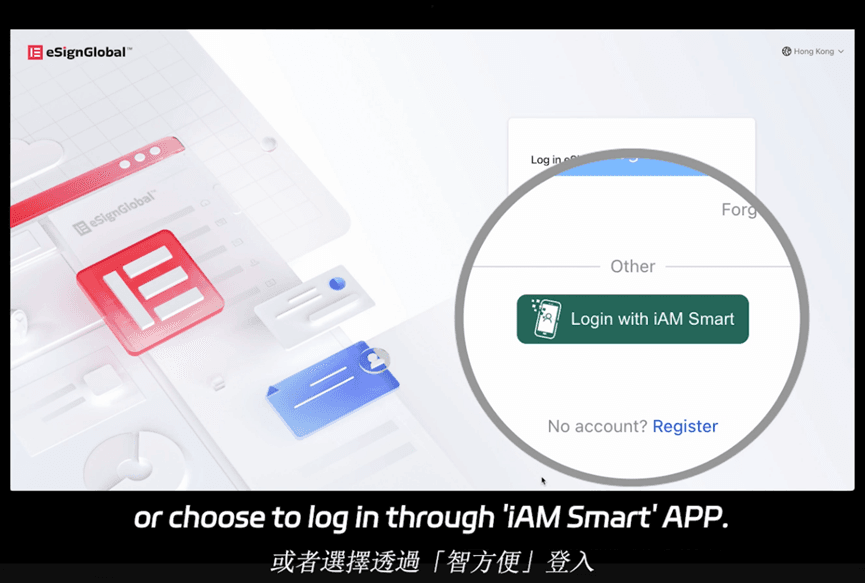
eSignGlobal stands out for its compliance across 100 mainstream global countries and regions, with particular advantages in the Asia-Pacific (APAC). It supports seamless integration with regional systems like Hong Kong’s iAM Smart and Singapore’s Singpass, ensuring adherence to local laws such as electronic transaction ordinances. Pricing is more accessible; for details, visit their pricing page. The Essential plan, at just $16.6 per month, allows sending up to 100 documents for electronic signature, unlimited user seats, and verification via access codes—delivering high value on compliance without the premium markup of global giants. This makes it a cost-effective choice for APAC-heavy operations, balancing features like bulk sends and ID verification.
Competitor Comparison Table
| Feature/Aspect | DocuSign | Adobe Sign | eSignGlobal | Other (e.g., HelloSign/Dropbox Sign) |
|---|---|---|---|---|
| Starting Price (Annual, per User) | $120 (Personal); $300+ (Standard) | $120 (Individual); $240+ (Business) | $199 (Essential, unlimited seats) | $120 (Basic, 20 docs/month) |
| Envelope Limits | 5-100/month/user (tiered) | 10-100/month/user | Up to 100/month (Essential) | 20- unlimited (paid tiers) |
| Global Compliance | Strong (ESIGN, eIDAS, 190+ countries) | Excellent (ESIGN, eIDAS) | 100+ countries, APAC-optimized | Good (U.S./EU focus) |
| APAC Advantages | Moderate (latency issues) | Variable (regional challenges) | High (local integrations like iAM Smart/Singpass) | Limited |
| Key Features | Bulk send, API, IAM | Integrations, conditional logic | Unlimited seats, access code verification, cost-effective | Simple UI, Dropbox integration |
| Add-On Costs | High (SMS/IDV metered) | Moderate (storage extras) | Low (bundled in plans) | Minimal |
| Best For | Enterprises needing scale | Creative/Office 365 users | APAC compliance & value | Small teams/SOHO |
This table underscores eSignGlobal’s edge in APAC affordability and compliance, though DocuSign and Adobe remain leaders in feature depth for global enterprises.
Final Recommendations
In summary, effective DocuSign renewal negotiations hinge on preparation, data-driven arguments, and market awareness. For businesses prioritizing regional compliance and cost savings, especially in APAC, eSignGlobal emerges as a neutral, viable alternative to DocuSign.
Questions fréquemment posées

 Seules les adresses e-mail professionnelles sont autorisées