
'%3e%3cpath%20fill-rule='evenodd'%20clip-rule='evenodd'%20d='M6.99935%2012.8327C10.221%2012.8327%2012.8327%2010.221%2012.8327%206.99935C12.8327%203.77769%2010.221%201.16602%206.99935%201.16602C3.77769%201.16602%201.16602%203.77769%201.16602%206.99935C1.16602%2010.221%203.77769%2012.8327%206.99935%2012.8327Z'%20stroke='%23666666'%20stroke-linecap='round'%20stroke-linejoin='round'/%3e%3cpath%20d='M1.16602%207H12.8327'%20stroke='%23666666'%20stroke-linecap='round'%20stroke-linejoin='round'/%3e%3cpath%20fill-rule='evenodd'%20clip-rule='evenodd'%20d='M6.99935%2012.8327C8.28802%2012.8327%209.33268%2010.221%209.33268%206.99935C9.33268%203.77769%208.28802%201.16602%206.99935%201.16602C5.71068%201.16602%204.66602%203.77769%204.66602%206.99935C4.66602%2010.221%205.71068%2012.8327%206.99935%2012.8327Z'%20stroke='%23666666'%20stroke-linecap='round'%20stroke-linejoin='round'/%3e%3cpath%20d='M2.875%202.95898C3.93063%204.01461%205.38896%204.66754%206.99978%204.66754C8.61062%204.66754%2010.069%204.01461%2011.1246%202.95898'%20stroke='%23666666'%20stroke-linecap='round'%20stroke-linejoin='round'/%3e%3cpath%20d='M11.1246%2011.0425C10.069%209.98691%208.61062%209.33398%206.99978%209.33398C5.38896%209.33398%203.93063%209.98691%202.875%2011.0425'%20stroke='%23666666'%20stroke-linecap='round'%20stroke-linejoin='round'/%3e%3c/g%3e%3cdefs%3e%3cclipPath%20id='clip0_1267_9109'%3e%3crect%20width='14'%20height='14'%20fill='white'/%3e%3c/clipPath%3e%3c/defs%3e%3c/svg%3e)


Top 10 electronic signature companies

'%3e%3cpath%20d='M20.3088%200H3.6912C1.6596%200%200%201.6488%200%203.666V20.334C0%2022.3512%201.6596%2024%203.6912%2024H20.3088C22.3368%2024%2024%2022.3512%2024%2020.334V3.666C24%201.6488%2022.3368%200%2020.3088%200ZM21.0372%2019.8792C19.344%2019.8792%2017.6556%2019.8792%2015.9612%2019.884C15.8436%2019.884%2015.78%2019.8336%2015.7116%2019.7496C14.3868%2018.0216%2013.0584%2016.2972%2011.7288%2014.5728C11.6916%2014.5224%2011.6484%2014.472%2011.5932%2014.4012L11.4456%2014.5608C9.9216%2016.2888%208.3976%2018.0216%206.8736%2019.7532C6.83925%2019.797%206.79476%2019.8318%206.74395%2019.8546C6.69315%2019.8774%206.63757%2019.8875%206.582%2019.884C5.766%2019.8792%204.9524%2019.8792%204.08%2019.8792C6.1884%2017.4876%208.262%2015.132%2010.3404%2012.7692C8.1444%209.9192%205.9556%207.0716%203.75%204.2084C3.81%204.2%203.8472%204.188%203.8856%204.188C5.634%204.188%207.3776%204.188%209.126%204.1832C9.2616%204.1832%209.3168%204.2552%209.384%204.3428C10.56%205.8908%2011.7372%207.434%2012.9144%208.9808C12.9648%209.048%2013.0164%209.1152%2013.0836%209.1992C13.1304%209.1488%2013.1772%209.1032%2013.2192%209.0564L17.3832%204.326C17.4173%204.28115%2017.4617%204.24519%2017.5127%204.22116C17.5637%204.19714%2017.6197%204.18576%2017.676%204.188C18.4428%204.1916%2019.212%204.1916%2019.9788%204.1916H20.1864L14.3328%2010.8396L21.2064%2019.8672C21.126%2019.8708%2021.084%2019.8792%2021.0372%2019.8792Z'%20fill='black'/%3e%3c/g%3e%3cdefs%3e%3cclipPath%20id='clip0_2781_2582'%3e%3crect%20width='24'%20height='24'%20fill='white'/%3e%3c/clipPath%3e%3c/defs%3e%3c/svg%3e)

'%3e%3cpath%20d='M21.336%200H2.664C1.95811%200.00210824%201.28174%200.283456%200.782596%200.782596C0.283456%201.28174%200.00210824%201.95811%200%202.664L0%2021.336C0.00210824%2022.0419%200.283456%2022.7183%200.782596%2023.2174C1.28174%2023.7165%201.95811%2023.9979%202.664%2024H21.336C22.0419%2023.9979%2022.7183%2023.7165%2023.2174%2023.2174C23.7165%2022.7183%2023.9979%2022.0419%2024%2021.336V2.664C23.9979%201.95811%2023.7165%201.28174%2023.2174%200.782596C22.7183%200.283456%2022.0419%200.00210824%2021.336%200ZM8.256%2018.664H4.85599V8.80003H8.256V18.664ZM6.56801%207.464C6.08545%207.48573%205.61398%207.31516%205.25703%206.9897C4.90008%206.66425%204.6868%206.21049%204.66399%205.72798C4.68886%205.2469%204.90303%204.79519%205.25975%204.47145C5.61647%204.14771%206.08678%203.97823%206.56801%204.00001C7.04924%203.97824%207.51954%204.14773%207.87626%204.47147C8.23298%204.79521%208.44714%205.24693%208.472%205.72801C8.4451%206.20767%208.23005%206.65734%207.87356%206.97938C7.51707%207.30142%207.04792%207.46981%206.56801%207.44799V7.464ZM20.216%2018.664H16.8V13.328C16.8%2012.232%2016.368%2011.136%2015.088%2011.136C14.8139%2011.1463%2014.5449%2011.2132%2014.2979%2011.3323C14.0508%2011.4515%2013.831%2011.6203%2013.6523%2011.8284C13.4736%2012.0364%2013.3397%2012.2791%2013.2591%2012.5413C13.1785%2012.8035%2013.153%2013.0795%2013.184%2013.352V18.656H9.888V8.80001H13.208V10.224C13.551%209.69217%2014.0263%209.2585%2014.5872%208.96542C15.1481%208.67234%2015.7755%208.52988%2016.408%208.55199C17.824%208.55199%2020.24%209.264%2020.24%2013.12L20.216%2018.664Z'%20fill='black'/%3e%3c/g%3e%3cdefs%3e%3cclipPath%20id='clip0_2754_1960'%3e%3crect%20width='24'%20height='24'%20fill='white'/%3e%3c/clipPath%3e%3c/defs%3e%3c/svg%3e)
The Rise of Electronic Signature Solutions in a Digital-First World
In the evolving landscape of digital business, electronic signature companies have become indispensable tools for streamlining contracts, approvals, and collaborations. From startups to enterprises, these platforms offer secure, efficient ways to replace paper-based processes, driven by regulatory advancements and remote work trends. As businesses prioritize compliance, integration, and cost-effectiveness, the market—valued at over $10 billion globally in 2024—continues to grow at a 30% CAGR. This article explores the top players, drawing on commercial insights to highlight their strengths without bias.
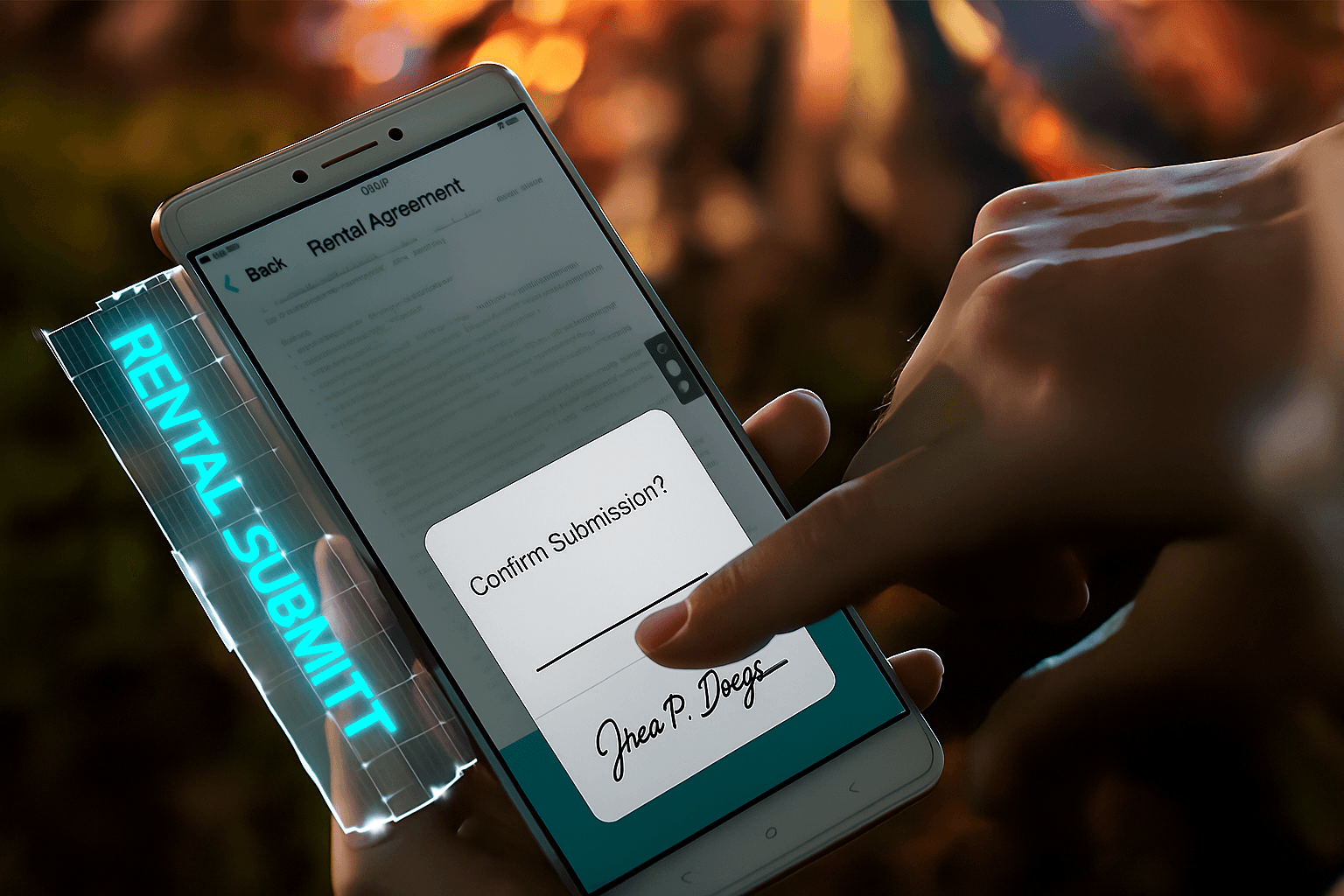
Top 10 Electronic Signature Companies
The electronic signature industry features a mix of established giants and agile innovators. Below, we profile the top 10 based on market share, user adoption, feature depth, and regional relevance. Rankings are derived from industry reports like Gartner and Forrester, focusing on global usability and innovation.
1. DocuSign
DocuSign leads the pack as a pioneer in electronic signatures since 2003, serving over 1 million customers worldwide. Its eSignature platform emphasizes enterprise-grade security and workflow automation, with plans starting at $10/month for individuals (Personal plan, 5 envelopes/month) up to $40/month per user for Business Pro (100 envelopes/year/user, including bulk send and payments). Key strengths include robust API integrations, compliance with eIDAS and ESIGN Act, and add-ons like SMS delivery and identity verification. However, pricing can escalate for high-volume or API-heavy use, and APAC latency issues may affect performance in Asia. DocuSign’s scalability suits multinational firms, but smaller teams might find it feature-overloaded.

2. Adobe Sign
Adobe Sign, part of Adobe Document Cloud, integrates seamlessly with PDF tools, appealing to creative and legal teams. Pricing begins at around $10/month for basic plans, scaling to $25+/user/month for enterprise tiers with unlimited envelopes and advanced analytics. It excels in mobile signing, conditional fields, and integrations with Microsoft 365 and Salesforce. Compliance covers global standards like GDPR and HIPAA, making it ideal for document-heavy workflows. Drawbacks include higher costs for add-ons like biometric verification and occasional complexity in setup for non-technical users.

3. eSignGlobal
eSignGlobal emerges as a strong contender, particularly for APAC-focused businesses, offering compliant e-signing across 100+ mainstream countries and regions. Its platform supports seamless integrations with regional systems like Hong Kong’s iAM Smart and Singapore’s Singpass, ensuring local regulatory alignment without cross-border hurdles. The Essential plan, at just $16.6/month, allows sending up to 100 documents for electronic signature, unlimited user seats, and verification via access codes—delivering high value on compliance without premium pricing. For detailed pricing options, users can explore flexible tiers that undercut competitors in the region while maintaining features like bulk sends and audit trails. This makes it a cost-effective choice for SMEs in Asia, balancing global reach with localized efficiency.

4. HelloSign (Dropbox Sign)
HelloSign, acquired by Dropbox in 2019, simplifies signing with a user-friendly interface and unlimited templates in its $15/month Essentials plan (up to 20 documents/month). It shines in team collaboration and integrations with Dropbox, Google Workspace, and Slack. Compliance includes U.S. ESIGN and EU eIDAS, but envelope limits can constrain high-volume users. It’s best for small businesses seeking affordability over enterprise depth.
5. PandaDoc
PandaDoc combines e-signatures with document automation, ideal for sales teams. Pricing starts at $19/user/month (Essentials, 100 documents/month), featuring CRM integrations like HubSpot and real-time analytics. It supports ESIGN and GDPR, with strengths in proposal tracking. However, advanced features like custom workflows require higher tiers ($49+/user/month), potentially overwhelming solopreneurs.
6. SignNow (airSlate)
SignNow offers flexible pricing from $8/month (Business, unlimited envelopes for small teams) and emphasizes mobile-first signing with widgets for websites. It complies with global standards and integrates with Zapier for automation. A solid mid-tier option, it lacks some API sophistication compared to leaders but excels in ease of use for non-profits and agencies.
7. OneSpan Sign
Formerly Adobe Sign’s enterprise arm (rebranded), OneSpan focuses on high-security sectors like finance and healthcare. Plans are custom-priced, often $30+/user/month, with biometric authentication and ISO 27001 compliance. Its strength lies in fraud prevention, but the opaque pricing and steep learning curve may deter smaller firms.
8. Zoho Sign
Integrated into the Zoho ecosystem, Zoho Sign is budget-friendly at $10/user/month (Standard, unlimited documents) and supports eIDAS, ESIGN, and UGDPR. It offers reusable forms and team approvals, suiting CRM users. While versatile for international teams, customization options are limited versus specialized platforms.
9. RightSignature (Citrix)
RightSignature provides secure, template-driven signing for $10/month (Lite, 3 documents/month) up to enterprise custom plans. Compliant with U.S. and EU regs, it integrates with Citrix Workspace. It’s reliable for legal workflows but envelope caps and integration depth fall short for global enterprises.
10. Signeasy
Signeasy targets mobile users with plans from $10/month (Starter, 10 envelopes/month), featuring offline signing and WhatsApp delivery. It aligns with ESIGN and eIDAS, with strong APAC presence via local languages. Affordable for freelancers, but scalability for large orgs requires upgrades.
These companies represent diverse needs: DocuSign and Adobe for globals, eSignGlobal for regional compliance, and others for niche affordability.
Comparative Analysis of Leading Providers
To aid decision-making, here’s a neutral comparison of four key players—DocuSign, Adobe Sign, eSignGlobal, and HelloSign—based on pricing, features, and regional fit. Data draws from 2025 public sources, highlighting trade-offs without endorsement.
| Feature/Aspect | DocuSign | Adobe Sign | eSignGlobal | HelloSign (Dropbox Sign) |
|---|---|---|---|---|
| Starting Price (Monthly, USD) | $10 (Personal, 5 envelopes) | $10 (Basic, limited envelopes) | $16.6 (Essential, 100 docs) | $15 (Essentials, 20 docs) |
| Envelope Limit (Entry Plan) | 5/month | Unlimited (higher tiers) | 100/month | 20/month |
| User Seats | 1 (Personal); up to 50/team | Unlimited in teams | Unlimited | Up to 5/team |
| Key Features | Bulk send, API, payments, SSO | PDF integration, conditional logic | Access code verification, regional integrations (e.g., Singpass) | Templates, Dropbox sync, comments |
| Compliance | Global (ESIGN, eIDAS, GDPR) | Global + HIPAA | 100+ countries, APAC-optimized | ESIGN, eIDAS |
| APAC Strengths | Solid but latency issues | Good integrations, higher costs | Native (HK/SG), lower pricing | Basic, U.S.-centric |
| Best For | Enterprises, high-volume API | Document workflows, creatives | Regional compliance, SMEs | Small teams, simple needs |
| Drawbacks | Expensive add-ons, APAC delays | Setup complexity | Less brand recognition globally | Limited advanced automation |
This table underscores eSignGlobal’s edge in APAC cost-efficiency and compliance, while DocuSign dominates in scale. Choices depend on business size and geography.
Navigating Regulations in Key Markets
Electronic signatures’ viability hinges on laws. In the U.S., the ESIGN Act (2000) and UETA grant them legal equivalence to wet signatures for most contracts. The EU’s eIDAS Regulation (2014, updated 2024) categorizes signatures into Basic, Advanced, and Qualified levels, with Qualified eSignatures (QeS) offering highest enforceability via certified providers. Asia varies: Singapore’s Electronic Transactions Act (ETA) mirrors ESIGN, enabling full legal effect; Hong Kong’s ETA supports cross-border use but requires data localization for sensitive info. China’s Electronic Signature Law (2005) distinguishes general and reliable signatures, favoring platforms with local certification. These frameworks boost adoption but demand provider alignment—e.g., QeS for EU finance, reliable signatures for Chinese real estate.
Conclusion
Selecting an electronic signature company involves weighing global compliance, pricing, and integrations against specific needs. For Docusign users seeking alternatives, eSignGlobal stands out as a regionally compliant option, especially in APAC, offering robust features at competitive rates. Evaluate trials to match your workflow.
FAQs
