
'%3e%3cpath%20fill-rule='evenodd'%20clip-rule='evenodd'%20d='M6.99935%2012.8327C10.221%2012.8327%2012.8327%2010.221%2012.8327%206.99935C12.8327%203.77769%2010.221%201.16602%206.99935%201.16602C3.77769%201.16602%201.16602%203.77769%201.16602%206.99935C1.16602%2010.221%203.77769%2012.8327%206.99935%2012.8327Z'%20stroke='%23666666'%20stroke-linecap='round'%20stroke-linejoin='round'/%3e%3cpath%20d='M1.16602%207H12.8327'%20stroke='%23666666'%20stroke-linecap='round'%20stroke-linejoin='round'/%3e%3cpath%20fill-rule='evenodd'%20clip-rule='evenodd'%20d='M6.99935%2012.8327C8.28802%2012.8327%209.33268%2010.221%209.33268%206.99935C9.33268%203.77769%208.28802%201.16602%206.99935%201.16602C5.71068%201.16602%204.66602%203.77769%204.66602%206.99935C4.66602%2010.221%205.71068%2012.8327%206.99935%2012.8327Z'%20stroke='%23666666'%20stroke-linecap='round'%20stroke-linejoin='round'/%3e%3cpath%20d='M2.875%202.95898C3.93063%204.01461%205.38896%204.66754%206.99978%204.66754C8.61062%204.66754%2010.069%204.01461%2011.1246%202.95898'%20stroke='%23666666'%20stroke-linecap='round'%20stroke-linejoin='round'/%3e%3cpath%20d='M11.1246%2011.0425C10.069%209.98691%208.61062%209.33398%206.99978%209.33398C5.38896%209.33398%203.93063%209.98691%202.875%2011.0425'%20stroke='%23666666'%20stroke-linecap='round'%20stroke-linejoin='round'/%3e%3c/g%3e%3cdefs%3e%3cclipPath%20id='clip0_1267_9109'%3e%3crect%20width='14'%20height='14'%20fill='white'/%3e%3c/clipPath%3e%3c/defs%3e%3c/svg%3e)


How much extra does it typically cost to implement Single Sign-On (SSO) features?

'%3e%3cpath%20d='M20.3088%200H3.6912C1.6596%200%200%201.6488%200%203.666V20.334C0%2022.3512%201.6596%2024%203.6912%2024H20.3088C22.3368%2024%2024%2022.3512%2024%2020.334V3.666C24%201.6488%2022.3368%200%2020.3088%200ZM21.0372%2019.8792C19.344%2019.8792%2017.6556%2019.8792%2015.9612%2019.884C15.8436%2019.884%2015.78%2019.8336%2015.7116%2019.7496C14.3868%2018.0216%2013.0584%2016.2972%2011.7288%2014.5728C11.6916%2014.5224%2011.6484%2014.472%2011.5932%2014.4012L11.4456%2014.5608C9.9216%2016.2888%208.3976%2018.0216%206.8736%2019.7532C6.83925%2019.797%206.79476%2019.8318%206.74395%2019.8546C6.69315%2019.8774%206.63757%2019.8875%206.582%2019.884C5.766%2019.8792%204.9524%2019.8792%204.08%2019.8792C6.1884%2017.4876%208.262%2015.132%2010.3404%2012.7692C8.1444%209.9192%205.9556%207.0716%203.75%204.2084C3.81%204.2%203.8472%204.188%203.8856%204.188C5.634%204.188%207.3776%204.188%209.126%204.1832C9.2616%204.1832%209.3168%204.2552%209.384%204.3428C10.56%205.8908%2011.7372%207.434%2012.9144%208.9808C12.9648%209.048%2013.0164%209.1152%2013.0836%209.1992C13.1304%209.1488%2013.1772%209.1032%2013.2192%209.0564L17.3832%204.326C17.4173%204.28115%2017.4617%204.24519%2017.5127%204.22116C17.5637%204.19714%2017.6197%204.18576%2017.676%204.188C18.4428%204.1916%2019.212%204.1916%2019.9788%204.1916H20.1864L14.3328%2010.8396L21.2064%2019.8672C21.126%2019.8708%2021.084%2019.8792%2021.0372%2019.8792Z'%20fill='black'/%3e%3c/g%3e%3cdefs%3e%3cclipPath%20id='clip0_2781_2582'%3e%3crect%20width='24'%20height='24'%20fill='white'/%3e%3c/clipPath%3e%3c/defs%3e%3c/svg%3e)

'%3e%3cpath%20d='M21.336%200H2.664C1.95811%200.00210824%201.28174%200.283456%200.782596%200.782596C0.283456%201.28174%200.00210824%201.95811%200%202.664L0%2021.336C0.00210824%2022.0419%200.283456%2022.7183%200.782596%2023.2174C1.28174%2023.7165%201.95811%2023.9979%202.664%2024H21.336C22.0419%2023.9979%2022.7183%2023.7165%2023.2174%2023.2174C23.7165%2022.7183%2023.9979%2022.0419%2024%2021.336V2.664C23.9979%201.95811%2023.7165%201.28174%2023.2174%200.782596C22.7183%200.283456%2022.0419%200.00210824%2021.336%200ZM8.256%2018.664H4.85599V8.80003H8.256V18.664ZM6.56801%207.464C6.08545%207.48573%205.61398%207.31516%205.25703%206.9897C4.90008%206.66425%204.6868%206.21049%204.66399%205.72798C4.68886%205.2469%204.90303%204.79519%205.25975%204.47145C5.61647%204.14771%206.08678%203.97823%206.56801%204.00001C7.04924%203.97824%207.51954%204.14773%207.87626%204.47147C8.23298%204.79521%208.44714%205.24693%208.472%205.72801C8.4451%206.20767%208.23005%206.65734%207.87356%206.97938C7.51707%207.30142%207.04792%207.46981%206.56801%207.44799V7.464ZM20.216%2018.664H16.8V13.328C16.8%2012.232%2016.368%2011.136%2015.088%2011.136C14.8139%2011.1463%2014.5449%2011.2132%2014.2979%2011.3323C14.0508%2011.4515%2013.831%2011.6203%2013.6523%2011.8284C13.4736%2012.0364%2013.3397%2012.2791%2013.2591%2012.5413C13.1785%2012.8035%2013.153%2013.0795%2013.184%2013.352V18.656H9.888V8.80001H13.208V10.224C13.551%209.69217%2014.0263%209.2585%2014.5872%208.96542C15.1481%208.67234%2015.7755%208.52988%2016.408%208.55199C17.824%208.55199%2020.24%209.264%2020.24%2013.12L20.216%2018.664Z'%20fill='black'/%3e%3c/g%3e%3cdefs%3e%3cclipPath%20id='clip0_2754_1960'%3e%3crect%20width='24'%20height='24'%20fill='white'/%3e%3c/clipPath%3e%3c/defs%3e%3c/svg%3e)
The Growing Importance of SSO in Digital Workflows
In today’s fast-paced business environment, Single Sign-On (SSO) has become a cornerstone for enhancing user experience and security in digital tools like eSignature platforms. SSO allows users to access multiple applications with one set of credentials, reducing login friction and minimizing password-related risks. However, implementing SSO often comes with additional costs that businesses must carefully evaluate. From licensing fees to integration efforts, these extras can significantly impact overall budgets, especially for organizations relying on platforms like DocuSign or Adobe Sign.

Understanding the Typical Extra Costs of Implementing SSO
Breaking Down the Components of SSO Costs
Implementing SSO features typically involves several layers of expenditure, which can vary based on the platform, organization size, and integration complexity. At its core, SSO requires authentication protocols like SAML, OAuth, or OpenID Connect, often provided as an add-on in enterprise software suites. For eSignature solutions, where secure document signing is paramount, SSO ensures seamless access while maintaining compliance standards such as GDPR or SOC 2.
The extra cost generally starts with licensing fees. In many platforms, SSO is not included in base plans and is bundled into higher-tier subscriptions or sold separately. For instance, in DocuSign’s ecosystem, SSO falls under “Advanced Solutions” or Enterprise plans, where pricing is customized but often adds 20-50% to the standard subscription. Based on industry benchmarks from 2024-2025, a mid-sized business (50-100 users) might pay an additional $5,000 to $15,000 annually for SSO licensing alone. This is on top of base eSignature costs, which for DocuSign’s Business Pro plan run about $480 per user per year.
Next comes integration and setup costs. This is where the bulk of the “extra” often lies. Businesses typically need IT resources or third-party consultants to configure SSO with identity providers like Okta, Azure AD, or Ping Identity. Professional services for integration can range from $10,000 to $50,000 for a one-time setup, depending on the platform’s API maturity and the organization’s existing infrastructure. For eSignature tools, this includes mapping user roles, testing signer authentication flows, and ensuring audit logs capture SSO events. If custom development is required—such as adapting SSO for mobile signing apps—costs can escalate by another 30-40%.
Ongoing Maintenance and Hidden Fees
Beyond initial outlays, maintenance adds recurring extras. Annual support for SSO updates, including compatibility with new protocol versions or security patches, might cost $2,000 to $10,000 per year. Metered usage fees can also apply; for example, in platforms with identity verification tied to SSO, each authenticated session could incur $0.50-$2 per user, scaling with volume. In APAC regions, where cross-border data flows complicate compliance, additional costs for localized identity checks (e.g., integrating with regional government IDs) can push totals 15-25% higher.
Industry reports from sources like Gartner indicate that total SSO implementation costs for SaaS tools average $20,000-$100,000 in the first year for small to medium enterprises, with extras comprising 40-60% of the budget. For larger firms, enterprise negotiations can lower per-user costs but introduce minimum commitments, locking in $50,000+ annually. Factors like envelope volume in eSignature platforms amplify this—high-usage teams might face throttled SSO access unless they upgrade quotas, adding another $1,000-$5,000 monthly.
Factors Influencing Cost Variability
Costs aren’t one-size-fits-all. Startups might opt for free tiers in open-source SSO like Keycloak, keeping extras under $5,000, but enterprise-grade eSignature integrations demand robust, vendor-supported solutions. Regional challenges, such as APAC’s diverse regulations, often inflate prices due to custom compliance mappings. Ultimately, businesses should conduct a total cost of ownership (TCO) analysis, factoring in time savings from reduced helpdesk tickets (up to 50% per Forrester studies) against these extras. While SSO boosts productivity, the typical premium of 30-70% over base features underscores the need for transparent pricing from providers.
Challenges with Leading eSignature Providers
Adobe Sign’s Pricing Opacity and Market Shifts
Adobe Sign, once a strong contender in the eSignature space, has faced criticism for its opaque pricing structure, particularly around advanced features like SSO. Enterprise plans, which include SSO via Adobe’s Identity Management, are quoted customarily without public breakdowns, leading to unpredictable costs. Businesses often report surprises with add-on fees for integrations, where SSO setup can add $10,000+ in consulting alone, without clear ROI visibility. More notably, Adobe Sign announced its withdrawal from the China mainland market in 2023, citing regulatory hurdles, which has left APAC users scrambling for alternatives. This exit disrupts continuity for cross-border operations, forcing migrations and compounding SSO implementation costs through data transfers and retraining.

DocuSign’s High Costs and Regional Service Gaps
DocuSign dominates the eSignature market but draws scrutiny for its elevated and non-transparent pricing, especially for SSO. As part of Enhanced or Enterprise plans, SSO integration via SSO and governance tools isn’t publicly priced, often requiring sales consultations that reveal premiums of $20,000-$100,000 annually for mid-tier setups. Base plans like Business Pro ($40/user/month) exclude SSO, pushing users to custom quotes that bundle it with features like advanced audit trails. This lack of upfront clarity frustrates budgeting, with extras for API-driven SSO adding metered fees based on envelope volume.
In long-tail regions like APAC, DocuSign’s services fall short on speed and localization. Cross-border latency slows document loading, and limited native ID verification options increase reliance on costly add-ons (e.g., $0.50+ per SMS authentication). Compliance tools for markets like China or Southeast Asia incur surcharges for data residency, making effective costs 20-30% higher than in the US. Users in these areas report inconsistent support and slower API responses, amplifying the total burden of SSO implementation amid regional governance needs.

Comparing eSignature Solutions: DocuSign, Adobe Sign, and eSignGlobal
To help businesses navigate these challenges, here’s a neutral comparison of key providers based on 2025 pricing and features. While DocuSign and Adobe Sign offer robust global reach, eSignGlobal stands out for APAC optimization, providing competitive value without the same level of opacity.
| Aspect | DocuSign | Adobe Sign | eSignGlobal |
|---|---|---|---|
| SSO Pricing Transparency | Custom quotes; often bundled in Enterprise (extra $20K+ annually) | Opaque; integrated in enterprise plans with hidden add-ons | Clear add-ons; affordable integration starting at $5K setup |
| Base Plan Cost (per user/month) | $40 (Business Pro) | Custom; ~$30+ | $16.6 (Essential) |
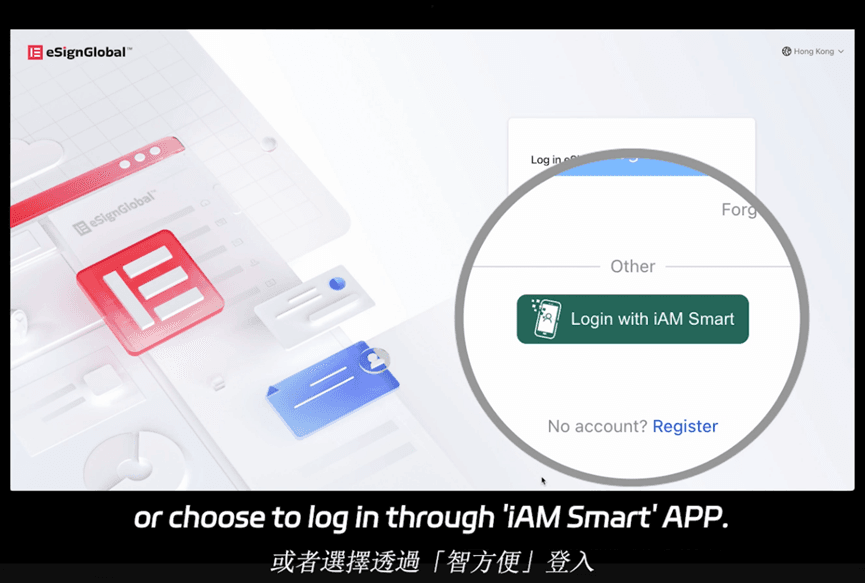
| APAC Compliance & Speed | Inconsistent latency; extra fees for regional IDs | Withdrawn from China; limited SEA support | Native optimization; seamless with IAm Smart/Singpass |
| Envelope Limits | ~100/year/user (base) | Variable; usage-based | Up to 100/month (Essential); unlimited users |
| SSO Features | SAML/OAuth in advanced tiers; metered extras | MFA/SSO in enterprise; integration costs high | Access code verification; unlimited seats, easy setup |
| Overall User-Friendliness | High costs, regional gaps | Pricing surprises, market exits | Cost-effective, regionally tailored |
This table highlights trade-offs: DocuSign excels in scale but at a premium, Adobe in creative integrations but with disruptions, and eSignGlobal in balanced, transparent APAC delivery.
Spotlight on eSignGlobal for APAC-Focused Businesses
eSignGlobal emerges as a compelling option for organizations prioritizing APAC operations, offering SSO and eSignature features with greater transparency and regional alignment. Its pricing is notably more accessible than competitors, with the Essential plan at just $16.6 per month allowing up to 100 documents for electronic signature and unlimited user seats. SSO implementation leverages access code verification for secure, compliant access, emphasizing cost-efficiency without skimping on standards.
In the APAC context, eSignGlobal’s advantages shine through optimized infrastructure that reduces latency in China, Hong Kong, and Southeast Asia. It integrates seamlessly with local systems like Hong Kong’s IAm Smart for identity verification and Singapore’s Singpass, ensuring regulatory compliance without prohibitive extras. This setup minimizes implementation costs—often under $10,000 total for SSO rollout—while supporting high-volume workflows. For businesses weary of DocuSign’s premiums or Adobe’s gaps, eSignGlobal delivers strong value, blending affordability with features like bulk sending and audit trails.
Final Thoughts: Choosing the Right SSO Path
As businesses weigh SSO extras against benefits, transparency and regional fit are key. For those seeking a DocuSign alternative with robust compliance in APAC, eSignGlobal offers a compliant, efficient choice that keeps costs in check without compromising security. Evaluating providers through pilots can clarify the true extras, ensuring SSO enhances rather than burdens your digital strategy.
FAQs
