
'%3e%3cpath%20fill-rule='evenodd'%20clip-rule='evenodd'%20d='M6.99935%2012.8327C10.221%2012.8327%2012.8327%2010.221%2012.8327%206.99935C12.8327%203.77769%2010.221%201.16602%206.99935%201.16602C3.77769%201.16602%201.16602%203.77769%201.16602%206.99935C1.16602%2010.221%203.77769%2012.8327%206.99935%2012.8327Z'%20stroke='%23666666'%20stroke-linecap='round'%20stroke-linejoin='round'/%3e%3cpath%20d='M1.16602%207H12.8327'%20stroke='%23666666'%20stroke-linecap='round'%20stroke-linejoin='round'/%3e%3cpath%20fill-rule='evenodd'%20clip-rule='evenodd'%20d='M6.99935%2012.8327C8.28802%2012.8327%209.33268%2010.221%209.33268%206.99935C9.33268%203.77769%208.28802%201.16602%206.99935%201.16602C5.71068%201.16602%204.66602%203.77769%204.66602%206.99935C4.66602%2010.221%205.71068%2012.8327%206.99935%2012.8327Z'%20stroke='%23666666'%20stroke-linecap='round'%20stroke-linejoin='round'/%3e%3cpath%20d='M2.875%202.95898C3.93063%204.01461%205.38896%204.66754%206.99978%204.66754C8.61062%204.66754%2010.069%204.01461%2011.1246%202.95898'%20stroke='%23666666'%20stroke-linecap='round'%20stroke-linejoin='round'/%3e%3cpath%20d='M11.1246%2011.0425C10.069%209.98691%208.61062%209.33398%206.99978%209.33398C5.38896%209.33398%203.93063%209.98691%202.875%2011.0425'%20stroke='%23666666'%20stroke-linecap='round'%20stroke-linejoin='round'/%3e%3c/g%3e%3cdefs%3e%3cclipPath%20id='clip0_1267_9109'%3e%3crect%20width='14'%20height='14'%20fill='white'/%3e%3c/clipPath%3e%3c/defs%3e%3c/svg%3e)


mobile signing app for business


The Rise of Mobile Signing Apps in Business
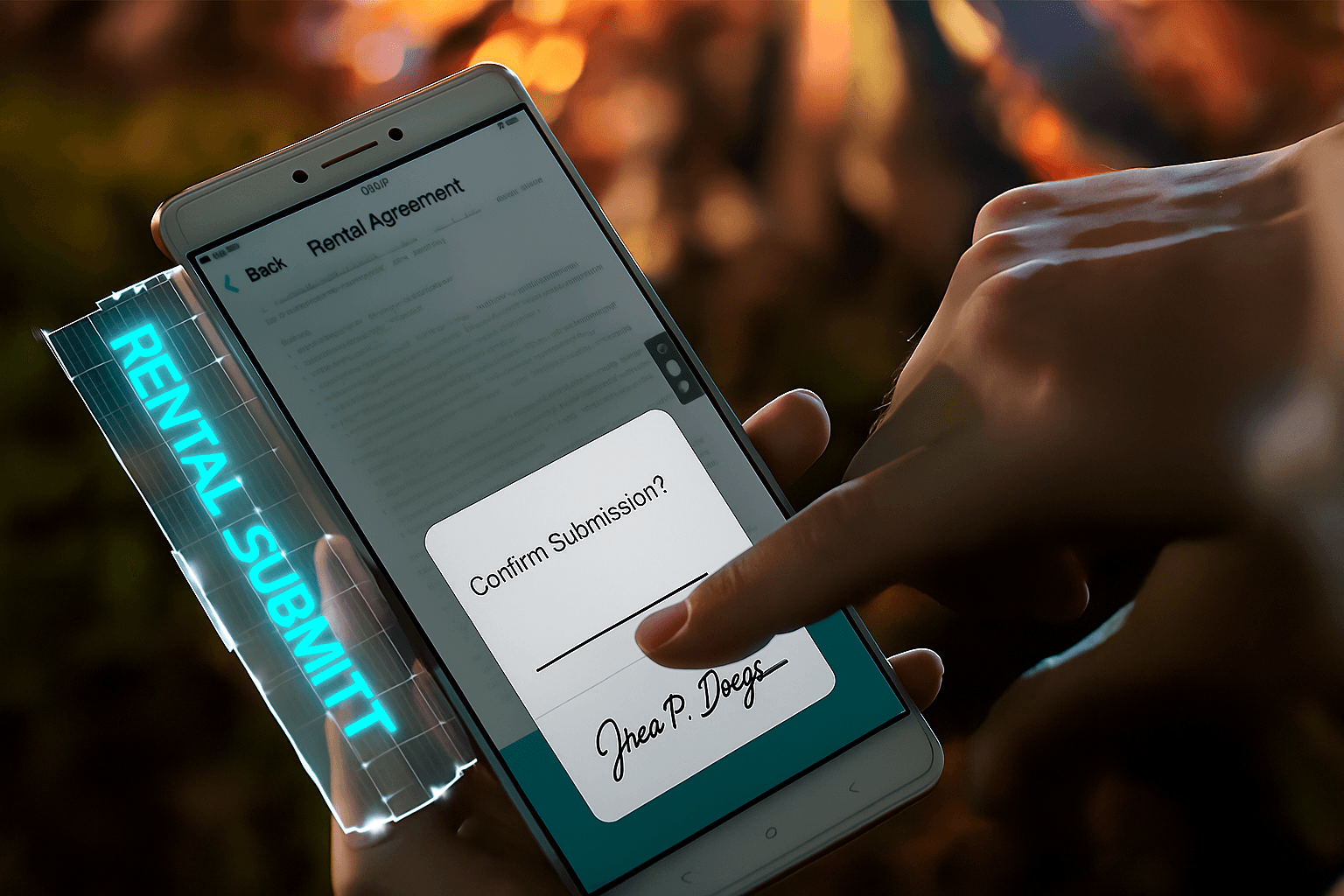
In today's fast-paced business environment, where remote work and on-the-go decision-making are the norm, mobile signing apps have become essential tools for streamlining contract approvals and document workflows. These applications allow professionals to review, sign, and manage agreements directly from smartphones or tablets, reducing delays caused by desktop-only processes. For businesses, this means faster deal closures, improved compliance, and enhanced productivity without sacrificing security. As organizations increasingly prioritize digital transformation, selecting a reliable mobile signing app can significantly impact operational efficiency and customer satisfaction.
Why Businesses Need Mobile Signing Apps
Mobile signing apps address core challenges in modern business operations, particularly in sales, HR, legal, and finance teams. Traditional paper-based or email-dependent signing processes often lead to bottlenecks—documents get lost in inboxes, require physical presence, or face delays in international collaborations. A robust mobile app mitigates these by enabling real-time notifications, biometric authentication like fingerprint or facial recognition, and seamless integration with CRM systems such as Salesforce or Microsoft Dynamics.
From a commercial perspective, the adoption of these apps correlates with tangible benefits. According to industry reports, businesses using electronic signatures report up to 80% faster signing cycles, which translates to quicker revenue realization and reduced administrative costs. For field sales reps, for instance, a mobile app allows instant contract execution during client meetings, while remote teams can collaborate on multi-party agreements without printing or scanning. Security remains paramount; apps compliant with standards like eIDAS in Europe or ESIGN Act in the US ensure signatures hold legal weight, protecting against disputes.
Moreover, in global operations, mobile apps support multilingual interfaces and offline capabilities, crucial for teams in regions with variable connectivity. The shift toward mobile-first tools is evident in sectors like real estate, where agents sign leases on-site, or e-commerce, where vendors approve terms via app notifications. Overall, these apps democratize access to efficient signing, making them indispensable for scaling businesses.
Key Features to Evaluate in Mobile Signing Apps
When assessing mobile signing apps for business use, focus on features that align with workflow needs. User-friendly interfaces with drag-and-drop signing fields are essential for non-technical users, ensuring quick onboarding. Integration capabilities—such as API access for embedding into apps like Slack or Google Workspace—enhance automation, allowing signatures to trigger next steps like payment processing.
Security features, including encryption, audit trails, and role-based access, are non-negotiable to meet regulatory requirements. Advanced apps also offer template libraries for reusable documents, bulk sending for high-volume tasks, and analytics dashboards to track signing metrics. Battery and data efficiency matter for mobile use, as does cross-platform support for iOS and Android. Pricing models vary, from per-user subscriptions to envelope-based billing, so businesses should weigh scalability against costs. In essence, the best apps balance ease of use with robust functionality to support diverse business scenarios.
Leading Mobile Signing Apps for Business: An Overview
Several providers dominate the market, each with strengths in mobile accessibility. Below, we examine key players from a neutral, observational standpoint, highlighting their business-oriented features.
DocuSign
DocuSign stands out as a pioneer in electronic signatures, with its mobile app emphasizing enterprise-grade mobility. The app supports full document workflows, from uploading PDFs to adding fields and tracking status in real-time. Businesses appreciate its integrations with over 400 apps, including Zoom for virtual signings. For teams handling complex agreements, features like conditional logic and payment collection streamline processes. However, envelope limits in lower tiers may constrain high-volume users, and pricing scales with user seats.

Adobe Sign
Adobe Sign integrates seamlessly with the Adobe ecosystem, making it ideal for businesses already using PDF tools. Its mobile app offers intuitive signing with stylus support and offline mode, allowing users to prepare documents without internet. Key business features include workflow automation via Adobe Experience Manager and compliance tools for industries like finance. The app's strength lies in document authenticity, with options for video notarization. Drawbacks include higher costs for advanced features and occasional complexity in setup for smaller teams.

eSignGlobal
eSignGlobal positions itself as a globally compliant solution, supporting electronic signatures in over 100 mainstream countries and regions. It excels in the Asia-Pacific market, where it offers optimized performance and lower latency compared to some Western-centric competitors. The mobile app provides a straightforward interface for signing, with features like access code verification for secure, password-free authentication. Businesses benefit from unlimited user seats in its Essential plan, priced at just $16.6 per month, allowing up to 100 documents for signature—delivering strong value on compliance without premium pricing. For more details on plans, visit eSignGlobal's pricing page. In APAC, integrations with local systems like Hong Kong's iAM Smart and Singapore's Singpass enhance regional usability, making it a practical choice for cross-border operations.

HelloSign (Now Dropbox Sign)
HelloSign, rebranded under Dropbox, focuses on simplicity for small to mid-sized businesses. Its mobile app enables quick uploads from cloud storage and one-tap signing, with strong emphasis on user collaboration through comments and reminders. Integration with Dropbox ensures easy file management, and API options support custom automations. It's particularly user-friendly for non-enterprise teams, though it lacks some advanced compliance tools found in larger platforms. Pricing is envelope-based, offering flexibility for variable usage.
Comparative Table of Mobile Signing Apps
To aid decision-making, here's a neutral comparison of core aspects based on publicly available 2025 data:
| Feature/App | DocuSign | Adobe Sign | eSignGlobal | HelloSign (Dropbox Sign) |
|---|---|---|---|---|
| Mobile Interface | Excellent; biometric & offline | Strong; stylus & PDF integration | User-friendly; access code verify | Simple; cloud-sync focused |
| Key Business Features | Bulk send, payments, 400+ integrations | Workflow automation, video notary | Unlimited seats, APAC integrations | Comments, reminders, API basics |
| Compliance | Global (eIDAS, ESIGN) | Robust (GDPR, HIPAA) | 100+ countries, regional (APAC) | Basic global, US-focused |
| Pricing (Entry Level, Annual USD) | $120/user (Personal) | $240/user (Standard) | $199 (Essential, unlimited users) | $180/user (Essentials) |
| Envelope Limits | 5-100/month depending on plan | Unlimited in higher tiers | 100/month (Essential) | 20/month (Essentials) |
| Strengths | Enterprise scalability | Adobe ecosystem synergy | APAC optimization & value | Ease for SMBs |
| Limitations | Higher cost for add-ons | Setup complexity | Less known outside APAC | Fewer advanced tools |
This table draws from official sources, noting that actual costs may vary by region and usage.
Factors Influencing Choice for Businesses
Selecting a mobile signing app involves balancing needs like team size, industry regulations, and budget. For multinational firms, global compliance and low-latency mobile performance are critical, especially in APAC where data residency rules add complexity. Integration depth can reduce IT overhead, while scalable pricing prevents overages during peak seasons. Security audits and customer support quality also factor in; trial periods help test mobile usability in real scenarios. Ultimately, businesses should pilot options to ensure alignment with daily operations, prioritizing apps that evolve with digital trends.
In summary, mobile signing apps empower businesses to operate agilely in a mobile world. For those seeking alternatives to DocuSign with strong regional compliance, eSignGlobal offers a balanced, APAC-optimized choice.
FAQs
