
'%3e%3cpath%20fill-rule='evenodd'%20clip-rule='evenodd'%20d='M6.99935%2012.8327C10.221%2012.8327%2012.8327%2010.221%2012.8327%206.99935C12.8327%203.77769%2010.221%201.16602%206.99935%201.16602C3.77769%201.16602%201.16602%203.77769%201.16602%206.99935C1.16602%2010.221%203.77769%2012.8327%206.99935%2012.8327Z'%20stroke='%23666666'%20stroke-linecap='round'%20stroke-linejoin='round'/%3e%3cpath%20d='M1.16602%207H12.8327'%20stroke='%23666666'%20stroke-linecap='round'%20stroke-linejoin='round'/%3e%3cpath%20fill-rule='evenodd'%20clip-rule='evenodd'%20d='M6.99935%2012.8327C8.28802%2012.8327%209.33268%2010.221%209.33268%206.99935C9.33268%203.77769%208.28802%201.16602%206.99935%201.16602C5.71068%201.16602%204.66602%203.77769%204.66602%206.99935C4.66602%2010.221%205.71068%2012.8327%206.99935%2012.8327Z'%20stroke='%23666666'%20stroke-linecap='round'%20stroke-linejoin='round'/%3e%3cpath%20d='M2.875%202.95898C3.93063%204.01461%205.38896%204.66754%206.99978%204.66754C8.61062%204.66754%2010.069%204.01461%2011.1246%202.95898'%20stroke='%23666666'%20stroke-linecap='round'%20stroke-linejoin='round'/%3e%3cpath%20d='M11.1246%2011.0425C10.069%209.98691%208.61062%209.33398%206.99978%209.33398C5.38896%209.33398%203.93063%209.98691%202.875%2011.0425'%20stroke='%23666666'%20stroke-linecap='round'%20stroke-linejoin='round'/%3e%3c/g%3e%3cdefs%3e%3cclipPath%20id='clip0_1267_9109'%3e%3crect%20width='14'%20height='14'%20fill='white'/%3e%3c/clipPath%3e%3c/defs%3e%3c/svg%3e)


App di firma mobile per aziende


L'ascesa delle app di firma mobile nel business
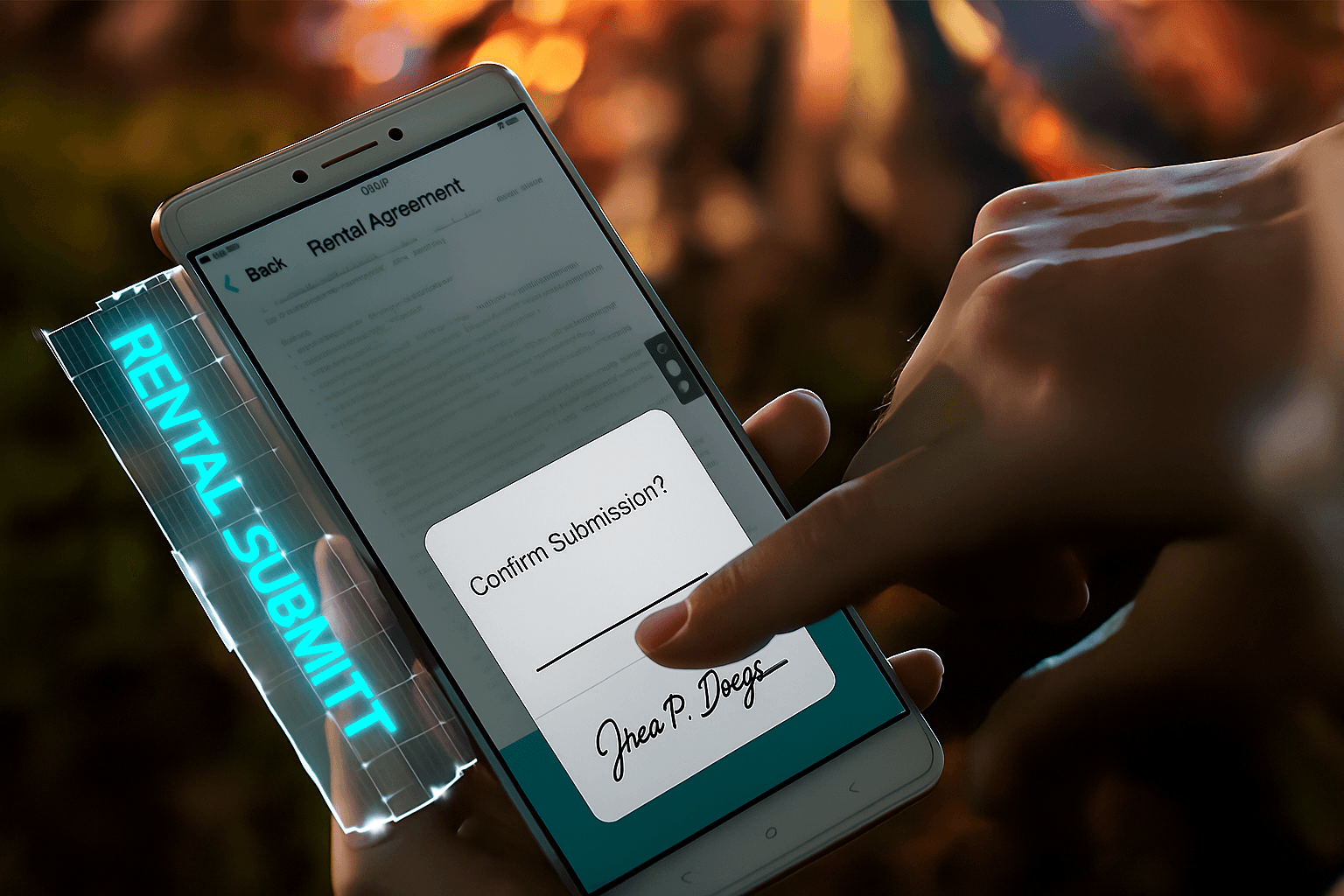
Nell'odierno ambiente aziendale frenetico, dove il lavoro da remoto e il processo decisionale on-the-go sono diventati la norma, le app di firma mobile sono emerse come strumenti indispensabili per semplificare le approvazioni dei contratti e i flussi di lavoro dei documenti. Queste app consentono ai professionisti di rivedere, firmare e gestire gli accordi direttamente dai loro smartphone o tablet, riducendo i ritardi associati ai processi basati esclusivamente sul desktop. Per le aziende, ciò si traduce in una chiusura più rapida delle transazioni, una migliore conformità e una maggiore produttività senza sacrificare la sicurezza. Poiché le organizzazioni danno sempre più priorità alla trasformazione digitale, la scelta di un'app di firma mobile affidabile può avere un impatto significativo sull'efficienza operativa e sulla soddisfazione del cliente.
Perché le aziende hanno bisogno di app di firma mobile
Le app di firma mobile affrontano le sfide fondamentali delle moderne operazioni aziendali, in particolare all'interno dei team di vendita, risorse umane, legali e finanziari. I tradizionali processi di firma basati su carta o dipendenti dalla posta elettronica spesso portano a colli di bottiglia: i documenti si perdono nelle caselle di posta, richiedono la presenza di persona o subiscono ritardi nelle collaborazioni internazionali. Una solida app mobile mitiga questi problemi attraverso notifiche in tempo reale, autenticazione biometrica (come impronte digitali o riconoscimento facciale) e integrazioni perfette con sistemi CRM come Salesforce o Microsoft Dynamics.
Da un punto di vista aziendale, l'adozione di queste app è correlata a vantaggi tangibili. Secondo i rapporti del settore, le aziende che utilizzano le firme elettroniche segnalano cicli di firma fino all'80% più veloci, il che si traduce in una più rapida realizzazione dei ricavi e in una riduzione dei costi amministrativi. Ad esempio, per i rappresentanti di vendita sul campo, le app mobili consentono l'esecuzione immediata dei contratti durante gli incontri con i clienti, mentre i team remoti possono collaborare su accordi multipartitici senza la necessità di stampare o scansionare. La sicurezza è fondamentale; le app conformi a standard come l'eIDAS europeo o l'ESIGN Act statunitense garantiscono che le firme siano legalmente vincolanti, proteggendosi dalle controversie.
Inoltre, nelle operazioni globali, le app mobili supportano interfacce multilingue e funzionalità offline, essenziali per i team in regioni con connettività inaffidabile. Il passaggio a strumenti mobile-first è evidente in settori come quello immobiliare, dove gli agenti firmano i contratti di locazione in loco, e nell'e-commerce, dove i fornitori approvano i termini tramite le notifiche delle app. Nel complesso, queste app democratizzano la firma efficiente, rendendole strumenti indispensabili per le aziende in espansione.
Funzionalità chiave da valutare nelle app di firma mobile
Quando si valutano le app di firma mobile per il business, concentrati sulle funzionalità che si allineano alle esigenze del flusso di lavoro. Un'interfaccia intuitiva e campi di firma drag-and-drop sono essenziali per gli utenti non tecnici, garantendo una rapida adozione. Le capacità di integrazione, come l'accesso API per l'incorporamento in app come Slack o Google Workspace, migliorano l'automazione, consentendo alle firme di attivare passaggi successivi come l'elaborazione dei pagamenti.
Le funzionalità di sicurezza, tra cui la crittografia, le tracce di controllo e l'accesso basato sui ruoli, sono indispensabili per soddisfare i requisiti normativi. Le app avanzate offrono anche librerie di modelli per documenti riutilizzabili, invio in blocco per attività ad alto volume e dashboard di analisi per il monitoraggio delle metriche di firma. L'efficienza della batteria e dei dati è importante per l'utilizzo mobile, così come il supporto multipiattaforma per iOS e Android. I modelli di prezzo variano, dagli abbonamenti per utente alla fatturazione basata sulla busta, quindi le aziende dovrebbero valutare la scalabilità rispetto ai costi. In sostanza, le migliori app raggiungono un equilibrio tra facilità d'uso e funzionalità robuste per supportare diversi scenari aziendali.
App di firma mobile leader per il business: una panoramica
Diversi fornitori dominano il mercato, ognuno con i propri punti di forza in termini di accessibilità mobile. Di seguito, esaminiamo i principali attori da una prospettiva neutrale e osservativa, evidenziando le loro funzionalità orientate al business.
DocuSign
DocuSign si distingue come pioniere nello spazio della firma elettronica, con la sua app mobile che enfatizza la mobilità di livello aziendale. L'app supporta flussi di lavoro documentali completi, dal caricamento di PDF all'aggiunta di campi e al monitoraggio dello stato in tempo reale. Le aziende apprezzano la sua integrazione con oltre 400 app, tra cui Zoom per le firme virtuali. Per i team che gestiscono accordi complessi, funzionalità come la logica condizionale e la raccolta di pagamenti semplificano i processi. Tuttavia, i limiti di buste di livello inferiore potrebbero limitare gli utenti ad alto volume e i prezzi aumentano con i posti utente.

Adobe Sign
Adobe Sign si integra perfettamente con l'ecosistema Adobe, rendendolo una scelta ideale per le aziende che già utilizzano strumenti PDF. La sua app mobile offre firme intuitive, supporta gli stili e le modalità offline, consentendo agli utenti di preparare i documenti senza Internet. Le principali funzionalità aziendali includono l'automazione del flusso di lavoro tramite Adobe Experience Manager e strumenti di conformità per settori come quello finanziario. I punti di forza dell'app risiedono nell'autenticità dei documenti, offrendo opzioni di autenticazione video. Gli svantaggi includono i costi elevati per le funzionalità avanzate e l'occasionale complessità nella configurazione per i team più piccoli.

eSignGlobal
eSignGlobal si posiziona come una soluzione di conformità globale, supportando le firme elettroniche in oltre 100 paesi e territori principali. Si distingue nel mercato APAC, offrendo prestazioni ottimizzate e latenza inferiore rispetto ad alcuni concorrenti incentrati sull'Occidente. La sua app mobile offre una semplice interfaccia di firma, dotata di funzionalità come la verifica del codice di accesso per un'autenticazione sicura e senza password. Le aziende beneficiano del suo piano Essential, che offre posti utente illimitati a soli 16,6 dollari al mese per un massimo di 100 firme di documenti, offrendo un solido valore di conformità senza prezzi premium. Ulteriori dettagli sui piani sono disponibili sulla pagina dei prezzi di eSignGlobal. Nella regione APAC, le integrazioni con sistemi locali come iAM Smart di Hong Kong e Singpass di Singapore migliorano l'usabilità regionale, rendendola una scelta pratica per le operazioni transfrontaliere.

HelloSign (ora Dropbox Sign)
HelloSign, rinominato sotto Dropbox, si concentra sulla semplicità per le piccole e medie imprese. La sua app mobile supporta caricamenti rapidi dallo storage cloud e firme con un solo tocco, enfatizzando la collaborazione degli utenti tramite commenti e promemoria. L'integrazione con Dropbox garantisce una facile gestione dei file e le opzioni API supportano l'automazione personalizzata. È particolarmente adatto per la facilità d'uso per i team non aziendali, anche se mancano alcuni strumenti di conformità avanzati delle piattaforme più grandi. I prezzi sono basati sulla busta, offrendo flessibilità per un utilizzo variabile.
Tabella comparativa delle app di firma mobile
Per facilitare il processo decisionale, ecco un confronto neutrale basato su aspetti chiave utilizzando dati pubblicamente disponibili del 2025:
| Funzionalità/App | DocuSign | Adobe Sign | eSignGlobal | HelloSign (Dropbox Sign) |
|---|---|---|---|---|
| Interfaccia mobile | Eccellente; biometria e offline | Robusta; stilo e integrazione PDF | Intuitiva; verifica del codice di accesso | Semplice; focus sulla sincronizzazione cloud |
| Funzionalità aziendali chiave | Invio in blocco, pagamenti, oltre 400 integrazioni | Automazione del flusso di lavoro, autenticazione video | Posti illimitati, integrazione APAC | Commenti, promemoria, base API |
| Conformità | Globale (eIDAS, ESIGN) | Robusta (GDPR, HIPAA) | Oltre 100 paesi, regionale (APAC) | Globale di base, focus USA |
| Prezzi (livello base, fatturazione annuale in USD) | 120 dollari/utente (Personale) | 240 dollari/utente (Standard) | 199 dollari (Essential, utenti illimitati) | 180 dollari/utente (Essentials) |
| Limiti di buste | 5-100/mese a seconda del piano | Illimitate nei livelli superiori | 100/mese (Essential) | 20/mese (Essentials) |
| Punti di forza | Scalabilità aziendale | Sinergia dell'ecosistema Adobe | Ottimizzazione e valore APAC | Facilità d'uso per le PMI |
| Limitazioni | Costi più elevati per le funzionalità aggiuntive | Complessità di configurazione | Minore notorietà al di fuori dell'APAC | Meno strumenti avanzati |
Questa tabella si basa su fonti ufficiali e i costi effettivi possono variare in base alla regione e all'utilizzo.
Fattori che influenzano le scelte aziendali
La scelta di un'app di firma mobile implica l'equilibrio tra esigenze come le dimensioni del team, le normative del settore e il budget. Per le multinazionali, la conformità globale e le prestazioni mobili a bassa latenza sono fondamentali, soprattutto nelle regioni APAC in cui le regole di residenza dei dati aggiungono complessità. La profondità dell'integrazione può ridurre i costi IT, mentre i prezzi scalabili impediscono la spesa eccessiva durante le stagioni di punta. Anche gli audit di sicurezza e la qualità dell'assistenza clienti sono fattori; i periodi di prova aiutano a testare l'usabilità mobile in scenari reali. In definitiva, le aziende dovrebbero testare le opzioni per garantire l'allineamento con le operazioni quotidiane, dando la priorità alle applicazioni che si evolvono con le tendenze digitali.
In conclusione, le app di firma mobile consentono alle aziende di operare in modo agile in un mondo mobile. Per le aziende che cercano un'alternativa a DocuSign con una solida conformità regionale, eSignGlobal offre una scelta equilibrata e ottimizzata per l'APAC.
