
'%3e%3cpath%20fill-rule='evenodd'%20clip-rule='evenodd'%20d='M6.99935%2012.8327C10.221%2012.8327%2012.8327%2010.221%2012.8327%206.99935C12.8327%203.77769%2010.221%201.16602%206.99935%201.16602C3.77769%201.16602%201.16602%203.77769%201.16602%206.99935C1.16602%2010.221%203.77769%2012.8327%206.99935%2012.8327Z'%20stroke='%23666666'%20stroke-linecap='round'%20stroke-linejoin='round'/%3e%3cpath%20d='M1.16602%207H12.8327'%20stroke='%23666666'%20stroke-linecap='round'%20stroke-linejoin='round'/%3e%3cpath%20fill-rule='evenodd'%20clip-rule='evenodd'%20d='M6.99935%2012.8327C8.28802%2012.8327%209.33268%2010.221%209.33268%206.99935C9.33268%203.77769%208.28802%201.16602%206.99935%201.16602C5.71068%201.16602%204.66602%203.77769%204.66602%206.99935C4.66602%2010.221%205.71068%2012.8327%206.99935%2012.8327Z'%20stroke='%23666666'%20stroke-linecap='round'%20stroke-linejoin='round'/%3e%3cpath%20d='M2.875%202.95898C3.93063%204.01461%205.38896%204.66754%206.99978%204.66754C8.61062%204.66754%2010.069%204.01461%2011.1246%202.95898'%20stroke='%23666666'%20stroke-linecap='round'%20stroke-linejoin='round'/%3e%3cpath%20d='M11.1246%2011.0425C10.069%209.98691%208.61062%209.33398%206.99978%209.33398C5.38896%209.33398%203.93063%209.98691%202.875%2011.0425'%20stroke='%23666666'%20stroke-linecap='round'%20stroke-linejoin='round'/%3e%3c/g%3e%3cdefs%3e%3cclipPath%20id='clip0_1267_9109'%3e%3crect%20width='14'%20height='14'%20fill='white'/%3e%3c/clipPath%3e%3c/defs%3e%3c/svg%3e)


Giá cả DocuSign bằng Peso


Tìm hiểu về Định giá bằng Peso của DocuSign cho Doanh nghiệp ở Philippines
Trong bối cảnh cạnh tranh của các giải pháp chữ ký số, DocuSign vẫn là một công ty dẫn đầu toàn cầu, nhưng đối với các doanh nghiệp hoạt động ở Philippines, việc hiểu rõ định giá bằng đơn vị tiền tệ địa phương của họ - Peso Philippines (PHP) - là rất quan trọng để lập ngân sách và tuân thủ. Tính đến năm 2025, định giá chính thức của DocuSign được niêm yết bằng Đô la Mỹ (USD), nhưng việc chuyển đổi sang PHP (sử dụng tỷ giá hối đoái khoảng 1 USD = 58 PHP) có thể cung cấp một bức tranh rõ ràng hơn cho các doanh nghiệp Philippines. Việc chuyển đổi này giúp đáp ứng nhu cầu thực tế của các doanh nghiệp vừa và nhỏ (SME) và các tập đoàn lớn trong việc xử lý chữ ký điện tử theo quy định của địa phương.
Luật Chữ ký Điện tử ở Philippines
Philippines có một khung pháp lý vững chắc về chữ ký điện tử, chủ yếu được điều chỉnh bởi Đạo luật Thương mại Điện tử năm 2000 (Luật Cộng hòa số 8792). Luật này công nhận các tài liệu và chữ ký điện tử có giá trị pháp lý tương đương với các tài liệu và chữ ký trên giấy, miễn là chúng đáp ứng các tiêu chuẩn về độ tin cậy và tính xác thực. Các điều khoản chính bao gồm chữ ký phải duy nhất đối với người ký, nằm dưới sự kiểm soát độc quyền của người ký và được liên kết với tài liệu theo cách phát hiện được sự giả mạo. Đạo luật này phù hợp với các tiêu chuẩn quốc tế như Luật Mẫu của UNCITRAL về Thương mại Điện tử, đảm bảo khả năng thực thi của các hợp đồng, bao gồm cả các giao dịch thương mại.
Các quy định khác, chẳng hạn như Đạo luật Bảo mật Dữ liệu năm 2012 (Luật Cộng hòa số 10173), nhấn mạnh việc bảo vệ dữ liệu trong các quy trình kỹ thuật số, yêu cầu xử lý an toàn thông tin cá nhân trong quy trình làm việc ký tên. Đối với các ngành như tài chính và bất động sản, Ngân hàng Trung ương Philippines (BSP) và Ủy ban Chứng khoán và Giao dịch (SEC) áp đặt các hướng dẫn bổ sung về chứng thực kỹ thuật số để ngăn chặn gian lận. DocuSign tuân thủ các quy định này thông qua các tính năng như theo dõi kiểm toán và mã hóa, nhưng các doanh nghiệp phải xác minh các tiện ích bổ sung khu vực để đạt được sự phù hợp hoàn toàn, đặc biệt là trong các giao dịch xuyên biên giới liên quan đến các đối tác ASEAN.
Các Gói Định giá Cốt lõi của DocuSign (Tính bằng PHP)
Các gói eSignature của DocuSign được phân loại theo nhu cầu người dùng khác nhau, với thanh toán hàng năm mang lại giá trị tốt nhất. Chuyển đổi sang PHP, đây là bảng phân tích dựa trên định giá đã được xác minh năm 2025:
-
Gói Cá nhân: $10/tháng (USD) hoặc $120/năm, tương đương khoảng ₱580/tháng hoặc ₱6,960/năm. Tùy chọn cấp độ đầu vào này phù hợp với các chuyên gia độc lập hoặc người làm nghề tự do, bao gồm 5 phong bì mỗi tháng (tài liệu để ký), các mẫu cơ bản và tích hợp với các công cụ như Google Drive. Nó phù hợp với người dùng có khối lượng thấp ở Philippines, chẳng hạn như các nhà tư vấn độc lập xử lý các hợp đồng không thường xuyên.
-
Gói Tiêu chuẩn: $25/tháng/người dùng (USD) hoặc $300/năm/người dùng, khoảng ₱1,450/tháng hoặc ₱17,400/năm/người dùng. Được thiết kế cho các nhóm nhỏ (tối đa 50 người dùng), nó bao gồm các tính năng cộng tác như chia sẻ mẫu, nhận xét và lời nhắc. Giới hạn phong bì là khoảng 100/năm/người dùng (hoặc 10 mỗi tháng), phù hợp với các SME Philippines để quản lý các thỏa thuận thông thường trong bộ phận bán hàng hoặc nhân sự.
-
Gói Business Pro: $40/tháng/người dùng (USD) hoặc $480/năm/người dùng, khoảng ₱2,320/tháng hoặc ₱27,840/năm/người dùng. Gói này xây dựng dựa trên Tiêu chuẩn với các công cụ nâng cao như biểu mẫu web, logic có điều kiện, gửi hàng loạt, tệp đính kèm của người ký và thu tiền thanh toán. Hạn ngạch phong bì vẫn giữ nguyên, nhưng nhắm mục tiêu đến các doanh nghiệp có quy trình làm việc phức tạp, chẳng hạn như các công ty bất động sản ở Manila xử lý số lượng lớn hợp đồng thuê.
Đối với các yêu cầu của doanh nghiệp, định giá là tùy chỉnh, thường vượt quá ₱1,000,000 mỗi năm, tùy thuộc vào số lượng chỗ ngồi, khối lượng và các tính năng tuân thủ như SSO và kiểm toán nâng cao. Các tiện ích bổ sung như xác minh danh tính (IDV) phát sinh phí đo lường - kiểm tra sinh trắc học ước tính ₱100–500 mỗi lần - trong khi việc gửi SMS thêm phí trên mỗi tin nhắn (khoảng ₱5–20, tùy thuộc vào khu vực).
Các gói API dành cho nhà phát triển tương tự: Gói Starter $600/năm (₱34,800) cung cấp 40 phong bì mỗi tháng; Gói Intermediate $3,600/năm (₱208,800) cho 100 phong bì; Gói Advanced $5,760/năm (₱334,080) đi kèm với khả năng API hàng loạt. Ở Philippines, quá trình chuyển đổi kỹ thuật số được tăng tốc thông qua các sáng kiến băng thông rộng quốc gia, các gói này hỗ trợ tích hợp với các hệ thống cục bộ, nhưng giới hạn phong bì (ví dụ: 10 lần gửi tự động mỗi tháng cho mỗi người dùng) có thể hạn chế khả năng mở rộng cho các hoạt động có khối lượng lớn.
Các yếu tố ảnh hưởng đến tổng chi phí bao gồm cấp phép dựa trên chỗ ngồi, mức sử dụng phong bì và các thách thức cụ thể của khu vực Châu Á Thái Bình Dương như phụ phí cư trú dữ liệu (có thể +10–20% để tuân thủ). Đối với các doanh nghiệp Philippines, độ trễ xuyên biên giới và phí viễn thông SMS có thể đẩy định giá hiệu quả lên cao hơn 15–25% so với giá trị tương đương bằng đô la Mỹ.

API và Chi phí Bổ sung trong Bối cảnh Philippines
API dành cho nhà phát triển của DocuSign đặc biệt phù hợp với các công ty fintech và thương mại điện tử của Philippines, những công ty tích hợp chữ ký vào các ứng dụng. Phí hàng năm ₱34,800 cho gói Starter bao gồm OAuth cơ bản và 40 phong bì mỗi tháng, trong khi Advanced (₱334,080) mở khóa gửi hàng loạt và webhook - rất quan trọng đối với các nền tảng xử lý khối lượng giao dịch cao như Lazada hoặc GCash. Tuy nhiên, tất cả các gói đều phải chịu các giới hạn tự động hóa (ví dụ: 100 lần gửi mỗi năm cho mỗi người dùng), vượt quá có thể thêm ₱500–1,000/phong bì vượt quá.
Ở Philippines, nơi tỷ lệ thâm nhập di động vượt quá 150% (theo báo cáo của DICT), các tiện ích bổ sung SMS/WhatsApp rất phổ biến, với chi phí ₱5–15 mỗi tin nhắn thông qua các nhà khai thác địa phương như Globe hoặc Smart. Các tính năng IDV tuân thủ các quy tắc KYC của BSP bắt đầu từ mức phí đo lường bổ sung, rất quan trọng đối với hoạt động ngân hàng nhưng làm tăng chi phí cho các ngành được quản lý.
So sánh với Đối thủ cạnh tranh
Để đánh giá giá trị của DocuSign trên thị trường Philippines, việc so sánh với các đối thủ cạnh tranh chính như Adobe Sign, eSignGlobal và những đối thủ khác (như HelloSign của Dropbox) là rất quan trọng. Bảng Markdown này nêu bật định giá (tính bằng PHP, chuyển đổi gần đúng năm 2025), các tính năng và khả năng thích ứng khu vực, tập trung vào sự tuân thủ và hiệu quả chi phí cho người dùng Châu Á Thái Bình Dương.
| Tính năng/Khía cạnh | DocuSign | Adobe Sign | eSignGlobal | HelloSign (Dropbox) |
|---|---|---|---|---|
| Định giá Cơ bản (Hàng năm/Người dùng, PHP) | Cá nhân: ₱6,960; Tiêu chuẩn: ₱17,400; Pro: ₱27,840 | Cá nhân: ₱11,600; Doanh nghiệp: ₱23,200; Doanh nghiệp: Tùy chỉnh | Thiết yếu: ₱11,500 (Số lượng chỗ ngồi không giới hạn); Pro: ₱23,000 | Thiết yếu: ₱9,200; Tiêu chuẩn: ₱18,400 |
| Giới hạn Phong bì | 5–100/năm (Phân cấp) | Không giới hạn (Sử dụng hợp lý) | Tối đa 100/tháng (Thiết yếu); Không giới hạn (Cấp cao hơn) | 20–Không giới hạn (Phân cấp) |
| Tuân thủ (Toàn cầu/Châu Á Thái Bình Dương) | ESIGN, UETA; Một phần Châu Á Thái Bình Dương (ví dụ: Tuân thủ PH thông qua tiện ích bổ sung) | ESIGN, eIDAS; Mạnh mẽ ở Hoa Kỳ/EU, Hạn chế cụ thể ở PH | Tuân thủ ở hơn 100 quốc gia, bao gồm PH, HK, SG; Bản địa Châu Á Thái Bình Dương (ví dụ: Tích hợp IAm Smart, Singpass) | ESIGN; Hỗ trợ PH cơ bản |
| Các Tính năng Chính | Gửi hàng loạt, IDV, API (Giới hạn) | Biểu mẫu do AI điều khiển, Tích hợp Acrobat | Người dùng không giới hạn, Xác minh mã truy cập, API khu vực | Mẫu đơn giản, Chữ ký di động |
| Ưu điểm của Châu Á Thái Bình Dương | Quy mô toàn cầu, nhưng độ trễ/chi phí bổ sung | Tập trung vào doanh nghiệp, Định giá PHP cao hơn | Tối ưu hóa tốc độ/tuân thủ ở PH/SEA; Rẻ hơn DocuSign 20–30% | Giá cả phải chăng, nhưng tự động hóa hạn chế |
| Phù hợp với Doanh nghiệp PH | Doanh nghiệp vừa và lớn; Tuân thủ tùy chỉnh | Đại lý sáng tạo/kỹ thuật số | SME Fintech/Bất động sản; ROI cao cho hoạt động khu vực | Người làm nghề tự do/Nhóm nhỏ |
So sánh này cho thấy sức mạnh của DocuSign về các tính năng cấp doanh nghiệp, nhưng làm nổi bật chi phí cao hơn và các thách thức ở Châu Á Thái Bình Dương so với các giải pháp thay thế được điều chỉnh theo khu vực.
Adobe Sign: Đối thủ cạnh tranh mạnh mẽ cho Quy trình làm việc Tích hợp
Adobe Sign cung cấp khả năng tích hợp liền mạch với hệ sinh thái Adobe, hấp dẫn các doanh nghiệp Philippines sử dụng nhiều PDF, chẳng hạn như các nhóm pháp lý và tiếp thị. Định giá bắt đầu từ $200/năm (₱11,600) cho cá nhân và mở rộng đến gói doanh nghiệp $40/tháng (₱2,320) với số lượng phong bì không giới hạn theo sử dụng hợp lý. Nó vượt trội trong việc điền biểu mẫu do AI điều khiển và tuân thủ eIDAS, nhưng hỗ trợ Châu Á Thái Bình Dương tụt hậu về tích hợp cục bộ, có thể làm tăng chi phí thiết lập cho người dùng Philippines theo Đạo luật Bảo mật Dữ liệu.

eSignGlobal: Tối ưu hóa Khu vực với Phạm vi Toàn cầu
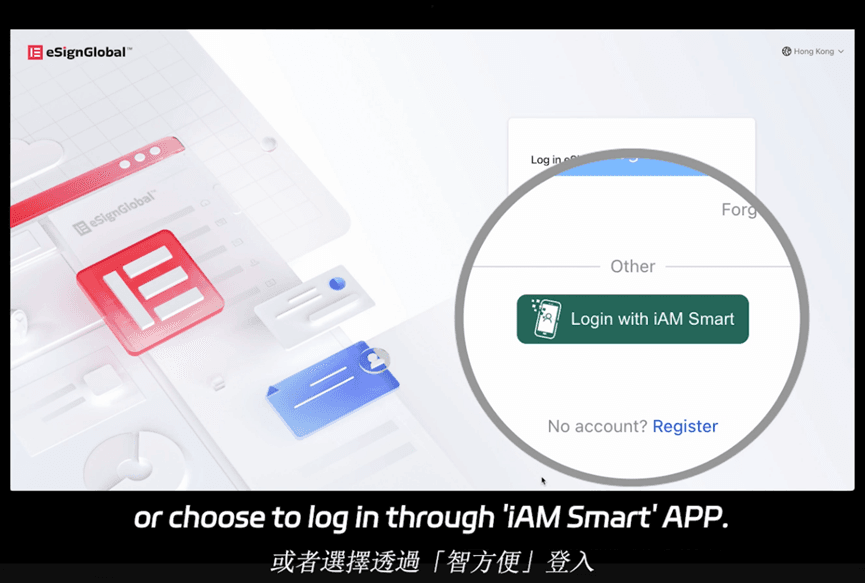
eSignGlobal nổi bật với khả năng tuân thủ ở hơn 100 quốc gia chính, bao gồm hỗ trợ toàn diện cho luật pháp Philippines như RA 8792, mang lại lợi thế ở Châu Á Thái Bình Dương. Nó cung cấp tốc độ xử lý nhanh hơn cho các giao dịch xuyên biên giới ở Đông Nam Á, giải quyết các vấn đề về độ trễ của DocuSign. Định giá dễ tiếp cận hơn; hãy truy cập trang định giá của họ để biết chi tiết. Gói Essential chỉ $16.6/tháng (₱965), cho phép gửi tối đa 100 tài liệu chữ ký điện tử, số lượng chỗ ngồi người dùng không giới hạn và xác minh thông qua mã truy cập - mang lại giá trị vượt trội trên cơ sở tuân thủ. Ở Philippines, nó tích hợp liền mạch với các hệ thống khu vực, với các tính năng bản địa Châu Á Thái Bình Dương giúp nó rẻ hơn 20–30% so với các đối thủ cạnh tranh, nâng cao ROI cho các SME địa phương trong thương mại điện tử hoặc tài chính.
Các Đối thủ Cạnh tranh Khác: HelloSign và Hơn thế nữa
HelloSign cung cấp một giải pháp thay thế thân thiện với người dùng với điểm khởi đầu thấp hơn (₱9,200/năm), tập trung vào sự đơn giản cho các nhóm nhỏ ở Philippines. Tuy nhiên, nó thiếu các công cụ tuân thủ Châu Á Thái Bình Dương nâng cao. Những người chơi mới nổi như PandaDoc nhấn mạnh các đề xuất có chữ ký, nhưng có thể không hoàn toàn tuân thủ các quy định của địa phương mà không có tiện ích bổ sung.
Tóm lại, trong khi định giá chuyển đổi PHP của DocuSign phù hợp với các hoạt động trưởng thành ở Philippines, các doanh nghiệp tìm kiếm các giải pháp thay thế hiệu quả về chi phí, tuân thủ khu vực có thể tìm thấy giá trị trong các tùy chọn như eSignGlobal để tối ưu hóa hiệu suất Châu Á Thái Bình Dương.
