
'%3e%3cpath%20fill-rule='evenodd'%20clip-rule='evenodd'%20d='M6.99935%2012.8327C10.221%2012.8327%2012.8327%2010.221%2012.8327%206.99935C12.8327%203.77769%2010.221%201.16602%206.99935%201.16602C3.77769%201.16602%201.16602%203.77769%201.16602%206.99935C1.16602%2010.221%203.77769%2012.8327%206.99935%2012.8327Z'%20stroke='%23666666'%20stroke-linecap='round'%20stroke-linejoin='round'/%3e%3cpath%20d='M1.16602%207H12.8327'%20stroke='%23666666'%20stroke-linecap='round'%20stroke-linejoin='round'/%3e%3cpath%20fill-rule='evenodd'%20clip-rule='evenodd'%20d='M6.99935%2012.8327C8.28802%2012.8327%209.33268%2010.221%209.33268%206.99935C9.33268%203.77769%208.28802%201.16602%206.99935%201.16602C5.71068%201.16602%204.66602%203.77769%204.66602%206.99935C4.66602%2010.221%205.71068%2012.8327%206.99935%2012.8327Z'%20stroke='%23666666'%20stroke-linecap='round'%20stroke-linejoin='round'/%3e%3cpath%20d='M2.875%202.95898C3.93063%204.01461%205.38896%204.66754%206.99978%204.66754C8.61062%204.66754%2010.069%204.01461%2011.1246%202.95898'%20stroke='%23666666'%20stroke-linecap='round'%20stroke-linejoin='round'/%3e%3cpath%20d='M11.1246%2011.0425C10.069%209.98691%208.61062%209.33398%206.99978%209.33398C5.38896%209.33398%203.93063%209.98691%202.875%2011.0425'%20stroke='%23666666'%20stroke-linecap='round'%20stroke-linejoin='round'/%3e%3c/g%3e%3cdefs%3e%3cclipPath%20id='clip0_1267_9109'%3e%3crect%20width='14'%20height='14'%20fill='white'/%3e%3c/clipPath%3e%3c/defs%3e%3c/svg%3e)


Prezzi di DocuSign in Peso


Comprendere i prezzi in pesos filippini di DocuSign per le aziende nelle Filippine
Nel panorama competitivo delle soluzioni di firma digitale, DocuSign rimane un leader globale, ma per le aziende che operano nelle Filippine, comprendere i suoi prezzi nella valuta locale, il peso filippino (PHP), è fondamentale per la pianificazione del budget e la conformità. A partire dal 2025, i prezzi ufficiali di DocuSign sono quotati in dollari USA (USD), ma la conversione in PHP (utilizzando un tasso di cambio di circa 1 USD = 58 PHP) può fornire un quadro più chiaro per le aziende filippine. Questa conversione aiuta a soddisfare le esigenze pratiche delle piccole e medie imprese (PMI) e delle grandi aziende nella gestione delle firme elettroniche in base alle normative locali.
Leggi sulle firme elettroniche nelle Filippine
Le Filippine hanno un solido quadro normativo per le firme elettroniche, regolato principalmente dall'Electronic Commerce Act del 2000 (Republic Act No. 8792). Questa legge riconosce l'equivalenza legale dei documenti e delle firme elettroniche con le loro controparti cartacee, a condizione che soddisfino gli standard di affidabilità e autenticità. Le disposizioni chiave includono che la firma deve essere univoca per il firmatario, sotto il controllo esclusivo del firmatario e collegata al documento in modo da rilevare qualsiasi manomissione. La legge è in linea con gli standard internazionali come la Legge modello UNCITRAL sul commercio elettronico, garantendo l'esecutività dei contratti, comprese le transazioni commerciali.
Altre normative, come il Data Privacy Act del 2012 (Republic Act No. 10173), sottolineano la protezione dei dati nei processi digitali, richiedendo la gestione sicura delle informazioni personali nei flussi di lavoro di firma. Per settori come la finanza e l'immobiliare, la Bangko Sentral ng Pilipinas (BSP) e la Securities and Exchange Commission (SEC) impongono ulteriori linee guida sull'autenticazione digitale per prevenire le frodi. DocuSign aderisce a queste normative attraverso funzionalità come le tracce di controllo e la crittografia, ma le aziende devono verificare i componenti aggiuntivi regionali per la piena conformità, soprattutto quando si tratta di transazioni transfrontaliere che coinvolgono partner ASEAN.
Piani tariffari principali di DocuSign (calcolati in PHP)
I piani eSignature di DocuSign sono suddivisi in livelli in base alle diverse esigenze degli utenti, con la fatturazione annuale che offre il miglior rapporto qualità-prezzo. Convertito in PHP, ecco una ripartizione basata sui prezzi verificati del 2025:
-
Piano Personal: $10/mese (USD) o $120/anno, che equivale a circa ₱580/mese o ₱6.960/anno. Questa opzione entry-level è adatta a professionisti individuali o freelance, includendo 5 buste al mese (documenti per la firma), modelli di base e integrazioni con strumenti come Google Drive. È adatto a utenti filippini con volumi bassi, come consulenti indipendenti che gestiscono contratti occasionali.
-
Piano Standard: $25/mese/utente (USD) o $300/anno/utente, circa ₱1.450/mese o ₱17.400/anno/utente. Progettato per piccoli team (fino a 50 utenti), include funzionalità di collaborazione come modelli condivisi, commenti e promemoria. Il limite di buste è di circa 100 all'anno per utente (o 10 al mese), adatto alle PMI filippine che gestiscono accordi di routine nei reparti vendite o risorse umane.
-
Piano Business Pro: $40/mese/utente (USD) o $480/anno/utente, circa ₱2.320/mese o ₱27.840/anno/utente. Questo piano si basa sullo Standard aggiungendo strumenti avanzati come moduli web, logica condizionale, invio in blocco, allegati del firmatario e raccolta di pagamenti. La quota di buste rimane la stessa, ma si rivolge alle aziende con flussi di lavoro complessi, come le società immobiliari di Manila che gestiscono affitti in blocco.
Per le esigenze aziendali, i prezzi sono personalizzati, in genere superiori a ₱1.000.000 all'anno, a seconda dei posti, del volume e delle funzionalità di conformità come SSO e audit avanzati. Componenti aggiuntivi come l'identificazione (IDV) comportano costi misurati: i controlli biometrici sono stimati tra ₱100 e ₱500 per controllo, mentre la consegna di SMS aggiunge costi per messaggio (circa ₱5-20, a seconda della regione).
Anche i piani API per sviluppatori sono simili: il piano Starter costa $600/anno (₱34.800) con 40 buste al mese, il piano Intermediate costa $3.600/anno (₱208.800) per 100 buste e il piano Advanced costa $5.760/anno (₱334.080) con funzionalità API in blocco. Nelle Filippine, la trasformazione digitale è accelerata dai piani nazionali a banda larga, questi piani supportano l'integrazione con i sistemi locali, ma i limiti di buste (ad esempio, 10 invii automatizzati al mese per utente) potrebbero limitare la scalabilità per le operazioni ad alto volume.
I fattori che influenzano il costo totale includono le licenze basate sui posti, l'utilizzo delle buste e le sfide specifiche dell'Asia-Pacifico come i supplementi per la residenza dei dati (potenzialmente +10-20% per la conformità). Per le aziende filippine, i ritardi transfrontalieri e le tariffe di telecomunicazione SMS possono aumentare i prezzi effettivi del 15-25% rispetto all'equivalente in USD.

API e costi aggiuntivi nel contesto filippino
Le API per sviluppatori di DocuSign sono particolarmente rilevanti per le società fintech ed e-commerce filippine che integrano le firme nelle app. La tariffa annuale di ₱34.800 per il piano Starter copre OAuth di base e 40 buste al mese, mentre Advanced (₱334.080) sblocca l'invio in blocco e i webhook, fondamentali per le piattaforme che gestiscono volumi elevati di transazioni come Lazada o GCash. Tuttavia, tutti i piani sono soggetti a limiti di automazione (ad esempio, 100 invii all'anno per utente) e il superamento potrebbe aggiungere ₱500-1.000 per busta in eccesso.
Nelle Filippine, dove la penetrazione della telefonia mobile supera il 150% (secondo i rapporti del DICT), i componenti aggiuntivi SMS/WhatsApp sono popolari, con costi per messaggio di ₱5-15 tramite operatori locali come Globe o Smart. Le funzionalità IDV conformi alle regole KYC della BSP iniziano con tariffe misurate aggiuntive, essenziali per le operazioni bancarie ma che aumentano i costi per i settori regolamentati.
Confronto con i concorrenti
Per valutare il valore di DocuSign nel mercato filippino, è essenziale un confronto con i principali concorrenti come Adobe Sign, eSignGlobal e altri (come HelloSign di Dropbox). Questa tabella Markdown evidenzia i prezzi (calcolati in PHP con una conversione approssimativa del 2025), le funzionalità e l'adattamento regionale, concentrandosi sulla conformità e l'efficienza dei costi per gli utenti dell'Asia-Pacifico.
| Funzionalità/Aspetto | DocuSign | Adobe Sign | eSignGlobal | HelloSign (Dropbox) |
|---|---|---|---|---|
| Prezzi di base (annuale/utente, PHP) | Personal: ₱6.960; Standard: ₱17.400; Pro: ₱27.840 | Individual: ₱11.600; Business: ₱23.200; Enterprise: Personalizzato | Essential: ₱11.500 (posti illimitati); Pro: ₱23.000 | Essentials: ₱9.200; Standard: ₱18.400 |
| Limiti di buste | 5–100/anno (a livelli) | Illimitate (uso corretto) | Fino a 100/mese (Essential); Illimitate (livelli superiori) | 20–Illimitate (a livelli) |
| Conformità (globale/APAC) | ESIGN, UETA; APAC parziale (ad esempio, conforme a PH tramite componenti aggiuntivi) | ESIGN, eIDAS; Forte negli Stati Uniti/UE, limitata specificamente a PH | Conforme in oltre 100 paesi, tra cui PH, HK, SG; APAC nativo (ad esempio, integrazioni IAm Smart, Singpass) | ESIGN; Supporto PH di base |
| Funzionalità chiave | Invio in blocco, IDV, API (limitato) | Moduli basati su AI, integrazione con Acrobat | Utenti illimitati, verifica del codice di accesso, API regionali | Modelli semplici, firma mobile |
| Vantaggi APAC | Scala globale, ma ritardi/costi aggiuntivi | Focus aziendale, prezzi PHP più alti | Velocità/conformità ottimizzate in PH/SEA; 20-30% più economico di DocuSign | Conveniente, ma automazione limitata |
| Adatto alle aziende PH | Medie e grandi imprese; conformità personalizzata | Agenzie creative/digitali | PMI fintech/immobiliari; ROI elevato per operazioni regionali | Freelance/piccoli team |
Questo confronto mostra i punti di forza di DocuSign nelle funzionalità aziendali, ma evidenzia costi più elevati e sfide APAC rispetto alle alternative allineate a livello regionale.
Adobe Sign: un forte concorrente per i flussi di lavoro integrati
Adobe Sign offre un'integrazione perfetta con l'ecosistema Adobe, attraente per le aziende filippine che utilizzano molto i PDF, come i team legali e di marketing. I prezzi partono da $200/anno (₱11.600) per il piano Individual, estendendosi a $40/mese (₱2.320) per il piano Business con buste illimitate in base a un utilizzo corretto. Eccelle nei moduli basati su AI e nella conformità eIDAS, ma il supporto APAC è in ritardo nelle integrazioni locali, il che potrebbe aumentare i costi di configurazione per gli utenti filippini in base alle leggi sulla privacy dei dati.

eSignGlobal: ottimizzazione regionale con copertura globale
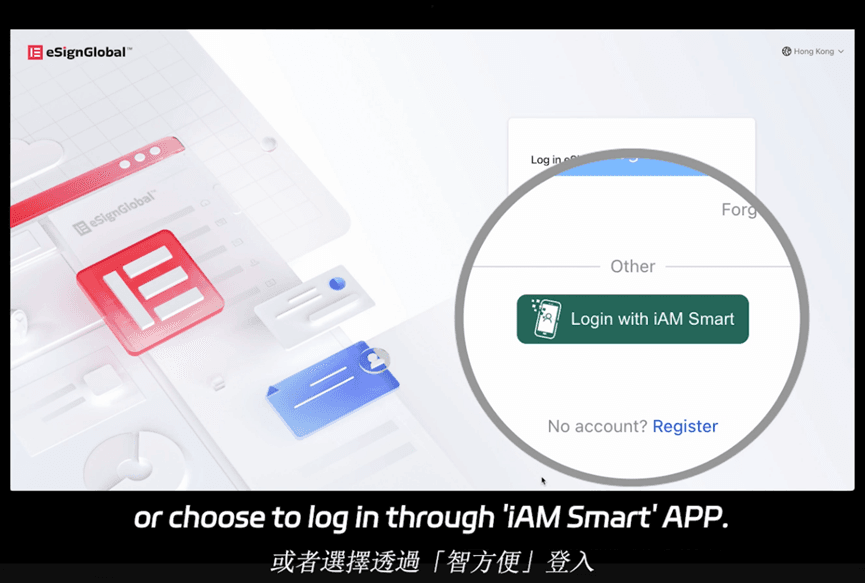
eSignGlobal si distingue per la conformità in oltre 100 paesi principali, incluso il supporto completo per le leggi filippine come la RA 8792, che offre un vantaggio nella regione Asia-Pacifico. Offre un'elaborazione più rapida per le transazioni transfrontaliere nel sud-est asiatico, affrontando i problemi di latenza di DocuSign. I prezzi sono più accessibili; visitare la loro pagina dei prezzi per i dettagli. Il piano Essential costa solo $16,6/mese (₱965), consentendo l'invio di un massimo di 100 documenti di firma elettronica, posti utente illimitati e verifica tramite codice di accesso, offrendo un valore eccezionale sulla base della conformità. Nelle Filippine, si integra perfettamente con i sistemi regionali e le sue funzionalità APAC native lo rendono più economico del 20-30% rispetto ai concorrenti, migliorando il ROI per le PMI locali nell'e-commerce o nella finanza.
Altri concorrenti: HelloSign e altri
HelloSign offre un'alternativa intuitiva con un punto di ingresso inferiore (₱9.200/anno), concentrandosi sulla semplicità per i piccoli team filippini. Tuttavia, manca di strumenti avanzati di conformità APAC. I nuovi operatori come PandaDoc enfatizzano le proposte con firme, ma potrebbero non essere pienamente conformi alle normative locali senza componenti aggiuntivi.
In sintesi, mentre i prezzi convertiti in PHP di DocuSign si adattano alle operazioni consolidate nelle Filippine, le aziende che cercano alternative convenienti e conformi a livello regionale potrebbero trovare valore in opzioni come eSignGlobal per ottimizzare le prestazioni APAC.
