
'%3e%3cpath%20fill-rule='evenodd'%20clip-rule='evenodd'%20d='M6.99935%2012.8327C10.221%2012.8327%2012.8327%2010.221%2012.8327%206.99935C12.8327%203.77769%2010.221%201.16602%206.99935%201.16602C3.77769%201.16602%201.16602%203.77769%201.16602%206.99935C1.16602%2010.221%203.77769%2012.8327%206.99935%2012.8327Z'%20stroke='%23666666'%20stroke-linecap='round'%20stroke-linejoin='round'/%3e%3cpath%20d='M1.16602%207H12.8327'%20stroke='%23666666'%20stroke-linecap='round'%20stroke-linejoin='round'/%3e%3cpath%20fill-rule='evenodd'%20clip-rule='evenodd'%20d='M6.99935%2012.8327C8.28802%2012.8327%209.33268%2010.221%209.33268%206.99935C9.33268%203.77769%208.28802%201.16602%206.99935%201.16602C5.71068%201.16602%204.66602%203.77769%204.66602%206.99935C4.66602%2010.221%205.71068%2012.8327%206.99935%2012.8327Z'%20stroke='%23666666'%20stroke-linecap='round'%20stroke-linejoin='round'/%3e%3cpath%20d='M2.875%202.95898C3.93063%204.01461%205.38896%204.66754%206.99978%204.66754C8.61062%204.66754%2010.069%204.01461%2011.1246%202.95898'%20stroke='%23666666'%20stroke-linecap='round'%20stroke-linejoin='round'/%3e%3cpath%20d='M11.1246%2011.0425C10.069%209.98691%208.61062%209.33398%206.99978%209.33398C5.38896%209.33398%203.93063%209.98691%202.875%2011.0425'%20stroke='%23666666'%20stroke-linecap='round'%20stroke-linejoin='round'/%3e%3c/g%3e%3cdefs%3e%3cclipPath%20id='clip0_1267_9109'%3e%3crect%20width='14'%20height='14'%20fill='white'/%3e%3c/clipPath%3e%3c/defs%3e%3c/svg%3e)


Costi di DocuSign per SharePoint


Comprendere i costi dell'integrazione di DocuSign con SharePoint
Nell'odierno ambiente di lavoro digitale, l'integrazione di soluzioni di firma elettronica come DocuSign con Microsoft SharePoint è diventata una necessità per le aziende che desiderano semplificare i flussi di lavoro documentali. Questa integrazione consente ai team di firmare, approvare e gestire contratti direttamente all'interno delle librerie di SharePoint, migliorando l'efficienza della collaborazione senza dover uscire dall'ecosistema Microsoft. Da un punto di vista commerciale, il costo dell'integrazione di DocuSign con SharePoint va oltre le semplici tariffe di abbonamento: combina licenze, componenti aggiuntivi, limiti di utilizzo e configurazione dell'integrazione, fattori che possono influenzare il ritorno sull'investimento (ROI) complessivo. Questo articolo analizza la struttura dei prezzi, i fattori che influenzano i costi e li confronta con le alternative per aiutare le organizzazioni a prendere decisioni informate.

Analisi delle basi dei prezzi di DocuSign
I prezzi di DocuSign sono suddivisi in livelli in base alle esigenze degli utenti, che vanno dall'uso personale alle implementazioni di livello aziendale. Per l'integrazione con SharePoint, le aziende in genere optano per piani che supportano l'accesso API e l'automazione, poiché ciò consente l'incorporamento senza problemi delle funzionalità di firma nei siti di SharePoint.
Piani di firma elettronica principali e la loro rilevanza per SharePoint
Il piano Personal di livello base costa 10 dollari al mese (o 120 dollari all'anno) ed è adatto per un singolo utente con un massimo di 5 buste al mese. Tuttavia, questo piano è in genere insufficiente per l'integrazione con SharePoint, poiché richiede la collaborazione del team e l'elaborazione di volumi elevati. Il piano Standard costa 25 dollari al mese per utente (300 dollari all'anno), supporta fino a 50 utenti e offre circa 100 buste all'anno per utente con un piano annuale. Include modelli e funzionalità di revisione, adatti per flussi di lavoro di base di SharePoint come l'approvazione di documenti condivisi.
Per casi d'uso di SharePoint più robusti, come l'automazione del routing dei contratti tra reparti, si consiglia in genere il piano Business Pro, che costa 40 dollari al mese per utente (480 dollari all'anno). Questo livello aggiunge moduli web, logica condizionale, invio in blocco e raccolta di pagamenti, funzionalità che si integrano bene con SharePoint tramite il connettore Microsoft AppSource di DocuSign. I limiti delle buste sono simili a quelli del piano Standard (circa 100 all'anno per utente), ma l'automazione ha un limite di circa 10 invii al mese per utente, il che potrebbe limitare le librerie di SharePoint ad alto volume.
I piani di livello aziendale hanno prezzi personalizzati, a partire da migliaia di dollari all'anno in base ai posti, al volume di buste e ai requisiti di conformità. Questi piani includono Single Sign-On (SSO) e audit avanzati, essenziali per i settori regolamentati che utilizzano SharePoint per la gestione sicura dei documenti.

Costi specifici per l'integrazione con SharePoint
Direttamente per quanto riguarda il "costo di DocuSign con SharePoint", l'integrazione stessa è gratuita tramite l'app ufficiale DocuSign per SharePoint nel Microsoft AppSource. L'app consente di incorporare richieste di firma in elenchi o librerie di SharePoint senza sviluppo personalizzato. Tuttavia, i costi effettivi derivano dall'abbonamento sottostante a DocuSign.
-
Costi di licenza: ogni utente di SharePoint che necessita dell'accesso alla firma richiede un posto DocuSign. Per un team di 10 persone, questo costa 4.800 dollari all'anno con il piano Business Pro. SharePoint Online (parte di Microsoft 365) non è in bundle con DocuSign, quindi è un costo aggiuntivo.
-
Utilizzo di buste e API: le buste (documenti firmati) vengono fatturate a consumo. Il superamento della quota comporta costi aggiuntivi, in genere da 1 a 2 dollari per busta aggiuntiva. Per l'automazione basata su API, come l'attivazione di firme dai flussi di lavoro di SharePoint, si attivano i piani API per sviluppatori. Il piano Starter costa 600 dollari all'anno con 40 buste al mese, che si estende all'Advanced per 5.760 dollari, supportando l'invio in blocco. I flussi di SharePoint Power Automate utilizzano in genere queste API, aggiungendo da 50 a 480 dollari al mese in base al livello.
-
Componenti aggiuntivi per un'integrazione avanzata: la consegna di notifiche SMS viene fatturata per messaggio (varia in base alla regione, ad esempio 0,10-0,50 dollari negli Stati Uniti). L'autenticazione dell'identità per firme conformi (IDV) per SharePoint che memorizza documenti sensibili viene fatturata a consumo, potenzialmente da 1 a 5 dollari per verifica. Questi sono essenziali per settori come quello finanziario, in cui SharePoint funge da repository centrale.
Il costo totale per un team di medie dimensioni (10 utenti, utilizzo moderato di SharePoint) potrebbe variare da 5.000 a 10.000 dollari all'anno, escluse le tariffe di Microsoft 365. Le aziende nella regione Asia-Pacifico (APAC) devono affrontare costi aggiuntivi per la residenza dei dati e la conformità, poiché l'infrastruttura globale di DocuSign potrebbe comportare latenza o strumenti di governance aggiuntivi. Ad esempio, nell'UE, le normative eIDAS richiedono firme elettroniche qualificate (QES) per garantire la validità legale, spingendo gli utenti verso i componenti aggiuntivi IDV di DocuSign per soddisfare standard di firma avanzati come gli standard ETSI.
Fattori che influenzano il costo totale di proprietà
Oltre ai prezzi di base, considerare l'implementazione: la configurazione di base richiede solo poche ore, ma le integrazioni personalizzate di Power Automate o la formazione potrebbero aggiungere da 1.000 a 5.000 dollari in costi di consulenza. La scalabilità è un altro fattore: la crescita di SharePoint potrebbe raggiungere rapidamente i limiti di automazione di DocuSign (ad esempio, 100 invii all'anno per utente), richiedendo aggiornamenti. Da un punto di vista commerciale, il modello basato sui posti di DocuSign si adatta ai team in crescita, ma potrebbe diventare costoso per scenari SharePoint a basso utilizzo, in cui le alternative con fatturazione per busta potrebbero offrire un valore migliore.
Confronto tra DocuSign e i concorrenti per SharePoint
Sebbene DocuSign sia leader nella quota di mercato, alternative come Adobe Sign, eSignGlobal offrono integrazioni con SharePoint a costi diversi. Di seguito è riportato un confronto neutrale basato sui dati pubblici del 2025, incentrato su prezzi, funzionalità e adattabilità regionale.
| Funzionalità/Aspetto | DocuSign | Adobe Sign | eSignGlobal | Dropbox Sign (HelloSign) | PandaDoc |
|---|---|---|---|---|---|
| Prezzo di partenza (per utente/mese, annuale) | $10 (Personal); $25 (Standard) | $10 (Individual); $23 (Team) | $16.60 (Essential, utenti illimitati) | $15 (Essentials) | $19 (Essentials) |
| Limiti di buste | 5–100/utente/anno (a livelli) | Illimitato nei piani superiori | Fino a 100 al mese (Essential) | 5–Illimitato (a livelli) | Modelli illimitati, fatturazione per invio |
| Integrazione con SharePoint | App AppSource nativa; supporto API | Integrazione profonda con Microsoft 365 | Compatibile con API e Power Automate | Incorporamento di base tramite API | Flussi di Power Automate; sincronizzazione dei modelli |
| Prezzi API | $600–$5,760/anno (da Starter ad Advanced) | Incluso nei piani Acrobat (circa $20/utente) | Flessibile, incluso nel piano base | $240/anno (Pro API) | Personalizzato, a partire da $500/mese |
| Componenti aggiuntivi (ad esempio SMS/IDV) | Fatturazione a consumo ($0.10+/messaggio; $1–$5/IDV) | In bundle aziendale; SMS extra | Verifica del codice di accesso inclusa; SMS regionali a basso costo | Fatturazione per busta | Integrazione dei pagamenti extra (circa $0.50/transazione) |
| Conformità regionale (focus APAC) | Globale ma latenza/componenti aggiuntivi di conformità APAC | Forte US/EU; APAC variabile | Conformità in oltre 100 paesi; ottimizzato per APAC (ad esempio integrazioni HK/SG) | Incentrato sugli Stati Uniti; APAC limitato | Adatto per documenti di vendita; supporto APAC in crescita |
| Ideale per | Automazione SharePoint di livello aziendale | Ecosistema Microsoft pesante | Conformità regionale conveniente | Firma semplice ed economica | Flussi di lavoro pesanti per le proposte |
| Costo complessivo per 10 utenti (stima annuale) | $4,800+ (Business Pro) | $2,760+ (Team) | $1,992 (Essential, posti illimitati) | $1,800 (Essentials) | $2,280 (Essentials) |
Questa tabella evidenzia che DocuSign eccelle nelle funzionalità avanzate ma ha un prezzo più elevato, mentre altre opzioni bilanciano costi e funzionalità.
Adobe Sign: un'alternativa incentrata su Microsoft
Adobe Sign si integra strettamente con Microsoft 365 e SharePoint, consentendo la firma direttamente nelle librerie di documenti. I prezzi partono da 10 dollari al mese per uso personale, estendendosi a 23 dollari per utente per i team, con buste illimitate nei livelli superiori. I prezzi personalizzati per le aziende includono un solido accesso API, spesso in bundle con Adobe Acrobat. È adatto per le organizzazioni già presenti nell'ecosistema Adobe, ma i componenti aggiuntivi come gli SMS possono accumulare costi, in modo simile a DocuSign. In APAC, la conformità varia, richiedendo costi aggiuntivi per soddisfare le leggi locali come l'Electronic Transactions Act di Singapore.

eSignGlobal: efficienza regionale per le esigenze globali
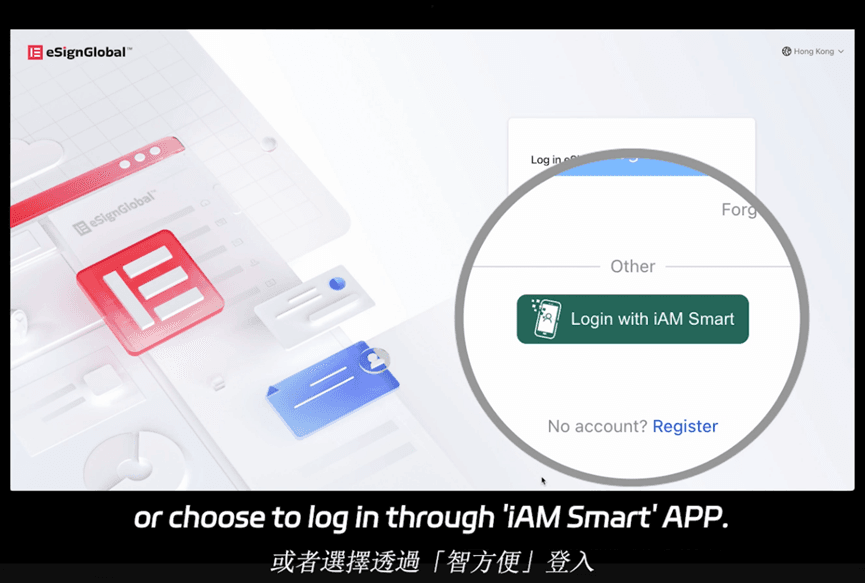
eSignGlobal si distingue per la conformità in oltre 100 paesi principali, con una forte presenza nella regione APAC, come Cina, Hong Kong e Singapore. Supporta le firme elettroniche ai sensi delle leggi locali, come la legge cinese sulle firme elettroniche (che richiede l'autenticazione affidabile) e l'ETA di Singapore per la non ripudiabilità. I prezzi sono competitivi; visitare la pagina dei prezzi di eSignGlobal per i dettagli. Il piano Essential, a 16,60 dollari al mese, consente fino a 100 documenti al mese, posti utente illimitati e verifica tramite codice di accesso, offrendo un elevato valore di conformità senza costi eccessivi. Si integra perfettamente con iAM Smart di Hong Kong e Singpass di Singapore tramite API e Power Automate per l'autenticazione, riducendo gli attriti in APAC. Per i team transfrontalieri, questa è una scelta flessibile, conveniente e compatibile con SharePoint.
Altri concorrenti: Dropbox Sign e PandaDoc
Dropbox Sign (precedentemente HelloSign) offre un semplice incorporamento di SharePoint a 15 dollari al mese per utente, con solide opzioni API per l'automazione. È adatto ai piccoli team ed è conveniente, ma manca di una profonda conformità aziendale. PandaDoc, a 19 dollari al mese per utente, si concentra sulla sincronizzazione dei documenti di vendita con SharePoint, adatto per i flussi di lavoro delle proposte, anche se la sua fatturazione a consumo potrebbe sorprendere gli utenti ad alto volume.
Considerazioni strategiche per le aziende
Da un punto di vista commerciale, l'integrazione di DocuSign con SharePoint offre affidabilità per le aziende globali, ma i costi aumentano con la scala. Alternative come Adobe Sign si adattano agli utenti fedeli a Microsoft, mentre i player regionali affrontano le sfide APAC in modo più economico. Valutare in base al volume di buste, alle esigenze di conformità e all'adattamento complessivo dell'ecosistema per ottimizzare le spese.
In sintesi, per gli utenti che cercano alternative a DocuSign, considerare eSignGlobal come un'opzione di conformità regionale con una forte presenza in APAC.
