
'%3e%3cpath%20fill-rule='evenodd'%20clip-rule='evenodd'%20d='M6.99935%2012.8327C10.221%2012.8327%2012.8327%2010.221%2012.8327%206.99935C12.8327%203.77769%2010.221%201.16602%206.99935%201.16602C3.77769%201.16602%201.16602%203.77769%201.16602%206.99935C1.16602%2010.221%203.77769%2012.8327%206.99935%2012.8327Z'%20stroke='%23666666'%20stroke-linecap='round'%20stroke-linejoin='round'/%3e%3cpath%20d='M1.16602%207H12.8327'%20stroke='%23666666'%20stroke-linecap='round'%20stroke-linejoin='round'/%3e%3cpath%20fill-rule='evenodd'%20clip-rule='evenodd'%20d='M6.99935%2012.8327C8.28802%2012.8327%209.33268%2010.221%209.33268%206.99935C9.33268%203.77769%208.28802%201.16602%206.99935%201.16602C5.71068%201.16602%204.66602%203.77769%204.66602%206.99935C4.66602%2010.221%205.71068%2012.8327%206.99935%2012.8327Z'%20stroke='%23666666'%20stroke-linecap='round'%20stroke-linejoin='round'/%3e%3cpath%20d='M2.875%202.95898C3.93063%204.01461%205.38896%204.66754%206.99978%204.66754C8.61062%204.66754%2010.069%204.01461%2011.1246%202.95898'%20stroke='%23666666'%20stroke-linecap='round'%20stroke-linejoin='round'/%3e%3cpath%20d='M11.1246%2011.0425C10.069%209.98691%208.61062%209.33398%206.99978%209.33398C5.38896%209.33398%203.93063%209.98691%202.875%2011.0425'%20stroke='%23666666'%20stroke-linecap='round'%20stroke-linejoin='round'/%3e%3c/g%3e%3cdefs%3e%3cclipPath%20id='clip0_1267_9109'%3e%3crect%20width='14'%20height='14'%20fill='white'/%3e%3c/clipPath%3e%3c/defs%3e%3c/svg%3e)


Apakah BoldSign Lebih Murah dari DocuSign?


Perbandingan BoldSign vs. DocuSign: Analisis Biaya untuk Bisnis
Dalam lanskap kompetitif solusi tanda tangan elektronik, bisnis sering kali menimbang opsi seperti BoldSign dan DocuSign berdasarkan harga, fitur, dan skalabilitas. Sebagai pengamat bisnis, artikel ini menggali apakah BoldSign menawarkan alternatif yang lebih murah daripada DocuSign, berdasarkan data harga terverifikasi tahun 2025 dan wawasan pasar. Kami akan menjelajahi paket inti, fitur tambahan, dan proposisi nilai mereka untuk membantu para pengambil keputusan mengevaluasi total biaya kepemilikan.

Apakah BoldSign Lebih Murah daripada DocuSign? Membongkar Model Harga
Memahami Struktur Harga BoldSign
BoldSign, yang dikembangkan oleh Zoho Corporation, memposisikan dirinya sebagai alat tanda tangan elektronik yang terjangkau dan mudah digunakan, yang ditujukan untuk usaha kecil dan menengah (UKM). Struktur harganya lugas, berbasis langganan tanpa batasan amplop tersembunyi di tingkatan yang lebih tinggi, yang membuatnya menarik bagi tim yang sadar biaya.
- Paket Gratis: Hingga 3 dokumen per bulan, sepenuhnya gratis, termasuk tanda tangan dasar, templat, dan jejak audit. Cocok untuk pekerja lepas atau pengguna dengan volume rendah.
- Paket Essential: $10 per bulan (ditagih tahunan), mendukung pengguna tak terbatas dan hingga 50 dokumen per bulan. Fitur termasuk branding khusus, akses API, dan dukungan multi-bahasa.
- Paket Comprehensive: $15 per bulan (ditagih tahunan), mendukung dokumen tak terbatas, alur kerja lanjutan (seperti perutean bersyarat), dan integrasi dengan aplikasi Zoho atau alat pihak ketiga (seperti Google Workspace).
- Paket Enterprise: Harga khusus, mulai dari sekitar $25 per pengguna per bulan, menambahkan SSO, pelaporan lanjutan, dan alat kepatuhan untuk organisasi besar.
Model BoldSign menekankan pengguna tak terbatas di semua paket, yang mengurangi biaya tim. Fitur tambahan seperti pengiriman SMS atau otentikasi identitas didasarkan pada penggunaan, biasanya $0,10–$0,50 per tindakan, tetapi jarang melebihi 20% dari biaya dasar untuk penggunaan sedang. Di wilayah seperti AS atau UE, di mana undang-undang tanda tangan elektronik seperti ESIGN Act atau eIDAS mewajibkan validitas elektronik dasar, BoldSign mematuhi tanpa biaya tambahan, sehingga tetap ekonomis.
Harga DocuSign: Pendekatan Bertingkat dengan Batasan Amplop
DocuSign telah menjadi pemimpin pasar sejak tahun 2004, menawarkan fitur tingkat perusahaan yang kuat tetapi dengan harga yang lebih tinggi. Harga tahun 2025 (wilayah AS, ditagih tahunan) didasarkan pada kursi dan memiliki kuota amplop yang ketat, yang dapat meningkatkan biaya untuk pengguna dengan volume tinggi. Dari sumber resmi:
- Paket Personal: $120 per tahun ($10 per bulan), 1 pengguna, 5 amplop per bulan. Tanda tangan dan templat dasar, tetapi skalabilitas terbatas.
- Paket Standard: $300 per pengguna per tahun ($25 per bulan/pengguna), hingga 50 pengguna, sekitar 100 amplop per pengguna per tahun. Menambahkan kolaborasi tim, komentar, dan pengingat.
- Paket Business Pro: $480 per pengguna per tahun ($40 per bulan/pengguna), batasan amplop serupa tetapi mencakup formulir web, logika bersyarat, pengiriman massal, dan pengumpulan pembayaran.
- Enterprise/Advanced: Kustom, biasanya $50+ per pengguna per bulan, termasuk SSO, tata kelola, dan amplop tak terbatas untuk kebutuhan kepatuhan tinggi.
Fitur tambahan seperti otentikasi identitas (IDV) atau pengiriman SMS dikenakan biaya berdasarkan penggunaan: IDV $1–$5 per verifikasi, SMS $0,20–$0,50 per pesan. Paket API mulai dari $600 per tahun (40 amplop per bulan), dengan fitur lanjutan meningkat hingga $5.760 per tahun. Pengiriman otomatis (seperti massal atau API) dibatasi hingga sekitar 10 per pengguna per bulan bahkan di tingkatan yang lebih tinggi, yang berpotensi memerlukan peningkatan.
Di wilayah APAC (seperti Tiongkok atau Singapura), DocuSign menghadapi tantangan: latensi lintas batas, biaya tambahan residensi data, dan metode ID lokal yang terbatas dapat menambah biaya sebesar 20–50%. Misalnya, Undang-Undang Transaksi Elektronik Singapura mewajibkan tanda tangan yang aman dan dapat diaudit, yang didukung DocuSign tetapi dengan harga efektif yang lebih tinggi karena fitur tambahan kepatuhan regional.
Perbandingan Harga Langsung: BoldSign vs. DocuSign
Untuk menjawab pertanyaan inti—apakah BoldSign lebih murah daripada DocuSign?—mari kita bandingkan skenario yang setara untuk tim yang terdiri dari 5 pengguna yang mengirim 200 amplop per tahun.
- Volume Rendah (50 amplop per tahun): BoldSign Essential ($10 per bulan total untuk tim, $600 per tahun) vs. DocuSign Personal/Standard ($25 per bulan per pengguna untuk 5 pengguna, $1.500 per tahun). BoldSign menghemat sekitar 60%, mendukung pengguna tak terbatas dan tanpa biaya per amplop.
- Volume Sedang (200 amplop per tahun): BoldSign Comprehensive ($15 per bulan total untuk tim, $900 per tahun) mencakup amplop tak terbatas, dibandingkan dengan DocuSign Business Pro ($40 per bulan untuk 5 pengguna, $12.000 per tahun, ditambah biaya kelebihan untuk lebih dari 500 amplop). BoldSign menghemat 92% karena kuota DocuSign memaksa peningkatan atau tambahan.
- Volume Tinggi/Penggunaan API: BoldSign Enterprise (sekitar $1.500 per tahun dasar) vs. DocuSign Advanced API ($5.760 per tahun minimum). API fleksibel BoldSign (termasuk dalam paket Comprehensive) menghindari kuota curam DocuSign, menghemat 70–80%.
Secara keseluruhan, BoldSign secara signifikan lebih murah untuk UKM dengan kebutuhan sedang—seringkali menghemat 50–90%. Namun, DocuSign membenarkan premi dengan kepatuhan global yang unggul (seperti GDPR, HIPAA) dan integrasi (500+ aplikasi). Untuk perusahaan di industri yang diatur seperti keuangan, kedalaman audit DocuSign dapat lebih besar daripada keuntungan biaya BoldSign, tetapi untuk penggunaan umum, BoldSign menawarkan ROI yang lebih baik hanya berdasarkan harga.
Faktor-faktor seperti hukum regional memengaruhi perbandingan ini: di UE (peraturan eIDAS), keduanya mematuhi, tetapi biaya BoldSign yang lebih rendah cocok untuk startup. Di AS (ESIGN/UETA), kepercayaan yang sudah mapan dari DocuSign mengenakan biaya yang lebih tinggi. Pengguna APAC di bawah undang-undang yang berbeda (seperti Undang-Undang Tanda Tangan Elektronik Tiongkok yang mewajibkan penyimpanan data lokal) mungkin menemukan kesederhanaan BoldSign lebih sesuai dengan anggaran tanpa biaya tambahan DocuSign.
Perbandingan ini menempati sebagian besar analisis kami, menyoroti keterjangkauan BoldSign sebagai pembeda utama untuk operasi yang sadar biaya.
Lanskap Kompetitif yang Lebih Luas: DocuSign, Adobe Sign, eSignGlobal, dan Lainnya
Untuk memberikan konteks, mari kita periksa pesaing utama. Adobe Sign terintegrasi dengan mulus dengan alat PDF, sementara eSignGlobal menargetkan kepatuhan APAC. Pemain lain seperti PandaDoc berfokus pada proposal penjualan dengan tanda tangan yang disematkan.
Ikhtisar DocuSign
DocuSign unggul dalam skalabilitas perusahaan dan jangkauan global, dengan dukungan API yang kuat dan kemampuan kepatuhan. Namun, harga berbasis amplopnya dapat menyebabkan biaya yang tidak dapat diprediksi, terutama untuk alur kerja intensif otomatisasi.

Adobe Sign: Fokus Integrasi Perusahaan
Adobe Sign, bagian dari Adobe Document Cloud, menekankan alur kerja yang berpusat pada PDF dan integrasi Acrobat. Harga mulai dari $22,99 per pengguna per bulan (Standard, ditagih tahunan) dengan 50 perjanjian per tahun, meningkat menjadi $39,99 per pengguna per bulan (Premium) untuk perjanjian tak terbatas dan analitik lanjutan. Ini mematuhi standar global seperti eIDAS dan ESIGN, tetapi fitur tambahan seperti SMS ($.50 per pesan) menambah biaya. Kuat untuk industri kreatif tetapi kurang fleksibel di luar ekosistem Adobe dibandingkan dengan pesaing lainnya.

eSignGlobal: Pemimpin Kepatuhan yang Dioptimalkan APAC
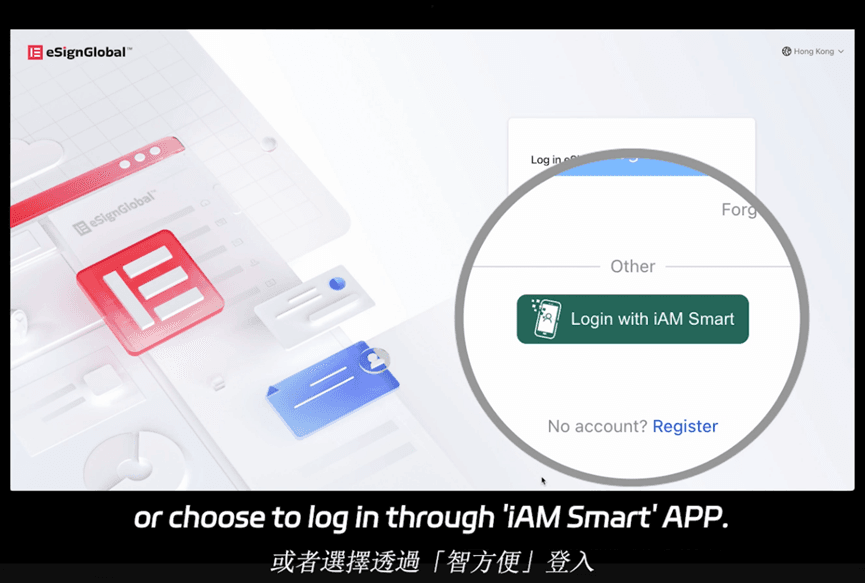
eSignGlobal menonjol karena fokus regionalnya, menawarkan tanda tangan elektronik yang sesuai di lebih dari 100 negara arus utama di seluruh dunia, dengan keunggulan khusus di wilayah Asia-Pasifik (APAC). Ini mendukung peraturan lokal seperti ITPOO Ordinance Hong Kong dan ETA Singapura, memastikan integrasi yang mulus dengan sistem pemerintah (seperti iAM Smart Hong Kong dan Singpass Singapura) untuk otentikasi identitas. Ini membuatnya cocok untuk perusahaan lintas batas yang menghadapi tantangan residensi data.
Harga transparan dan kompetitif; detailnya tersedia di halaman harga eSignGlobal. Paket Essential hanya $16,60 per bulan (ditagih tahunan), memungkinkan pengiriman hingga 100 dokumen tanda tangan elektronik, kursi pengguna tak terbatas, dan verifikasi melalui kode akses—memberikan nilai tinggi pada kepatuhan tanpa label harga premium dari raksasa global. Di APAC, ini seringkali 30–50% lebih murah daripada penawaran DocuSign yang setara, mengoptimalkan kecepatan dan latensi yang lebih rendah untuk pasar Tiongkok/Asia Tenggara. Fitur seperti pengiriman massal dan formulir web cocok dengan tingkat Business Pro tetapi dengan sebagian kecil dari biaya, menekankan efektivitas biaya untuk tim regional.
Tabel Perbandingan Pesaing
| Fitur/Aspek | DocuSign | Adobe Sign | eSignGlobal | BoldSign (Zoho) | PandaDoc (Lainnya) |
|---|---|---|---|---|---|
| Harga Mulai (per bulan, ditagih tahunan) | $10 (Personal, 1 pengguna) | $22,99/pengguna (Standard) | $16,60 (Essential, pengguna tak terbatas) | $10 (Essential, pengguna tak terbatas) | $19/pengguna (Essentials) |
| Batasan Amplop/Dokumen (Paket Dasar) | 5/bulan (Personal); 100/tahun/pengguna (Standard) | 50/tahun/pengguna | 100/bulan (Essential) | 50/bulan (Essential); tak terbatas (Comprehensive) | Proposal tak terbatas, 50 dokumen/bulan |
| Pengguna Tak Terbatas | Tidak (berbasis kursi) | Tidak (berbasis kursi) | Ya | Ya | Tidak (berbasis kursi) |
| Akses API | $600/tahun (Starter) | Termasuk Premium | Termasuk semua paket | Termasuk mulai dari Essential | Terbatas pada dasar; $ tambahan |
| Kepatuhan (Global/APAC) | Global yang kuat (ESIGN, eIDAS); biaya tambahan APAC | Unggul (GDPR, HIPAA); lokal APAC terbatas | 100+ negara; APAC dioptimalkan (iAM Smart, Singpass) | Global dasar; cocok untuk UKM | Berorientasi penjualan; kepatuhan dasar |
| Biaya Tambahan (SMS/IDV) | $0,20–$5/operasi | $0,50/pesan; $1/IDV | Berbasis penggunaan, rendah (~$0,10–$0,30) | $0,10–$0,50/operasi | Pembayaran terintegrasi tambahan |
| Terbaik untuk | Perusahaan, kepatuhan tinggi | Alur kerja intensif PDF | APAC/Lintas batas, berorientasi nilai | UKM, penghematan biaya | Tim penjualan, proposal |
| Keunggulan Biaya Keseluruhan | Premium; biaya tersembunyi | Sedang; biaya integrasi | Nilai tinggi APAC (30–50% lebih murah secara regional) | Termurah untuk volume rendah hingga sedang | Nilai berpusat pada proposal |
Tabel ini, berdasarkan data tahun 2025, menunjukkan keunggulan eSignGlobal dalam keterjangkauan dan kepatuhan di APAC, sementara BoldSign memimpin dalam biaya murni untuk penggunaan umum. DocuSign dan Adobe Sign mendominasi pasar perusahaan tetapi dengan biaya total yang lebih tinggi.
Pertimbangan Utama dalam Memilih Penyedia Tanda Tangan Elektronik
Selain harga, evaluasi integrasi, dukungan, dan skalabilitas. BoldSign cocok untuk pengguna Zoho, DocuSign untuk otomatisasi kompleks, Adobe untuk manajemen dokumen, dan eSignGlobal untuk kebutuhan regional. Di APAC, di mana undang-undang seperti Undang-Undang Tanda Tangan Elektronik Tiongkok mewajibkan verifikasi lokal, opsi dengan dukungan asli mengurangi risiko dan biaya.
Pemikiran Akhir: Memilih Kecocokan yang Tepat
Untuk bisnis yang mencari alternatif DocuSign, pertimbangkan prioritas kepatuhan regional—eSignGlobal menonjol sebagai pilihan yang kuat dan berorientasi nilai untuk operasi APAC dan global.
