
'%3e%3cpath%20fill-rule='evenodd'%20clip-rule='evenodd'%20d='M6.99935%2012.8327C10.221%2012.8327%2012.8327%2010.221%2012.8327%206.99935C12.8327%203.77769%2010.221%201.16602%206.99935%201.16602C3.77769%201.16602%201.16602%203.77769%201.16602%206.99935C1.16602%2010.221%203.77769%2012.8327%206.99935%2012.8327Z'%20stroke='%23666666'%20stroke-linecap='round'%20stroke-linejoin='round'/%3e%3cpath%20d='M1.16602%207H12.8327'%20stroke='%23666666'%20stroke-linecap='round'%20stroke-linejoin='round'/%3e%3cpath%20fill-rule='evenodd'%20clip-rule='evenodd'%20d='M6.99935%2012.8327C8.28802%2012.8327%209.33268%2010.221%209.33268%206.99935C9.33268%203.77769%208.28802%201.16602%206.99935%201.16602C5.71068%201.16602%204.66602%203.77769%204.66602%206.99935C4.66602%2010.221%205.71068%2012.8327%206.99935%2012.8327Z'%20stroke='%23666666'%20stroke-linecap='round'%20stroke-linejoin='round'/%3e%3cpath%20d='M2.875%202.95898C3.93063%204.01461%205.38896%204.66754%206.99978%204.66754C8.61062%204.66754%2010.069%204.01461%2011.1246%202.95898'%20stroke='%23666666'%20stroke-linecap='round'%20stroke-linejoin='round'/%3e%3cpath%20d='M11.1246%2011.0425C10.069%209.98691%208.61062%209.33398%206.99978%209.33398C5.38896%209.33398%203.93063%209.98691%202.875%2011.0425'%20stroke='%23666666'%20stroke-linecap='round'%20stroke-linejoin='round'/%3e%3c/g%3e%3cdefs%3e%3cclipPath%20id='clip0_1267_9109'%3e%3crect%20width='14'%20height='14'%20fill='white'/%3e%3c/clipPath%3e%3c/defs%3e%3c/svg%3e)


DocuSign Zoom Integration: Preise


Der Aufstieg der nahtlosen Integration in digitalen Signaturen
In der heutigen schnelllebigen Geschäftswelt ist die Integration von E-Signatur-Plattformen wie DocuSign mit Videokonferenz-Tools wie Zoom zu einer Notwendigkeit für Remote-Teams geworden. Diese Kombination rationalisiert Arbeitsabläufe und ermöglicht es Benutzern, Dokumente direkt während Meetings zu überprüfen, zu diskutieren und zu unterzeichnen, wodurch Verzögerungen reduziert und die Zusammenarbeit verbessert wird. Von Verkaufsgesprächen bis hin zu juristischen Überprüfungen verändern diese Integrationen die Art und Weise, wie Vereinbarungen abgewickelt werden, aber das Verständnis der damit verbundenen Kosten ist für fundierte Entscheidungen unerlässlich.

DocuSign-Zoom-Integration: Funktionen und Eigenschaften
Funktionen der Integration
Die DocuSign-Zoom-Integration, die über den Zoom App Marketplace verfügbar ist, ermöglicht es Benutzern, Signaturfunktionen nahtlos in Zoom-Meetings einzubetten. Während eines Videoanrufs können die Teilnehmer auf DocuSign-Umschläge zugreifen, Unterschriften hinzufügen und Dokumente ausfüllen, ohne die Plattform verlassen zu müssen. Dies ist besonders wertvoll für Echtzeitverhandlungen, bei denen visuelle Hinweise im Video das Vertrauen und die Klarheit erhöhen. Zu den wichtigsten Funktionen gehören die gemeinsame Nutzung von Umschlägen mit einem Klick, Signaturaufforderungen während des Meetings und ein Audit-Trail, der die Aktionen in der Zoom-Sitzung aufzeichnet. Sie ist auf Branchen wie Immobilien, Finanzen und Personalwesen zugeschnitten, in denen die sofortige Ausführung entscheidend ist.
Detaillierte Preisgestaltung für DocuSign-Pläne, die Zoom-Integration unterstützen
Für den Zugriff auf die DocuSign-Zoom-Integration ist ein DocuSign eSignature-Abonnement erforderlich, da die Integration selbst im Rahmen kompatibler Pläne kostenlos ist. Die Preisgestaltung basiert auf der jährlichen Abrechnung in den USA und wird je nach Benutzerplätzen und Umschlagvolumen gestaffelt. Hier ist ein detaillierter Überblick:
-
Personal Plan: 10 US-Dollar pro Monat (120 US-Dollar pro Jahr) für einen Benutzer. Diese Einstiegsoption umfasst bis zu 5 Umschläge pro Monat. Obwohl sie die grundlegende Zoom-Freigabe unterstützt, ist sie für Teams, die eine häufige Integration benötigen, restriktiv. Geeignet für Einzelunternehmer, die sich erst einmal umsehen möchten, aber die Umschlagobergrenze wird in Zoom-basierten Workflows schnell einschränkend.
-
Standard Plan: 25 US-Dollar pro Benutzer und Monat (300 US-Dollar pro Jahr) für bis zu 50 Benutzer und etwa 100 Umschläge pro Benutzer und Jahr (oder 10 pro Monat). Er schaltet Team-Kollaborationsfunktionen wie gemeinsame Vorlagen und Kommentare frei und eignet sich daher für Zoom-Meetings mit mehreren Unterzeichnern. Erinnerungen und Fortschrittsverfolgung sind nahtlos integriert, aber die automatisierte Versendung (z. B. Massenversand von Zoom aus) ist auf etwa 10 pro Benutzer und Monat begrenzt.
-
Business Pro Plan: 40 US-Dollar pro Benutzer und Monat (480 US-Dollar pro Jahr). Diese Stufe fügt erweiterte Tools wie Webformulare, bedingte Logik, Unterzeichneranhänge und Massenversand hinzu - ideal für komplexe Zoom-Szenarien wie Gruppenvertragsprüfungen mit Zahlungserfassung. Die Umschlagbeschränkungen ähneln denen des Standard Plans, aber die Integration zeichnet sich durch Funktionen wie Anhänge während des Meetings aus, was die Effizienz von Vertriebsteams steigert.
-
Enhanced/Enterprise Plans: Individuelle Preisgestaltung ab 50 Benutzern, einschließlich SSO, erweiterter Audits und anpassbarer unbegrenzter Umschlagkontingente. Die Zoom-Integration umfasst hier Premium-Support für die Nutzung mit hohem Volumen, aber beachten Sie, dass zusätzliche Funktionen wie die Identitätsprüfung (nutzungsabhängige Abrechnung, zusätzliche Kosten) oder die SMS-Zustellung (kostenpflichtig pro Nachricht) die Gesamtkosten erhöhen können, insbesondere in globalen Umgebungen.
Zusätzliche Kosten entstehen durch Umschlagüberschreitungen (Abrechnung pro zusätzlichem Versand) und API-Nutzung, wenn Signaturen durch Zoom automatisiert werden. Zum Beispiel ermöglichen Developer API-Pläne - Starter für 600 US-Dollar pro Jahr (40 Umschläge pro Monat), Intermediate für 3.600 US-Dollar pro Jahr (100 pro Monat) bis hin zu Advanced für 5.760 US-Dollar pro Jahr - eine tiefere Zoom-Anpassung, wie z. B. Webhooks für Signaturen nach dem Meeting. Im asiatisch-pazifischen Raum können grenzüberschreitende Latenzzeiten und Compliance-Aufschläge die effektiven Kosten um 20-30 % erhöhen, wie von DocuSign strukturiert.
Aus geschäftlicher Sicht spiegelt diese Preisgestaltung den Fokus von DocuSign auf Skalierbarkeit wider, kann sich aber für kleine Teams als teuer anfühlen. Die Integration steigert die Produktivität - Studien zeigen eine Steigerung der unterzeichneten Dokumente um 30 % in integrierten Umgebungen - aber der ROI hängt von der Nutzung ab. Für Zoom Pro- oder höhere Konten (ab 15 US-Dollar pro Benutzer und Monat) ist die Kombination unkompliziert, ohne zusätzliche Zoom-Gebühren für die App.
Einschränkungen und Tipps zur Kosteneinsparung
Selbst "unbegrenzte" Pläne sind auf etwa 100 automatisierte Sendungen pro Benutzer und Jahr begrenzt, was sich auf Zoom-Massenszenarien auswirken kann. Unternehmen können die Integration optimieren, indem sie mit dem Standard Plan beginnen, die Nutzung über das DocuSign-Dashboard überwachen und Unternehmensvereinbarungen für Mengenrabatte aushandeln. Insgesamt können die Einstiegskosten für die Zoom-Integration für ein Team von 5 Benutzern insgesamt 1.500 US-Dollar pro Jahr betragen, während sie sich für erweiterte Setups auf über 10.000 US-Dollar belaufen können.

Vergleich mit Wettbewerbern bei der Integration von E-Signaturen
Bei der Bewertung der DocuSign-Zoom-Integrationspreise ist ein vergleichender Vergleich mit alternativen Optionen ratsam. Dieser Abschnitt vergleicht DocuSign mit Adobe Sign, eSignGlobal sowie anderen Anbietern wie Dropbox Sign (ehemals HelloSign) und PandaDoc. Jede bietet Zoom-Kompatibilität, aber die Preise, Funktionen und regionalen Schwerpunkte variieren.
DocuSign-Überblick
Als Marktführer zeichnet sich DocuSign durch eine robuste Zoom-Integration und Sicherheit auf Unternehmensebene (wie 256-Bit-Verschlüsselung) aus. Die Pläne betonen die Compliance (ESIGN, UETA, eIDAS), aber höhere Stufen und Add-ons treiben die Kosten in die Höhe. Zu den Vorteilen gehört eine nahtlose API für die Anpassung von Zoom-Anwendungen, obwohl Benutzer im asiatisch-pazifischen Raum mit Latenzproblemen konfrontiert sind.
Adobe Sign-Überblick
Adobe Sign, als Teil der Adobe Document Cloud, integriert sich mit Zoom über gemeinsame Links und In-App-Signaturen und unterstützt Workflows wie das Ausfüllen von Formularen während des Anrufs. Die Preise beginnen bei 10 US-Dollar pro Monat für Einzelpersonen (bis zu 50 Transaktionen pro Jahr), 23 US-Dollar pro Monat für Teams (100 Transaktionen) und 39 US-Dollar pro Monat für Unternehmen (unbegrenzt, mit erweitertem Routing). Unternehmensanpassung. Es zeichnet sich in PDF-intensiven Umgebungen aus und ist eng in Adobe Acrobat integriert, aber Transaktionsbeschränkungen und Add-ons (wie 0,50 US-Dollar pro SMS) können zu ähnlichen High-End-Preisen wie DocuSign führen. Die globale Compliance ist stark, aber das Setup konzentriert sich eher auf Dokumente als auf Meetings.

eSignGlobal-Überblick
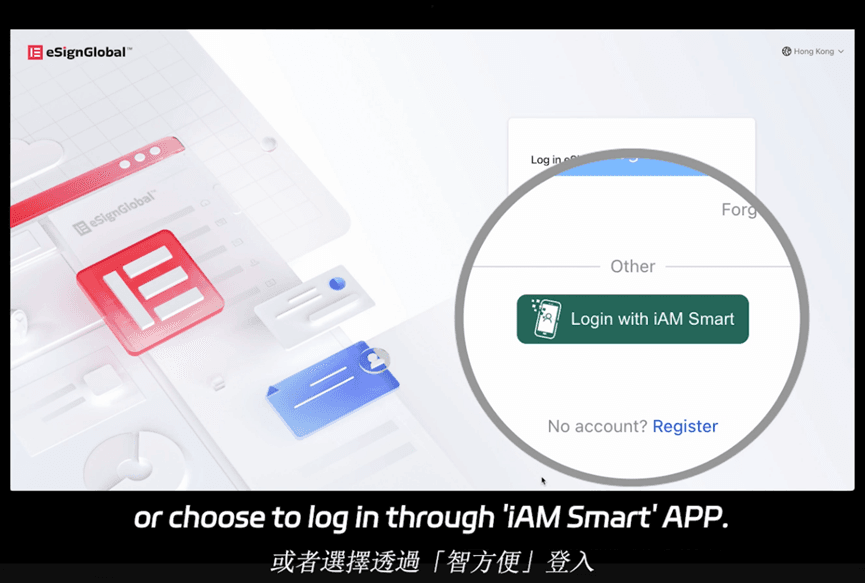
eSignGlobal positioniert sich als Compliance-Alternative und unterstützt elektronische Signaturen in über 100 wichtigen Ländern und Regionen weltweit. Es bietet eine native Zoom-Integration für Signaturen während des Meetings mit Schwerpunkt auf Vorteilen im asiatisch-pazifischen Raum, wie z. B. optimierte Geschwindigkeit in China, Hongkong und Südostasien. Die Preise sind zugänglicher; Details finden Sie auf der offiziellen Preisseite. Der Essential Plan kostet nur 16,60 US-Dollar pro Monat für bis zu 100 gesendete Dokumente, unbegrenzte Benutzerplätze und die Überprüfung über Zugangscodes - und bietet so eine hohe Compliance ohne Sitzplatzgebühren. Es integriert regionale Systeme wie iAM Smart in Hongkong und Singpass in Singapur nahtlos und reduziert so Reibungsverluste für grenzüberschreitende Teams. Dies macht es zu einer kostengünstigen Wahl für Unternehmen mit Schwerpunkt auf dem asiatisch-pazifischen Raum, wo DocuSign möglicherweise zusätzliche Gebühren erhebt.
Andere Wettbewerber: Dropbox Sign und PandaDoc
Dropbox Sign (HelloSign) bietet Zoom-Integrationen ab 15 US-Dollar/Benutzer (3 Sendungen), 25 US-Dollar (unbegrenzt) mit einfachem Drag & Drop während des Meetings. Erschwinglich für kleine und mittlere Unternehmen (KMU), aber es fehlt an tiefer Automatisierung. PandaDoc integriert Zoom für Angebotssignaturen ab 19 US-Dollar/Benutzer (Pro) und betont Vorlagen, aber die Teampreise steigen auf 49 US-Dollar/Benutzer.
| Funktion/Aspekt | DocuSign | Adobe Sign | eSignGlobal | Dropbox Sign | PandaDoc |
|---|---|---|---|---|---|
| Startpreis (pro Benutzer/Monat, jährlich) | $10 (Personal) | $10 (Individual) | $16.60 (Essential, unbegrenzte Plätze) | $15 (Essentials) | $19 (Pro) |
| Umschlag-/Transaktionsbeschränkungen (Basis) | 5/Monat (Personal); 100/Jahr (Standard) | 50/Jahr (Individual); Unbegrenzt (Business) | 100/Monat (Essential) | 3/Monat (Essentials); Höher unbegrenzt | Unbegrenzt (Pro) |
| Zoom-Integrationstiefe | Signaturen während des Meetings, API-Webhooks | Linkfreigabe, Formularausfüllung | Native Anruferinnerungen, regionale Optimierung | Grundlegende Freigabe, Vorlagen | Angebotsfokussierte Signaturen |
| APAC/Regionale Compliance | Global, aber APAC-Latenz; Zusätzliche Gebühren | EU/US stark; APAC-Add-ons | 100+ Länder; Native HK/SG/CN (z. B. iAM Smart) | Grundlegend global | US-zentriert, APAC begrenzt |
| Zusätzliche Kosten (z. B. SMS/IDV) | Nutzungsabhängige Abrechnung (hoch) | $0.50/SMS; Benutzerdefinierte IDV | Zugangscode in Basis enthalten; Flexibel | Niedrig pro Sendung | Zahlungsintegration extra |
| Am besten geeignet für | Unternehmen, die Audits benötigen | PDF-Workflows | APAC-Compliance-Kosteneffizienz | Einfache KMU-Sendungen | Vorlagenintensive Verkäufe |
| Gesamtwert (mittelgroßes Team) | High-End-Skalierbarkeit | Dokumentenintegration | Hoher regionaler ROI | Budgetfreundliche Grundlagen | Vorlagenlastige Verkäufe |
Diese Tabelle hebt die Stärken von eSignGlobal in Bezug auf APAC-Erschwinglichkeit und Compliance hervor, während DocuSign bei globalen Unternehmensfunktionen führend ist. Die Wahl hängt von der Größe und der Geografie ab - Adobe eignet sich für Kreativteams, während Dropbox Minimalisten anspricht.
Strategische Überlegungen für Unternehmen
Aus geschäftlicher Sicht betont die DocuSign-Zoom-Integrationspreisgestaltung ein Abonnementmodell, das Volumen belohnt, aber geringe Nutzung bestraft. Für globale Unternehmen sollten Sie API-Stufen in Betracht ziehen, wenn die Automatisierung über die grundlegende Freigabe hinausgeht. Wettbewerber wie eSignGlobal bieten ähnliche Funktionen zu niedrigeren Einstiegspreisen, insbesondere dort, wo regionale Gesetze eine lokalisierte Überprüfung erfordern.
Zusammenfassend lässt sich sagen, dass DocuSign zwar eine zuverlässige Option für integrierte Signaturen bleibt, Unternehmen, die regionale Compliance-Alternativen suchen, jedoch möglicherweise einen ausgewogenen und regional optimierten Wert in eSignGlobal finden. Bewerten Sie anhand Ihrer Workflow-Anforderungen, um die beste Übereinstimmung zu erzielen.
