
'%3e%3cpath%20fill-rule='evenodd'%20clip-rule='evenodd'%20d='M6.99935%2012.8327C10.221%2012.8327%2012.8327%2010.221%2012.8327%206.99935C12.8327%203.77769%2010.221%201.16602%206.99935%201.16602C3.77769%201.16602%201.16602%203.77769%201.16602%206.99935C1.16602%2010.221%203.77769%2012.8327%206.99935%2012.8327Z'%20stroke='%23666666'%20stroke-linecap='round'%20stroke-linejoin='round'/%3e%3cpath%20d='M1.16602%207H12.8327'%20stroke='%23666666'%20stroke-linecap='round'%20stroke-linejoin='round'/%3e%3cpath%20fill-rule='evenodd'%20clip-rule='evenodd'%20d='M6.99935%2012.8327C8.28802%2012.8327%209.33268%2010.221%209.33268%206.99935C9.33268%203.77769%208.28802%201.16602%206.99935%201.16602C5.71068%201.16602%204.66602%203.77769%204.66602%206.99935C4.66602%2010.221%205.71068%2012.8327%206.99935%2012.8327Z'%20stroke='%23666666'%20stroke-linecap='round'%20stroke-linejoin='round'/%3e%3cpath%20d='M2.875%202.95898C3.93063%204.01461%205.38896%204.66754%206.99978%204.66754C8.61062%204.66754%2010.069%204.01461%2011.1246%202.95898'%20stroke='%23666666'%20stroke-linecap='round'%20stroke-linejoin='round'/%3e%3cpath%20d='M11.1246%2011.0425C10.069%209.98691%208.61062%209.33398%206.99978%209.33398C5.38896%209.33398%203.93063%209.98691%202.875%2011.0425'%20stroke='%23666666'%20stroke-linecap='round'%20stroke-linejoin='round'/%3e%3c/g%3e%3cdefs%3e%3cclipPath%20id='clip0_1267_9109'%3e%3crect%20width='14'%20height='14'%20fill='white'/%3e%3c/clipPath%3e%3c/defs%3e%3c/svg%3e)


DocuSign Gesundheitswesen-Plan Kosten


DocuSign-Preise für das Gesundheitswesen im Jahr 2025 im Detail
In der sich ständig weiterentwickelnden Landschaft der digitalen Transformation spielen elektronische Signaturlösungen wie DocuSign eine entscheidende Rolle im Gesundheitswesen, um die Einhaltung strenger Vorschriften wie HIPAA in den USA zu gewährleisten. Gesundheitsorganisationen verlassen sich auf diese Tools, um sichere Patienteneinwilligungen, Telemedizinvereinbarungen und administrative Arbeitsabläufe zu verarbeiten. Dieser Artikel befasst sich mit den Kosten von DocuSign-Plänen für das Gesundheitswesen, basierend auf offiziellen Preisdaten für 2025, und analysiert gleichzeitig sein Wertversprechen aus einer neutralen Geschäftsperspektive, um den wachsenden betrieblichen Anforderungen gerecht zu werden.
Auf das Gesundheitswesen zugeschnittene DocuSign eSignature-Pläne
Das Kernprodukt eSignature von DocuSign bildet die Grundlage für Implementierungen im Gesundheitswesen, aber die Kosten steigen aufgrund branchenspezifischer Anforderungen wie erweiterter Sicherheit und Audit-Trails. Die Standardpläne – Personal, Standard, Business Pro und Advanced Solutions (Enterprise) – sind anpassungsfähig, aber Gesundheitsanwender benötigen oft Compliance-Add-ons.
Personal-Plan: Einsteigeroption für kleine Kliniken
Dieser Plan ist für einzelne Benutzer gedacht und kostet 10 US-Dollar pro Monat (120 US-Dollar pro Jahr). Er eignet sich für Einzelpraxen oder kleine Kliniken, die geringe Mengen bearbeiten, z. B. einzelne Patientenregistrierungen. Er umfasst bis zu 5 Umschläge pro Monat, grundlegende Vorlagen und Integrationen mit Tools wie Google Drive. Für das Gesundheitswesen fehlen ihm jedoch robuste Funktionen wie die Identitätsprüfung, um die Anforderungen regulierter Umgebungen zu erfüllen. Die Umschlagbeschränkung (wobei ein Umschlag mehrere Dokumente enthalten kann) bedeutet, dass er mit Bedacht eingesetzt werden muss, um Überschreitungsgebühren zu vermeiden, die 0,10–1 US-Dollar pro zusätzlichem Umschlag betragen können.
Standard-Plan: Teamzusammenarbeit für mittelgroße Kliniken
Dieser Plan kostet 25 US-Dollar pro Benutzer und Monat (300 US-Dollar pro Jahr) und unterstützt bis zu 50 Benutzer. Er bietet Teamfreigabe, Kommentare, Erinnerungen und etwa 100 Umschläge pro Benutzer bei jährlicher Abrechnung. Im Gesundheitswesen hilft dies bei der gemeinsamen Überprüfung von Behandlungsplänen oder HR-Dokumenten. Da jedoch erweiterte Routing- oder Zahlungsfunktionen fehlen, ist er nicht für komplexe Patientenabrechnungs- oder Einwilligungsabläufe geeignet. Die Automatisierungsversendung (z. B. Massenbenachrichtigungen für Terminerinnerungen) ist auf etwa 10 pro Benutzer und Monat begrenzt, was für Kliniken mit hohem Volumen möglicherweise ein Upgrade erfordert.
Business Pro-Plan: Erweiterte Funktionen für Compliance-intensive Arbeitsabläufe
Der Business Pro-Plan kostet 40 US-Dollar pro Benutzer und Monat (480 US-Dollar pro Jahr) und bietet Webformulare, bedingte Logik, Unterzeichneranhänge, Zahlungserfassung und Massenversand – allesamt entscheidend für Gesundheitsszenarien wie die Massenaufnahme von Patienten oder die ID-Verifizierung. Die Umschlagquote ähnelt der von Standard (~100 pro Benutzer und Jahr), aber die Automatisierungsbeschränkungen bleiben bestehen. Gesundheitsanwender profitieren von der direkten Integration von Copay-Zahlungen in Signaturen, was den Umsatzzyklus rationalisiert. Für Krankenhäuser der Enterprise-Klasse reicht dies jedoch ohne benutzerdefinierte Governance möglicherweise nicht aus.

Advanced Solutions (Enterprise): Anpassung für große Gesundheitsnetzwerke
Das Enterprise-Angebot von DocuSign hat keine öffentlichen Preise und beginnt bei Tausenden von Dollar pro Jahr, basierend auf Sitzplätzen, Volumen und Funktionen. Es ist auf das Gesundheitswesen zugeschnitten und umfasst SSO, erweiterte Audits, Premium-Support und HIPAA-konforme Arbeitsabläufe. Zu den Kostenfaktoren gehören die Umschlagverwendung (potenziell unbegrenzt unter Automatisierungslimits), API-Integrationen mit EHR-Systemen (wie Epic) und Add-ons wie Identity Verification (IDV) für biometrische Prüfungen – allesamt entscheidend für die Patientenauthentifizierung. Die gemessene IDV erhöht sich um 1–5 US-Dollar pro Verifizierung, während die SMS-Zustellung Gebühren pro Nachricht verursacht (0,10–0,50 US-Dollar). Für ein mittelgroßes Krankenhaus mit 100 Benutzern und hohem Volumen sind jährlich über 50.000–100.000 US-Dollar zu erwarten, was durch Compliance-Anforderungen beeinflusst wird. API-Pläne reichen bei Integration von 600 US-Dollar (Starter, 40 Umschläge pro Monat) bis hin zu benutzerdefinierten Enterprise-Versionen und fügen Ebenen für automatisierte Rezepte oder Telemedizin hinzu.
Im Gesundheitswesen hängen die Gesamtkosten von Faktoren wie Sitzplatzlizenzen, regionaler Compliance (wie GDPR oder eIDAS in Europa) und Add-ons ab. Benutzer im asiatisch-pazifischen Raum (APAC) sehen sich mit Datenresidenz- und Latenzzuschlägen konfrontiert, die die Rechnung um 20–30 % erhöhen können. Selbst bei „unbegrenzten“ Plänen ist die Automatisierung auf ~100 Sendungen pro Benutzer und Jahr begrenzt, was zu Überschreitungsgebühren oder Tier-Upgrades führt.

Wichtige Kostentreiber von DocuSign im Gesundheitswesen
Implementierungen im Gesundheitswesen erhöhen die Ausgaben von DocuSign aufgrund regulatorischer Anforderungen. Die Identitätsprüfung ist entscheidend, um Betrug bei Patientenakten zu verhindern, wird gemessen abgerechnet und kann die Kosten für verifizierungsintensive Arbeitsabläufe verdoppeln. Die SMS/WhatsApp-Zustellung hilft bei mobilen Patientenbenachrichtigungen, erhöht aber die Telekommunikationskosten. Die API-Nutzung mit Gesundheitssystemen (z. B. über HL7-Planung) folgt Entwicklerstufen: Intermediate (3.600 US-Dollar pro Jahr) für mittlere Mengen, Advanced (5.760 US-Dollar pro Jahr) für Massenversand bei groß angelegten Screenings.
Aus geschäftlicher Sicht betont die Preisstrategie von DocuSign die Skalierbarkeit, kann aber zu unvorhersehbaren Gesamtkosten führen. Eine Analyse für 2025 zeigt, dass Gesundheitsorganisationen aufgrund von Compliance-Add-ons durchschnittlich 15–25 % mehr kosten als allgemeine Benutzer. Da die Telemedizin im Jahr 2025 boomt, müssen Organisationen die Gesamtbetriebskosten einschließlich Schulung und Integration abwägen. Die APAC-Expansion erhöht die Ausgaben aufgrund von Latenz und Compliance-Anpassungen, was die Bewertung lokalisierter Optionen erforderlich macht.
Eine neutrale Analyse deutet darauf hin, dass DocuSign für große, in den USA ansässige Gesundheitsunternehmen mit hervorragender Audittiefe geeignet ist, aber Alternativen wie eSignGlobal bieten eine ausgewogene Preisgestaltung für global oder APAC-orientierte Operationen. Letztendlich hängt die Wahl von Volumen, Geografie und Ökosystem-Fit ab.
Als neutrale Empfehlung für DocuSign-Alternativen, die die regionale Compliance betonen, erweist sich eSignGlobal als starker Konkurrent für die Optimierung von Gesundheits-Workflows in APAC.
DocuSign im Vergleich zu Wettbewerbern im Gesundheitswesen
Um die Eignung von DocuSign im Gesundheitswesen zu beurteilen, sollten Alternativen wie Adobe Sign, eSignGlobal und Dropbox Sign (ehemals HelloSign) in Betracht gezogen werden. Jede Option bietet elektronische Signaturen mit unterschiedlicher Compliance und Preisgestaltung, die auf die Sicherheitsbedürfnisse des Gesundheitswesens zugeschnitten sind. Im Folgenden finden Sie einen neutralen Vergleich basierend auf Daten aus dem Jahr 2025, der sich auf Kernpläne, Gesundheitsfunktionen und Kosten konzentriert.
| Funktion/Aspekt | DocuSign | Adobe Sign | eSignGlobal | Dropbox Sign (HelloSign) |
|---|---|---|---|---|
| Grundpreis (jährlich, pro Benutzer) | Personal: 120 US-Dollar; Standard: 300 US-Dollar; Business Pro: 480 US-Dollar; Enterprise: Benutzerdefiniert (50.000 US-Dollar+) | Individual: 240 US-Dollar; Teams: 360 US-Dollar; Business: 600 US-Dollar; Enterprise: Benutzerdefiniert | Essential: 200 US-Dollar (unbegrenzte Sitzplätze); Pro: 360 US-Dollar; Enterprise: Benutzerdefiniert | Essentials: 180 US-Dollar; Standard: 300 US-Dollar; Premium: 480 US-Dollar |
| Umschlagbeschränkungen | 5–100/Monat/Benutzer (Automatisierungslimits) | Unbegrenzt in höheren Stufen; gemessen in niedrigeren Stufen | Bis zu 100/Monat in Essential; skalierbar | Unbegrenzte Vorlagen; volumenbasiert |
| Compliance im Gesundheitswesen | HIPAA, eIDAS, GDPR; IDV-Add-ons | HIPAA, GDPR; robuste Acrobat PDF-Integration | Compliance in über 100 Ländern weltweit (z. B. HIPAA, PDPA); APAC-nativ (China/Hongkong/Südostasien) | HIPAA BAA; grundlegende globale Unterstützung |
| Wichtige Gesundheitsfunktionen | Massenversand, Zahlungen, Biometrie (Add-ons); EHR-Integration | Workflow-Automatisierung, Formulare; Audit-Trails | Zugangscode-Verifizierung, unbegrenzte Benutzer; Singpass/IAm Smart-Integration | Einfache Anhänge, Erinnerungen; Mobile-First |
| API/Entwicklerkosten | 600–5.760 US-Dollar/Jahr; benutzerdefinierte Enterprise-Version | In Plänen enthalten; 10.000 US-Dollar+ für erweiterte Funktionen | Flexibel, niedriger Einstieg (~200 US-Dollar/Jahr Basis); regionale Compliance-APIs | Grundlegende API kostenlos; 1.000 US-Dollar+ für erweiterte Funktionen |
| Vorteile im Gesundheitswesen | Robuste Audits, globale Reichweite | PDF-intensive Workflows, Adobe-Ökosystem | APAC-optimiert, kostengünstige Compliance | Einfache Bedienung für kleine Teams, schnelle Einrichtung |
| Nachteile | Hohe Add-ons, APAC-Zuschläge | Steile Lernkurve, US-zentriert | Geringere Markenbekanntheit außerhalb von APAC | Begrenzte erweiterte Logik, weniger Integrationen |
| Gesamtwert | Premium für Unternehmen; teurer für hohe Mengen | Ausgewogen für Adobe-Benutzer; Mittelklasse | Hoher ROI in APAC; erschwingliche Skalierbarkeit | Budgetfreundlich für grundlegende Anforderungen |
Diese Tabelle hebt die Führungsrolle von DocuSign bei Enterprise-Funktionen hervor, weist aber auf höhere Kosten hin, insbesondere bei Add-ons. Adobe Sign zeichnet sich durch dokumentenintensive Gesundheitsanwendungen (z. B. Krankenakten) mit nahtloser PDF-Bearbeitung aus.
Die Preise für Adobe Sign beginnen bei 20 US-Dollar pro Monat (240 US-Dollar pro Jahr) für Einzelpersonen und reichen bis zu 50 US-Dollar pro Monat (600 US-Dollar pro Jahr) für Business, wobei professionelle Stufen unbegrenzte Umschläge bieten. Es ist tief in die Adobe Suite integriert, eignet sich für PDF-Formulare im Gesundheitswesen und bietet HIPAA-Compliance ohne zusätzliche Kosten in höheren Plänen. Der API-Zugriff erfordert jedoch ein Enterprise-Angebot, und der globale Support ist in APAC rückläufig.

Dropbox Sign bietet eine einfachere Alternative, Essentials für 15 US-Dollar pro Monat (180 US-Dollar pro Jahr), konzentriert sich auf eine benutzerfreundliche Oberfläche für schnelle Patienteneinwilligungen und unterstützt HIPAA über BAA. Es ist kostengünstig für kleine Kliniken, aber es fehlen die bedingte Logik oder Massenfunktionen von DocuSign.
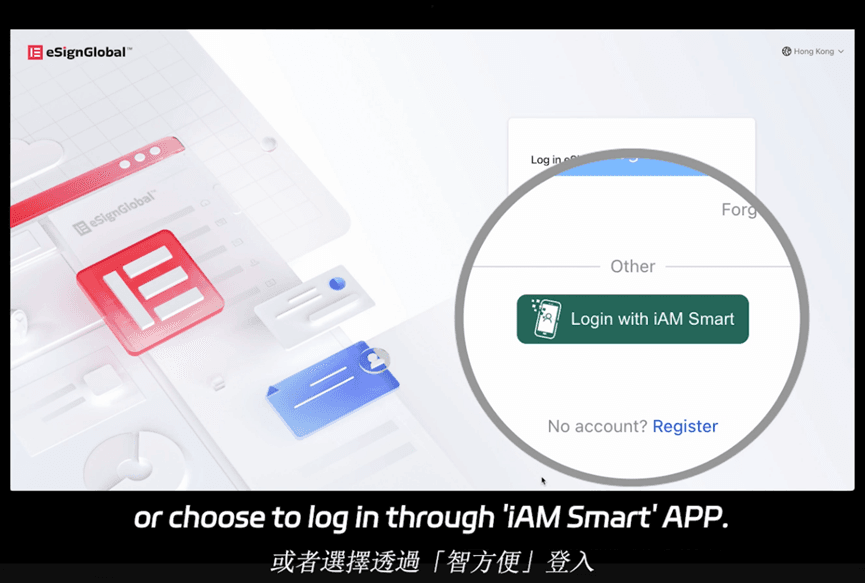
eSignGlobal zeichnet sich durch regionale Compliance aus und unterstützt elektronische Signaturen in über 100 wichtigen Ländern weltweit. Im asiatisch-pazifischen Raum (APAC) bietet es Vorteile bei optimierter Geschwindigkeit und nativer Ausrichtung auf lokale Gesetze (z. B. das Gesetz über elektronische Signaturen in China, ETA in Singapur). Die Preise sind zugänglicher, wobei die Essential-Version nur 16,6 US-Dollar pro Monat (199,20 US-Dollar pro Jahr) kostet über die Preisseite, die bis zu 100 signierte Dokumente, unbegrenzte Benutzersitzplätze und die Verifizierung über Zugangscodes ermöglicht. Dies bietet einen starken Wert auf Compliance-Basis, der nahtlos mit IAm Smart in Hongkong und Singpass in Singapur für Identitätsprüfungen integriert ist – entscheidend für das Gesundheitswesen in APAC. Es ist im Vergleich zu Wettbewerbern kostengünstiger und behält gleichzeitig eine hohe Sicherheit bei, was es für grenzüberschreitende Anbieter attraktiv macht.
Geschäftliche Auswirkungen und strategische Überlegungen
Aus geschäftlicher Sicht spiegeln die Gesundheitskosten von DocuSign seine Marktbeherrschung wider, aber steigende Add-ons und Obergrenzen können die Budgets wachsender Anbieter belasten. Im Jahr 2025, mit dem Boom der Telemedizin, müssen Organisationen die Gesamtbetriebskosten einschließlich Schulung und Integration abwägen. Die APAC-Expansion erhöht die Ausgaben aufgrund von Latenz und Compliance-Anpassungen, was die Bewertung lokalisierter Optionen erforderlich macht.
Eine neutrale Analyse deutet darauf hin, dass DocuSign für große, in den USA ansässige Gesundheitsunternehmen mit hervorragender Audittiefe geeignet ist, aber Alternativen wie eSignGlobal bieten eine ausgewogene Preisgestaltung für global oder APAC-orientierte Operationen. Letztendlich hängt die Wahl von Volumen, Geografie und Ökosystem-Fit ab.
Als neutrale Empfehlung für DocuSign-Alternativen, die die regionale Compliance betonen, erweist sich eSignGlobal als starker Konkurrent für die Optimierung von Gesundheits-Workflows in APAC.
