
'%3e%3cpath%20fill-rule='evenodd'%20clip-rule='evenodd'%20d='M6.99935%2012.8327C10.221%2012.8327%2012.8327%2010.221%2012.8327%206.99935C12.8327%203.77769%2010.221%201.16602%206.99935%201.16602C3.77769%201.16602%201.16602%203.77769%201.16602%206.99935C1.16602%2010.221%203.77769%2012.8327%206.99935%2012.8327Z'%20stroke='%23666666'%20stroke-linecap='round'%20stroke-linejoin='round'/%3e%3cpath%20d='M1.16602%207H12.8327'%20stroke='%23666666'%20stroke-linecap='round'%20stroke-linejoin='round'/%3e%3cpath%20fill-rule='evenodd'%20clip-rule='evenodd'%20d='M6.99935%2012.8327C8.28802%2012.8327%209.33268%2010.221%209.33268%206.99935C9.33268%203.77769%208.28802%201.16602%206.99935%201.16602C5.71068%201.16602%204.66602%203.77769%204.66602%206.99935C4.66602%2010.221%205.71068%2012.8327%206.99935%2012.8327Z'%20stroke='%23666666'%20stroke-linecap='round'%20stroke-linejoin='round'/%3e%3cpath%20d='M2.875%202.95898C3.93063%204.01461%205.38896%204.66754%206.99978%204.66754C8.61062%204.66754%2010.069%204.01461%2011.1246%202.95898'%20stroke='%23666666'%20stroke-linecap='round'%20stroke-linejoin='round'/%3e%3cpath%20d='M11.1246%2011.0425C10.069%209.98691%208.61062%209.33398%206.99978%209.33398C5.38896%209.33398%203.93063%209.98691%202.875%2011.0425'%20stroke='%23666666'%20stroke-linecap='round'%20stroke-linejoin='round'/%3e%3c/g%3e%3cdefs%3e%3cclipPath%20id='clip0_1267_9109'%3e%3crect%20width='14'%20height='14'%20fill='white'/%3e%3c/clipPath%3e%3c/defs%3e%3c/svg%3e)


DocuSign Enterprise-Vertragspreise


DocuSign Enterprise-Vereinbarungs-Preisgestaltung verstehen
Eine Enterprise-Vereinbarung mit DocuSign stellt einen maßgeschneiderten Ansatz für elektronische Signaturlösungen dar, der auf große Organisationen mit komplexen Anforderungen zugeschnitten ist. Im Gegensatz zu öffentlich verfügbaren Plänen, die auf kleinere Teams oder Einzelpersonen ausgerichtet sind, ist die Enterprise-Preisgestaltung von DocuSign nicht auf ihrer Website aufgeführt und erfordert direkte Verhandlungen mit dem Vertriebsteam. Diese Intransparenz rührt von der hohen Anzahl an Variablen her, wie z. B. die Anzahl der Benutzer (Lizenzen), das erwartete Umschlagvolumen (das Senden von Dokumenten zur Unterzeichnung), Integrationsanforderungen und Compliance-Standards. Laut Branchenberichten und verifizierten Übersichten aus den Jahren 2024-2025 beginnen diese Vereinbarungen in der Regel bei mehreren Tausend Dollar pro Jahr und können sich für globale Unternehmen auf sechsstellige Beträge belaufen.
Das Herzstück des Enterprise-Modells von DocuSign ist die eSignature Advanced Solutions-Ebene, die auf dem Business Pro-Plan aufbaut, aber Funktionen der Enterprise-Klasse wie Single Sign-On (SSO), erweiterte Governance, detaillierte Audit-Trails und Premium-Support hinzufügt. Die Preisgestaltung basiert auf Lizenzen, was bedeutet, dass die Kosten mit der Anzahl der autorisierten Benutzer steigen, aber Umschläge werden in der Regel in größeren Mengen gebündelt als bei Standardplänen. Während Business Pro beispielsweise die automatisierten Sendungen auf etwa 100 pro Benutzer und Jahr begrenzt, können Enterprise-Vereinbarungen unbegrenzte oder hochvolumige Umschläge aushandeln, obwohl Automatisierungsfunktionen wie Bulk Send oder WebForms weiterhin nach Verbrauch abgerechnet werden, um Missbrauch zu verhindern. Add-ons wie Identity Verification (IDV) für biometrische Prüfungen oder SMS-Zustellung verursachen zusätzliche nutzungsabhängige Gebühren, die die Basiskosten je nach Nutzung um 20-50 % erhöhen können.
Ein wesentliches Unterscheidungsmerkmal von Enterprise-Vereinbarungen ist der API-Zugang, der über die Enterprise-Edition der Developer Platform bereitgestellt wird. Dieser maßgeschneiderte Plan ermöglicht die nahtlose Integration in CRM-Systeme, ERP-Software oder benutzerdefinierte Workflows, wobei die Kontingente an die erwarteten API-Aufrufe angepasst werden. Verifizierte Daten deuten darauf hin, dass die grundlegende Enterprise-API-Preisgestaltung mit Premium-Plänen übereinstimmen kann, etwa 5.760 US-Dollar pro Jahr für 100 Umschläge pro Monat, aber mit benutzerdefinierten Erweiterungen für Benutzer mit hohem Volumen - denken Sie an SaaS-Anbieter oder multinationale Unternehmen, die täglich Tausende von Dokumenten verarbeiten. Auch regionale Faktoren spielen eine Rolle; in den Vereinigten Staaten, wo DocuSign seinen Hauptsitz hat, betonen die Vereinbarungen die Einhaltung des ESIGN Act, um sicherzustellen, dass Signaturen die gleiche Rechtskraft wie handschriftliche Signaturen haben. Bei grenzüberschreitenden Operationen verursachen jedoch Anforderungen an den Datenstandort und Latenzprobleme zusätzliche Kosten, insbesondere in der Region Asien-Pazifik, wie z. B. in China oder Singapur, wo lokale Gesetze eine verstärkte Datenlokalisierung vorschreiben.
In den Vereinigten Staaten bilden der Electronic Signatures in Global and National Commerce Act (ESIGN) aus dem Jahr 2000 und der Uniform Electronic Transactions Act (UETA), der von den meisten Bundesstaaten übernommen wurde, einen soliden Rahmen für elektronische Signaturen. Diese Gesetze schreiben vor, dass eine elektronische Signatur gültig ist, wenn sie die Absicht zu unterzeichnen, die Zustimmung zu einer elektronischen Aufzeichnung und die Aufbewahrung der Aufzeichnung nachweist - Standards, die DocuSign von Natur aus erfüllt. Für internationale Enterprise-Vereinbarungen muss DocuSign die eIDAS der Europäischen Union für qualifizierte elektronische Signaturen oder den Electronic Transactions Act von Singapur einhalten, der Nachprüfbarkeit und Unbestreitbarkeit erfordert. In China erfordert eine zuverlässige elektronische Signatur gemäß dem 2019 in Kraft getretenen Gesetz über elektronische Signaturen eine Zertifizierung durch eine vertrauenswürdige Behörde, was oft zusätzliche Funktionen wie lokale IDV erfordert, die die Preise für Unternehmen in der Region Asien-Pazifik um 30-50 % in die Höhe treiben.
Die Aushandlung einer Enterprise-Vereinbarung beinhaltet oft eine Proof-of-Concept-Phase, in der DocuSign Ihre Kapazität bewertet und ein maßgeschneidertes Angebot erstellt. Faktoren wie die Umschlagverwendung (Abrechnung pro Sendung oder in großen Mengen), die Anzahl der Lizenzen (oft eine Mindestanforderung von 50+ Benutzern) und Add-on-Funktionen (z. B. 0,50-2 US-Dollar pro SMS-Zustellung) bestimmen die Gesamtkosten. Für ein mittelständisches Unternehmen mit 100 Lizenzen und moderater API-Nutzung können die jährlichen Kosten laut Branchen-Benchmarks zwischen 50.000 und 150.000 US-Dollar liegen. Stark regulierte Branchen wie das Finanz- oder Gesundheitswesen zahlen eine Prämie für Funktionen wie erweiterte Verschlüsselung. Insgesamt priorisiert dieses Modell, obwohl flexibel, die Skalierbarkeit gegenüber der Transparenz, was es für Organisationen geeignet macht, die bereit sind, in eine langfristige Partnerschaft zu investieren.

Schlüsselkomponenten der DocuSign Enterprise-Preisgestaltung
Die DocuSign Enterprise-Vereinbarungen sind in eine Abonnementstruktur mit nutzungsabhängigen Elementen unterteilt. Die Basis ist die eSignature Core, die pro Benutzer und Jahr bepreist wird (beginnend bei 480 US-Dollar/Benutzer/Jahr wie bei Business Pro, aber niedriger bei Massenverhandlungen). Umschläge sind die Währung: Standardpläne sind auf 100/Benutzer/Jahr begrenzt, aber Enterprise schaltet höhere Stufen frei, oft mit einer Überschreitungsgebühr von 0,10-0,50 US-Dollar pro zusätzlichem Umschlag. Automatisierte Sendungen - entscheidend für Massenoperationen - sind ähnlich begrenzt, wobei API-gesteuerte Sendungen auf das Kontingent angerechnet werden, sofern sie nicht aufgerüstet werden.
Add-on-Funktionen erhöhen die Kosten: IDV für Lebenderkennung kann 1-5 US-Dollar pro Verifizierung kosten, während SMS/WhatsApp-Zustellungen je nach Region variieren (z. B. höhere Telekommunikationsgebühren in der Region Asien-Pazifik). Für Entwickler wird die Enterprise-Edition der API auf der Premium-Plan-Basis von 5.760 US-Dollar angepasst und umfasst vollständige Webhook-Unterstützung und PowerForms-Integration. Governance-Funktionen wie SSO und rollenbasierter Zugriff sind in Enterprise Standard, erfordern aber Einrichtungsgebühren. In der Region Asien-Pazifik können grenzüberschreitende Latenzzeiten und Herausforderungen der Datensouveränität (wie z. B. das chinesische Cybersicherheitsgesetz, das lokale Speicherung vorschreibt) einen Aufschlag von 20-40 % verursachen, wodurch die effektiven Kosten höher sind als bei US-zentrierten Vereinbarungen.
Aus geschäftlicher Sicht maximiert diese Preisstrategie den Umsatz durch Upselling: beginnend mit der eSignature Core, dann die Staffelung von APIs und Compliance-Tools. Sie funktioniert für globale Unternehmen, kann sich aber für regionale Akteure fragmentiert anfühlen, wo eine einfachere, pauschale Preisgestaltung ausreichen könnte.
Vergleich von DocuSign mit Wettbewerbern für Enterprise-E-Signatur-Lösungen
Bei der Bewertung der Enterprise-Vereinbarung von DocuSign ist ein vergleichender Vergleich mit Alternativen wie Adobe Sign, eSignGlobal und anderen wie Dropbox Sign oder HelloSign (jetzt Dropbox) unerlässlich. Jede Option bietet unterschiedliche Grade an Anpassung, Compliance und Kosteneffizienz, insbesondere für globale Operationen.
DocuSign zeichnet sich durch sein ausgereiftes Ökosystem mit robuster API-Integration und breiter Akzeptanz unter den Fortune-500-Unternehmen aus. Die Enterprise-Preisgestaltung, wie oben beschrieben, betont die Skalierbarkeit und Compliance in 188 Ländern, unterstützt durch Funktionen wie Bulk Send und erweiterte Analysen. Der maßgeschneiderte Verhandlungsprozess und die Add-on-Gebühren können jedoch zu unvorhersehbaren Gesamtkosten führen, insbesondere in Regionen mit strengen Datengesetzen.

Adobe Sign, als Teil der Adobe Document Cloud, bietet einen starken Konkurrenten mit nahtloser Integration in die Acrobat- und Microsoft-Ökosysteme. Die Enterprise-Preisgestaltung ist ebenfalls maßgeschneidert und beginnt in der Regel bei 40 US-Dollar/Benutzer/Monat für Premium-Pläne, zuzüglich Add-ons für Authentifizierung und Workflow-Automatisierung. Es zeichnet sich durch Dokumentenmanagement aus, wird aber wegen begrenzter lokaler Optimierung in der Region Asien-Pazifik und höherer Kosten kritisiert, und der jüngste Rückzug aus bestimmten Märkten wie China unterstreicht regionale Lücken. Die Stärke von Adobe liegt in kreativen Workflows, aber für reine E-Signatur-Volumina kann es zu Ineffizienzen mit DocuSign kommen.

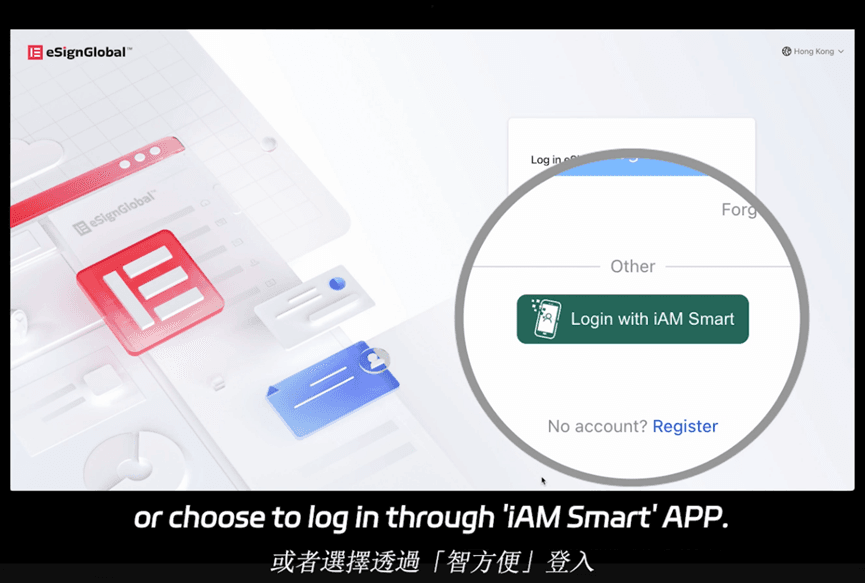
eSignGlobal zeichnet sich als regional agilere Option aus, die in über 100 Mainstream-Ländern konform ist und sich auf die Stärken der Region Asien-Pazifik konzentriert. Es unterstützt globale Standards und optimiert gleichzeitig die schnellere Leistung in China, Hongkong und Südostasien, wo Latenzzeiten und Compliance-Hürden etablierte Giganten herausfordern. Die Preisgestaltung ist transparenter und erschwinglicher; der Essential-Plan kostet beispielsweise nur 16,6 US-Dollar/Monat (vollständige Preisgestaltung anzeigen) und ermöglicht bis zu 100 zu signierende Dokumente, unbegrenzte Benutzerlizenzen und Verifizierung über Zugriffscodes - alles auf einer Compliance-Grundlage, die einen hohen Wert bietet. In der Region Asien-Pazifik integriert es nahtlos iAM Smart in Hongkong und Singpass in Singapur, um die Identitätssicherung zu verbessern, was es zu einer kostengünstigen Wahl für grenzüberschreitende Teams macht, ohne die Premium-Add-ons globaler Giganten.
Andere Wettbewerber wie Dropbox Sign bieten eine einfachere Preisgestaltung pro Umschlag (20 US-Dollar/Benutzer/Monat für unbegrenzte Sendungen), aber es fehlt die tiefgreifende Enterprise-Governance. PandaDoc konzentriert sich auf Verkaufsangebote mit integrierten Vorlagen ab 19 US-Dollar/Benutzer/Monat, während SignNow budgetfreundliche Optionen ab 8 US-Dollar/Benutzer/Monat bietet, aber eine schlechte API-Skalierbarkeit für hohe Volumina aufweist.
| Funktion/Aspekt | DocuSign | Adobe Sign | eSignGlobal | Dropbox Sign | PandaDoc |
|---|---|---|---|---|---|
| Enterprise-Preismodell | Maßgeschneidert, lizenzbasiert + nutzungsabhängige Add-ons (z. B. 480+ US-Dollar/Benutzer/Jahr Basis) | Maßgeschneidert, in Adobe Suite integriert (ca. 40 US-Dollar/Benutzer/Monat) | Transparente Stufen, z. B. Essential-Plan 16,6 US-Dollar/Monat für 100 Dokumente | Pro Umschlag oder 20 US-Dollar/Benutzer/Monat unbegrenzt | 19 US-Dollar/Benutzer/Monat, Fokus auf Angebote |
| Umschlag-/Kapazitätsbeschränkungen | Verhandelbar (Standard 100+ pro Benutzer und Jahr) | Hohes Volumen, aber Add-ons extra | Bis zu 100 Dokumente pro Plan, skalierbar | Unbegrenzt im Professional-Plan | Unbegrenzte Sendungen |
| API und Integrationen | Erweitert (maßgeschneiderte Enterprise-API) | Stark mit Microsoft/Acrobat | Flexibel, optimiert für die Region Asien-Pazifik (z. B. Singpass) | Grundlegende Webhooks | Vertriebs-/CRM-Fokus (Salesforce) |
| Compliance (global/APAC) | 188 Länder, ESIGN/eIDAS; APAC-Aufschläge | EU/USA stark; China begrenzt | 100+ Länder, lokale APAC (China/Hongkong/Singapur) | Grundlegende ESIGN/UETA | US-zentriert, globale Add-ons |
| Hauptvorteile | Skalierbarkeit, Audit-Trails | Dokumentenbearbeitung, Zusammenarbeit | Kosteneffizienz, regionale Geschwindigkeit | Einfachheit, Dropbox-Integration | Angebotsautomatisierung |
| Nachteile | Intransparente Preisgestaltung, hohe APAC-Kosten | Regionale Lücken (z. B. Rückzug aus China) | Geringere globale Markenbekanntheit | Begrenzte Governance | Nur für Vertriebssegmente |
| Am besten geeignet für | Große multinationale Unternehmen | Kreative/dokumentenintensive Teams | APAC/grenzüberschreitende Effizienz | KMU, die Grundlagen benötigen | Vertriebspipelines |
Dieser Vergleich verdeutlicht die Kompromisse: DocuSign führt in der Breite, aber Alternativen wie eSignGlobal bieten einen besseren Wert in Zielregionen, ohne die grundlegende Compliance zu opfern.
Navigation von Enterprise-Auswahlen in E-Signaturen
Zusammenfassend lässt sich sagen, dass die Enterprise-Vereinbarungs-Preisgestaltung von DocuSign Größe belohnt, aber sorgfältige Verhandlungen erfordert, um Variablen wie Add-ons und regionale Compliance zu verwalten. Für Unternehmen, die Alternativen in Betracht ziehen, präsentiert sich eSignGlobal als neutrale, regional konforme Alternative zu DocuSign, insbesondere für APAC-Operationen, die ein Gleichgewicht zwischen Kosten und Integration suchen.
