
'%3e%3cpath%20fill-rule='evenodd'%20clip-rule='evenodd'%20d='M6.99935%2012.8327C10.221%2012.8327%2012.8327%2010.221%2012.8327%206.99935C12.8327%203.77769%2010.221%201.16602%206.99935%201.16602C3.77769%201.16602%201.16602%203.77769%201.16602%206.99935C1.16602%2010.221%203.77769%2012.8327%206.99935%2012.8327Z'%20stroke='%23666666'%20stroke-linecap='round'%20stroke-linejoin='round'/%3e%3cpath%20d='M1.16602%207H12.8327'%20stroke='%23666666'%20stroke-linecap='round'%20stroke-linejoin='round'/%3e%3cpath%20fill-rule='evenodd'%20clip-rule='evenodd'%20d='M6.99935%2012.8327C8.28802%2012.8327%209.33268%2010.221%209.33268%206.99935C9.33268%203.77769%208.28802%201.16602%206.99935%201.16602C5.71068%201.16602%204.66602%203.77769%204.66602%206.99935C4.66602%2010.221%205.71068%2012.8327%206.99935%2012.8327Z'%20stroke='%23666666'%20stroke-linecap='round'%20stroke-linejoin='round'/%3e%3cpath%20d='M2.875%202.95898C3.93063%204.01461%205.38896%204.66754%206.99978%204.66754C8.61062%204.66754%2010.069%204.01461%2011.1246%202.95898'%20stroke='%23666666'%20stroke-linecap='round'%20stroke-linejoin='round'/%3e%3cpath%20d='M11.1246%2011.0425C10.069%209.98691%208.61062%209.33398%206.99978%209.33398C5.38896%209.33398%203.93063%209.98691%202.875%2011.0425'%20stroke='%23666666'%20stroke-linecap='round'%20stroke-linejoin='round'/%3e%3c/g%3e%3cdefs%3e%3cclipPath%20id='clip0_1267_9109'%3e%3crect%20width='14'%20height='14'%20fill='white'/%3e%3c/clipPath%3e%3c/defs%3e%3c/svg%3e)


Unterzeichnung von Abfallwirtschaftsverträgen


Die Herausforderungen bei der Unterzeichnung von Abfallwirtschaftsverträgen
In der Abfallwirtschaft sind Verträge das Rückgrat des Betriebs und umfassen alles von Dienstleistungsvereinbarungen mit Kommunen bis hin zu Geschäften mit Lieferanten von Recyclinganlagen. Der traditionelle Prozess der Unterzeichnung dieser Verträge ist jedoch oft mit langwierigem Papierkram, persönlichen Treffen und manueller Nachverfolgung verbunden, was zu Verzögerungen führt, die Zeitpläne durcheinander bringen und Kosten erhöhen können. Beispielsweise kann ein Vertrag über die Abfallsammlung die Unterschrift mehrerer Beteiligter erfordern – Stadtbeamte, Umweltbehörden und private Transportunternehmen –, die über verschiedene Regionen verteilt sind, was die Koordination zu einem logistischen Albtraum macht. Diese Ineffizienz verlangsamt nicht nur die Projektzeitpläne, sondern erhöht auch das Compliance-Risiko, da veraltete manuelle Prozesse zu Fehlern bei der Erfassung von Abfallmengen, Recyclingquoten oder Klauseln zu Strafen bei Verstößen führen können.
Die elektronische Signatur hat sich als bahnbrechende Lösung zur Rationalisierung dieser Arbeitsabläufe herauskristallisiert. Durch die Digitalisierung des Unterzeichnungsprozesses können Unternehmen die Bearbeitungszeit von Wochen auf Stunden verkürzen und sicherstellen, dass Verträge über die Behandlung gefährlicher Abfälle oder die Pacht von Deponien zeitnah und sicher ausgeführt werden. Im Bereich der Abfallwirtschaft, wo Umweltgesetze streng kontrolliert werden, bieten elektronische Signaturen einen Prüfpfad zur Überprüfung der Authentizität und zur Zeitstempelung jeder Operation, wodurch Streitigkeiten minimiert werden. Darüber hinaus steht die papierlose Unterzeichnung im Einklang mit umweltfreundlichen Praktiken und reduziert die Abfallmenge, die die Branche zu verwalten versucht, da weltweit auf Nachhaltigkeit gesetzt wird.
Warum elektronische Signaturen für die Abfallwirtschaft unerlässlich sind
Abfallwirtschaftsverträge umfassen oft komplexe Szenarien: langfristige kommunale Vereinbarungen für die städtische Abfallsammlung, internationale Vereinbarungen für grenzüberschreitendes Recycling oder Vor-Ort-Verträge für die Beseitigung von Bauschutt. Diese Dokumente müssen strenge rechtliche Standards erfüllen, um durchsetzbar zu sein. In Regionen wie der Europäischen Union schreibt die eIDAS-Verordnung qualifizierte elektronische Signaturen vor, um eine rechtliche Gleichwertigkeit mit handschriftlichen Unterschriften zu erreichen und sicherzustellen, dass Verträge die Datenschutzanforderungen der DSGVO erfüllen. In den Vereinigten Staaten bieten der ESIGN Act und der UETA gleichermaßen bundesweite und einzelstaatliche Gültigkeit, die es elektronischen Signaturen ermöglichen, Parteien in Abfallentsorgungsvereinbarungen zu binden, ohne dass physische Tinte erforderlich ist. Für den asiatisch-pazifischen Markt, wie z. B. das Electronic Transactions Act in Singapur oder die Electronic Transactions Ordinance in Hongkong, verbessert die lokale Integration die Compliance durch die Verknüpfung mit nationalen ID-Systemen.
Die Einführung elektronischer Signaturen behebt wichtige Schwachstellen. Mit der Funktion zur Massenunterzeichnung können Unternehmen mehrere Lieferantenverträge gleichzeitig bearbeiten – stellen Sie sich vor, Sie laden eine Excel-Tabelle mit Transporteurdetails hoch, um eine schnelle Bereitstellung zu ermöglichen. Die mobile Zugänglichkeit bedeutet, dass Außendienstmitarbeiter Entsorgungsgenehmigungen vor Ort über Smartphones unterzeichnen können, wodurch Ausfallzeiten reduziert werden. Sicherheitsfunktionen wie Zugangscodes und Verschlüsselung schützen sensible Daten, wie z. B. Standortinformationen oder Schadstoffberichte, vor Verstößen. Insgesamt verbessert diese Umstellung nicht nur die betriebliche Effizienz, sondern unterstützt auch die Skalierbarkeit für wachsende Abfallmengen aufgrund der Urbanisierung.
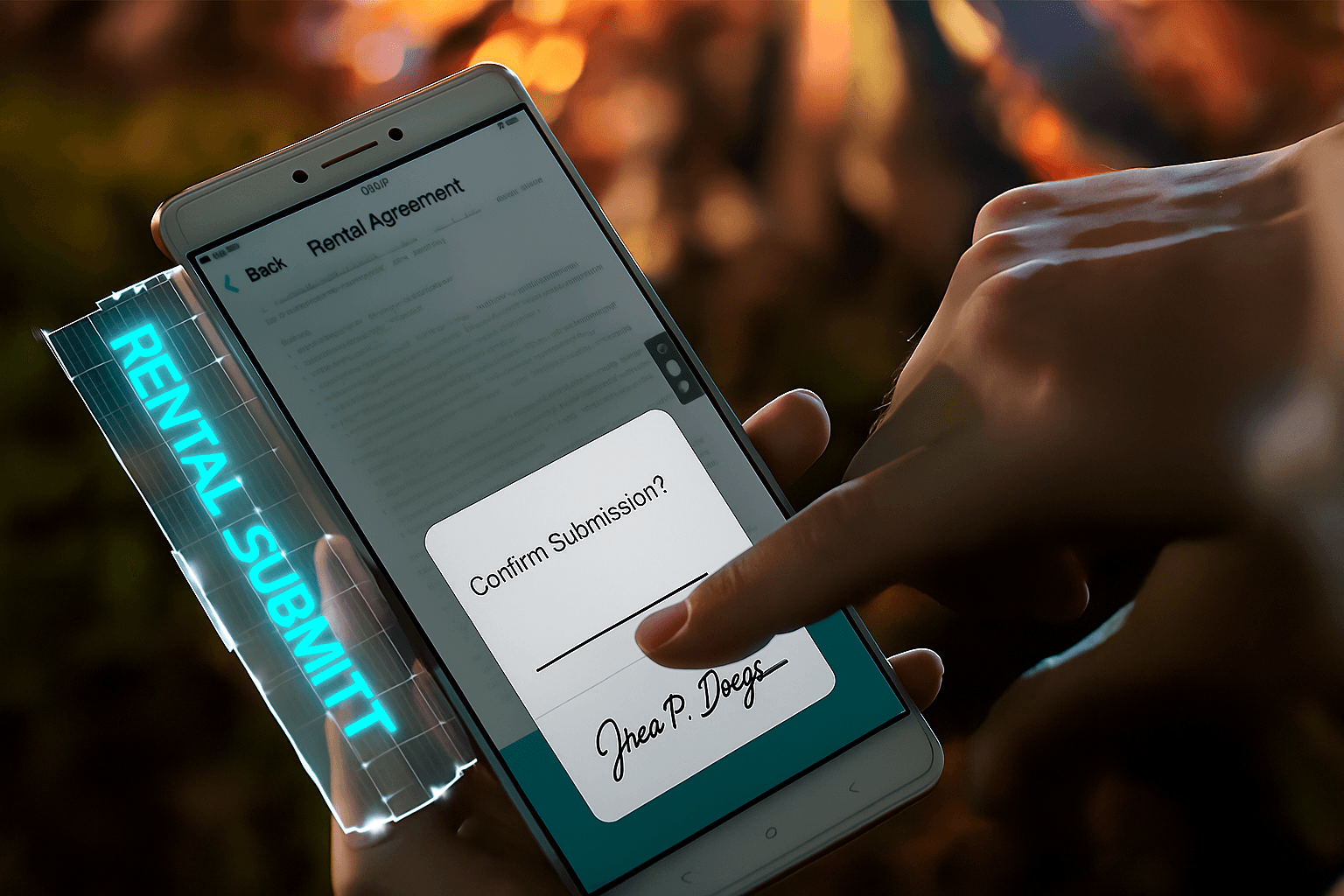
Rationalisierung des Betriebs mit digitalen Tools
Die Integration von Plattformen für elektronische Signaturen in die Arbeitsabläufe der Abfallwirtschaft kann die Art und Weise, wie Verträge bearbeitet werden, revolutionieren. Bei groß angelegten Recyclingprojekten können Teams beispielsweise Verträge per E-Mail, SMS oder sogar WhatsApp versenden, um Empfänger zu erreichen, die möglicherweise keinen Desktop-Zugang haben. Funktionen wie Vorlagenbibliotheken beschleunigen sich wiederholende Aufgaben, wie z. B. standardisierte Geheimhaltungsvereinbarungen für Abfallprüfer. Auditprotokolle liefern einen unwiderlegbaren Nachweis der Zustimmung, der für behördliche Audits durch die US EPA oder ähnliche Stellen unerlässlich ist.
In der Praxis berichten Unternehmen von einer Verkürzung der Bearbeitungszeit um bis zu 90 %. Dies ist in zeitkritischen Szenarien von entscheidender Bedeutung, wie z. B. bei Notfallreaktionsverträgen für die Beseitigung von Katastrophenmüll, bei denen Verzögerungen Umweltschäden verschlimmern können. Durch den Wegfall von Kuriergebühren und der Notwendigkeit der physischen Lagerung von Dokumenten können Unternehmen auch Kosteneinsparungen erzielen – für mittelgroße Betriebe möglicherweise Tausende von Dollar pro Jahr. Da die Branche zunehmend unter dem Druck steht, Nachhaltigkeitsanforderungen zu erfüllen, stellen elektronische Signaturen sicher, dass Verträge grüne Verpflichtungen widerspiegeln, wie z. B. Null-Abfall-Ziele, und einen überprüfbaren digitalen Fußabdruck hinterlassen.
Bewertung von Lösungen für elektronische Signaturen für die Abfallwirtschaft
Bei der Auswahl einer Plattform für die Unterzeichnung von Abfallwirtschaftsverträgen wägen Unternehmen Faktoren wie Benutzerfreundlichkeit, Compliance, Preisgestaltung und Integration ab. Im Folgenden untersuchen wir wichtige Anbieter aus einer neutralen Geschäftsperspektive und beleuchten ihre Stärken und Überlegungen für die Branche.
DocuSign: Ein funktionsreicher Marktführer
DocuSign ist ein Pionier im Bereich der elektronischen Signaturen und bietet umfassende Tools, die auf die Bedürfnisse von Unternehmen zugeschnitten sind. Seine Plattform unterstützt unbegrenzte Felder für komplexe Verträge, wie z. B. detaillierte Vereinbarungen zur Abfallsortierung, und umfasst fortschrittliche Analysen zur Verfolgung der Beteiligung von Unterzeichnern. Compliance ist eine seiner Stärken, da es globale Standards wie eIDAS und ESIGN einhält, was es für internationale Abfallwirtschaftstransaktionen geeignet macht. Das Preismodell pro Arbeitsplatz kann jedoch für Teams mit zahlreichen Außendienstmitarbeitern zu hohen Kosten führen, und der API-Zugang erfordert in der Regel höherwertige Pläne.

Adobe Sign: Nahtlose Integration für dokumentenintensive Arbeitsabläufe
Adobe Sign, das Teil des Adobe-Ökosystems ist, zeichnet sich durch Dokumentenmanagement aus, da es Benutzern ermöglicht, PDFs direkt zu bearbeiten und zu signieren – ideal für die Kommentierung von Abfallbewertungsberichten in Verträgen. Es bietet eine robuste mobile Unterstützung und lässt sich gut in Tools wie Microsoft Office integrieren, die in administrativen Abfallwirtschaftsaufgaben üblich sind. Zu den Sicherheitsfunktionen gehören die biometrische Verifizierung und die Einhaltung wichtiger Vorschriften. Zu den Nachteilen gehören höhere Kosten für erweiterte Funktionen und eine geringere Betonung der standortspezifischen Authentifizierung außerhalb Nordamerikas und Europas.

HelloSign (von Dropbox): Benutzerfreundlich für kleine Teams
HelloSign bietet eine intuitive Oberfläche für schnelles Signieren mit Funktionen wie wiederverwendbaren Vorlagen, die sich gut für routinemäßige Abfallentsorgungsvereinbarungen eignen. Es ist kostengünstig für Recycling-Startups, bietet eine kostenlose Ebene mit grundlegenden Funktionen und unterstützt die Teamzusammenarbeit über freigegebene Ordner. Die Compliance umfasst ESIGN und UETA, ist aber im Vergleich zu größeren Anbietern möglicherweise nicht so tiefgreifend in Bezug auf internationale Standards. Die Integration mit Dropbox erleichtert die Dateispeicherung, obwohl die Skalierbarkeit für Massensendungen mit hohem Volumen begrenzt sein kann.
eSignGlobal: Globaler Fokus mit Schwerpunkt auf dem asiatisch-pazifischen Raum
eSignGlobal zeichnet sich durch seine Compliance in über 100 wichtigen Ländern und Regionen weltweit aus, wobei der asiatisch-pazifische Raum besonders stark vertreten ist. Es unterstützt die nahtlose Integration mit lokalen Systemen wie iAM Smart in Hongkong und Singpass in Singapur, wodurch sichergestellt wird, dass Abfallwirtschaftsverträge reibungslos mit regionalen Gesetzen übereinstimmen. Die Preisgestaltung ist wettbewerbsfähig – der Essential-Plan kostet etwa 16,6 US-Dollar pro Monat (Preisdetails anzeigen) und ermöglicht bis zu 100 elektronisch signierte Dokumente, unbegrenzte Benutzerplätze und die Verifizierung über Zugangscodes. Dies macht es auf Compliance-Basis sehr kostengünstig, insbesondere für Teams, die Gebühren pro Benutzer vermeiden möchten. Funktionen wie der Massenversand über den Excel-Import sind für die effiziente Bearbeitung mehrerer Transporteurverträge sehr praktisch.

Vergleichende Analyse der Anbieter
Um die Entscheidungsfindung zu erleichtern, finden Sie hier eine neutrale Vergleichstabelle, die auf wichtigen Kriterien für die Unterzeichnung von Abfallwirtschaftsverträgen basiert:
| Funktion/Aspekt | DocuSign | Adobe Sign | HelloSign | eSignGlobal |
|---|---|---|---|---|
| Preismodell | Pro Arbeitsplatz (ab ~$10/Benutzer/Monat) | Abonnementstufen (~$10-40/Monat) | Kostenlose Ebene; kostenpflichtig ~$15/Benutzer/Monat | Unbegrenzte Benutzer; Essential $16,6/Monat |
| Compliance | Global (eIDAS, ESIGN, DSGVO) | USA/EU-stark (ESIGN, eIDAS) | USA-Fokus (ESIGN, UETA) | 100+ Länder; APAC-Tiefe (iAM Smart, Singpass) |
| Massenversand | Ja, mit Vorlagen | Ja, Excel-Unterstützung | Kostenlose Ebene begrenzt | Ja, Excel-Import; 90 % Effizienzsteigerung |
| Integrationen | Umfangreich (Salesforce, MS Office) | Adobe-Ökosystem, API | Dropbox, Google Workspace | APAC-ID, WhatsApp, Lark |
| Mobil/Zugänglichkeit | Hoch, SMS/E-Mail-Unterstützung | Hervorragende mobile PDF-Bearbeitung | Gut, App-basiert | Mehrkanal (SMS, WhatsApp) |
| Am besten geeignet für | Große Unternehmen | Dokumentenzentrierte Teams | Kleine Unternehmen | APAC-Betriebe, kostensensibel |
Diese Tabelle verdeutlicht, dass es kein Allheilmittel gibt; die Wahl hängt von der Teamgröße, dem geografischen Standort und dem Budget ab.
Navigation durch wichtige Marktvorschriften
Für international tätige Abfallwirtschaftsunternehmen ist das Verständnis der lokalen Gesetze von entscheidender Bedeutung. In den Vereinigten Staaten stellt ESIGN sicher, dass elektronische Signaturen in bundesstaatlichen Abfallverträgen gültig sind, während Bundesstaaten wie Kalifornien umweltspezifische Anforderungen hinzufügen. Die europäische eIDAS bietet Signaturstufen, wobei für risikoreiche Deponievereinbarungen qualifizierte Signaturen erforderlich sind. Im asiatisch-pazifischen Raum validiert das Electronic Transactions Act in Singapur digitale Signaturen für Abfallexporttransaktionen, während die Verordnung in Hongkong Integrationen wie iAM Smart für sichere, überprüfbare Prozesse unterstützt. Plattformen, die mit diesen übereinstimmen – und eine lokale Authentifizierung bieten – können das rechtliche Risiko mindern und die Genehmigungen beschleunigen.
Zukünftige Trends im digitalen Vertragsmanagement
Da die Abfallwirtschaft Routen mit KI-gestützten Analysen optimiert, werden elektronische Signaturen weiter integriert, möglicherweise in Kombination mit Blockchain für manipulationssichere Aufzeichnungen. Dies könnte die Rückverfolgbarkeit in Verträgen der Kreislaufwirtschaft verbessern, bei denen die Herkunft recycelter Materialien von entscheidender Bedeutung ist. Unternehmen sollten Plattformen mit skalierbaren APIs priorisieren, um ihre Betriebe zukunftssicher zu machen.
Zusammenfassend lässt sich sagen, dass eSignGlobal für diejenigen, die eine DocuSign-Alternative suchen, die den regionalen Compliance-Fokus betont, eine ausgewogene Option für die Abfallwirtschaft im asiatisch-pazifischen Raum bietet.
