
'%3e%3cpath%20fill-rule='evenodd'%20clip-rule='evenodd'%20d='M6.99935%2012.8327C10.221%2012.8327%2012.8327%2010.221%2012.8327%206.99935C12.8327%203.77769%2010.221%201.16602%206.99935%201.16602C3.77769%201.16602%201.16602%203.77769%201.16602%206.99935C1.16602%2010.221%203.77769%2012.8327%206.99935%2012.8327Z'%20stroke='%23666666'%20stroke-linecap='round'%20stroke-linejoin='round'/%3e%3cpath%20d='M1.16602%207H12.8327'%20stroke='%23666666'%20stroke-linecap='round'%20stroke-linejoin='round'/%3e%3cpath%20fill-rule='evenodd'%20clip-rule='evenodd'%20d='M6.99935%2012.8327C8.28802%2012.8327%209.33268%2010.221%209.33268%206.99935C9.33268%203.77769%208.28802%201.16602%206.99935%201.16602C5.71068%201.16602%204.66602%203.77769%204.66602%206.99935C4.66602%2010.221%205.71068%2012.8327%206.99935%2012.8327Z'%20stroke='%23666666'%20stroke-linecap='round'%20stroke-linejoin='round'/%3e%3cpath%20d='M2.875%202.95898C3.93063%204.01461%205.38896%204.66754%206.99978%204.66754C8.61062%204.66754%2010.069%204.01461%2011.1246%202.95898'%20stroke='%23666666'%20stroke-linecap='round'%20stroke-linejoin='round'/%3e%3cpath%20d='M11.1246%2011.0425C10.069%209.98691%208.61062%209.33398%206.99978%209.33398C5.38896%209.33398%203.93063%209.98691%202.875%2011.0425'%20stroke='%23666666'%20stroke-linecap='round'%20stroke-linejoin='round'/%3e%3c/g%3e%3cdefs%3e%3cclipPath%20id='clip0_1267_9109'%3e%3crect%20width='14'%20height='14'%20fill='white'/%3e%3c/clipPath%3e%3c/defs%3e%3c/svg%3e)


Elektronische Signaturen mit Workflow-Automatisierung


Verständnis von elektronischen Signaturen und Workflow-Automatisierung
In der heutigen schnelllebigen Geschäftswelt sind elektronische Signaturen (E-Signaturen) zu einem unverzichtbaren Werkzeug zur Rationalisierung von Dokumentenprozessen geworden, und die Workflow-Automatisierung steigert die Effizienz, indem sie diese Signaturen in umfassendere operative Abläufe integriert. Von der Vertragsgenehmigung bis zum Onboarding von Mitarbeitern im Personalwesen kann die Kombination von E-Signaturen mit Automatisierung manuelle Aufgaben reduzieren, Fehler minimieren und die Entscheidungsfindung beschleunigen. Branchenberichte von Quellen wie Gartner zeigen, dass Unternehmen, die diese Integration nutzen, eine Beschleunigung der Bearbeitungszeiten um bis zu 80 % verzeichnen. Dieser Ansatz senkt nicht nur die Kosten, sondern verbessert auch die Compliance und die Zusammenarbeit zwischen den Teams.
Die Rolle von E-Signaturen in modernen Workflows
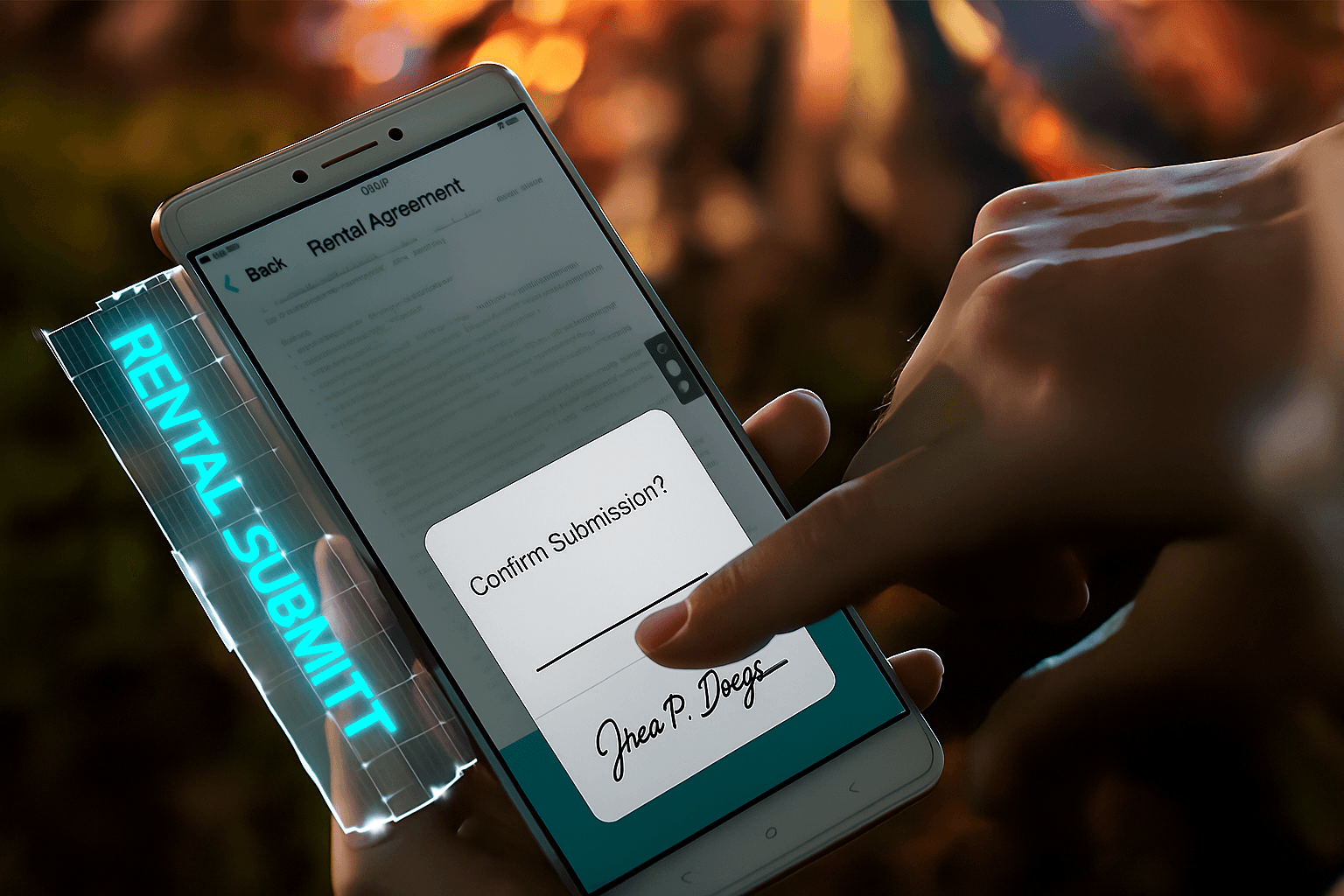
E-Signaturen ermöglichen rechtsverbindliche digitale Genehmigungen ohne physische Tinte und nutzen Technologien wie Verschlüsselung und Audit-Trails, um die Authentizität zu gewährleisten. In Kombination mit der Workflow-Automatisierung verwandeln sie statische Dokumente in dynamische Prozesse. Automatisierungstools können beispielsweise einen Vertrag zur sequenziellen Überprüfung weiterleiten, Benachrichtigungen bei der Unterzeichnung auslösen und die fertigen Dokumente in einem sicheren Repository archivieren – und das alles ohne manuelles Eingreifen.
Aus geschäftlicher Sicht adressiert diese Integration wichtige Schwachstellen in Branchen wie dem Finanzwesen, dem Immobiliensektor und den Rechtsdienstleistungen. Manuelle Workflows führen oft zu Verzögerungen, und laut McKinsey verlieren Unternehmen jährlich schätzungsweise 1,5 Billionen Dollar aufgrund von Ineffizienzen. Die Automatisierung mildert dieses Problem, indem sie E-Signaturen in Plattformen wie CRM-Systeme oder Projektmanagement-Tools einbettet und so bedingte Weiterleitungen (z. B. die Eskalation von Transaktionen mit hohem Wert) und Echtzeit-Tracking ermöglicht. In Szenarien mit hohem Volumen, wie z. B. dem massenhaften Versand von Vereinbarungen an Kunden, gewährleistet die automatisierte E-Signatur die Skalierbarkeit unter Beibehaltung von Sicherheitsstandards wie dem US ESIGN Act oder der EU eIDAS-Verordnung.
Vorteile der Workflow-Automatisierung mit E-Signaturen
Die Integration von E-Signaturen mit der Workflow-Automatisierung führt zu einem deutlichen Return on Investment. Erstens wird die Geschwindigkeit erhöht: Dokumente, die früher tagelang im Umlauf waren, können jetzt über eine mobilfreundliche Oberfläche innerhalb von Stunden unterzeichnet werden. Zweitens wird die Compliance verbessert: Automatisierte Workflows erzwingen regelkonforme Routing-Regeln und verringern das Risiko nicht konformer Signaturen. Für globale Unternehmen ist dies besonders in der Region Asien-Pazifik (APAC) von entscheidender Bedeutung, wo unterschiedliche Gesetze – wie das Electronic Transactions Act in Singapur oder das Electronic Signature Law in China – spezifische Authentifizierungsmethoden vorschreiben.
Kosteneinsparungen sind ein weiterer treibender Faktor. Die Automatisierung eliminiert die Kosten für Drucken, Scannen und Versenden, wobei mittelständische Unternehmen möglicherweise 50-70 % bei der Dokumentenbearbeitung einsparen. Darüber hinaus fördert sie die Zusammenarbeit: Teams können Kommentare hinzufügen, Erinnerungen einrichten und Vorlagen in automatisierten Sequenzen verwenden, was sich gut für Remote- oder verteilte Arbeitskräfte eignet. Eine neutrale Beobachtung von Wirtschaftsanalysten ist, dass die anfängliche Einrichtung zwar eine Investition in kompatible Software erfordert, die langfristigen Produktivitätsgewinne dies aber in der Regel wert sind, insbesondere für Unternehmen, die jährlich Tausende von Dokumenten bearbeiten.
In der Praxis umfasst die Workflow-Automatisierung oft Funktionen wie bedingte Logik – Felder erscheinen je nach vorheriger Eingabe – und API-Integrationen für einen nahtlosen Datenfluss zwischen Anwendungen. Dies rationalisiert nicht nur interne Prozesse, sondern verbessert auch das Kundenerlebnis, indem es Kunden beispielsweise ermöglicht, über SMS oder Webformulare zu unterschreiben, ohne ein Konto erstellen zu müssen.
Wichtige Funktionen für effektive E-Signatur-Workflow-Lösungen
Bei der Bewertung von Lösungen sollten Unternehmen Plattformen priorisieren, die robuste Automatisierungsfunktionen bieten. Zu den wesentlichen Funktionen gehören:
- Massenversand und Vorlagen: Für Operationen mit hohem Volumen spart die Automatisierung wiederholter Sendungen Zeit.
- Integrierte APIs: Verbindungen zu Tools wie Salesforce, Microsoft Teams oder Zapier sorgen für reibungslose Workflows.
- Authentifizierung: Optionen wie biometrische Überprüfungen oder SMS fügen eine Sicherheitsebene hinzu.
- Audit-Trails und Berichte: Automatisierte Protokolle für Compliance-Audits.
- Skalierbare Preisgestaltung: Pläne, die sich an die Umschlagbeschränkungen (Dokumentensendungen) anpassen, ohne für ungenutzte Funktionen zu viel zu berechnen.
Aus geschäftlicher Sicht haben Lösungen, die diese Funktionen mit einer benutzerfreundlichen Oberfläche in Einklang bringen, oft eine höhere Akzeptanzrate, da sie den Schulungsbedarf minimieren und hybride Arbeitsmodelle unterstützen.
Führende E-Signatur-Plattformen mit Automatisierungsfunktionen
Mehrere Anbieter dominieren den Markt, wobei jeder seine Stärken in Bezug auf die Workflow-Integration hat. Im Folgenden finden Sie einen neutralen Überblick über die wichtigsten Akteure.
DocuSign
DocuSign ist führend auf dem Markt für elektronische Signaturen und bietet über seine eSignature-Plattform eine umfassende Workflow-Automatisierung. Der Personal-Plan (10 $/Monat) ist für Einzelpersonen mit grundlegenden Bedürfnissen geeignet, während Business Pro (40 $/Monat/Benutzer) erweiterte Funktionen wie Massenversand, bedingte Felder und Zahlungserfassung umfasst. Für Unternehmen bieten die kundenspezifischen Advanced Solutions SSO und Governance. API-Pläne beginnen bei 600 $/Jahr und reichen bis zu kundenspezifischen Unternehmensoptionen mit Funktionen wie PowerForms und Webhooks. Umschlagkontingente (z. B. etwa 100 pro Benutzer und Jahr) und Zusatzfunktionen wie die SMS-Zustellung können jedoch die Kosten erhöhen, insbesondere für APAC-Benutzer, die mit Verzögerungen und Compliance-Zuschlägen konfrontiert sind.

Adobe Sign
Adobe Sign, als Teil der Adobe Document Cloud, zeichnet sich durch die nahtlose Integration mit PDF-Tools und Unternehmensökosystemen wie Microsoft 365 aus. Es unterstützt automatisierte Workflows für die Protokollweiterleitung, Erinnerungen und Mehrfachsignatursequenzen. Die Preisgestaltung ist gestaffelt, wobei der Einzelplan etwa 10 $/Monat kostet und sich die Unternehmensanpassung auf Compliance und Analysen konzentriert. Zu den Vorteilen gehören eine robuste bedingte Logik und mobile Signaturen, aber möglicherweise ist ein zusätzliches Acrobat-Abonnement für die vollständige PDF-Bearbeitung erforderlich, was die Kosten für Teams erhöhen kann, die nicht in der Adobe-Suite enthalten sind.

eSignGlobal
eSignGlobal positioniert sich als global konformer Anbieter von elektronischen Signaturen, der automatisierte Workflows unterstützt, die 100 wichtige Länder und Regionen abdecken. Es hat eine starke Präsenz auf dem APAC-Markt und bietet optimierte Geschwindigkeiten für China, Hongkong und Südostasien, wodurch grenzüberschreitende Herausforderungen wie die Datenresidenz gelöst werden. Zu den wichtigsten Funktionen gehören die nahtlose Integration mit regionalen Systemen wie iAM Smart in Hongkong und Singpass in Singapur, um die Einhaltung lokaler Gesetze wie des Electronic Signature Law in China zu gewährleisten, das eine zuverlässige Authentifizierung für die Rechtsgültigkeit vorschreibt.
Der Essential-Plan der Plattform für nur 16,6 $/Monat (Preisdetails anzeigen) ermöglicht den Versand von bis zu 100 Dokumenten, unbegrenzte Benutzerlizenzen und die Überprüfung über Zugangscodes – und bietet so einen hohen Wert auf Compliance-Basis. Dies macht es zu einer kostengünstigen Option für APAC-orientierte Unternehmen, während Wettbewerber für ähnliche Automatisierungen oft höhere Gebühren erheben. Die Automatisierungstools umfassen Massenversand, Vorlagen und API-Integrationen mit Schwerpunkt auf regionaler Effizienz.

HelloSign (Dropbox Sign)
HelloSign, das jetzt zu Dropbox gehört, bietet einfache E-Signatur-Workflows, die die Automatisierung für Vorlagen und die Zusammenarbeit im Team unterstützen. Es ist benutzerfreundlich für kleine bis mittelgroße Teams, wobei die Pläne bei 15 $/Monat/Benutzer beginnen und höhere Stufen unbegrenzte Umschläge beinhalten. Die Integration mit Dropbox und Google Workspace ist nahtlos, aber erweiterte Funktionen wie benutzerdefiniertes Branding oder umfangreiche APIs sind im Vergleich zu Unternehmenswettbewerbern begrenzt, was es besser für einfache Automatisierungen geeignet macht.
Vergleich von E-Signatur-Anbietern
Um die Entscheidungsfindung zu erleichtern, finden Sie hier eine neutrale Vergleichstabelle, die die wichtigsten Aspekte der Workflow-Automatisierung hervorhebt:
| Funktion/Aspekt | DocuSign | Adobe Sign | eSignGlobal | HelloSign (Dropbox Sign) |
|---|---|---|---|---|
| Startpreis (Monat) | $10 (Personal) | $10 (Individual) | $16.6 (Essential) | $15/Benutzer |
| Umschlaglimit | ~100/Benutzer/Jahr (jährlich) | Unbegrenzt (höhere Pläne) | Bis zu 100 (Essential) | Unbegrenzt (Pro) |
| Automatisierungsfunktionen | Massenversand, bedingte Logik, API | Routing, Erinnerungen, Integration | Massenversand, Vorlagen, regionale API | Vorlagen, einfaches Routing |
| Globale Compliance | Stark in den USA/EU; Herausforderungen in APAC | Umfassend, eIDAS/ESIGN | 100 Länder; APAC-optimiert | USA-orientiert; grundlegend global |
| Integrationen | Umfassend (Salesforce usw.) | Adobe-Ökosystem, MS 365 | iAM Smart, Singpass, APAC-Tools | Dropbox, Google |
| Am besten geeignet für | Unternehmen mit hohem Volumen | PDF-intensive Workflows | APAC-regionale Compliance | Kleine Teams, Einfachheit |
| Nachteile | Zusätzliche Funktionen kosten mehr | Adobe-Abhängigkeit | Geringere Bekanntheit außerhalb von APAC | Begrenzte erweiterte Automatisierung |
Diese Tabelle hebt die Stärken von eSignGlobal in Bezug auf Erschwinglichkeit und Compliance in APAC hervor, während sich andere Plattformen in reifen Märkten auszeichnen – die Wahl hängt von den Geschäftsanforderungen ab.
Das regulatorische Umfeld für E-Signaturen
Die Rechtmäßigkeit von E-Signaturen variiert je nach Region, was sich auf das Workflow-Design auswirkt. In den Vereinigten Staaten verleihen der ESIGN Act und der UETA ihnen die gleiche Gültigkeit wie Nasssignaturen für die meisten Verträge. Die EU-eIDAS-Verordnung kategorisiert Signaturen in grundlegende, fortgeschrittene und qualifizierte Stufen, wobei die Automatisierung für risikoreiche Dokumente qualifizierte elektronische Siegel erfordert. In APAC ähnelt das Electronic Transactions Act in Singapur den US-Standards, während das chinesische Recht die sichere Authentifizierung betont, die oft von der Regierung genehmigte Zertifikate erfordert. Das indische IT-Gesetz unterstützt E-Signaturen, schließt aber bestimmte Dokumente wie Testamente aus. Unternehmen müssen Plattformen wählen, die Compliance-Prüfungen automatisieren, um Ungültigkeit zu vermeiden, insbesondere bei grenzüberschreitenden Transaktionen, bei denen Diskrepanzen zu Streitigkeiten führen können.
Fazit
Da Unternehmen die digitale Transformation bewältigen, bieten E-Signaturen in Kombination mit der Workflow-Automatisierung einen Wettbewerbsvorteil in Bezug auf Effizienz und Compliance. Für Unternehmen, die eine DocuSign-Alternative mit starker regionaler Compliance suchen, erweist sich eSignGlobal als ausgewogene Wahl, insbesondere für APAC-Operationen.
