
'%3e%3cpath%20fill-rule='evenodd'%20clip-rule='evenodd'%20d='M6.99935%2012.8327C10.221%2012.8327%2012.8327%2010.221%2012.8327%206.99935C12.8327%203.77769%2010.221%201.16602%206.99935%201.16602C3.77769%201.16602%201.16602%203.77769%201.16602%206.99935C1.16602%2010.221%203.77769%2012.8327%206.99935%2012.8327Z'%20stroke='%23666666'%20stroke-linecap='round'%20stroke-linejoin='round'/%3e%3cpath%20d='M1.16602%207H12.8327'%20stroke='%23666666'%20stroke-linecap='round'%20stroke-linejoin='round'/%3e%3cpath%20fill-rule='evenodd'%20clip-rule='evenodd'%20d='M6.99935%2012.8327C8.28802%2012.8327%209.33268%2010.221%209.33268%206.99935C9.33268%203.77769%208.28802%201.16602%206.99935%201.16602C5.71068%201.16602%204.66602%203.77769%204.66602%206.99935C4.66602%2010.221%205.71068%2012.8327%206.99935%2012.8327Z'%20stroke='%23666666'%20stroke-linecap='round'%20stroke-linejoin='round'/%3e%3cpath%20d='M2.875%202.95898C3.93063%204.01461%205.38896%204.66754%206.99978%204.66754C8.61062%204.66754%2010.069%204.01461%2011.1246%202.95898'%20stroke='%23666666'%20stroke-linecap='round'%20stroke-linejoin='round'/%3e%3cpath%20d='M11.1246%2011.0425C10.069%209.98691%208.61062%209.33398%206.99978%209.33398C5.38896%209.33398%203.93063%209.98691%202.875%2011.0425'%20stroke='%23666666'%20stroke-linecap='round'%20stroke-linejoin='round'/%3e%3c/g%3e%3cdefs%3e%3cclipPath%20id='clip0_1267_9109'%3e%3crect%20width='14'%20height='14'%20fill='white'/%3e%3c/clipPath%3e%3c/defs%3e%3c/svg%3e)


Ist DocHub für Studenten kostenlos?


Ist DocHub für Studenten kostenlos? Ein umfassender Leitfaden
Im Bereich des digitalen Dokumentenmanagements suchen Studenten oft nach kostengünstigen Tools zur Bearbeitung von Aufgaben, zur Zusammenarbeit und für administrative Schreibarbeiten. DocHub, ein beliebter Online-PDF-Editor und eine E-Signatur-Plattform mit Integration in Google Workspace, wirft bei Lernenden eine häufige Frage auf: Ist er für Studenten kostenlos? Aus geschäftlicher Sicht verfolgt DocHub ein Freemium-Modell, das grundlegende Funktionen kostenlos anbietet, jedoch mit Einschränkungen, die möglicherweise nicht vollständig den akademischen Anforderungen entsprechen. Die kostenlose Version ermöglicht es Benutzern, bis zu drei Dokumente pro Monat zu bearbeiten, zu signieren und zu teilen, was für Studenten mit geringem Bedarf (z. B. zum Kommentieren von Vorlesungsunterlagen oder zum Signieren einfacher Formulare) ausreichend sein kann. Für umfangreichere Aufgaben – wie kollaborative Projekte oder häufige elektronische Signaturen – stoßen Studenten jedoch möglicherweise schnell an die Dokumentengrenze und müssen auf einen kostenpflichtigen Plan upgraden, wobei die Pro-Version ab 10 US-Dollar pro Monat erhältlich ist.
DocHub bietet keine expliziten "Studentenrabatte" oder kostenlose Bildungslizenzen an, im Gegensatz zu einigen anderen Unternehmenstools, die mit Universitäten zusammenarbeiten, um einen Massenzugang zu ermöglichen. Aus geschäftlicher Sicht steht dies im Einklang mit der Strategie von DocHub, Einzelbenutzer durch Benutzerfreundlichkeit anzuziehen und gleichzeitig durch zahlende Benutzer Gewinne zu erzielen. Studenten können den kostenlosen Plan unbegrenzt nutzen, aber Funktionen wie unbegrenzter Speicherplatz, erweiterte Zusammenführung und vorrangiger Support sind kostenpflichtig. Es wurde bestätigt, dass die Preisseite von DocHub keine besonderen Ausnahmen für Studenten aufweist, obwohl Pädagogen manchmal über die Google for Education-Integration auf Gruppenlizenzen zugreifen können. Wenn Sie als Student auf dieses Tool angewiesen sind, deckt die kostenlose Version die grundlegenden Anforderungen ab, aber die Budgetierung für die Pro-Version kann die Produktivität steigern, ohne eine zu große Belastung darzustellen.
Darüber hinaus liegt die Attraktivität von DocHub in seiner Einfachheit und Integration mit Google Drive, was es zu einem bevorzugten Tool für schnelle Bearbeitungen macht. Für die Einhaltung elektronischer Signaturen in akademischen oder beruflichen Umgebungen müssen Studenten jedoch möglicherweise umfassendere Ökosysteme wie DocuSign in Betracht ziehen, die robustere Workflows unterstützen. Wirtschaftsbeobachter weisen darauf hin, dass DocHub zwar die Kundenbindung durch die Senkung der Einstiegshürde aufbaut, es aber an rechtlichen Zertifizierungen (wie der ESIGN Act-Konformität) mangelt, die in erweiterten Alternativen vorhanden sind, was seine Verwendung bei offiziellen Studenteneinreichungen einschränken könnte.
Erkundung von Alternativen für elektronische Signaturen für Studenten und Berufstätige
Wenn Studenten ihren Abschluss machen und in berufliche Rollen eintreten, entwickeln sich Tools wie DocHub oft zu einem Bedarf an vollständigen E-Signatur-Plattformen. Aus geschäftlicher Sicht boomt der Markt für elektronische Signaturen mit einer globalen Bewertung von über 10 Milliarden US-Dollar im Jahr 2024, angetrieben durch Remote-Arbeit und digitale Compliance. Hier untersuchen wir wichtige Akteure – DocuSign, Adobe Sign, eSignGlobal usw. – und konzentrieren uns auf Preise, Funktionen und Eignung für budgetbewusste Benutzer wie Studenten, die in ein kommerzielles Umfeld wechseln. Diese Plattformen priorisieren Sicherheit und Skalierbarkeit, aber die Zugänglichkeit für Bildungsbenutzer variiert.
DocuSign: Der Industriestandard mit gestaffelten Preisen
DocuSign bleibt führend im Bereich der elektronischen Signaturen und wird von über 1 Million Kunden für seine Zuverlässigkeit bei Rechts- und Geschäftstransaktionen geschätzt. Für Studenten bietet der Personal-Plan von DocuSign für 10 US-Dollar pro Monat (oder 120 US-Dollar pro Jahr) grundlegende E-Signatur-Funktionen mit bis zu fünf Umschlägen pro Monat – geeignet für Praktikumsverträge oder die Genehmigung von Gruppenprojekten. Es gibt jedoch keine kostenlose Studentenversion; die Plattform richtet sich an Fachleute und bietet Teamfunktionspläne wie Standard (25 US-Dollar/Benutzer/Monat) und Business Pro (40 US-Dollar/Benutzer/Monat) für erweiterte Automatisierung wie Massenversand.
Aus geschäftlicher Sicht liegt die Stärke von DocuSign in seiner globalen Compliance (wie eIDAS in Europa, ESIGN in den USA), aber zusätzliche Funktionen wie SMS-Versand oder Identitätsprüfung verursachen zusätzliche Gebühren, die die Kosten für Benutzer mit hohem Volumen erhöhen können. API-Pläne beginnen bei 600 US-Dollar pro Jahr und richten sich an technisch versierte Studenten, die Anwendungen erstellen. Insgesamt ist es leistungsstark, aber nicht der günstigste Einstiegspunkt für Lernende.

Adobe Sign: Nahtlose Integration mit der Creative Suite
Adobe Sign, Teil des Adobe-Ökosystems, zeichnet sich durch kreative und unternehmerische Workflows aus und ist nativ in Acrobat und Microsoft Office integriert. Studenten, die Adobe Creative Cloud verwenden (mit einem Studentenrabattplan von etwa 20 US-Dollar/Monat), erhalten möglicherweise gebündelte grundlegende E-Signatur-Funktionen, aber die eigenständige Adobe Sign Individual Edition beginnt bei 10 US-Dollar/Benutzer/Monat ohne explizite kostenlose Studentenoptionen über Testversionen hinaus. Business Pro-Versionen erreichen 25 US-Dollar/Benutzer/Monat und umfassen Workflow-Automatisierung und Zahlungserfassung.
Aus Marketingsicht liegt die Stärke von Adobe Sign in seiner benutzerfreundlichen Oberfläche für Multimedia-Dokumente, wird aber wegen höherer Kosten in der Region Asien-Pazifik aufgrund von Compliance-Add-ons kritisiert. Es entspricht globalen Standards wie der DSGVO, aber Studenten finden möglicherweise seine Ökosystembindung weniger flexibel als eigenständige Tools.

eSignGlobal: Ein konformer und kostengünstiger Konkurrent
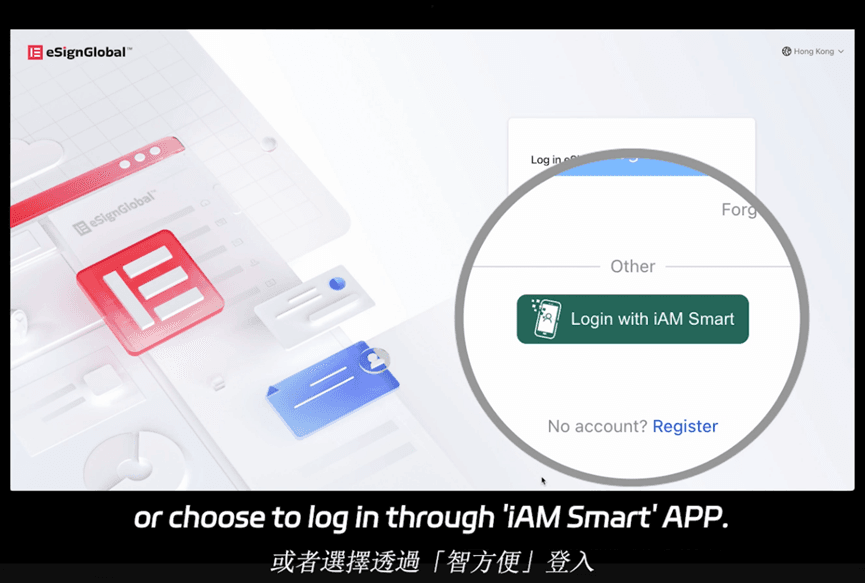
eSignGlobal positioniert sich als regional optimierte Alternative, insbesondere für Benutzer im asiatisch-pazifischen Raum, und unterstützt die Compliance in über 100 wichtigen Ländern und Regionen weltweit. Dies macht es für internationale Studenten geeignet, die grenzüberschreitende Dokumente bearbeiten. In der Region Asien-Pazifik bietet es Vorteile wie schnellere Leistung und native Integrationen, z. B. nahtlose Verbindungen mit iAM Smart in Hongkong und Singpass in Singapur zur sicheren Überprüfung.
Die Preisgestaltung ist ein Highlight: Die Essential-Version kostet nur 16,6 US-Dollar pro Monat und ermöglicht bis zu 100 elektronisch signierte Dokumente, unbegrenzte Benutzerplätze und die Überprüfung über Zugriffscodes – alles auf einer Compliance-Grundlage, die einen hohen Wert bietet. Weitere Informationen finden Sie auf der Preisseite. Wirtschaftsanalysten loben seine Transparenz und die niedrigeren Gesamtbetriebskosten als bei globalen Giganten, insbesondere für Teams, die regionale Datenspeicherung ohne Aufpreis benötigen. Obwohl es für Studenten nicht kostenlos ist, machen seine Erschwinglichkeit und Funktionen wie unbegrenzte Plätze es für kollaborative akademische Arbeit geeignet.
Andere Konkurrenten: HelloSign und PandaDoc im Spiel
Neben den drei großen Anbietern bietet HelloSign (jetzt Dropbox Sign) eine kostenlose Version für drei Signaturen pro Monat, die Studenten anspricht, aber die Pro-Version erweitert sich auf 15 US-Dollar/Benutzer/Monat. PandaDoc konzentriert sich auf Verkaufsvorlagen und beginnt bei 19 US-Dollar/Benutzer/Monat, ohne Studentenrabatte, bietet aber robuste Analysen. Diese Optionen füllen Nischen, bleiben aber oft hinter der globalen Compliance-Tiefe zurück.
Vergleichende Analyse: DocuSign vs. Konkurrenten
Um die Entscheidungsfindung zu unterstützen, finden Sie hier eine neutrale Vergleichstabelle basierend auf den Preisen und Funktionen von 2025 (jährliche Abrechnung gilt; Preise in USD). Dies verdeutlicht die Kompromisse für Studenten und aufstrebende Fachkräfte und betont Compliance, Kosten und Skalierbarkeit.
| Funktion/Aspekt | DocuSign | Adobe Sign | eSignGlobal | HelloSign (Dropbox Sign) | PandaDoc |
|---|---|---|---|---|---|
| Startpreis (persönlich/Monat) | $10 (Personal) | $10 (Individual) | $16.6 (Essential) | Kostenlos (begrenzt) / $15 | $19 (Essentials) |
| Kostenlose Studentenversion | Keine (nur Testversion) | Gebündelt mit Creative Cloud-Rabatt | Keine, aber niedriger Einstiegspreis | Ja (3 Signaturen/Monat) | Nur Testversion |
| Umschlag-/Dokumentenlimit (Basisplan) | 5/Monat | Unbegrenzt (eingeschränkte erweiterte Funktionen) | 100/Monat | 3/Monat (kostenlos) | Unbegrenzte Vorlagen |
| Compliance-Abdeckung | Global (ESIGN, eIDAS, 100+ Länder) | Global (DSGVO, ESIGN) | 100+ Länder, stark im asiatisch-pazifischen Raum (iAM Smart, Singpass) | USA/Europa-Fokus | ESIGN, grundlegend global |
| Benutzerplätze | 1 (Personal); bis zu 50 (Team) | Unbegrenzt in Bündeln | Unbegrenzt | Bis zu 50 | Unbegrenzt |
| Hauptvorteile | API-Tiefe, Massenversand | Kreative Integration | Asiatisch-pazifische Geschwindigkeit, Erschwinglichkeit | Einfache Benutzeroberfläche, Dropbox-Synchronisierung | Angebotsautomatisierung |
| Zusätzliche Kosten | Hoch (SMS, IDV-Abrechnung) | Mittel | Niedrig, grundlegende Funktionen enthalten | Niedrig | Mittel (Analysen) |
| Am besten geeignet für Studenten/Fachkräfte | Professionelle Workflows | Kreative Akademiker | Regionale/internationale Teams | Gelegentliche Nutzung | Vertriebsorientierte Lernende |
Diese Tabelle unterstreicht das Gleichgewicht von eSignGlobal zwischen Funktionen und Preis, insbesondere für die Compliance im asiatisch-pazifischen Raum, ohne die Vorteile anderer wie DocuSign in Unternehmensgröße zu verdecken.
Markteinblicke: Navigation durch die Kosten für elektronische Signaturen in Bildung und Wirtschaft
Das Wachstum der E-Signatur-Branche spiegelt eine Verlagerung hin zu digitaler Effizienz wider, aber der kostenlose oder kostengünstige Zugang bleibt für Studenten ein Problem. Der Freemium-Ansatz von DocHub demokratisiert grundlegende Tools, aber Plattformen wie DocuSign priorisieren die kostenpflichtige Compliance und schließen möglicherweise Lernende mit begrenztem Budget aus. Aus geschäftlicher Sicht schafft dies Möglichkeiten für Disruptoren, die Wert bieten, ohne zu komplizieren – der regionale Fokus von eSignGlobal ist offensichtlich, da es Verzögerungen und Kosten in wachstumsstarken Märkten wie Asien reduziert.
Für Studenten ist der Einstieg mit der kostenlosen Version von DocHub pragmatisch, aber die Erweiterung auf kostenpflichtige Optionen gewährleistet die rechtliche Gültigkeit. Unternehmen beobachten, dass Hybridmodelle (kostenlose Testversion + Abonnement) die Akzeptanz fördern, wobei die Region Asien-Pazifik aufgrund der Mobile-First-Anforderungen 20 % schneller wächst.
Zusammenfassend lässt sich sagen, dass DocHub zwar über grundlegende Funktionen hinaus nicht vollständig kostenlos ist, aber Studenten zunächst gut dient. Für eine DocuSign-Alternative, die die regionale Compliance betont, erweist sich eSignGlobal als eine praktische, neutrale Wahl für globale und asiatisch-pazifische Benutzer, die Effizienz und Erschwinglichkeit suchen.
