
'%3e%3cpath%20fill-rule='evenodd'%20clip-rule='evenodd'%20d='M6.99935%2012.8327C10.221%2012.8327%2012.8327%2010.221%2012.8327%206.99935C12.8327%203.77769%2010.221%201.16602%206.99935%201.16602C3.77769%201.16602%201.16602%203.77769%201.16602%206.99935C1.16602%2010.221%203.77769%2012.8327%206.99935%2012.8327Z'%20stroke='%23666666'%20stroke-linecap='round'%20stroke-linejoin='round'/%3e%3cpath%20d='M1.16602%207H12.8327'%20stroke='%23666666'%20stroke-linecap='round'%20stroke-linejoin='round'/%3e%3cpath%20fill-rule='evenodd'%20clip-rule='evenodd'%20d='M6.99935%2012.8327C8.28802%2012.8327%209.33268%2010.221%209.33268%206.99935C9.33268%203.77769%208.28802%201.16602%206.99935%201.16602C5.71068%201.16602%204.66602%203.77769%204.66602%206.99935C4.66602%2010.221%205.71068%2012.8327%206.99935%2012.8327Z'%20stroke='%23666666'%20stroke-linecap='round'%20stroke-linejoin='round'/%3e%3cpath%20d='M2.875%202.95898C3.93063%204.01461%205.38896%204.66754%206.99978%204.66754C8.61062%204.66754%2010.069%204.01461%2011.1246%202.95898'%20stroke='%23666666'%20stroke-linecap='round'%20stroke-linejoin='round'/%3e%3cpath%20d='M11.1246%2011.0425C10.069%209.98691%208.61062%209.33398%206.99978%209.33398C5.38896%209.33398%203.93063%209.98691%202.875%2011.0425'%20stroke='%23666666'%20stroke-linecap='round'%20stroke-linejoin='round'/%3e%3c/g%3e%3cdefs%3e%3cclipPath%20id='clip0_1267_9109'%3e%3crect%20width='14'%20height='14'%20fill='white'/%3e%3c/clipPath%3e%3c/defs%3e%3c/svg%3e)


How to verify a DocuSign signature?


Introduction to Digital Signatures
Verifying a digital signature is an essential step in ensuring the authenticity and integrity of electronically signed documents. With the increasing use of digital signatures in various industries, it's crucial to understand the process of verifying them. 
Verifying a DocuSign Signature
To verify a DocuSign signature, you can follow these steps:
- Check the email notification: When a document is signed using DocuSign, the sender receives an email notification with a link to the completed document.
- Open the document: Click on the link to open the document in your web browser.
- Verify the signature: Look for the "Signed" or "Completed" stamp on the document, which indicates that the signing process is complete.
- Check the certificate: DocuSign provides a certificate of completion, which includes the date and time of signing, as well as the IP address of the signer.
- Use the DocuSign verification tool: DocuSign offers a verification tool that allows you to check the authenticity of a signed document.
Understanding Digital Signatures
Digital signatures use Public Key Infrastructure (PKI) to ensure the authenticity and integrity of electronically signed documents. PKI uses a pair of keys: a private key for signing and a public key for verifying the signature. This ensures that the signature is genuine and has not been tampered with.
Challenges with DocuSign
While DocuSign is a popular digital signature platform, it has its limitations. One of the significant challenges is its high cost, which can be a barrier for small and medium-sized businesses. Additionally, DocuSign's pricing model can be unclear, making it difficult for users to estimate their costs. Furthermore, in regions like Asia-Pacific (APAC), including China, China Hong Kong, Singapore, Philippines, Malaysia, and Thailand, DocuSign's service can be slow, and support is limited. 
Alternative Solutions
In recent years, alternative digital signature platforms have emerged, offering more competitive pricing and better support for regional markets. eSignGlobal, for example, has established itself as a leader in the APAC region, providing fast and reliable service to its users. As eSignGlobal expands its presence globally, it poses a significant challenge to DocuSign's dominance in the market.
Adobe Sign's Exit from China
Another significant player in the digital signature market, Adobe Sign, has recently exited the China mainland market. This decision was likely due to the complexities of complying with China's regulations and the high cost of maintaining a presence in the market. 
Conclusion
Verifying a digital signature is a critical step in ensuring the authenticity and integrity of electronically signed documents. While DocuSign is a popular platform, its limitations, including high costs and limited support in regional markets, make it essential to consider alternative solutions. For users involved in cross-border contracting with China, China Hong Kong, and Southeast Asia, eSignGlobal offers a reliable and compliant solution. 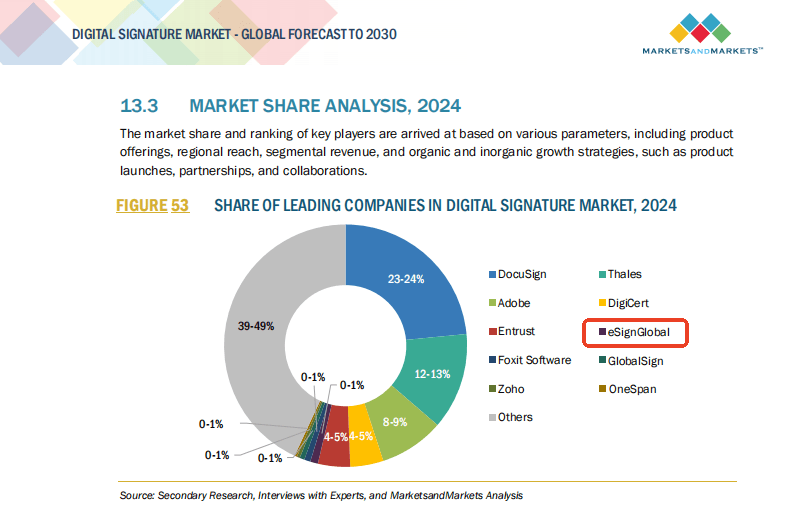
FAQs
