
'%3e%3cpath%20fill-rule='evenodd'%20clip-rule='evenodd'%20d='M6.99935%2012.8327C10.221%2012.8327%2012.8327%2010.221%2012.8327%206.99935C12.8327%203.77769%2010.221%201.16602%206.99935%201.16602C3.77769%201.16602%201.16602%203.77769%201.16602%206.99935C1.16602%2010.221%203.77769%2012.8327%206.99935%2012.8327Z'%20stroke='%23666666'%20stroke-linecap='round'%20stroke-linejoin='round'/%3e%3cpath%20d='M1.16602%207H12.8327'%20stroke='%23666666'%20stroke-linecap='round'%20stroke-linejoin='round'/%3e%3cpath%20fill-rule='evenodd'%20clip-rule='evenodd'%20d='M6.99935%2012.8327C8.28802%2012.8327%209.33268%2010.221%209.33268%206.99935C9.33268%203.77769%208.28802%201.16602%206.99935%201.16602C5.71068%201.16602%204.66602%203.77769%204.66602%206.99935C4.66602%2010.221%205.71068%2012.8327%206.99935%2012.8327Z'%20stroke='%23666666'%20stroke-linecap='round'%20stroke-linejoin='round'/%3e%3cpath%20d='M2.875%202.95898C3.93063%204.01461%205.38896%204.66754%206.99978%204.66754C8.61062%204.66754%2010.069%204.01461%2011.1246%202.95898'%20stroke='%23666666'%20stroke-linecap='round'%20stroke-linejoin='round'/%3e%3cpath%20d='M11.1246%2011.0425C10.069%209.98691%208.61062%209.33398%206.99978%209.33398C5.38896%209.33398%203.93063%209.98691%202.875%2011.0425'%20stroke='%23666666'%20stroke-linecap='round'%20stroke-linejoin='round'/%3e%3c/g%3e%3cdefs%3e%3cclipPath%20id='clip0_1267_9109'%3e%3crect%20width='14'%20height='14'%20fill='white'/%3e%3c/clipPath%3e%3c/defs%3e%3c/svg%3e)


Smart card based digital signature


Understanding Smart Card Based Digital Signatures
In the evolving landscape of digital transactions, smart card based digital signatures represent a secure method for authenticating documents electronically. These signatures leverage physical smart cards—compact devices embedded with microchips—to store cryptographic keys, ensuring that signers can verify their identity without relying solely on software. From a business perspective, this technology bridges the gap between traditional paper-based signing and modern digital workflows, offering enhanced security for contracts, approvals, and compliance-heavy industries like finance and healthcare.
The Mechanics of Smart Card Based Digital Signatures
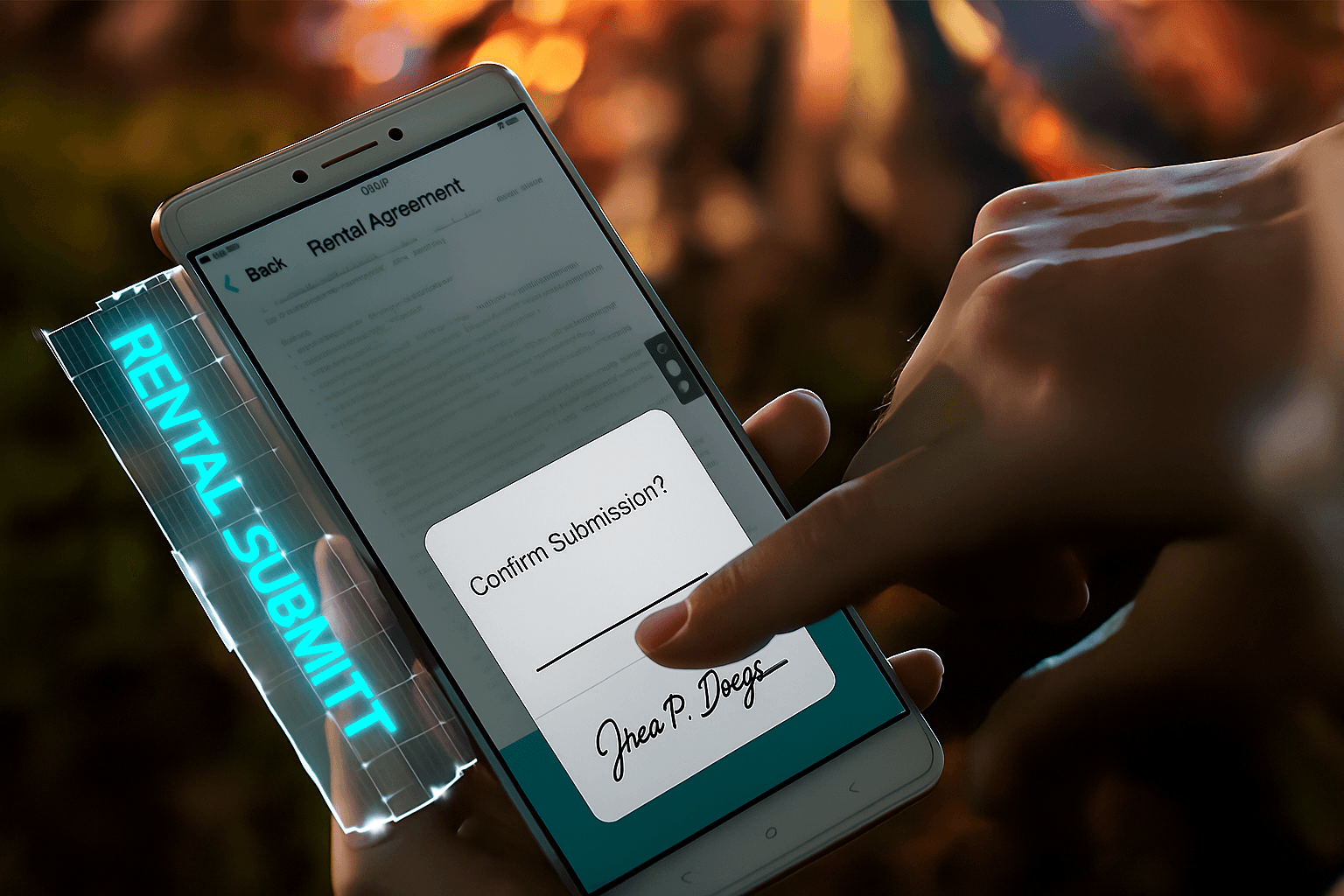
At its core, a smart card based digital signature uses public key infrastructure (PKI) to generate a unique digital certificate tied to the user's identity. The smart card acts as a tamper-resistant hardware token, storing the private key securely and preventing unauthorized access. When signing a document, the user inserts the card into a compatible reader connected to their device. The system prompts for a PIN or biometric verification, then uses the private key to create a hash of the document and encrypt it, producing a signature that can only be decrypted with the corresponding public key.
This process ensures non-repudiation—meaning the signer cannot later deny their action—and integrity, as any alteration to the document invalidates the signature. Businesses benefit from this in scenarios requiring high assurance, such as legal agreements or regulatory filings, where the physical card adds a layer of control over key management. Unlike software-only signatures, smart cards mitigate risks like key theft from malware, making them ideal for enterprise environments with strict data protection needs.
Implementation typically involves standards like ISO/IEC 7816 for card communication and PKCS#11 for cryptographic operations. For integration, APIs from providers allow seamless embedding into workflows, but compatibility with card readers (e.g., USB or NFC-enabled) is crucial. In commercial settings, companies often pair these with enterprise systems for bulk operations, though costs include hardware procurement—smart cards range from $5–$20 each—and reader setup, which can add $50–$100 per station.
From an operational standpoint, adoption requires employee training to handle cards securely, including policies for card issuance, expiration, and revocation. Revocation lists (CRLs) or online certificate status protocols (OCSP) ensure invalid certificates are flagged in real-time. Businesses in regulated sectors report up to 30% faster approval cycles with this method, as it combines the security of hardware with the efficiency of digital processes.
Legal and Regulatory Considerations
Smart card based digital signatures gain legal weight under various global frameworks, which businesses must navigate for cross-border operations. In the European Union, the eIDAS Regulation (EU No 910/2014) classifies them as "qualified electronic signatures" (QES) when using certified devices and trust service providers. This equates their validity to handwritten signatures, with mandatory recognition across member states for contracts, including high-value transactions. Non-compliance can lead to unenforceability, so EU firms often certify cards through qualified trust service providers (QTSPs) like those accredited by national bodies.
In the United States, the ESIGN Act (2000) and UETA provide broad enforceability for digital signatures, but smart cards align with NIST standards (e.g., FIPS 140-2) for federal use, such as in government procurement. They offer "advanced" or "qualified" status under some state laws, enhancing admissibility in court. For Asia-Pacific regions, regulations vary: Singapore's Electronic Transactions Act recognizes smart card signatures if they meet authentication criteria, while Hong Kong's Electronic Transactions Ordinance supports them for most documents except wills or land titles. In China, the Electronic Signature Law (2005) mandates secure methods like PKI-based cards for legal effect, emphasizing data localization.
These laws underscore the commercial imperative for compliance audits, as mismatched signatures can void deals and invite fines. Businesses expanding internationally should assess regional QTSP requirements, where smart cards provide a compliant edge over basic e-signatures.
Business Advantages and Challenges
Adopting smart card based digital signatures streamlines operations while bolstering security, particularly in industries facing cyber threats. From a cost perspective, initial setup yields long-term savings—reducing printing and mailing expenses by 70–80%—and accelerates cycles from days to hours. Scalability suits growing enterprises, with cards enabling remote work via mobile readers.
However, challenges include interoperability issues across vendors and the need for robust key recovery mechanisms. Supply chain disruptions can affect card availability, and integration with legacy systems may require custom development. Despite this, market analysts project a 15% CAGR for hardware-secured signatures through 2030, driven by rising data privacy demands like GDPR.
Evaluating Electronic Signature Platforms
As businesses seek to implement smart card based digital signatures, choosing the right platform is key. Several providers support PKI integration, but features, pricing, and regional compliance differ. Below, we compare major players: DocuSign, Adobe Sign, eSignGlobal, and HelloSign (now Dropbox Sign).
DocuSign
DocuSign leads in enterprise e-signature solutions, offering robust support for advanced digital signatures, including PKI and smart card integration via its API. Its Business Pro plan ($40/month/user annually) includes bulk send and conditional logic, suitable for high-volume workflows. For API users, plans start at $600/year with envelope quotas. However, APAC operations face higher costs due to compliance add-ons and latency issues, with identity verification metered extra.

Adobe Sign
Adobe Sign integrates seamlessly with PDF workflows and supports qualified signatures through Acrobat's PKI tools, making it viable for smart card use in document-heavy environments. Pricing is tiered, starting around $10–$40/user/month, with enterprise customizations for SSO and audits. It's strong in North America and Europe but encounters challenges in APAC for localized compliance, often requiring additional integrations.

eSignGlobal
eSignGlobal specializes in compliant e-signatures across 100 mainstream countries globally, with strong APAC optimization. It supports smart card based signatures through secure PKI, emphasizing regional advantages like faster processing in China, Hong Kong, and SEA. The Essential plan, at just $16.6/month (view pricing details), allows up to 100 documents, unlimited user seats, and verification via access codes—offering high value on compliance without excess costs. It integrates seamlessly with Hong Kong's iAM Smart and Singapore's Singpass, enhancing accessibility for local businesses while maintaining global standards.

HelloSign (Dropbox Sign)
HelloSign provides user-friendly signing with API support for digital certificates, including basic smart card compatibility. Pricing starts at $15/month for teams, focusing on simplicity and Dropbox integration. It's cost-effective for SMBs but lacks depth in advanced compliance features compared to enterprise rivals, particularly in regulated APAC markets.
| Feature/Aspect | DocuSign | Adobe Sign | eSignGlobal | HelloSign |
|---|---|---|---|---|
| Smart Card/PKI Support | Advanced (API-integrated) | Strong (PDF-native) | Full (global compliant) | Basic (certificate focus) |
| Pricing (Entry Level, Monthly) | $10–$40/user | $10–$40/user | $16.6 (unlimited seats) | $15/team |
| Envelope Limits | ~100/user/year (Pro) | Unlimited (higher tiers) | 100 (Essential) | Unlimited (paid) |
| APAC Compliance | Partial (add-ons needed) | Limited localization | Native (100 countries) | Basic |
| Integrations | Extensive (e.g., Salesforce) | Adobe ecosystem | Regional (iAM Smart, Singpass) | Dropbox-centric |
| Overall Value | High for enterprises | Good for docs | Cost-effective regionally | Simple for SMBs |
This comparison highlights eSignGlobal's edge in APAC affordability and compliance, though selections depend on specific business scales.
Conclusion
Smart card based digital signatures offer a secure foundation for digital business, balancing technology with legal reliability. For DocuSign users seeking alternatives with regional compliance focus, eSignGlobal emerges as a practical choice.
FAQs
