
'%3e%3cpath%20fill-rule='evenodd'%20clip-rule='evenodd'%20d='M6.99935%2012.8327C10.221%2012.8327%2012.8327%2010.221%2012.8327%206.99935C12.8327%203.77769%2010.221%201.16602%206.99935%201.16602C3.77769%201.16602%201.16602%203.77769%201.16602%206.99935C1.16602%2010.221%203.77769%2012.8327%206.99935%2012.8327Z'%20stroke='%23666666'%20stroke-linecap='round'%20stroke-linejoin='round'/%3e%3cpath%20d='M1.16602%207H12.8327'%20stroke='%23666666'%20stroke-linecap='round'%20stroke-linejoin='round'/%3e%3cpath%20fill-rule='evenodd'%20clip-rule='evenodd'%20d='M6.99935%2012.8327C8.28802%2012.8327%209.33268%2010.221%209.33268%206.99935C9.33268%203.77769%208.28802%201.16602%206.99935%201.16602C5.71068%201.16602%204.66602%203.77769%204.66602%206.99935C4.66602%2010.221%205.71068%2012.8327%206.99935%2012.8327Z'%20stroke='%23666666'%20stroke-linecap='round'%20stroke-linejoin='round'/%3e%3cpath%20d='M2.875%202.95898C3.93063%204.01461%205.38896%204.66754%206.99978%204.66754C8.61062%204.66754%2010.069%204.01461%2011.1246%202.95898'%20stroke='%23666666'%20stroke-linecap='round'%20stroke-linejoin='round'/%3e%3cpath%20d='M11.1246%2011.0425C10.069%209.98691%208.61062%209.33398%206.99978%209.33398C5.38896%209.33398%203.93063%209.98691%202.875%2011.0425'%20stroke='%23666666'%20stroke-linecap='round'%20stroke-linejoin='round'/%3e%3c/g%3e%3cdefs%3e%3cclipPath%20id='clip0_1267_9109'%3e%3crect%20width='14'%20height='14'%20fill='white'/%3e%3c/clipPath%3e%3c/defs%3e%3c/svg%3e)


How to sign a PDF on iPhone without paying for DocuSign?


Signing PDFs on iPhone: Free and Built-in Methods
In today's fast-paced business environment, professionals often need to handle documents on the go, and signing a PDF on an iPhone has become a common requirement. While platforms like DocuSign offer robust eSignature solutions, their subscription models can add unnecessary costs for occasional users. Fortunately, Apple's ecosystem provides seamless, no-cost options to sign PDFs directly on your device, ensuring efficiency without compromising security. This approach aligns with the growing trend of mobile-first workflows, where businesses seek cost-effective tools to maintain productivity.
Using the Built-in Markup Tool in Files or Mail Apps
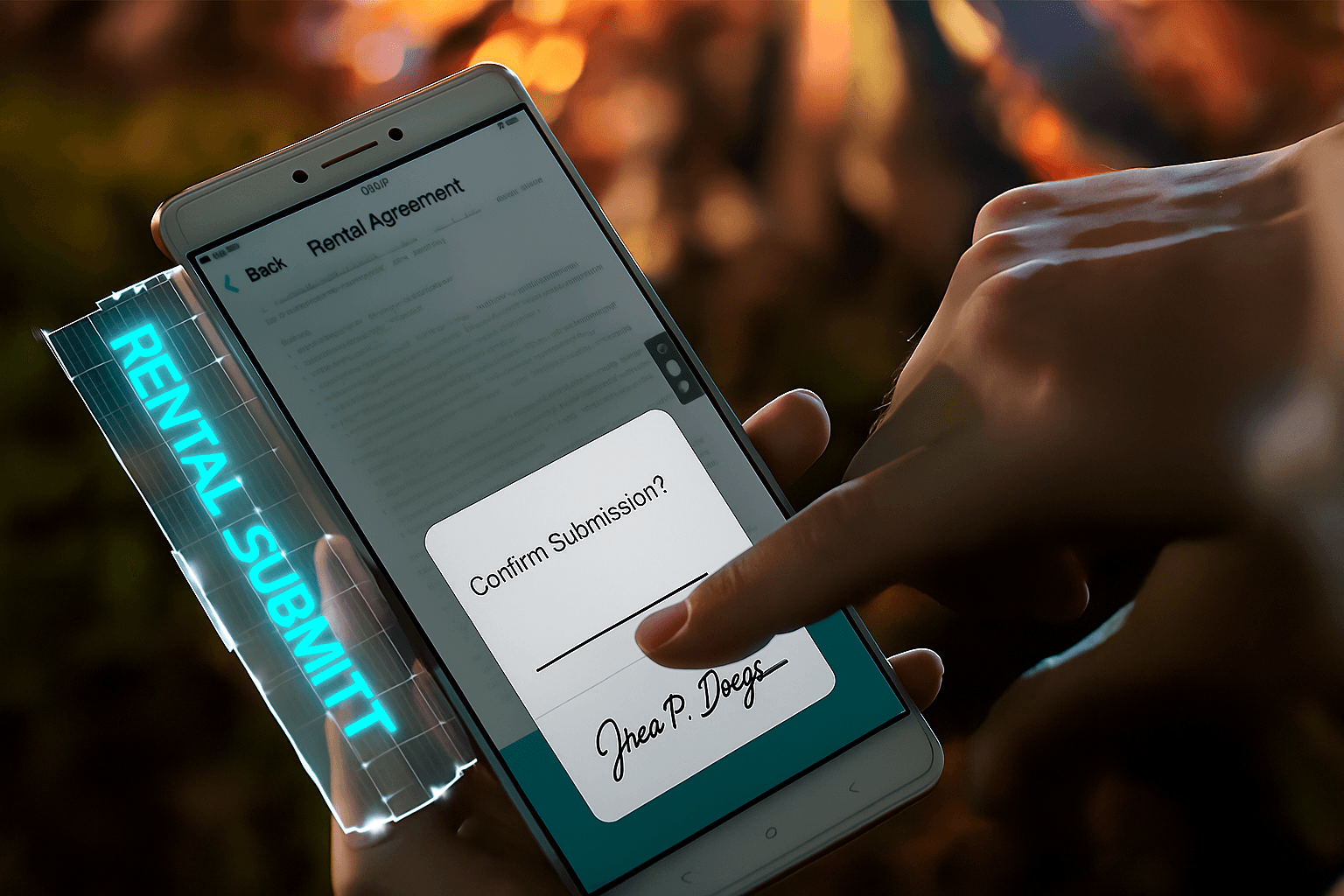
One of the simplest ways to sign a PDF on your iPhone without paying for DocuSign is through Apple's native Markup feature, available in the Files app or when viewing attachments in Mail. This method leverages iOS's integrated capabilities, making it ideal for quick, personal, or internal business signings.
To get started:
- Open the PDF in the Files app (download it from email, cloud storage like iCloud Drive, or a shared link).
- Tap the Markup icon (a pencil in a circle) at the top-right corner.
- Select the "+" icon and choose "Signature" to create or add a pre-saved one. You can draw your signature with your finger or an Apple Pencil if using an iPad, but it works fine on iPhone.
- Resize and position the signature on the document, then tap "Done" to save changes.
This process is free, requires no additional downloads, and supports basic annotations like text or highlights. For businesses, it's sufficient for non-legally binding internal approvals, though for enforceable eSignatures, consider compliance needs later in this article. The Markup tool has been refined in recent iOS updates (like iOS 18), improving touch accuracy for smoother signing.
If the PDF arrives via email, open it in the Mail app, tap the attachment, and select Markup from the preview screen. Once signed, you can share it back directly. This method saves time for sales teams reviewing contracts or HR processing forms, avoiding the need for desktop software.
Free Third-Party Apps for Enhanced PDF Signing
For more advanced features without costs, turn to free apps from the App Store. Adobe Acrobat Reader (free version) is a popular choice, offering reliable PDF handling without subscriptions for basic signing.
Steps with Adobe Acrobat Reader:
- Download and install the app from the App Store.
- Import the PDF from your files, email, or cloud services.
- Tap "Fill & Sign," then select the signature tool to draw, type, or import one.
- Place it on the page, add initials if needed, and export the signed file.
This app supports multi-page PDFs and basic form filling, making it suitable for business users dealing with invoices or agreements. It's ad-supported but doesn't lock core signing behind paywalls.
Another option is the GoodNotes app (free tier available), which excels in annotation-heavy workflows. It allows signature creation and even cloud syncing for team collaboration. For purely signing-focused needs, Smallpdf's mobile app provides a web-based interface accessible via Safari, converting and signing PDFs in-browser without installation.
These tools ensure you can sign PDFs on iPhone in under a minute, promoting agility in remote work scenarios. However, for high-volume or legally sensitive documents, businesses often evaluate dedicated eSignature platforms to ensure audit trails and compliance.
Comparing eSignature platforms with DocuSign or Adobe Sign?
eSignGlobal delivers a more flexible and cost-effective eSignature solution with global compliance, transparent pricing, and faster onboarding.
Exploring Leading eSignature Platforms
As businesses scale their digital document processes, understanding established eSignature providers becomes essential. These platforms go beyond basic signing, offering features like templates, automation, and compliance tools tailored for enterprise use.
DocuSign: A Market Leader in eSignatures
DocuSign remains a dominant player in the eSignature space, known for its comprehensive suite that includes eSignature core plans and advanced modules like Identity and Access Management (IAM) features. IAM in DocuSign enhances security through single sign-on (SSO), multi-factor authentication, and detailed audit logs, making it suitable for regulated industries such as finance and healthcare. Pricing starts at $10/month for Personal plans (5 envelopes/month) and scales to $40/month per user for Business Pro, which includes bulk send and payment collection. API plans for developers begin at $600/year, supporting integrations for automated workflows. While powerful, DocuSign's seat-based licensing can increase costs for larger teams, and APAC users may face latency issues due to its primarily US-centric infrastructure.

Adobe Sign: Seamless Integration for Creative Workflows
Adobe Sign, part of Adobe Document Cloud, integrates deeply with tools like Acrobat and Creative Cloud, appealing to businesses in design, marketing, and legal sectors. It offers features such as conditional fields, web forms, and in-app signing, with compliance to global standards like ESIGN and eIDAS. Pricing is tiered, starting around $10/user/month for individuals, up to enterprise custom plans that include advanced analytics and SSO. Unlike DocuSign's envelope quotas, Adobe emphasizes unlimited sends in higher tiers but charges per transaction for add-ons like SMS delivery. It's praised for its user-friendly interface on mobile devices, though setup can be complex for non-Adobe users.

eSignGlobal: A Rising Contender with APAC Focus
eSignGlobal positions itself as a versatile eSignature platform, supporting compliance in over 100 mainstream countries and regions worldwide. It holds a particular advantage in the Asia-Pacific (APAC) area, where electronic signature regulations are fragmented, impose high standards, and involve strict oversight. In contrast to the framework-based approaches in the US (ESIGN) and Europe (eIDAS), which rely on general electronic verification, APAC standards emphasize "ecosystem-integrated" models. This requires deep hardware and API-level integrations with government-to-business (G2B) digital identities, a technical hurdle far exceeding common email or self-declaration methods in the West. eSignGlobal addresses this by seamlessly integrating with systems like Hong Kong's iAM Smart and Singapore's Singpass, ensuring legal enforceability in these markets.
From a business perspective, eSignGlobal's pricing is more accessible, with the Essential plan at approximately $16.6/month ($199/year equivalent, supporting up to 100 documents for electronic signature, unlimited user seats, and verification via access codes. This no-seat-fee model offers strong value on compliance foundations, undercutting competitors for growing teams. The platform also includes AI tools for contract summarization and risk assessment, plus bulk send capabilities, making it competitive globally—including in the Americas and Europe—where it's expanding as an alternative to incumbents.

Looking for a smarter alternative to DocuSign?
eSignGlobal delivers a more flexible and cost-effective eSignature solution with global compliance, transparent pricing, and faster onboarding.
Other Competitors: HelloSign and Beyond
HelloSign, now under Dropbox, focuses on simplicity with features like template sharing and mobile signing, starting at $15/month for individuals. It's ideal for small businesses needing quick integrations with Google Workspace or Dropbox. Other options like PandaDoc emphasize proposal automation, while SignNow offers affordable plans from $8/month with unlimited templates. Each brings unique strengths, but selection depends on specific needs like volume or regional compliance.
Comparison of Key eSignature Platforms
To aid business decision-making, here's a neutral comparison based on core attributes:
| Feature/Platform | DocuSign | Adobe Sign | eSignGlobal | HelloSign |
|---|---|---|---|---|
| Starting Price (per month) | $10 (Personal) | $10 (Individual) | $16.6 (Essential) | $15 (Essentials) |
| User Seating | Per seat | Per seat | Unlimited | Per seat |
| Envelope/Document Limit | 5-100/month (tiered) | Unlimited in higher tiers | 100/year (Essential) | 20/month (Starter) |
| Compliance Focus | Global (ESIGN/eIDAS) | Global (ESIGN/eIDAS) | 100+ countries, APAC depth (iAM Smart/Singpass) | US/EU primary |
| API Access | Separate plans ($600/year+) | Included in enterprise | Included in Professional | Basic in paid tiers |
| Mobile Signing | Excellent | Strong (iOS integration) | Robust (multi-channel) | Good (Dropbox sync) |
| Key Strength | Automation & bulk send | Creative tool integration | Cost-effective APAC compliance | Simplicity for SMBs |
| Potential Drawback | Higher costs for teams | Complex setup | Emerging in non-APAC | Limited advanced features |
This table highlights trade-offs; for instance, unlimited users in eSignGlobal suit scaling teams, while DocuSign excels in enterprise automation.
Business Insights on eSignature Adoption
From a commercial viewpoint, the eSignature market is projected to grow as remote work persists, with businesses prioritizing tools that balance cost, compliance, and usability. Free iPhone methods suffice for low-stakes tasks, but platforms like these enable scalable operations. Factors like data residency in APAC or API quotas influence choices, urging companies to assess total ownership costs.
In summary, for DocuSign alternatives emphasizing regional compliance, eSignGlobal emerges as a balanced option, particularly for APAC-focused enterprises seeking efficient, affordable solutions.
FAQs
