
'%3e%3cpath%20fill-rule='evenodd'%20clip-rule='evenodd'%20d='M6.99935%2012.8327C10.221%2012.8327%2012.8327%2010.221%2012.8327%206.99935C12.8327%203.77769%2010.221%201.16602%206.99935%201.16602C3.77769%201.16602%201.16602%203.77769%201.16602%206.99935C1.16602%2010.221%203.77769%2012.8327%206.99935%2012.8327Z'%20stroke='%23666666'%20stroke-linecap='round'%20stroke-linejoin='round'/%3e%3cpath%20d='M1.16602%207H12.8327'%20stroke='%23666666'%20stroke-linecap='round'%20stroke-linejoin='round'/%3e%3cpath%20fill-rule='evenodd'%20clip-rule='evenodd'%20d='M6.99935%2012.8327C8.28802%2012.8327%209.33268%2010.221%209.33268%206.99935C9.33268%203.77769%208.28802%201.16602%206.99935%201.16602C5.71068%201.16602%204.66602%203.77769%204.66602%206.99935C4.66602%2010.221%205.71068%2012.8327%206.99935%2012.8327Z'%20stroke='%23666666'%20stroke-linecap='round'%20stroke-linejoin='round'/%3e%3cpath%20d='M2.875%202.95898C3.93063%204.01461%205.38896%204.66754%206.99978%204.66754C8.61062%204.66754%2010.069%204.01461%2011.1246%202.95898'%20stroke='%23666666'%20stroke-linecap='round'%20stroke-linejoin='round'/%3e%3cpath%20d='M11.1246%2011.0425C10.069%209.98691%208.61062%209.33398%206.99978%209.33398C5.38896%209.33398%203.93063%209.98691%202.875%2011.0425'%20stroke='%23666666'%20stroke-linecap='round'%20stroke-linejoin='round'/%3e%3c/g%3e%3cdefs%3e%3cclipPath%20id='clip0_1267_9109'%3e%3crect%20width='14'%20height='14'%20fill='white'/%3e%3c/clipPath%3e%3c/defs%3e%3c/svg%3e)


docusign retail pricing models


Understanding DocuSign's Retail Pricing Models in the eSignature Landscape
In the rapidly evolving digital business environment, electronic signature solutions like DocuSign have become essential for streamlining contracts, approvals, and transactions. From small businesses to large enterprises, these tools offer efficiency, compliance, and security. This article explores DocuSign's retail pricing models from a commercial perspective, analyzing their structure, value propositions, and how they fit into broader market dynamics. We'll delve into the core plans, add-ons, and factors influencing costs, while maintaining a neutral lens on their competitive positioning.

DocuSign's Core Retail Pricing Structure
DocuSign's retail pricing is designed to cater to a wide range of users, from individuals to teams, emphasizing flexibility through tiered subscriptions. All plans are billed annually for the best rates, with envelope limits (the number of documents sent for signing) playing a central role in cost determination. This model aligns with retail eSignature needs by balancing accessibility for casual users and scalability for business operations.
Personal Plan: Entry-Level for Individuals
At the base level, DocuSign's Personal plan targets solo users or freelancers with low-volume signing needs. Priced at $10 per month ($120 annually), it includes 5 envelopes per month for one user. Key features encompass basic electronic signing, template creation, and integrations with tools like Google Drive. This plan suits occasional use cases, such as independent contractors finalizing simple agreements, but it lacks team collaboration tools. From a commercial viewpoint, it's an affordable entry point that encourages users to upgrade as needs grow, though the envelope cap may frustrate higher-volume individuals.
Standard Plan: Collaboration for Small Teams
Stepping up, the Standard plan is geared toward small teams requiring shared workflows. It costs $25 per user per month ($300 annually per user) and supports up to 50 users with approximately 100 envelopes per user per year on annual billing (or 10 per month on monthly). Enhancements include team templates, comments, reminders, and basic permissions. This tier addresses retail scenarios like sales teams distributing contracts or HR handling onboarding, promoting efficiency without overwhelming complexity. Commercially, it represents a sweet spot for SMBs, where the per-user pricing scales predictably but can add up for larger groups.
Business Pro Plan: Advanced Features for Professional Use
For more sophisticated retail operations, Business Pro offers robust capabilities at $40 per user per month ($480 annually). It mirrors Standard's envelope limits but adds web forms, conditional logic, signer attachments, payment collection, and bulk sending. This plan is ideal for businesses managing dynamic processes, such as e-commerce returns or event registrations. The inclusion of bulk send is particularly valuable for retail marketing campaigns, enabling mass document distribution. Analytically, this model's add-ons drive upsell opportunities, as users often need extras like SMS delivery for faster signer engagement.

Enterprise and Add-On Considerations
Beyond retail tiers, DocuSign's Advanced Solutions (Enterprise) shift to custom pricing based on seats, volume, and compliance. Features like SSO, advanced audits, and premium support cater to regulated industries. Add-ons, such as Identity Verification (metered for biometrics and SMS auth) and SMS/WhatsApp delivery (per-message fees), incur extra costs, potentially inflating totals for high-usage retail setups.
API plans for developers—Starter ($600/year for 40 envelopes/month), Intermediate ($3,600/year for 100), Advanced ($5,760/year), and custom Enterprise—extend retail integration but are separate from core subscriptions. Automation limits (e.g., ~10 bulk sends/month/user) apply across plans, preventing unlimited scaling without upgrades.
Overall, DocuSign's retail model is seat- and envelope-based, with factors like regional compliance (e.g., higher costs in APAC due to latency and data residency) influencing effective pricing. This structure rewards annual commitments but can feel restrictive for variable retail demands, prompting businesses to evaluate total cost of ownership.
Competitors in the eSignature Market
To contextualize DocuSign's retail pricing, it's useful to examine key alternatives. The eSignature space is competitive, with providers differentiating on pricing transparency, regional compliance, and feature depth. We'll review Adobe Sign and eSignGlobal, alongside brief notes on others like HelloSign (now Dropbox Sign) and PandaDoc, before a comparative table.
Adobe Sign: Integrated Enterprise Focus
Adobe Sign, part of Adobe Document Cloud, emphasizes seamless integration with PDF tools and enterprise ecosystems. Its retail pricing starts at around $10/user/month for individuals (similar to DocuSign Personal), scaling to $25/user/month for Standard (team features) and $40/user/month for Business (advanced workflows like forms and payments). Enterprise plans are custom, with strong emphasis on Acrobat synergies. Commercially, Adobe's model appeals to creative and document-heavy retail sectors, but add-ons for identity verification and mobile delivery can mirror DocuSign's extras, leading to comparable costs. It's particularly strong in North America for compliance with ESIGN Act and UETA standards, ensuring legally binding signatures without additional hurdles.

eSignGlobal: Regional Optimization with Global Reach
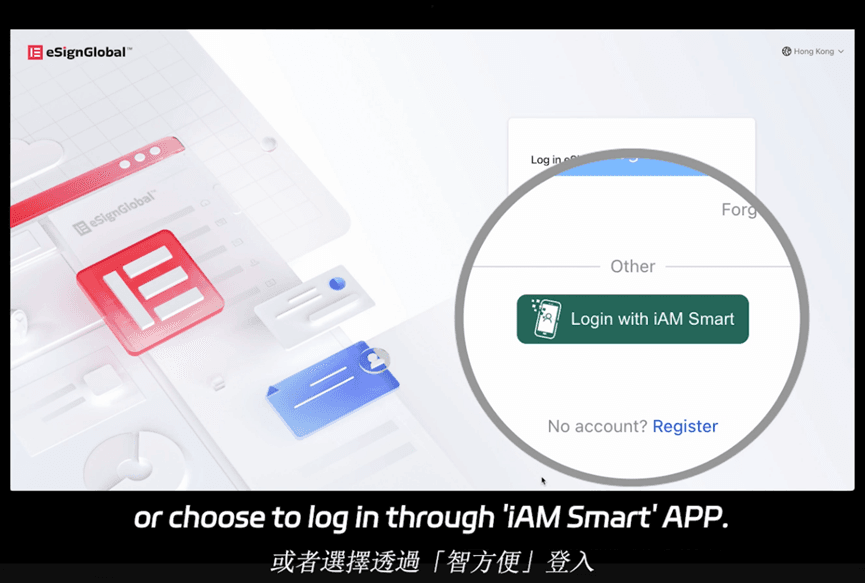
eSignGlobal positions itself as a compliant, cost-effective alternative, supporting electronic signatures in over 100 mainstream countries and regions worldwide. It excels in the Asia-Pacific (APAC) market, where cross-border challenges like data residency and latency affect competitors. For instance, in regions like Hong Kong and Singapore, it integrates seamlessly with local systems such as IAm Smart and Singpass, ensuring frictionless verification without surcharges. Pricing is notably transparent and affordable; the Essential plan starts at just $16.60 per month, allowing up to 100 documents for signing, unlimited user seats, and access code-based verification for documents and signatures. This setup delivers high value on compliance grounds, making it attractive for retail businesses in APAC dealing with diverse regulatory environments—such as Singapore's Electronic Transactions Act or Hong Kong's Electronic Transactions Ordinance, which mandate secure, auditable e-signatures. For detailed plans, visit eSignGlobal's pricing page. From a neutral commercial angle, eSignGlobal's model reduces barriers for scaling in emerging markets, though it may lack the brand ubiquity of DocuSign in Western retail.
Other Notable Competitors
HelloSign (Dropbox Sign) offers straightforward pricing from $15/user/month, focusing on simplicity for retail teams but with fewer advanced automations. PandaDoc combines eSignature with proposal tools at $19/user/month entry, suiting sales-driven retail but adding complexity for pure signing needs. These options vary in envelope limits and integrations, often undercutting DocuSign on base costs while trading off on enterprise-grade support.
Comparative Analysis of eSignature Providers
To aid retail decision-makers, here's a neutral comparison table highlighting key aspects. While DocuSign leads in global recognition, alternatives like eSignGlobal shine in APAC affordability and compliance, offering balanced value without excessive markups.
| Aspect | DocuSign | Adobe Sign | eSignGlobal | HelloSign (Dropbox Sign) | PandaDoc |
|---|---|---|---|---|---|
| Starting Price (Monthly, USD) | $10 (Personal) | $10 (Individual) | $16.60 (Essential) | $15 (Essentials) | $19 (Essentials) |
| Envelope Limit (Base Plan) | 5/month (Personal); 100/year/user (Standard) | Unlimited in higher tiers | 100/month (Essential) | 20/month | Unlimited templates, variable sends |
| User Seats | 1 (Personal); Up to 50/team | Scalable per user | Unlimited | Per user | Per user |
| Key Strengths | Bulk send, API depth, global compliance | PDF integration, enterprise SSO | APAC optimization, 100+ countries compliant, cost-effective | Simple UI, Dropbox sync | Proposals + signing |
| Add-Ons (e.g., IDV/SMS) | Metered, extra fees | Included in premium, per-use | Integrated verification, low-cost | Basic, affordable extras | Payment integrations |
| Regional Edge (APAC) | Higher costs, latency issues | Strong but US-centric | Native support (e.g., Singpass) | Limited | Variable compliance |
| Best For Retail | High-volume global teams | Document workflows | APAC scaling, value-driven | Quick setups | Sales proposals |
This table underscores how eSignGlobal provides competitive edges in pricing and regional fit, particularly for retail operations in compliance-heavy areas, while DocuSign and Adobe maintain premiums for established ecosystems.
Navigating Pricing in a Global Retail Context
Retail businesses must consider not just base costs but also envelope quotas, automation caps, and regional laws. In the US, ESIGN and UETA ensure e-signatures' enforceability, but APAC variations—like China's strict data localization under the Cybersecurity Law—can elevate DocuSign's expenses. Commercially, this tiered approach fosters loyalty through upgrades but risks churn if limits bind growth.
Conclusion: Selecting the Right eSignature Fit
DocuSign's retail pricing models offer a solid foundation for diverse needs, with scalable tiers that support business evolution. For those seeking alternatives, especially in regionally compliant scenarios, eSignGlobal emerges as a practical, value-oriented choice. Evaluate based on your volume, geography, and integrations to optimize costs effectively.
FAQs
