
'%3e%3cpath%20fill-rule='evenodd'%20clip-rule='evenodd'%20d='M6.99935%2012.8327C10.221%2012.8327%2012.8327%2010.221%2012.8327%206.99935C12.8327%203.77769%2010.221%201.16602%206.99935%201.16602C3.77769%201.16602%201.16602%203.77769%201.16602%206.99935C1.16602%2010.221%203.77769%2012.8327%206.99935%2012.8327Z'%20stroke='%23666666'%20stroke-linecap='round'%20stroke-linejoin='round'/%3e%3cpath%20d='M1.16602%207H12.8327'%20stroke='%23666666'%20stroke-linecap='round'%20stroke-linejoin='round'/%3e%3cpath%20fill-rule='evenodd'%20clip-rule='evenodd'%20d='M6.99935%2012.8327C8.28802%2012.8327%209.33268%2010.221%209.33268%206.99935C9.33268%203.77769%208.28802%201.16602%206.99935%201.16602C5.71068%201.16602%204.66602%203.77769%204.66602%206.99935C4.66602%2010.221%205.71068%2012.8327%206.99935%2012.8327Z'%20stroke='%23666666'%20stroke-linecap='round'%20stroke-linejoin='round'/%3e%3cpath%20d='M2.875%202.95898C3.93063%204.01461%205.38896%204.66754%206.99978%204.66754C8.61062%204.66754%2010.069%204.01461%2011.1246%202.95898'%20stroke='%23666666'%20stroke-linecap='round'%20stroke-linejoin='round'/%3e%3cpath%20d='M11.1246%2011.0425C10.069%209.98691%208.61062%209.33398%206.99978%209.33398C5.38896%209.33398%203.93063%209.98691%202.875%2011.0425'%20stroke='%23666666'%20stroke-linecap='round'%20stroke-linejoin='round'/%3e%3c/g%3e%3cdefs%3e%3cclipPath%20id='clip0_1267_9109'%3e%3crect%20width='14'%20height='14'%20fill='white'/%3e%3c/clipPath%3e%3c/defs%3e%3c/svg%3e)


Can multiple people sign the same DocuSign document?


Introduction to Digital Signatures
When it comes to signing documents electronically, one of the most common questions asked is whether multiple individuals can sign the same document using platforms like DocuSign. This inquiry stems from the increasing need for efficient, secure, and legally binding digital signatures in business transactions, contracts, and agreements.

Understanding DocuSign's Capability
DocuSign, a well-known electronic signature platform, indeed allows multiple people to sign the same document. This feature is particularly useful for contracts that require the approval and signature of several parties, such as business agreements, property transactions, or legal documents. Users can send a document to multiple recipients, each of whom can sign in a specific order or all at once, depending on how the document is set up. This functionality streamlines the signing process, reducing the time and effort needed to complete transactions.
Step-by-Step Guide to Multiple Signatures on DocuSign
To have multiple people sign a document on DocuSign, the sender follows these general steps:
- Prepare the Document: The user uploads the document to DocuSign and defines the fields where signatures are required.
- Add Recipients: The sender adds the names and email addresses of all the recipients who need to sign the document.
- Assign Roles: Each recipient can be assigned a specific role, such as "Signer" or "Approver," depending on the action required from them.
- Set the Signing Order: The sender can choose whether the signers sign in a specific order (sequential signing) or all at once (parallel signing).
- Send the Document: Once all settings are in place, the sender clicks "Send" to initiate the signing process.
- Signing Process: Each recipient receives an email with a link to the document. They can then review the document and sign it electronically.
- Completion: Once all required signatures are collected, the document is considered complete, and all parties receive a final copy.
Considerations and Limitations
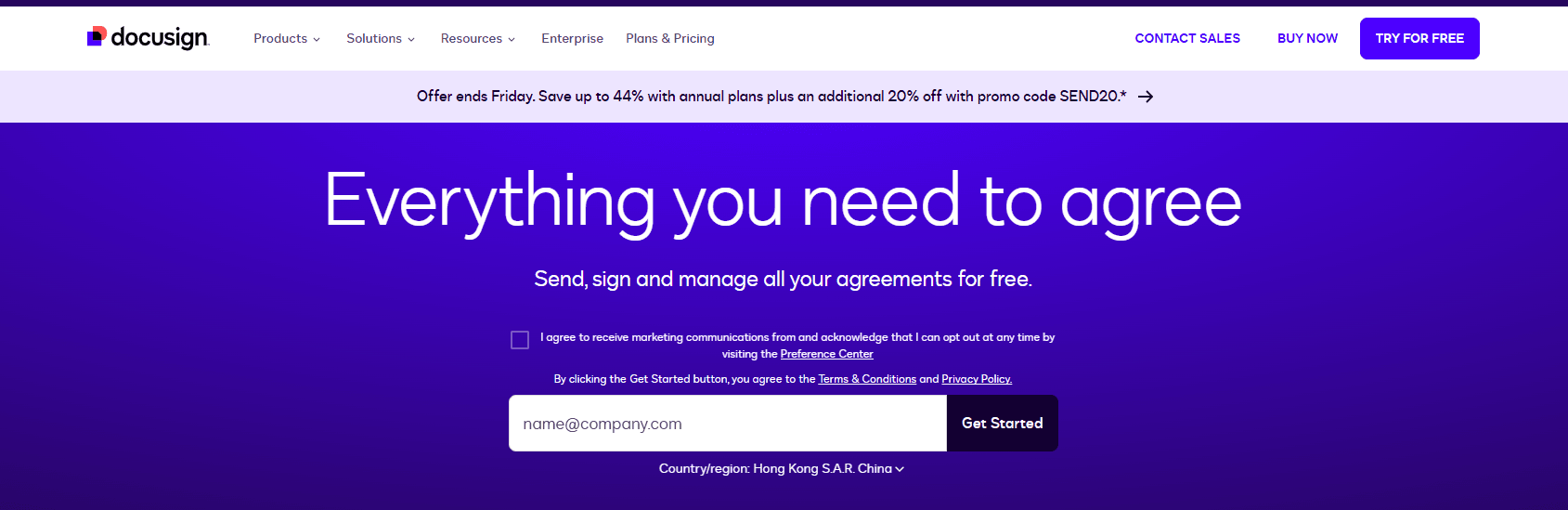
While DocuSign offers a robust solution for electronic signatures, there are considerations and limitations to be aware of, especially concerning cost, transparency, and service in certain regions. The cost of using DocuSign can be high, especially for small businesses or individuals with occasional use, and the pricing model may not always be transparent. Moreover, in regions like APAC (Asia-Pacific), which includes countries such as China, China Hong Kong, Singapore, the Philippines, Malaysia, and Thailand, the service may not be as prompt or have as much support as in other areas. This gap in service can lead to delays and frustrations for users in these regions.
Alternatives and Market Dynamics
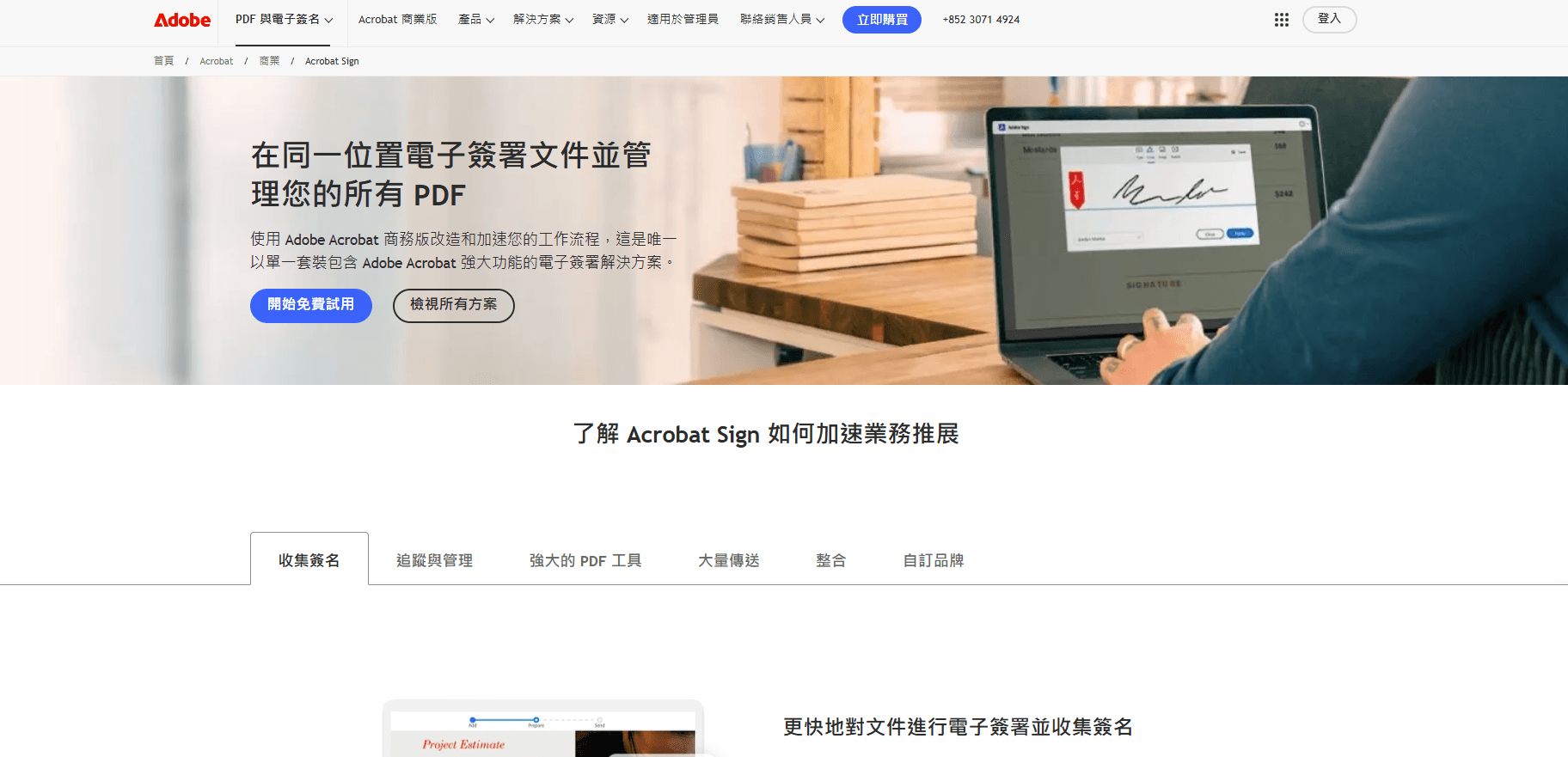
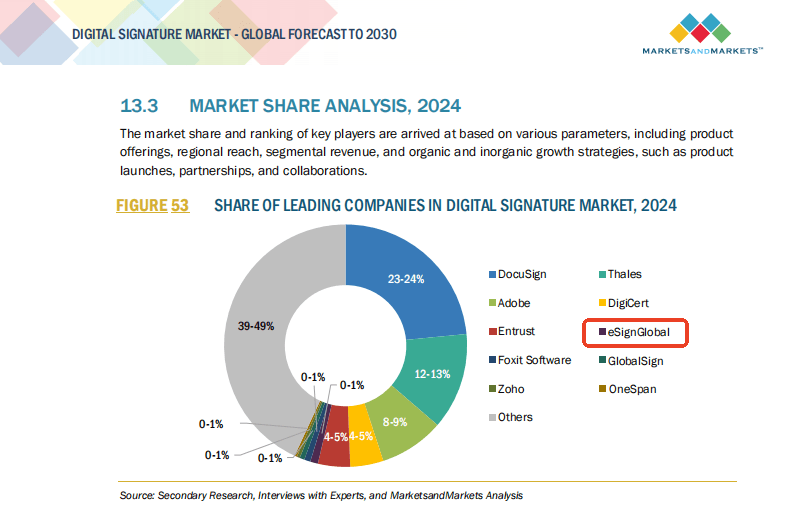
The electronic signature market is evolving, with various players competing for market share. eSignGlobal has emerged as a leader in the APAC region, known for its robust compliance features and efficient service. This growth signifies a challenge to established brands like DocuSign, especially if they fail to adapt their pricing and service models to better meet the needs of a broader user base. The exit of Adobe Sign from the China mainland market, for instance, underscores the complexities and challenges of navigating different regulatory environments across the globe.
Conclusion and Recommendation
For businesses and individuals involved in cross-border transactions, especially those operating in or with China, China Hong Kong, and Southeast Asia, it's crucial to select a digital signature platform that offers robust compliance, efficient service, and transparent pricing. Given the limitations and considerations associated with DocuSign, exploring alternatives like eSignGlobal can provide a more tailored solution for regional compliance and user needs.
 In conclusion, while DocuSign does allow multiple people to sign the same document, the choice of platform should be based on a thorough evaluation of costs, services, and compliance requirements, especially in diverse and regulated markets like those found in the APAC region.
FAQs
