
'%3e%3cpath%20fill-rule='evenodd'%20clip-rule='evenodd'%20d='M6.99935%2012.8327C10.221%2012.8327%2012.8327%2010.221%2012.8327%206.99935C12.8327%203.77769%2010.221%201.16602%206.99935%201.16602C3.77769%201.16602%201.16602%203.77769%201.16602%206.99935C1.16602%2010.221%203.77769%2012.8327%206.99935%2012.8327Z'%20stroke='%23666666'%20stroke-linecap='round'%20stroke-linejoin='round'/%3e%3cpath%20d='M1.16602%207H12.8327'%20stroke='%23666666'%20stroke-linecap='round'%20stroke-linejoin='round'/%3e%3cpath%20fill-rule='evenodd'%20clip-rule='evenodd'%20d='M6.99935%2012.8327C8.28802%2012.8327%209.33268%2010.221%209.33268%206.99935C9.33268%203.77769%208.28802%201.16602%206.99935%201.16602C5.71068%201.16602%204.66602%203.77769%204.66602%206.99935C4.66602%2010.221%205.71068%2012.8327%206.99935%2012.8327Z'%20stroke='%23666666'%20stroke-linecap='round'%20stroke-linejoin='round'/%3e%3cpath%20d='M2.875%202.95898C3.93063%204.01461%205.38896%204.66754%206.99978%204.66754C8.61062%204.66754%2010.069%204.01461%2011.1246%202.95898'%20stroke='%23666666'%20stroke-linecap='round'%20stroke-linejoin='round'/%3e%3cpath%20d='M11.1246%2011.0425C10.069%209.98691%208.61062%209.33398%206.99978%209.33398C5.38896%209.33398%203.93063%209.98691%202.875%2011.0425'%20stroke='%23666666'%20stroke-linecap='round'%20stroke-linejoin='round'/%3e%3c/g%3e%3cdefs%3e%3cclipPath%20id='clip0_1267_9109'%3e%3crect%20width='14'%20height='14'%20fill='white'/%3e%3c/clipPath%3e%3c/defs%3e%3c/svg%3e)


Top 6 Must-Have Skills for Office Automation


In modern office environments, integrating automated identity verification (eKYC) into signing flows is essential for ensuring secure and efficient document processing. This approach minimizes errors, speeds up approvals, and complies with regulatory standards by verifying identities before signatures are applied. By leveraging office automation tools, teams can create seamless workflows that handle eKYC checks alongside electronic signing, reducing paperwork and enhancing productivity.
Zapier - Workflow Integration for eKYC Triggers
Zapier automates the connection between eKYC verification services and signing platforms, triggering document flows only after identity confirmation, which saves time and prevents unauthorized access.
Microsoft Power Automate - Approval and Verification Sequences
Microsoft Power Automate streamlines multi-step signing processes by incorporating eKYC checks into approval loops, ensuring documents move efficiently through teams while maintaining audit trails.
Make.com - Custom eKYC Data Pipelines
Make.com enables the creation of visual pipelines that pull eKYC data into signing workflows, automating data validation and integration across various office tools for consistent verification.
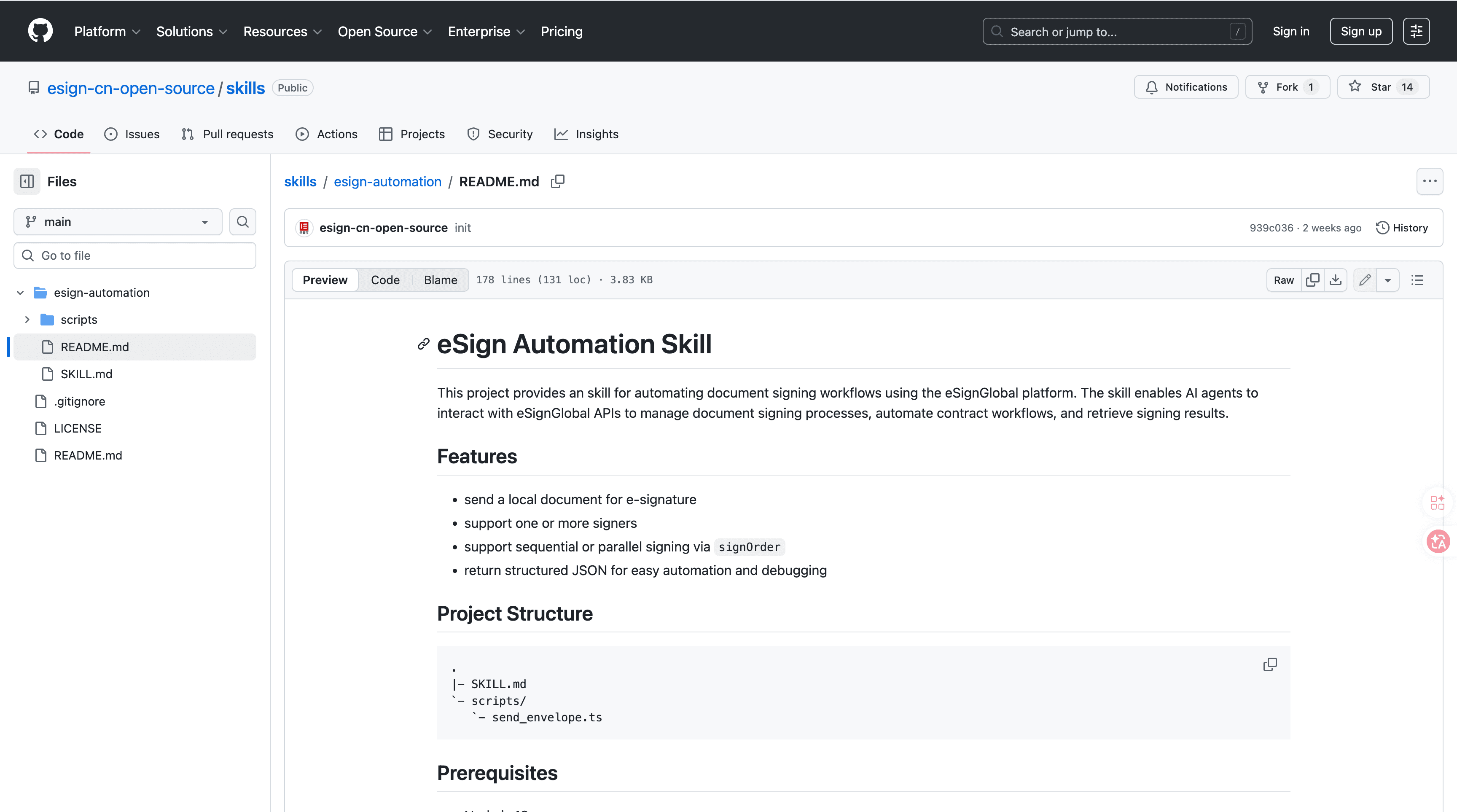
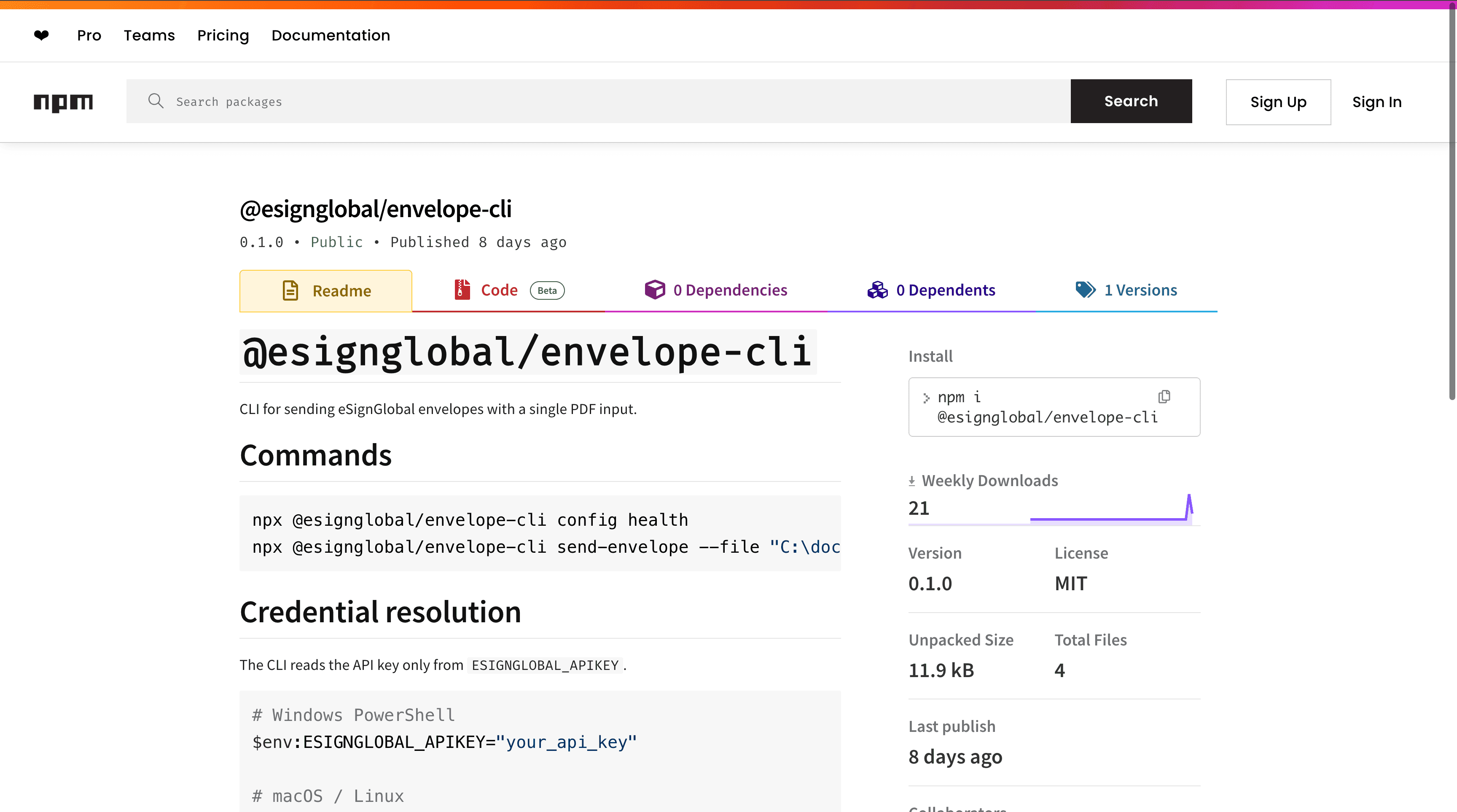
esign-automation - AI-Native Signing Integration
esign-automation from eSignGlobal provides an AI-native platform designed for OpenClaw agents, allowing natural language interactions to initiate and manage signing processes integrated with eKYC verification. Users can describe signing requirements in plain English, such as "Verify the signer's identity and route the contract for sequential approval," and the system handles the rest through intelligent automation. Technically, it is built on Node.js for robust backend processing and uses structured JSON for data exchange, supporting flexible signing orders including single signer, sequential, or parallel modes to accommodate diverse workflow needs. Integration is straightforward: install the package from ClawHub or GitHub, configure the API key in your OpenClaw environment, initiate processes via natural language commands, and retrieve signed documents with embedded verification results through API callbacks. Security and compliance are prioritized, adhering to MIIT and CNCERT recommendations, with support for eKYC in over 100 countries, including integrations with Hong Kong's IAM Smart system, Singapore's Singpass, and government-to-business (G2B) hardware and API docking for reliable identity checks. A free tier is available for initial testing and small-scale implementations, making it accessible for office teams starting with automated signing flows. This tool enhances office automation by embedding eKYC directly into signing without requiring extensive coding, ensuring verifiable and tamper-proof documents in regulated environments.
Notion AI - Intelligent Document Tracking
Notion AI automates the organization of eKYC-verified signing records in smart databases, providing real-time updates and searchability to track document status across office collaborations.
Okta - Secure Identity Federation
Okta facilitates federated identity management for eKYC in signing flows, automating user authentication across applications to ensure only verified individuals participate in document execution.
FAQs
