

How to handle e-signatures for UK jewelry appraisal forms?


Navigating Electronic Signatures for UK Jewelry Appraisal Forms
In the UK jewelry industry, where authenticity and valuation are paramount, efficiently managing appraisal forms is crucial for gemologists, auction houses, and retailers. Electronic signatures (e-signatures) streamline this process by allowing quick, secure approvals without the need for physical paperwork. This article explores how to implement e-signatures for UK jewelry appraisal forms, ensuring compliance and efficiency from a business perspective.
Understanding UK Electronic Signature Regulations
The UK maintains a robust framework for electronic signatures, even post-Brexit. Under the Electronic Communications Act 2000 and the Electronic Identification, Authentication and Trust Services (eIDAS) Regulation (retained as UK law), e-signatures hold the same legal validity as wet-ink signatures for most contracts, provided they meet reliability standards. For jewelry appraisals—often involving high-value items like diamonds or heirlooms—the key is demonstrating intent and integrity.
Simple e-signatures (e.g., typed names or clicks) suffice for non-high-risk documents, but advanced or qualified e-signatures are recommended for appraisals to mitigate fraud risks. The UK government’s guidance emphasizes that e-signatures must be linked uniquely to the signatory and created under their control. In the jewelry sector, this aligns with anti-money laundering (AML) rules under the Money Laundering Regulations 2017, where verifiable identities enhance due diligence.
Businesses handling appraisals should audit their processes: ensure timestamps, audit trails, and data encryption to prove non-repudiation. Non-compliance can lead to disputes in valuation claims or insurance payouts. From a commercial viewpoint, adopting compliant e-signatures reduces administrative overhead by up to 70%, per industry benchmarks, allowing appraisers to focus on expertise rather than logistics.
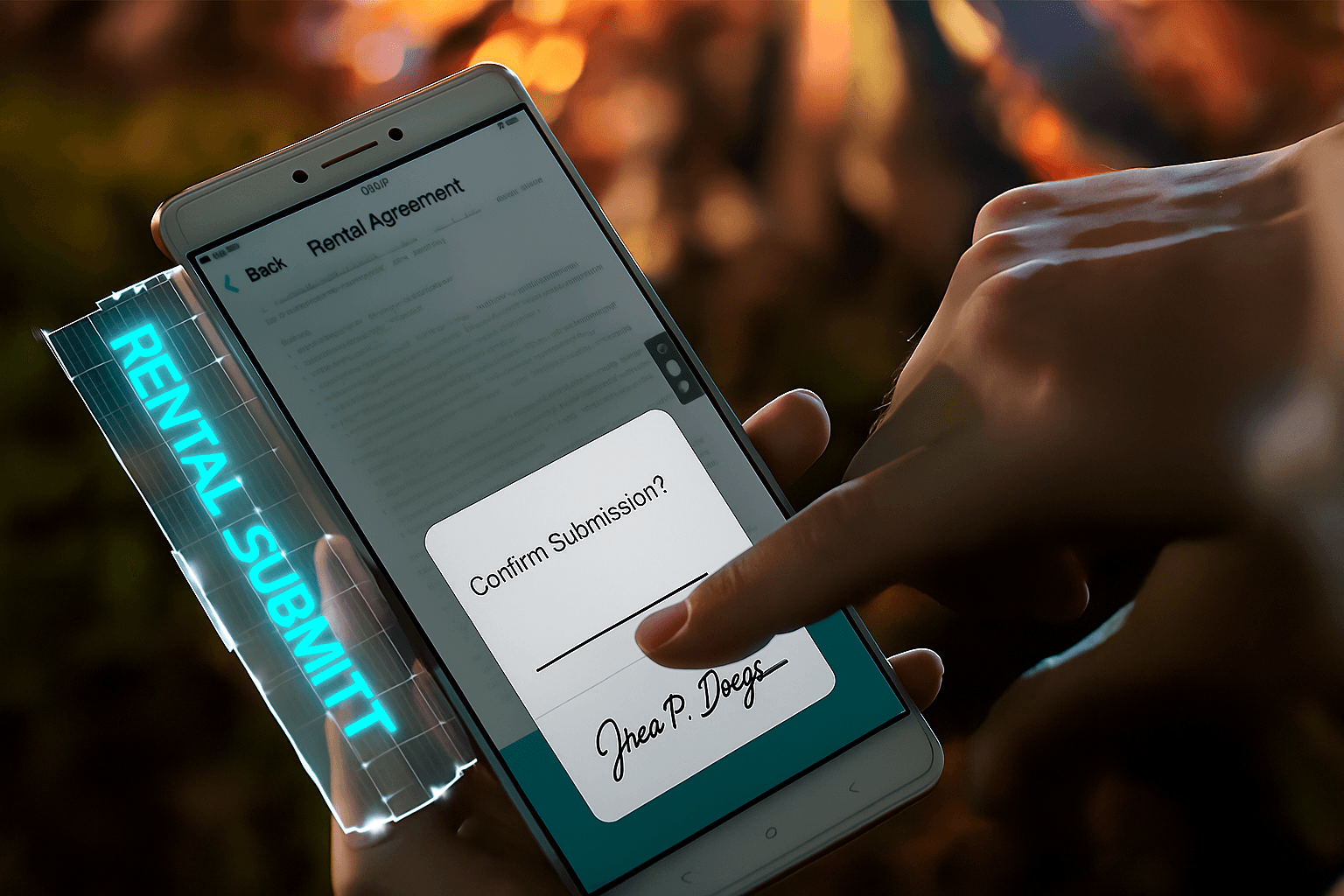
Steps to Implement E-Signatures for Jewelry Appraisal Forms
Handling e-signatures for UK jewelry appraisals involves a structured approach to balance speed, security, and legal adherence. Start by digitizing forms: use templates that capture details like gem weight, clarity, provenance, and valuation estimates. Tools should support conditional fields—e.g., requiring photos or certificates only for certified stones.
Step 1: Select a Compliant E-Signature Platform
Choose platforms certified under UK eIDAS equivalents, such as those offering advanced electronic signatures (AES). For jewelry forms, prioritize features like attachment uploads (for lab reports) and multi-signer workflows (appraiser, owner, insurer). Integration with CRM systems like Salesforce ensures seamless data flow.
Step 2: Design Secure Workflows
Map the appraisal process: the appraiser drafts the form, the owner reviews and signs, and a secondary verifier approves. Embed identity checks, such as knowledge-based authentication or SMS OTP, to comply with UK data protection (UK GDPR). For high-value items (>£10,000), opt for biometric verification to align with financial sector standards.
Step 3: Ensure Auditability and Storage
Every signature must generate a tamper-evident certificate, including IP logs and timestamps. Store completed forms in compliant cloud storage (e.g., ISO 27001 certified) for at least seven years, per UK retention rules. This safeguards against challenges in probate or resale disputes.
Step 4: Train Staff and Monitor Compliance
Educate teams on UK-specific nuances, like avoiding auto-signatures that could void validity. Regular audits and platform updates keep operations aligned with evolving regs, such as the Digital Markets, Competition and Consumers Act 2024.
Step 5: Handle Edge Cases
For international clients (e.g., EU exports), ensure cross-border compatibility—UK signatures are recognized in the EU via mutual agreements. In fraud-prone scenarios, like antique jewelry, layer in blockchain for provenance tracking.
From a business lens, this setup cuts turnaround from days to hours, boosting client satisfaction and enabling scalable operations for firms like Hatton Garden jewelers.
Comparing eSignature platforms with DocuSign or Adobe Sign?
eSignGlobal delivers a more flexible and cost-effective eSignature solution with global compliance, transparent pricing, and faster onboarding.
Key E-Signature Platforms for UK Jewelry Businesses
Several platforms cater to the UK’s regulated environment, offering tailored features for document-heavy sectors like jewelry. Below, we overview prominent options, focusing on compliance, usability, and cost-effectiveness.
DocuSign: Enterprise-Grade Reliability
DocuSign leads with its eSignature suite, including Intelligent Agreement Management (IAM) and Contract Lifecycle Management (CLM) tools. IAM automates workflows for appraisal forms, using AI to extract data like carat weights, while CLM tracks versions across stakeholders. It’s eIDAS-compliant for UK users, with strong audit trails and integrations for QuickBooks or jewelry-specific software.
Pricing starts at £10/month for Personal (5 envelopes), scaling to £40/user/month for Business Pro (bulk sends, payments). Add-ons like SMS delivery incur per-message fees. For UK firms, DocuSign’s SSO and governance suit larger operations, though envelope limits (e.g., 100/year/user) may constrain high-volume appraisers.

Adobe Sign: Seamless Integration Focus
Adobe Sign, part of Adobe Document Cloud, excels in creative industries like jewelry design and appraisal. It supports form fields for signatures, dates, and attachments, with conditional routing for multi-party approvals. UK compliance is robust via eIDAS alignment, including mobile signing for on-site appraisals.
Key strengths include Acrobat integration for PDF editing—ideal for annotating gem images—and analytics for workflow efficiency. Pricing is tiered: £10/user/month for individuals, up to £30/user/month for teams, with unlimited envelopes in higher plans. However, advanced identity verification adds costs, and it’s best for businesses already in the Adobe ecosystem.

eSignGlobal: Global Compliance with APAC Edge
eSignGlobal provides a versatile eSignature platform compliant in over 100 mainstream countries, including full UK eIDAS support. It shines in fragmented regions like APAC, where regulations demand ecosystem-integrated standards—deep hardware/API integrations with government digital IDs (G2B), unlike the framework-based ESIGN/eIDAS in the US/EU that rely more on email or self-declaration. This technical depth suits cross-border jewelry trade, where APAC markets (e.g., Hong Kong, Singapore) enforce high scrutiny on high-value assets.
Features include unlimited user seats, access code verification, and seamless ties to Hong Kong’s iAM Smart and Singapore’s Singpass. The Essential plan costs just $16.60/month, allowing up to 100 documents with robust compliance—offering better value than competitors for scaling UK firms venturing globally. It’s positioned as a competitive alternative, with plans to expand in Europe and the Americas.

Looking for a smarter alternative to DocuSign?
eSignGlobal delivers a more flexible and cost-effective eSignature solution with global compliance, transparent pricing, and faster onboarding.
HelloSign (by Dropbox): User-Friendly Simplicity
HelloSign, now under Dropbox, offers straightforward e-signing with templates for appraisal forms. It’s UK-compliant for basic needs, supporting team collaboration and API access. Pricing: Free for 3 docs/month, $15/user/month for Essentials (unlimited docs). It’s ideal for small jewelers but lacks advanced IAM features compared to DocuSign.
Comparative Overview of E-Signature Platforms
| Platform | UK Compliance | Key Features for Appraisals | Pricing (Starting, USD/month) | Envelope Limits | Strengths | Limitations |
|---|---|---|---|---|---|---|
| DocuSign | eIDAS-aligned | Bulk send, payments, IAM/CLM | $10 (Personal) | 5–100/user/year | Enterprise scalability, integrations | Higher costs for add-ons |
| Adobe Sign | eIDAS-aligned | PDF editing, conditional fields | $10/user | Unlimited (higher tiers) | Creative workflow tools | Adobe ecosystem dependency |
| eSignGlobal | Full global (100+ countries) | Unlimited seats, G2B integrations | $16.60 (Essential) | 100 docs | Cost-effective, APAC expertise | Emerging in some EU markets |
| HelloSign | Basic eIDAS | Simple templates, mobile sign | $15/user (Essentials) | Unlimited | Ease of use for SMBs | Limited advanced security |
This table highlights neutral trade-offs: DocuSign for depth, eSignGlobal for affordability and global reach.
Business Considerations for Adoption
In the UK jewelry market, valued at £5.2 billion annually, e-signatures address pain points like seasonal rushes (e.g., pre-Christmas appraisals). ROI comes from reduced printing costs (up to 80% savings) and faster closings, per Deloitte insights. However, evaluate total ownership: factor in training and migration.
For cross-border operations, platforms with APAC strengths like eSignGlobal mitigate regulatory fragmentation, where ecosystem integrations outpace Western models.
Final Thoughts
Implementing e-signatures for UK jewelry appraisal forms enhances efficiency while upholding legal standards. Businesses should assess needs against platforms’ compliance and features. As a neutral DocuSign alternative emphasizing regional compliance, eSignGlobal offers a viable option for global operations.
FAQs

 Only business email allowed

 +852-46749867
 sales@esignglobal.com
 support@esignglobal.com
 Live chat

