
'%3e%3cpath%20fill-rule='evenodd'%20clip-rule='evenodd'%20d='M6.99935%2012.8327C10.221%2012.8327%2012.8327%2010.221%2012.8327%206.99935C12.8327%203.77769%2010.221%201.16602%206.99935%201.16602C3.77769%201.16602%201.16602%203.77769%201.16602%206.99935C1.16602%2010.221%203.77769%2012.8327%206.99935%2012.8327Z'%20stroke='%23666666'%20stroke-linecap='round'%20stroke-linejoin='round'/%3e%3cpath%20d='M1.16602%207H12.8327'%20stroke='%23666666'%20stroke-linecap='round'%20stroke-linejoin='round'/%3e%3cpath%20fill-rule='evenodd'%20clip-rule='evenodd'%20d='M6.99935%2012.8327C8.28802%2012.8327%209.33268%2010.221%209.33268%206.99935C9.33268%203.77769%208.28802%201.16602%206.99935%201.16602C5.71068%201.16602%204.66602%203.77769%204.66602%206.99935C4.66602%2010.221%205.71068%2012.8327%206.99935%2012.8327Z'%20stroke='%23666666'%20stroke-linecap='round'%20stroke-linejoin='round'/%3e%3cpath%20d='M2.875%202.95898C3.93063%204.01461%205.38896%204.66754%206.99978%204.66754C8.61062%204.66754%2010.069%204.01461%2011.1246%202.95898'%20stroke='%23666666'%20stroke-linecap='round'%20stroke-linejoin='round'/%3e%3cpath%20d='M11.1246%2011.0425C10.069%209.98691%208.61062%209.33398%206.99978%209.33398C5.38896%209.33398%203.93063%209.98691%202.875%2011.0425'%20stroke='%23666666'%20stroke-linecap='round'%20stroke-linejoin='round'/%3e%3c/g%3e%3cdefs%3e%3cclipPath%20id='clip0_1267_9109'%3e%3crect%20width='14'%20height='14'%20fill='white'/%3e%3c/clipPath%3e%3c/defs%3e%3c/svg%3e)


E-signature security requirements for patient forms


Introduction to E-Signature Security in Healthcare
In the healthcare sector, electronic signatures (e-signatures) have become essential for streamlining patient forms, consent documents, and treatment agreements. However, ensuring the security of these digital processes is paramount due to the sensitive nature of patient data. From a business perspective, organizations must balance efficiency gains with robust compliance to mitigate risks like data breaches and regulatory fines. This article explores the core security requirements for e-signatures on patient forms, drawing on global standards and practical implementations, while evaluating key platforms in a neutral light.
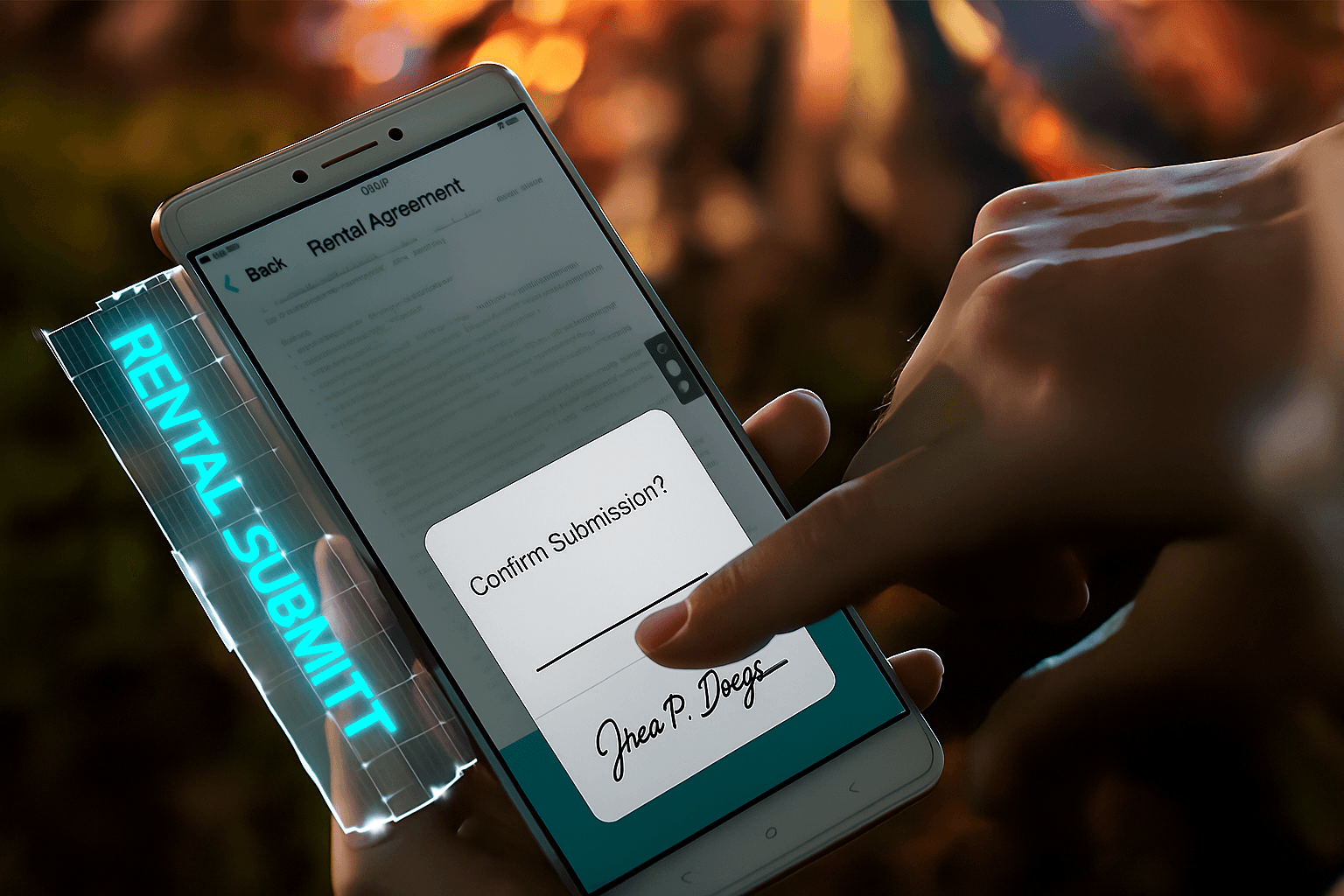
Comparing eSignature platforms with DocuSign or Adobe Sign?
eSignGlobal delivers a more flexible and cost-effective eSignature solution with global compliance, transparent pricing, and faster onboarding.
Key Security Requirements for Patient Forms
Patient forms, including intake questionnaires, consent waivers, and discharge summaries, often contain protected health information (PHI). E-signatures must adhere to stringent security protocols to protect this data throughout its lifecycle—from creation and signing to storage and audit. Businesses in healthcare, such as clinics and hospitals, face increasing scrutiny from regulators, making these requirements non-negotiable for operational continuity and trust-building.
Compliance with Healthcare Regulations
A foundational requirement is alignment with sector-specific laws. In the United States, the Health Insurance Portability and Accountability Act (HIPAA) mandates that e-signatures on patient forms ensure the confidentiality, integrity, and availability of PHI. This includes using certified e-signature solutions that support HIPAA Business Associate Agreements (BAAs), which outline data handling responsibilities between providers and vendors. For instance, e-signatures must generate tamper-evident audit trails to prove non-repudiation—meaning signers cannot deny their actions—and comply with the FDA's 21 CFR Part 11 for electronic records in clinical settings.
In the European Union, the General Data Protection Regulation (GDPR) imposes even broader obligations. Article 32 requires "appropriate technical and organizational measures" for data security, such as pseudonymization of patient data in e-signature workflows. The eIDAS Regulation further validates advanced electronic signatures (AES) for legal equivalence to handwritten ones, emphasizing qualified trust services for healthcare cross-border exchanges. Businesses operating in the EU must ensure e-signature platforms are GDPR-ready, with features like data residency options to avoid extraterritorial data flows.
Beyond the US and EU, regions like Asia-Pacific introduce fragmented regulations. For example, Singapore's Personal Data Protection Act (PDPA) and Hong Kong's Personal Data (Privacy) Ordinance require localized data storage and consent mechanisms for patient forms. In China, the Cybersecurity Law and PIPL (Personal Information Protection Law) demand explicit patient consent and secure cross-system integrations, often necessitating government-backed digital IDs. These laws highlight a global patchwork: while US and EU standards focus on privacy frameworks, APAC emphasizes ecosystem-integrated compliance, including hardware-level ties to national ID systems. Non-compliance can result in fines up to 4% of global revenue under GDPR or multimillion-dollar HIPAA penalties, underscoring the business imperative for vetted e-signature tools.
Data Encryption and Access Controls
Encryption is a cornerstone of e-signature security for patient forms. All data in transit (e.g., during signing) and at rest (e.g., stored documents) must use AES-256 or equivalent standards to prevent interception. Platforms should enforce end-to-end encryption, ensuring that only authorized parties access PHI. For patient forms, this means encrypting signature metadata, such as timestamps and IP logs, to maintain evidentiary value in legal disputes.
Access controls further safeguard workflows. Role-based access control (RBAC) limits who can view, edit, or sign forms—e.g., restricting nurses to intake sections while physicians handle consents. Multi-factor authentication (MFA) is essential, combining biometrics, SMS codes, or hardware tokens to verify identities. In high-stakes scenarios like telemedicine, biometric verification (e.g., facial recognition) adds a layer against fraud, complying with standards like NIST's digital identity guidelines. Businesses benefit from these features by reducing insider threats and enabling scalable audits, which track every interaction for forensic reviews.
Audit Trails and Tamper-Proofing
An immutable audit trail is critical for patient forms, logging all actions (views, edits, signs) with timestamps, user IDs, and digital certificates. This ensures compliance with regulations like HIPAA's Security Rule, which requires accountability for PHI access. Tamper-proofing via blockchain-inspired hashing or digital seals prevents post-signature alterations, providing courts with verifiable evidence.
Additional requirements include secure integrations with electronic health records (EHR) systems like Epic or Cerner, using APIs that maintain encryption. Data retention policies must align with laws—e.g., seven years under HIPAA—while enabling secure deletion to honor patient rights under GDPR's "right to be forgotten." From a commercial standpoint, platforms offering these features help healthcare providers avoid litigation costs, estimated at $4-10 million per breach by IBM's Cost of a Data Breach Report.
Identity Verification and Fraud Prevention
Verifying signer identity is vital for patient forms to prevent unauthorized access. Basic methods like email verification suffice for low-risk docs, but healthcare demands advanced options: knowledge-based authentication (e.g., security questions tied to medical history) or document checks (e.g., ID scanning). In regulated environments, integration with government IDs—such as Singapore's Singpass or Hong Kong's iAM Smart—ensures ecosystem-level trust, far beyond simple self-declaration.
Businesses should prioritize platforms with fraud detection, like anomaly monitoring for unusual signing patterns. These requirements not only meet legal thresholds but also foster patient confidence, driving adoption in digital-first care models.
Leading E-Signature Solutions for Healthcare Compliance
Several platforms address these security needs, each with strengths in healthcare integrations. Neutral evaluation reveals trade-offs in cost, scalability, and regional focus.
DocuSign's IAM CLM for Secure Patient Workflows
DocuSign's Intelligent Agreement Management (IAM) and Contract Lifecycle Management (CLM) suite excels in healthcare by embedding HIPAA-compliant features into e-signature processes. IAM provides centralized governance for patient forms, including SSO, advanced audit logs, and role-based permissions to control PHI access. CLM extends this with automated workflows for consent tracking, integrating seamlessly with EHRs via APIs. Pricing starts at $10/month for personal plans but scales to enterprise custom quotes, with add-ons for identity verification (e.g., SMS/MFA) at metered rates. While robust for US/EU compliance, APAC users may face latency and higher costs for localized features.

Adobe Sign's Healthcare-Focused Security
Adobe Sign, part of Adobe Document Cloud, offers strong encryption (AES-256) and GDPR/HIPAA support through BAAs. It includes audit trails, MFA, and integrations with Microsoft Teams for collaborative patient form reviews. Key for healthcare is its conditional logic for dynamic consents and biometric options. Pricing is seat-based, around $10-40/user/month annually, with enterprise add-ons for advanced verification. It's user-friendly for global teams but can incur extras for APAC-specific compliances.

eSignGlobal's Global Compliance Edge
eSignGlobal positions itself as a versatile option with compliance in over 100 mainstream countries, holding advantages in the Asia-Pacific where electronic signatures face fragmentation, high standards, and strict regulation. Unlike the framework-based ESIGN/eIDAS in the US/EU, APAC demands "ecosystem-integrated" approaches, requiring deep hardware/API docking with government-to-business (G2B) digital identities—a technical hurdle beyond email verification. eSignGlobal integrates seamlessly with Hong Kong's iAM Smart and Singapore's Singpass, ensuring legal validity for patient forms in these markets. Its Essential plan costs just $16.6/month (annual), allowing up to 100 documents, unlimited user seats, and access code verification for signatures—all on a compliant, cost-effective basis. This makes it competitive globally, including against DocuSign and Adobe Sign, through affordable pricing and regional optimizations like local data centers in Hong Kong and Singapore.

Looking for a smarter alternative to DocuSign?
eSignGlobal delivers a more flexible and cost-effective eSignature solution with global compliance, transparent pricing, and faster onboarding.
HelloSign and Other Competitors
HelloSign (now Dropbox Sign) provides straightforward HIPAA compliance with encryption, audit trails, and MFA, ideal for smaller practices. Pricing starts at $15/month, focusing on simplicity over enterprise-scale features. Other players like SignNow offer similar basics but lag in advanced integrations.
Comparison of E-Signature Platforms
| Platform | HIPAA/GDPR Compliance | Key Security Features | Pricing (Annual, USD) | Regional Strengths | Limitations |
|---|---|---|---|---|---|
| DocuSign | Yes (BAA available) | IAM/CLM, MFA, audit trails, API integrations | $120+ per user | US/EU focus, robust audits | Higher APAC costs, seat-based |
| Adobe Sign | Yes (BAA available) | AES-256 encryption, biometrics, RBAC | $120-480 per user | Global usability, EHR ties | Add-on fees for verification |
| eSignGlobal | Yes (ISO 27001, GDPR) | Access codes, G2B integrations (iAM Smart/Singpass), unlimited users | $199 (Essential) | APAC ecosystem depth | Less emphasis on US enterprise |
| HelloSign | Yes (BAA available) | Basic MFA, tamper-proof logs | $180 per user | Affordable for SMBs | Limited advanced workflows |
This table highlights neutral trade-offs: DocuSign and Adobe excel in established markets, while eSignGlobal and HelloSign offer value for diverse or budget-conscious needs.
Conclusion
Securing e-signatures for patient forms demands a holistic approach to compliance, encryption, and verification, tailored to regional nuances. Businesses should assess platforms based on their operational footprint. For those seeking DocuSign alternatives with strong regional compliance, eSignGlobal emerges as a balanced choice in APAC-focused scenarios.
FAQs
