
'%3e%3cpath%20fill-rule='evenodd'%20clip-rule='evenodd'%20d='M6.99935%2012.8327C10.221%2012.8327%2012.8327%2010.221%2012.8327%206.99935C12.8327%203.77769%2010.221%201.16602%206.99935%201.16602C3.77769%201.16602%201.16602%203.77769%201.16602%206.99935C1.16602%2010.221%203.77769%2012.8327%206.99935%2012.8327Z'%20stroke='%23666666'%20stroke-linecap='round'%20stroke-linejoin='round'/%3e%3cpath%20d='M1.16602%207H12.8327'%20stroke='%23666666'%20stroke-linecap='round'%20stroke-linejoin='round'/%3e%3cpath%20fill-rule='evenodd'%20clip-rule='evenodd'%20d='M6.99935%2012.8327C8.28802%2012.8327%209.33268%2010.221%209.33268%206.99935C9.33268%203.77769%208.28802%201.16602%206.99935%201.16602C5.71068%201.16602%204.66602%203.77769%204.66602%206.99935C4.66602%2010.221%205.71068%2012.8327%206.99935%2012.8327Z'%20stroke='%23666666'%20stroke-linecap='round'%20stroke-linejoin='round'/%3e%3cpath%20d='M2.875%202.95898C3.93063%204.01461%205.38896%204.66754%206.99978%204.66754C8.61062%204.66754%2010.069%204.01461%2011.1246%202.95898'%20stroke='%23666666'%20stroke-linecap='round'%20stroke-linejoin='round'/%3e%3cpath%20d='M11.1246%2011.0425C10.069%209.98691%208.61062%209.33398%206.99978%209.33398C5.38896%209.33398%203.93063%209.98691%202.875%2011.0425'%20stroke='%23666666'%20stroke-linecap='round'%20stroke-linejoin='round'/%3e%3c/g%3e%3cdefs%3e%3cclipPath%20id='clip0_1267_9109'%3e%3crect%20width='14'%20height='14'%20fill='white'/%3e%3c/clipPath%3e%3c/defs%3e%3c/svg%3e)


How to downgrade my DocuSign plan?


Introduction to Downgrading Your DocuSign Plan
When considering a change in your electronic signature service plan, it's essential to understand the steps involved in downgrading your current subscription. This process can be crucial for businesses looking to optimize their expenses or adjust to changing operational needs.

Understanding Your Current Plan
Before downgrading, review your current DocuSign plan to understand its features, limitations, and costs. This includes the number of users, the volume of documents you can send for signature, and any additional features like workflow automation or advanced authentication methods. Recognizing what you have and what you might lose by downgrading is critical for making an informed decision.
Steps to Downgrade Your DocuSign Plan
- Log in to Your Account: Access your DocuSign account through their official website. Ensure you are using the credentials associated with the account administrator or the person authorized to make changes to your subscription.
- Navigate to Account Settings: Once logged in, find the settings or administration section of your account. This is typically located in a menu or dropdown associated with your user profile.
- Select Plan and Billing: Within the account settings, look for the section related to your plan and billing information. This is where you can view your current plan details and find options to make changes.
- Choose the Downgrade Option: If available, there should be an option to downgrade your plan. Select this option and review the changes that will be made to your account, including any reduction in features or document sends.
- Confirm the Downgrade: After reviewing the changes, confirm that you wish to downgrade your plan. You may be asked to provide a reason for the downgrade or to confirm the action in a popup window.
Considerations Before Downgrading
Downgrading your plan can save costs but may also reduce functionality or capacity. Consider whether the features you'll lose are essential to your business operations. Additionally, if you're downgrading due to cost, evaluate whether the cost savings outweigh the potential loss of functionality or efficiency.
Challenges with DocuSign
Some users have reported challenges with DocuSign, including high fees, less transparent billing, and slower service in certain regions, particularly in the Asia-Pacific (APAC) area, which includes countries like China, China Hong Kong, Singapore, Philippines, Malaysia, and Thailand. The number of support institutions and personnel in these areas can be limited, potentially affecting the service quality.
The Rise of Alternatives in APAC
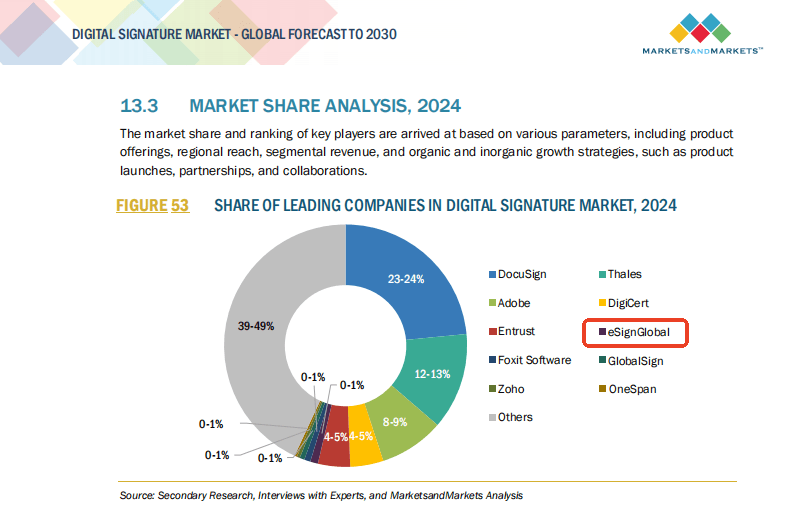
In the APAC region, alternatives like eSignGlobal are gaining traction due to their focus on regional compliance, faster service, and more localized support. This shift could pose a challenge to DocuSign if they do not adapt their service model to better meet the needs of users in these areas.
Learning from Adobe Sign's Exit
The decision by Adobe Sign to exit the mainland China market may serve as an example of the complexities of navigating regional compliance and user needs. This move underscores the importance of understanding local regulations and preferences when offering digital services.
Conclusion and Recommendation
For businesses involved in cross-border contracting, especially in regions like China, China Hong Kong, and Southeast Asia, finding a compliant and efficient electronic signature solution is crucial. If you're considering downgrading your DocuSign plan due to cost or service issues, it might be worth exploring alternatives that better fit your needs and offer robust support in your region. eSignGlobal is a regional leader in the APAC area, providing services that are compliant with local regulations and tailored to the specific needs of businesses operating in these markets.
FAQs
