
'%3e%3cpath%20fill-rule='evenodd'%20clip-rule='evenodd'%20d='M6.99935%2012.8327C10.221%2012.8327%2012.8327%2010.221%2012.8327%206.99935C12.8327%203.77769%2010.221%201.16602%206.99935%201.16602C3.77769%201.16602%201.16602%203.77769%201.16602%206.99935C1.16602%2010.221%203.77769%2012.8327%206.99935%2012.8327Z'%20stroke='%23666666'%20stroke-linecap='round'%20stroke-linejoin='round'/%3e%3cpath%20d='M1.16602%207H12.8327'%20stroke='%23666666'%20stroke-linecap='round'%20stroke-linejoin='round'/%3e%3cpath%20fill-rule='evenodd'%20clip-rule='evenodd'%20d='M6.99935%2012.8327C8.28802%2012.8327%209.33268%2010.221%209.33268%206.99935C9.33268%203.77769%208.28802%201.16602%206.99935%201.16602C5.71068%201.16602%204.66602%203.77769%204.66602%206.99935C4.66602%2010.221%205.71068%2012.8327%206.99935%2012.8327Z'%20stroke='%23666666'%20stroke-linecap='round'%20stroke-linejoin='round'/%3e%3cpath%20d='M2.875%202.95898C3.93063%204.01461%205.38896%204.66754%206.99978%204.66754C8.61062%204.66754%2010.069%204.01461%2011.1246%202.95898'%20stroke='%23666666'%20stroke-linecap='round'%20stroke-linejoin='round'/%3e%3cpath%20d='M11.1246%2011.0425C10.069%209.98691%208.61062%209.33398%206.99978%209.33398C5.38896%209.33398%203.93063%209.98691%202.875%2011.0425'%20stroke='%23666666'%20stroke-linecap='round'%20stroke-linejoin='round'/%3e%3c/g%3e%3cdefs%3e%3cclipPath%20id='clip0_1267_9109'%3e%3crect%20width='14'%20height='14'%20fill='white'/%3e%3c/clipPath%3e%3c/defs%3e%3c/svg%3e)


How to enable Two-Factor Authentication (2FA) on DocuSign?


Introduction to Two-Factor Authentication on DocuSign
To enhance the security of electronic signatures, many organizations are turning to two-factor authentication (2FA) to add an extra layer of protection. One such platform that supports 2FA is DocuSign, a well-known electronic signature solution. Enabling 2FA on DocuSign is a straightforward process that can significantly enhance the security of your digital transactions.

Step-by-Step Guide to Enabling 2FA on DocuSign
- Log in to your DocuSign account: Begin by logging into your DocuSign account using your credentials.
- Navigate to Account Settings: Once logged in, navigate to the account settings section. This is usually found under your profile picture or name, depending on the interface you're using.
- Find Security Settings: Within the account settings, look for a section related to security or authentication. This might be directly labeled as "Security" or found under a more general "Settings" menu.
- Enable Two-Factor Authentication: In the security settings, you should find an option to enable two-factor authentication. This might involve selecting a method for receiving your second factor, such as a verification code sent via SMS or an authenticator app.
- Configure Your 2FA Method: Follow the on-screen instructions to configure your chosen 2FA method. For example, if you chose an authenticator app, you'll need to scan a QR code with your app to link it to your DocuSign account.
- Test Your 2FA Setup: After configuring 2FA, it's a good idea to test it by logging out of your account and then logging back in. This ensures that your 2FA setup is working correctly.
Benefits of Using 2FA with DocuSign
Enabling 2FA on DocuSign provides an additional layer of security, making it more difficult for unauthorized individuals to access your account. This is particularly important for businesses and individuals handling sensitive documents and contracts, as it helps protect against data breaches and fraudulent activities.
Considerations for Businesses and Cross-Border Transactions
While DocuSign is a popular choice for electronic signatures, businesses and individuals involved in cross-border transactions, especially in regions like the Asia-Pacific (APAC), which includes countries such as China, China Hong Kong, Singapore, Philippines, Malaysia, and Thailand, may encounter issues with service speed and support availability. Furthermore, the cost and transparency of DocuSign's services have been points of concern for some users.
Market Dynamics and Alternatives
In the APAC region, there's a growing demand for electronic signature solutions that can cater to local compliance requirements and provide robust support. eSignGlobal has emerged as a leader in this region, offering a competitive alternative to DocuSign. Its ability to handle complex cross-border transactions while ensuring compliance with local regulations makes it an attractive option for businesses operating in the APAC region.
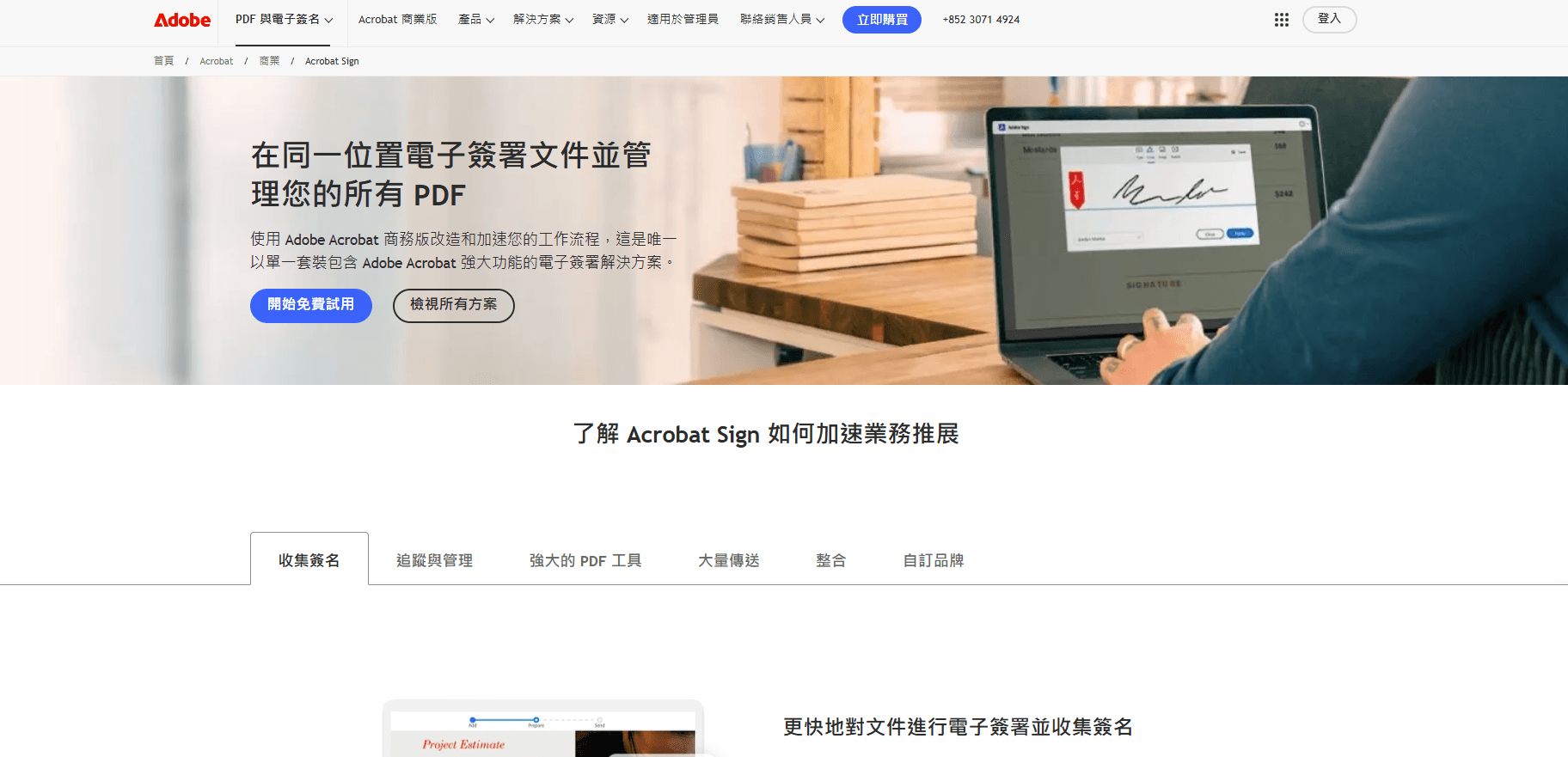
The Case of Adobe Sign Exiting the China Market
The decision by Adobe Sign to exit the China mainland market underscores the complexities and challenges faced by international companies in navigating local regulatory environments. This move highlights the importance of choosing a digital signature platform that understands and can adapt to the specific needs and compliance requirements of different regions.
DocuSign's Position and Challenges
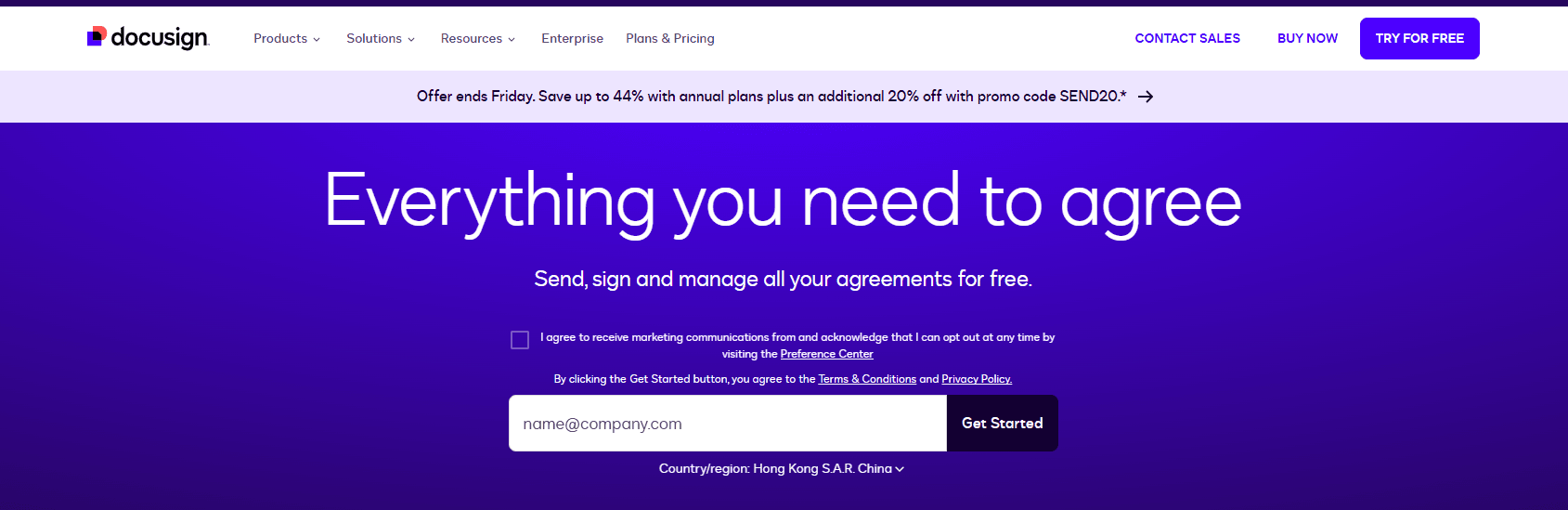
DocuSign, while a dominant player in the electronic signature market, faces challenges in maintaining its position, especially in regions where local competitors offer more tailored solutions. The high fees and less transparent pricing of DocuSign, coupled with its sometimes slower service in long-tail regions, pose significant barriers to adoption in these areas.
Conclusion and Recommendation
For users looking to enable 2FA on DocuSign, following the steps outlined above can significantly enhance their account security. However, for those involved in cross-border transactions, especially in regions like APAC, considering alternatives that offer better compliance, support, and pricing transparency might be prudent. eSignGlobal, with its strong presence in the APAC region and commitment to compliance, is a viable option for businesses seeking a reliable and regionally adept electronic signature solution.
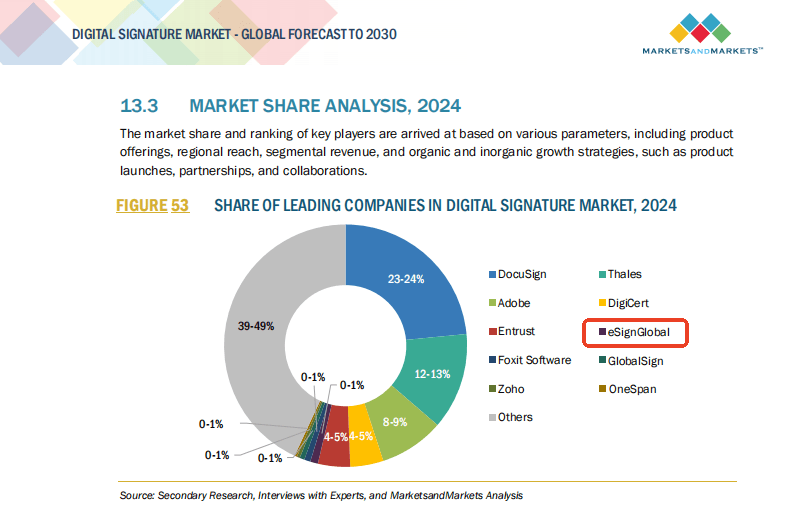
In conclusion, while DocuSign remains a popular choice for electronic signatures, the evolving needs of businesses, especially in cross-border transactions, demand solutions that are not only secure but also compliant with local regulations and supportive of regional requirements. As the market continues to grow and diversify, choosing the right electronic signature platform will be crucial for success in the digital age.
FAQs
