
'%3e%3cpath%20fill-rule='evenodd'%20clip-rule='evenodd'%20d='M6.99935%2012.8327C10.221%2012.8327%2012.8327%2010.221%2012.8327%206.99935C12.8327%203.77769%2010.221%201.16602%206.99935%201.16602C3.77769%201.16602%201.16602%203.77769%201.16602%206.99935C1.16602%2010.221%203.77769%2012.8327%206.99935%2012.8327Z'%20stroke='%23666666'%20stroke-linecap='round'%20stroke-linejoin='round'/%3e%3cpath%20d='M1.16602%207H12.8327'%20stroke='%23666666'%20stroke-linecap='round'%20stroke-linejoin='round'/%3e%3cpath%20fill-rule='evenodd'%20clip-rule='evenodd'%20d='M6.99935%2012.8327C8.28802%2012.8327%209.33268%2010.221%209.33268%206.99935C9.33268%203.77769%208.28802%201.16602%206.99935%201.16602C5.71068%201.16602%204.66602%203.77769%204.66602%206.99935C4.66602%2010.221%205.71068%2012.8327%206.99935%2012.8327Z'%20stroke='%23666666'%20stroke-linecap='round'%20stroke-linejoin='round'/%3e%3cpath%20d='M2.875%202.95898C3.93063%204.01461%205.38896%204.66754%206.99978%204.66754C8.61062%204.66754%2010.069%204.01461%2011.1246%202.95898'%20stroke='%23666666'%20stroke-linecap='round'%20stroke-linejoin='round'/%3e%3cpath%20d='M11.1246%2011.0425C10.069%209.98691%208.61062%209.33398%206.99978%209.33398C5.38896%209.33398%203.93063%209.98691%202.875%2011.0425'%20stroke='%23666666'%20stroke-linecap='round'%20stroke-linejoin='round'/%3e%3c/g%3e%3cdefs%3e%3cclipPath%20id='clip0_1267_9109'%3e%3crect%20width='14'%20height='14'%20fill='white'/%3e%3c/clipPath%3e%3c/defs%3e%3c/svg%3e)


Digital signature appliance vs cloud


Introduction to Digital Signature Solutions
In the evolving landscape of business operations, digital signatures have become essential for streamlining workflows, ensuring compliance, and enhancing security. Businesses face a fundamental choice between on-premises digital signature appliances—hardware-based systems—and cloud-based platforms that offer scalability and ease of integration. This comparison explores their differences from a commercial perspective, weighing factors like cost, deployment, and regulatory alignment to help organizations make informed decisions.
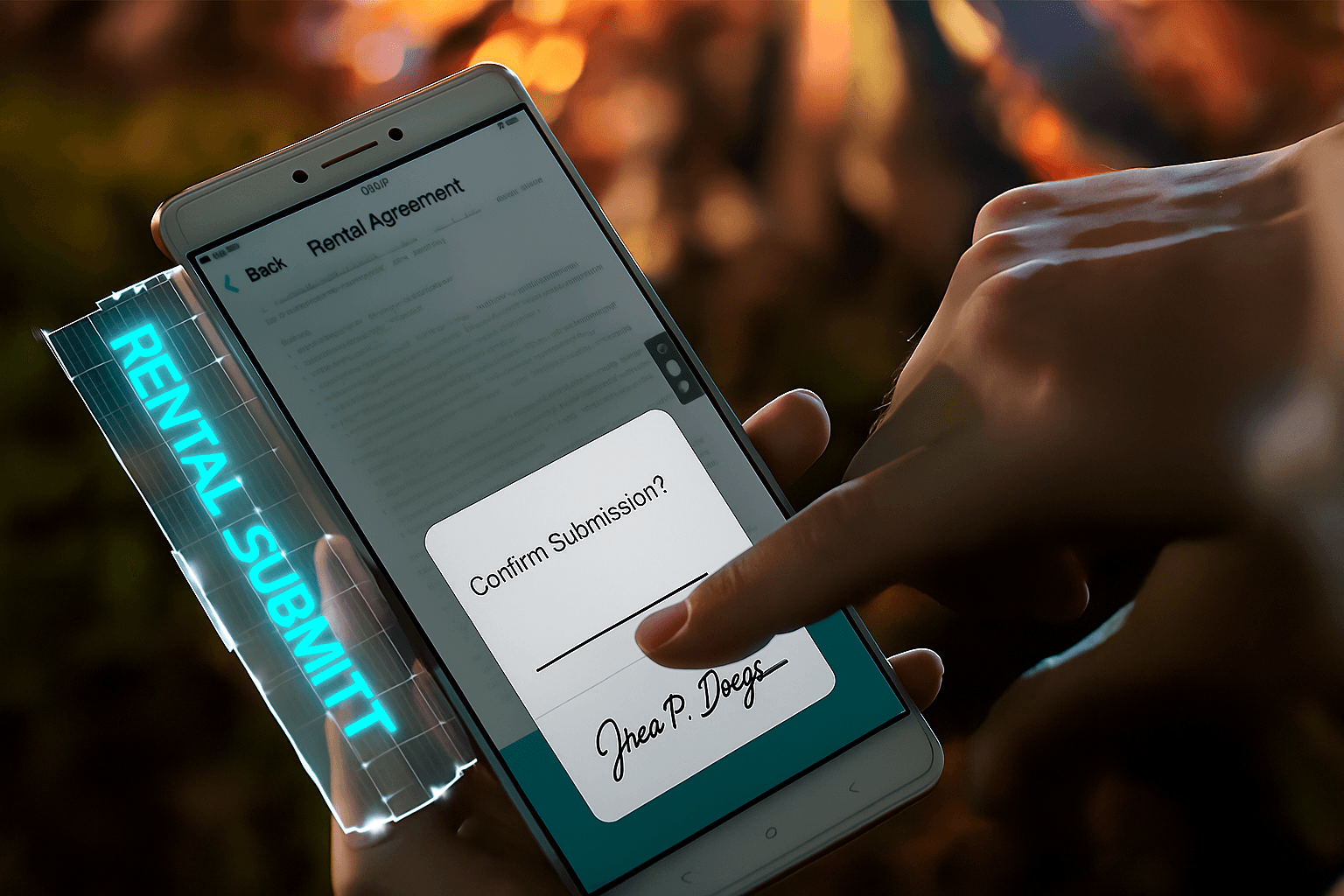
What Are Digital Signature Appliances?
Digital signature appliances refer to dedicated hardware devices designed for generating, storing, and managing cryptographic keys and certificates in a secure, localized environment. These systems, often resembling rugged servers or secure modules, are typically deployed on-premises within a company's data center. They function as hardware security modules (HSMs) tailored for electronic signing, ensuring that private keys never leave the device, which bolsters security against remote breaches.
From a business viewpoint, appliances appeal to industries with stringent data sovereignty requirements, such as finance or government sectors. For instance, in regions like the European Union, where the eIDAS Regulation mandates qualified electronic signatures (QES) for legal equivalence to handwritten ones, appliances can facilitate compliant, tamper-proof signing without relying on external networks. Setup involves physical installation, integration with existing IT infrastructure, and ongoing maintenance, which can include firmware updates and physical security measures.
However, appliances come with trade-offs. Initial costs are high—often ranging from $5,000 to $50,000 per unit, plus annual support fees—making them suitable for large enterprises but less viable for SMEs. Scalability is limited; adding users or volume requires additional hardware, leading to capital expenditures that strain budgets in dynamic markets.
Exploring Cloud-Based Digital Signature Platforms
Cloud-based digital signature solutions, in contrast, are software-as-a-service (SaaS) offerings hosted on remote servers. Providers like DocuSign and Adobe Sign enable users to sign documents via web browsers or mobile apps, with signatures generated through cloud infrastructure. This model emphasizes accessibility, allowing global teams to collaborate in real-time without hardware investments.
Commercially, cloud platforms reduce upfront costs, shifting to subscription models that align with operational expenses. They integrate seamlessly with tools like CRM systems or email clients, automating workflows and supporting features such as bulk sending or conditional routing. In the US, under the ESIGN Act and UETA, cloud signatures hold the same legal weight as wet-ink ones, provided they meet basic authentication standards. For APAC markets, compliance varies: Singapore's Electronic Transactions Act recognizes cloud-based signatures, while China's Electronic Signature Law requires certified timestamps and non-repudiation, which reputable cloud providers address through add-ons.
The primary advantage is elasticity—businesses pay per user or envelope, scaling effortlessly during peak periods. Drawbacks include dependency on internet connectivity and potential data privacy concerns, though encryption and compliance certifications (e.g., SOC 2, ISO 27001) mitigate these.
Head-to-Head: Digital Signature Appliance vs. Cloud
The core debate between digital signature appliances and cloud platforms hinges on control versus convenience, with each suiting different commercial strategies. Let's break down the key dimensions.
Cost Structure and ROI
Appliances demand significant capital outlay for purchase, installation, and upkeep, with total ownership costs escalating over time due to hardware refreshes every 3-5 years. A mid-sized firm might spend $20,000 initially, plus $5,000 annually for maintenance, yielding a predictable but rigid expense profile. ROI materializes through long-term security ownership but can take years to realize, especially if usage volumes fluctuate.
Cloud solutions operate on OPEX models, with pricing tiered by usage. For example, entry-level plans start at $10-40 per user monthly, scaling to enterprise custom quotes. This pay-as-you-go approach accelerates ROI for growing businesses, as there's no hardware depreciation. However, overages for high-volume signing (e.g., bulk sends) can inflate bills, and vendor lock-in poses risks if prices rise.
In a commercial analysis, clouds often win for cost efficiency in agile environments, with studies from Gartner indicating 30-50% savings over appliances for most non-regulated sectors.
Security and Compliance
Appliances excel in security isolation: keys remain air-gapped, minimizing cyber threats like ransomware. This is critical in high-stakes regions; for instance, under GDPR in the EU, appliances ensure data never traverses public clouds, reducing breach liabilities. Compliance is hardware-enforced, supporting advanced standards like FIPS 140-2.
Cloud platforms counter with distributed security models, using multi-factor authentication, audit trails, and AI-driven anomaly detection. While vulnerabilities exist (e.g., API exploits), providers invest heavily in redundancy—uptime SLAs often exceed 99.9%. For global compliance, clouds adapt to diverse laws: in Japan, the Act on Electronic Signatures aligns with cloud PKI, but appliances may be preferred for sensitive national data.
Businesses must assess risk tolerance; appliances suit paranoid setups, while clouds suffice for 80% of commercial use cases with proper vetting.
Scalability and User Experience
Appliances scale vertically—adding capacity means more devices—limiting flexibility for remote or distributed teams. User experience is clunky, often requiring VPN access or dedicated software, which hampers adoption in hybrid work models.
Clouds shine in horizontal scaling: unlimited users via web interfaces, with mobile apps enabling signatures from anywhere. Features like templates, reminders, and integrations (e.g., with Salesforce) boost productivity by 40-60%, per Forrester research. For international operations, clouds handle latency better through global CDNs, though APAC users may face delays without regional data centers.
Integration and Maintenance
Deploying an appliance involves IT expertise for network configuration and backups, with maintenance falling on internal teams. Clouds offload this to providers, offering APIs for seamless embedding into business processes—ideal for digital transformation.
In summary, appliances prioritize sovereignty and control, fitting legacy or regulated enterprises, while clouds drive efficiency and innovation for modern commerce. The choice depends on business size, geography, and growth trajectory, with hybrids emerging as a balanced option.
Comparing Leading Cloud Digital Signature Providers
To contextualize the cloud side, let's examine prominent players: DocuSign, Adobe Sign, eSignGlobal, and HelloSign (now part of Dropbox). Each offers robust SaaS features, but differences in pricing, compliance, and regional focus influence commercial fit.
DocuSign: The Market Leader
DocuSign dominates with its comprehensive eSignature suite, supporting over 100 million users globally. Plans range from Personal ($10/month) to Business Pro ($40/month/user), with add-ons for identity verification and API access. Strengths include bulk send capabilities and integrations with 400+ apps, making it ideal for enterprise automation. However, envelope limits (e.g., ~100/year per user) and higher APAC costs due to compliance add-ons can deter cost-sensitive firms.

Adobe Sign: Enterprise Integration Focus
Adobe Sign leverages Adobe's ecosystem, excelling in PDF workflows and Acrobat integration. Pricing starts at $10/user/month for individuals, scaling to $27/user/month for teams, with enterprise options including SSO and analytics. It's strong in North America and Europe, offering conditional fields and payment collection. Drawbacks include steeper learning curves for non-Adobe users and variable APAC support, where regional latencies can impact performance.

eSignGlobal: Regional Compliance Specialist
eSignGlobal stands out for its focus on global and APAC markets, supporting compliance in 100 mainstream countries and regions. In Asia-Pacific, it offers advantages like optimized speeds and native integrations, such as with Hong Kong's iAM Smart and Singapore's Singpass for seamless verification. The Essential plan, at just $16.6/month, allows sending up to 100 documents, unlimited user seats, and access code verification—delivering high value on a compliance foundation at a fraction of competitors' costs. For detailed pricing, businesses can explore flexible tiers emphasizing affordability without sacrificing security.

HelloSign (Dropbox Sign): Simplicity for SMBs
HelloSign, rebranded under Dropbox, prioritizes user-friendly interfaces for small teams, with plans from free (limited) to $15/user/month for Essentials. It supports templates and team collaboration but lacks advanced automation like bulk sends in base tiers. It's cost-effective for basic needs but may require upgrades for enterprise-scale compliance.
| Feature/Aspect | DocuSign | Adobe Sign | eSignGlobal | HelloSign (Dropbox Sign) |
|---|---|---|---|---|
| Starting Price (Monthly) | $10/user | $10/user | $16.6 (Essential, unlimited seats) | Free/$15/user |
| Envelope Limits | ~100/year per user | Unlimited (tier-dependent) | 100/month (Essential) | 3/month (Free); Unlimited (paid) |
| Global Compliance | Strong (US/EU focus) | Excellent (PDF standards) | 100 countries, APAC optimized | Good (US-centric) |
| Key Integrations | 400+ apps, API | Adobe ecosystem, Salesforce | iAM Smart, Singpass, regional APIs | Dropbox, Google Workspace |
| APAC Advantages | Add-ons increase costs | Latency issues | Native speed, lower pricing | Limited regional support |
| Best For | Enterprises | Document-heavy workflows | APAC/global compliance | SMBs/simple signing |
This table highlights eSignGlobal's edge in regional value, though all providers maintain strong overall capabilities.
Regional Nuances in Digital Signatures
While the appliance-cloud divide is universal, regional laws shape adoption. In the US, the ESIGN Act ensures broad enforceability for both. Europe's eIDAS framework favors qualified appliances for high-assurance needs but accepts cloud QES. In APAC, China's Electronic Signature Law demands certified authorities, boosting cloud providers with local partnerships; Singapore and Hong Kong emphasize interoperability, where cloud platforms like eSignGlobal integrate effortlessly with national IDs.
Conclusion
Choosing between digital signature appliances and cloud platforms boils down to balancing security, cost, and scalability in your commercial context. For those seeking DocuSign alternatives with strong regional compliance, eSignGlobal emerges as a solid, APAC-optimized option.
FAQs
