
'%3e%3cpath%20fill-rule='evenodd'%20clip-rule='evenodd'%20d='M6.99935%2012.8327C10.221%2012.8327%2012.8327%2010.221%2012.8327%206.99935C12.8327%203.77769%2010.221%201.16602%206.99935%201.16602C3.77769%201.16602%201.16602%203.77769%201.16602%206.99935C1.16602%2010.221%203.77769%2012.8327%206.99935%2012.8327Z'%20stroke='%23666666'%20stroke-linecap='round'%20stroke-linejoin='round'/%3e%3cpath%20d='M1.16602%207H12.8327'%20stroke='%23666666'%20stroke-linecap='round'%20stroke-linejoin='round'/%3e%3cpath%20fill-rule='evenodd'%20clip-rule='evenodd'%20d='M6.99935%2012.8327C8.28802%2012.8327%209.33268%2010.221%209.33268%206.99935C9.33268%203.77769%208.28802%201.16602%206.99935%201.16602C5.71068%201.16602%204.66602%203.77769%204.66602%206.99935C4.66602%2010.221%205.71068%2012.8327%206.99935%2012.8327Z'%20stroke='%23666666'%20stroke-linecap='round'%20stroke-linejoin='round'/%3e%3cpath%20d='M2.875%202.95898C3.93063%204.01461%205.38896%204.66754%206.99978%204.66754C8.61062%204.66754%2010.069%204.01461%2011.1246%202.95898'%20stroke='%23666666'%20stroke-linecap='round'%20stroke-linejoin='round'/%3e%3cpath%20d='M11.1246%2011.0425C10.069%209.98691%208.61062%209.33398%206.99978%209.33398C5.38896%209.33398%203.93063%209.98691%202.875%2011.0425'%20stroke='%23666666'%20stroke-linecap='round'%20stroke-linejoin='round'/%3e%3c/g%3e%3cdefs%3e%3cclipPath%20id='clip0_1267_9109'%3e%3crect%20width='14'%20height='14'%20fill='white'/%3e%3c/clipPath%3e%3c/defs%3e%3c/svg%3e)


How to connect DocuSign to Figma for prototype sign-off?


Integrating DocuSign with Figma: Streamlining Prototype Sign-Off in Design Workflows
In today's fast-paced design and development cycles, teams often seek ways to bridge creative tools like Figma with enterprise solutions for approvals and sign-offs. Connecting DocuSign to Figma for prototype sign-off can automate feedback loops, reduce manual handoffs, and ensure legally binding approvals on digital prototypes. This integration is particularly valuable for UX/UI teams collaborating with stakeholders who need to review and sign off on designs before production.
Comparing eSignature platforms with DocuSign or Adobe Sign?
eSignGlobal delivers a more flexible and cost-effective eSignature solution with global compliance, transparent pricing, and faster onboarding.
Why Integrate DocuSign with Figma for Prototype Sign-Off?
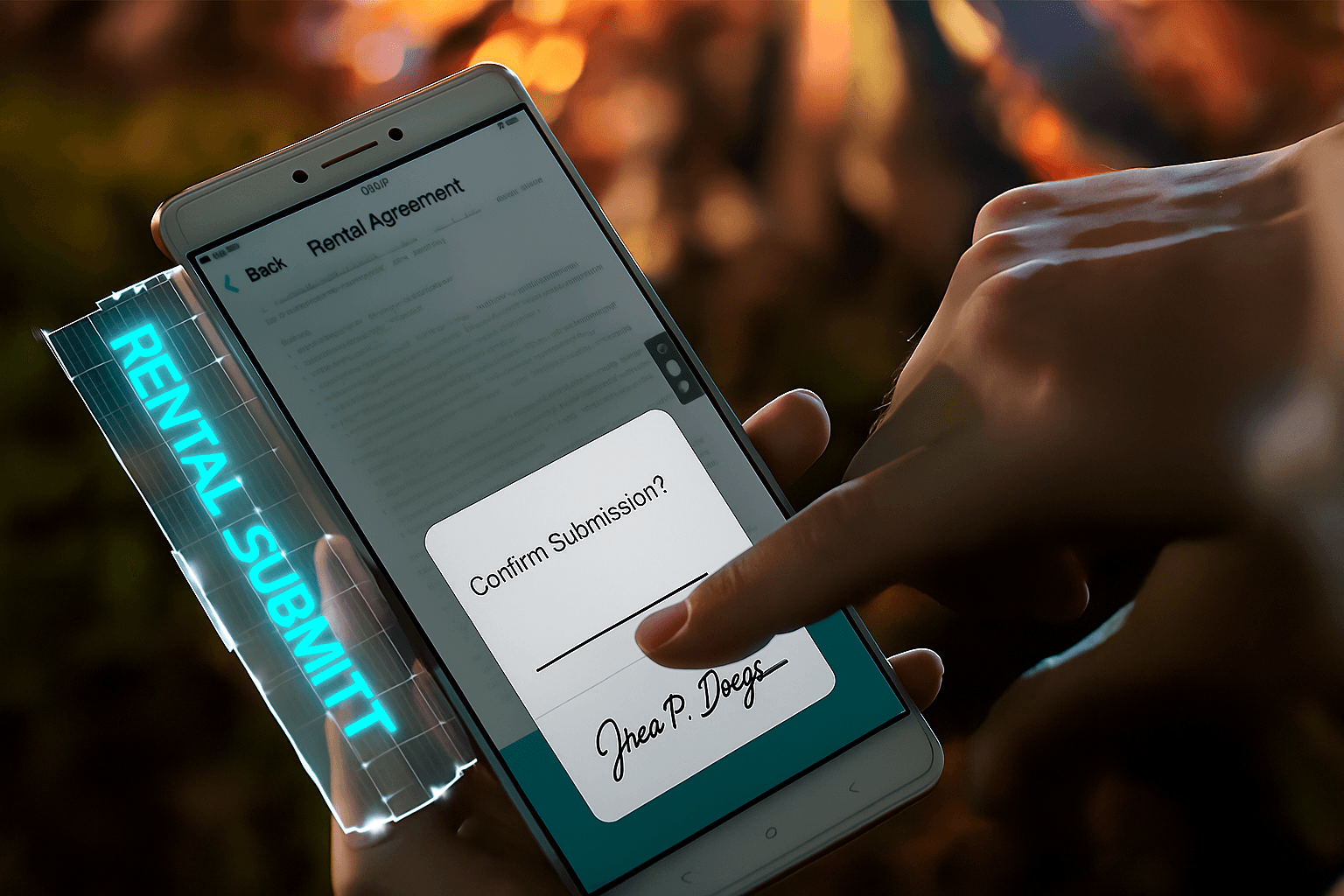
From a business perspective, prototype sign-off is a critical bottleneck in product development. Designers iterate in Figma, but securing stakeholder approvals often involves exporting files, emailing PDFs, and chasing signatures—leading to delays and version control issues. DocuSign, a leading eSignature platform, allows teams to embed signing workflows directly into prototypes, turning static reviews into actionable, compliant processes.
This connection enhances efficiency: stakeholders can view interactive Figma prototypes, add comments, and apply electronic signatures without leaving their workflow. For global teams, it ensures compliance with varying eSignature laws, such as the U.S. ESIGN Act or EU's eIDAS regulation, which recognize electronic signatures as legally equivalent to wet-ink ones when properly authenticated. In regions like APAC, where regulations are more fragmented—such as Singapore's Electronic Transactions Act requiring secure electronic records or Hong Kong's Electronic Transactions Ordinance emphasizing data integrity—such integrations must support local standards to avoid compliance risks.
Businesses adopting this setup report up to 50% faster approval cycles, according to industry benchmarks from tools like Gartner. However, success depends on the right tools and configurations, which we'll explore next.
Step-by-Step Guide: Connecting DocuSign to Figma for Prototype Sign-Off
To connect DocuSign to Figma, you'll leverage DocuSign's API, webhooks, and embedding capabilities alongside Figma's plugins or Zapier/Integromat for no-code automation. This process assumes you have a DocuSign account (e.g., Business Pro plan at $40/user/month annually) and Figma access. Here's a detailed, neutral walkthrough based on standard practices as of 2025.
Step 1: Set Up DocuSign Developer Account and API Access
Start by creating a DocuSign Developer Sandbox account at developer.docusign.com—it's free for testing. This provides API keys for integration without affecting production envelopes.
- Log in to your DocuSign dashboard and navigate to "Integrations" > "API."
- Generate an Integration Key (Client ID) and Secret for OAuth authentication. For prototype sign-off, enable the eSignature API, which supports embedding signers via iFrames.
- If using advanced features like Identity and Access Management (IAM) in DocuSign CLM (Contract Lifecycle Management), note that IAM adds SSO and governance for enterprise-scale sign-offs, but it's custom-priced beyond standard plans. DocuSign CLM integrates with eSignature to manage full contract workflows, including prototype approvals as part of broader document lifecycles.
Test API calls using Postman: Send a simple envelope creation request to verify connectivity. This step typically takes 15-30 minutes.
Step 2: Prepare Your Figma Prototype for Export and Linking
In Figma, design your prototype with interactive elements. For sign-off, add annotation frames for feedback areas.
- Export the prototype as a PDF or shareable link via Figma's "Share" menu. Use Figma's Dev Mode to generate inspectable assets if needed.
- Install the Figma-to-DocuSign plugin if available (search Figma Community), or use Zapier: Create a "Zap" triggered by Figma comments or exports.
- Embed DocuSign fields: In your prototype, designate areas for signatures using Figma's text or shape tools, then map them to DocuSign's signer fields (e.g., signature, date signed).
This preparation ensures prototypes are sign-ready, aligning design intent with legal requirements.
Step 3: Build the Integration Using Zapier or Direct API
For non-developers, Zapier is ideal—it's a middleware that connects Figma events to DocuSign actions without coding.
- Sign up for Zapier (free tier for basics; pro at $20/month for multi-step zaps).
- Create a new Zap:
- Trigger: "New Comment in Figma" or "Prototype Shared" from a specific file.
- Action 1: "Create Document in DocuSign" – Upload the Figma-exported PDF as an envelope, adding recipients (e.g., stakeholders' emails).
- Action 2: "Send Envelope" with embedded signing. Use DocuSign's PowerForm for reusable sign-off templates.
- Customize: Add conditional routing—if a prototype needs approval from multiple parties, use DocuSign's sequential signing. For bulk sign-offs (e.g., team reviews), enable Bulk Send in Business Pro.
- If coding, use DocuSign's SDK (Node.js/Python) to pull Figma assets via Figma API, then generate envelopes. Example code snippet:
Embed the signing URL back into Figma via a prototype overlay.const dsApi = new docusign.EsSignatureApi(); const envelope = new docusign.EnvelopeDefinition(); envelope.documents = [{ documentBase64: figmaExportBase64, name: 'Prototype.pdf', fileExtension: 'pdf' }]; envelope.recipients = { signers: [{ email: 'stakeholder@example.com', name: 'John Doe', routingOrder: '1' }] }; await dsApi.createEnvelope('accountId', envelope);
Test the flow: Share a prototype, trigger the Zap, and confirm the envelope arrives with the Figma content intact. Envelope limits apply (e.g., 100/year in Standard), so monitor usage.
Step 4: Handle Sign-Off and Feedback Loop
Once sent, stakeholders receive an email with an embedded signer view— they can interact with the prototype PDF, sign, and comment.
- Use DocuSign's Connect Webhooks to notify Figma/Slack on completion (e.g., "Signed" status updates a Figma file property).
- For advanced automation, integrate with DocuSign's IAM CLM to archive signed prototypes in a central repository, ensuring audit trails for compliance.
- Troubleshoot: Common issues include API rate limits (e.g., 100 calls/hour in Starter API at $600/year) or cross-origin errors in embeds—use DocuSign's white-labeling to match Figma's UI.
Step 5: Scale and Secure the Workflow
For enterprise use, upgrade to DocuSign Advanced ($5,760/year API) for unlimited envelopes and features like conditional fields (e.g., approve only if changes are minimal). Ensure HTTPS and OAuth for security.
In APAC regions, verify compliance: For instance, China's Electronic Signature Law (2005, amended) mandates cryptographic standards for validity, differing from the U.S. ESIGN Act's simpler intent-based framework. DocuSign supports these via add-ons like SMS delivery ($0.10/message), but latency in cross-border setups can add 2-5 seconds to loads.
This integration can cut sign-off time from days to hours, but costs scale with usage—expect $300-480/user/year for core plans plus API fees.
Overview of DocuSign and Key Competitors
DocuSign remains a market leader in eSignatures, powering over 1 billion transactions annually with robust API support for integrations like Figma. Its eSignature plans range from Personal ($10/month) to Enterprise (custom), emphasizing templates, bulk sends, and add-ons like Identity Verification for secure sign-offs. DocuSign's IAM CLM extends this to full contract management, including AI-driven clause analysis and workflow automation, ideal for prototype-to-production pipelines.

Adobe Sign, part of Adobe Document Cloud, offers seamless integration with creative tools like Photoshop but requires similar API setup for Figma. It's strong in PDF-heavy workflows, with plans starting at $10/user/month for individuals, scaling to Enterprise. Features include mobile signing and analytics, though API quotas are tighter than DocuSign's.

eSignGlobal positions itself as a global contender, compliant in 100+ mainstream countries, with a strong APAC focus. APAC's eSignature landscape is fragmented, with high standards and strict regulations—unlike the framework-based ESIGN/eIDAS in the West, it demands ecosystem-integrated solutions, including deep hardware/API ties to government digital IDs (G2B). eSignGlobal excels here, integrating seamlessly with Hong Kong's iAM Smart and Singapore's Singpass for native compliance. Its Essential plan costs $299/year (about $24.9/month), allowing 100 documents, unlimited users, access code verification, and API access—offering high value on compliance without per-seat fees. This makes it competitive against DocuSign and Adobe, especially for regional teams, as part of its broader replacement strategy in global markets.

Looking for a smarter alternative to DocuSign?
eSignGlobal delivers a more flexible and cost-effective eSignature solution with global compliance, transparent pricing, and faster onboarding.
HelloSign (now Dropbox Sign) focuses on simplicity, with free tiers for basics and paid plans from $15/month. It's user-friendly for small teams but lacks DocuSign's advanced API depth for complex Figma integrations.
Competitor Comparison Table
| Feature/Aspect | DocuSign | Adobe Sign | eSignGlobal | HelloSign (Dropbox Sign) |
|---|---|---|---|---|
| Starting Price (Annual) | $120 (Personal) | $120 (Individual) | $299 (Essential, unlimited users) | $180 (Essentials) |
| API Integration Ease | High (Dedicated SDKs) | Medium (Adobe ecosystem focus) | High (Included in Pro) | Medium (Webhook-based) |
| Envelope Limits | 5-100/month (plan-dependent) | 10-100/month | 100/year (Essential) | Unlimited (paid) |
| Compliance Focus | Global, strong in US/EU | US/EU, PDF-centric | 100+ countries, APAC depth | US/EU basics |
| Figma Suitability | Excellent via Zapier/API | Good for PDF exports | Strong for regional teams | Basic embeds |
| Add-On Costs | High (e.g., IDV metered) | Moderate | Low (bundled) | Low |
This table highlights trade-offs: DocuSign leads in enterprise scale, while alternatives offer cost savings for specific needs.
Conclusion: Optimizing Your eSignature Choice
Integrating DocuSign with Figma empowers efficient prototype sign-offs, but evaluating alternatives based on regional compliance and pricing is key. For teams prioritizing APAC regulations, eSignGlobal emerges as a neutral, area-compliant option to DocuSign, balancing global reach with localized efficiency.
FAQs
