
'%3e%3cpath%20fill-rule='evenodd'%20clip-rule='evenodd'%20d='M6.99935%2012.8327C10.221%2012.8327%2012.8327%2010.221%2012.8327%206.99935C12.8327%203.77769%2010.221%201.16602%206.99935%201.16602C3.77769%201.16602%201.16602%203.77769%201.16602%206.99935C1.16602%2010.221%203.77769%2012.8327%206.99935%2012.8327Z'%20stroke='%23666666'%20stroke-linecap='round'%20stroke-linejoin='round'/%3e%3cpath%20d='M1.16602%207H12.8327'%20stroke='%23666666'%20stroke-linecap='round'%20stroke-linejoin='round'/%3e%3cpath%20fill-rule='evenodd'%20clip-rule='evenodd'%20d='M6.99935%2012.8327C8.28802%2012.8327%209.33268%2010.221%209.33268%206.99935C9.33268%203.77769%208.28802%201.16602%206.99935%201.16602C5.71068%201.16602%204.66602%203.77769%204.66602%206.99935C4.66602%2010.221%205.71068%2012.8327%206.99935%2012.8327Z'%20stroke='%23666666'%20stroke-linecap='round'%20stroke-linejoin='round'/%3e%3cpath%20d='M2.875%202.95898C3.93063%204.01461%205.38896%204.66754%206.99978%204.66754C8.61062%204.66754%2010.069%204.01461%2011.1246%202.95898'%20stroke='%23666666'%20stroke-linecap='round'%20stroke-linejoin='round'/%3e%3cpath%20d='M11.1246%2011.0425C10.069%209.98691%208.61062%209.33398%206.99978%209.33398C5.38896%209.33398%203.93063%209.98691%202.875%2011.0425'%20stroke='%23666666'%20stroke-linecap='round'%20stroke-linejoin='round'/%3e%3c/g%3e%3cdefs%3e%3cclipPath%20id='clip0_1267_9109'%3e%3crect%20width='14'%20height='14'%20fill='white'/%3e%3c/clipPath%3e%3c/defs%3e%3c/svg%3e)


cost savings with electronic signatures


Understanding Cost Savings in Electronic Signatures
In today's fast-paced business environment, electronic signatures have emerged as a cornerstone for streamlining operations and reducing overheads. Companies across industries are increasingly adopting these digital tools to cut down on traditional paperwork, which often involves significant expenses in printing, shipping, and storage. From a commercial perspective, the shift to e-signatures isn't just about convenience—it's a strategic move to enhance efficiency and profitability. This article explores how electronic signatures drive cost savings, examines key providers, and highlights regional considerations for global businesses.
The Mechanics of Cost Reduction with E-Signatures
Electronic signatures eliminate the need for physical documents, directly impacting bottom-line expenses. Traditional signing processes can cost businesses anywhere from $5 to $20 per document when factoring in paper, ink, printing, and mailing fees. For a mid-sized firm handling hundreds of contracts monthly, this adds up quickly—potentially tens of thousands annually. E-signatures, by contrast, digitize the entire workflow, allowing instant approvals via email or mobile devices, which slashes these material costs to near zero.
Beyond tangible savings, time efficiency plays a pivotal role. Manual processes often delay deals by days or weeks due to courier services or in-person meetings. Studies from industry reports indicate that e-signatures can reduce document turnaround time by up to 80%, freeing employees for higher-value tasks. This productivity boost translates to indirect savings: fewer overtime hours, reduced error rates from illegible handwriting, and faster revenue cycles. For instance, sales teams closing deals digitally can accelerate cash flow, improving working capital without additional investments.
From a broader commercial lens, scalability is another advantage. As businesses grow, physical archiving becomes cumbersome and expensive, with storage facilities and retrieval systems adding recurring costs. Electronic platforms offer cloud-based storage compliant with standards like GDPR or HIPAA, minimizing these burdens while ensuring accessibility. In high-volume sectors like real estate or finance, where compliance is non-negotiable, e-signatures integrate audit trails that reduce legal risks and potential litigation expenses.

Regional Regulations and Their Impact on Savings
While e-signatures offer universal benefits, their cost-effectiveness varies by region due to legal frameworks. In the United States, the ESIGN Act of 2000 and UETA provide federal and state-level validity, treating digital signatures equivalently to wet-ink ones. This uniformity minimizes compliance costs for U.S.-based firms, enabling seamless adoption without region-specific customizations.
In the European Union, the eIDAS Regulation (2014) categorizes electronic signatures into basic, advanced, and qualified levels, with qualified ones carrying the highest legal weight. Businesses operating here must invest in certified tools to avoid voided contracts, but the regulation's clarity fosters predictable savings through standardized processes. For APAC markets, regulations are more fragmented. Singapore's Electronic Transactions Act (2010) and Hong Kong's Electronic Transactions Ordinance (2000) mirror Western models, supporting cost-efficient digital workflows. However, in China, the Electronic Signature Law (2019) distinguishes general and reliable signatures, requiring enhanced verification for the latter, which can increase setup costs but ensures enforceability in cross-border deals.
These laws underscore a key savings opportunity: choosing compliant platforms early prevents retrofitting expenses. In regions with strict data residency rules, like China's Cybersecurity Law, local hosting options avoid hefty fines, preserving long-term savings.
Evaluating Leading E-Signature Providers
To maximize cost savings, businesses must select providers that balance features, pricing, and compliance. Below, we compare DocuSign, Adobe Sign, eSignGlobal, and other competitors like PandaDoc and Dropbox Sign (formerly HelloSign). This analysis draws from official 2025 pricing data, focusing on annual plans for fairness.
| Provider | Starting Price (per user/month, annual) | Key Features | Envelope Limits | Regional Strengths | Overall Value for Cost Savings |
|---|---|---|---|---|---|
| DocuSign | $10 (Personal); $25 (Standard) | Templates, bulk send, API integration | 5–100/month (tiered) | Global compliance, strong in US/EU | High for enterprises, but add-ons inflate costs in APAC |
| Adobe Sign | $10 (Individual); $23 (Teams) | Seamless Adobe ecosystem integration, mobile signing | Unlimited (with limits on advanced features) | Excellent US/EU support, form automation | Good for Adobe users; regional surcharges apply |
| eSignGlobal | $16.60 (Essential) | Unlimited seats, access code verification, regional integrations | Up to 100 documents/month | APAC-optimized (CN/HK/SG), global compliance in 100+ countries | Superior for cross-border APAC ops due to lower pricing and native compliance |
| PandaDoc | $19 (Essentials) | Proposal building, analytics | Unlimited templates, usage-based | US-focused, sales automation | Balanced for sales teams, but less global reach |
| Dropbox Sign | $15 (Essentials) | Simple API, file sharing integration | 5–20/month (tiered) | Strong in cloud ecosystems | Cost-effective for small teams, limited advanced compliance |
This table highlights how pricing structures influence savings. Entry-level plans start similarly, but scalability and add-ons differentiate long-term value. For instance, unlimited user seats in some plans prevent per-seat escalation as teams expand.
DocuSign: A Market Leader with Scalable Options
DocuSign remains a go-to for many enterprises, offering robust features like conditional logic and payment collection in its Business Pro plan at $40/month per user. Its API tiers, starting at $600/year for developers, support automation that can yield significant ROI through reduced manual labor. However, in APAC, cross-border latency and compliance add-ons can elevate costs, making it less ideal for regionally focused firms.

Adobe Sign: Integration Powerhouse
Adobe Sign excels in ecosystems already using Adobe tools, with its Teams plan at $23/month providing unlimited signatures and workflow automation. It's particularly strong for creative industries needing form design, helping save on separate software licenses. Drawbacks include higher fees for advanced identity verification, which may not suit budget-conscious APAC operations.

eSignGlobal: Regional Efficiency Focus
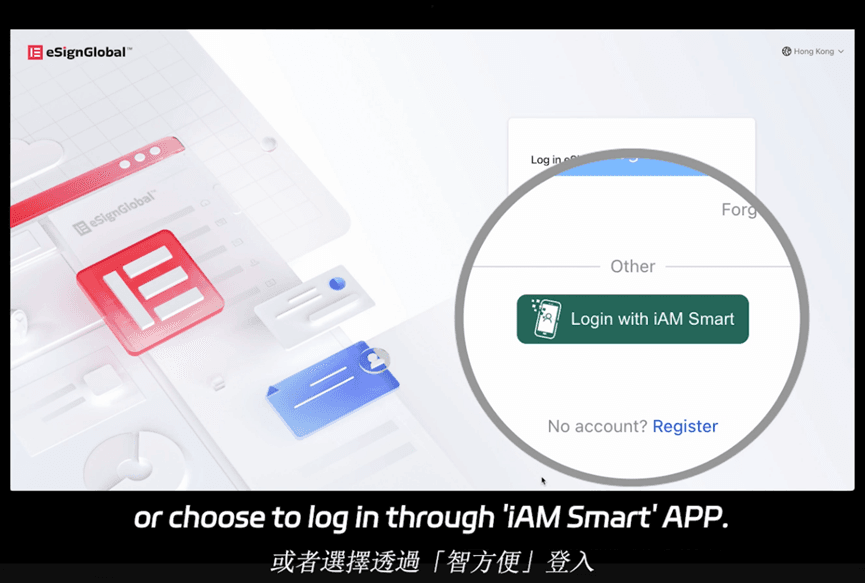
eSignGlobal stands out for its global compliance across 100 mainstream countries, with particular advantages in the Asia-Pacific region. Optimized for speed and local regulations, it addresses challenges like data residency in China and Hong Kong. Pricing is competitive—its Essential version costs just $16.60/month (view pricing details), allowing up to 100 documents for signature, unlimited user seats, and verification via access codes. This setup delivers high cost-performance ratios, especially when integrated with Hong Kong's iAM Smart or Singapore's Singpass for seamless authentication. For APAC businesses, these features minimize compliance overheads, offering savings over global giants.
Other Competitors: Niche Strengths
PandaDoc emphasizes sales proposals with analytics, ideal for revenue-focused teams at $19/month, though its global compliance lags. Dropbox Sign offers simplicity at $15/month, great for quick integrations but with envelope caps that limit high-volume savings.
Maximizing Savings Through Strategic Adoption
Implementing e-signatures requires assessing volume, user count, and regional needs. Start with a pilot to quantify ROI—track metrics like time saved per document and error reductions. Hybrid models, combining basic plans with add-ons, often yield the best savings without overcommitting.
In APAC, where digital transformation accelerates, tools aligned with local laws amplify benefits. Businesses eyeing DocuSign alternatives for regional compliance might consider eSignGlobal as a balanced, cost-effective option.
FAQs
