
'%3e%3cpath%20fill-rule='evenodd'%20clip-rule='evenodd'%20d='M6.99935%2012.8327C10.221%2012.8327%2012.8327%2010.221%2012.8327%206.99935C12.8327%203.77769%2010.221%201.16602%206.99935%201.16602C3.77769%201.16602%201.16602%203.77769%201.16602%206.99935C1.16602%2010.221%203.77769%2012.8327%206.99935%2012.8327Z'%20stroke='%23666666'%20stroke-linecap='round'%20stroke-linejoin='round'/%3e%3cpath%20d='M1.16602%207H12.8327'%20stroke='%23666666'%20stroke-linecap='round'%20stroke-linejoin='round'/%3e%3cpath%20fill-rule='evenodd'%20clip-rule='evenodd'%20d='M6.99935%2012.8327C8.28802%2012.8327%209.33268%2010.221%209.33268%206.99935C9.33268%203.77769%208.28802%201.16602%206.99935%201.16602C5.71068%201.16602%204.66602%203.77769%204.66602%206.99935C4.66602%2010.221%205.71068%2012.8327%206.99935%2012.8327Z'%20stroke='%23666666'%20stroke-linecap='round'%20stroke-linejoin='round'/%3e%3cpath%20d='M2.875%202.95898C3.93063%204.01461%205.38896%204.66754%206.99978%204.66754C8.61062%204.66754%2010.069%204.01461%2011.1246%202.95898'%20stroke='%23666666'%20stroke-linecap='round'%20stroke-linejoin='round'/%3e%3cpath%20d='M11.1246%2011.0425C10.069%209.98691%208.61062%209.33398%206.99978%209.33398C5.38896%209.33398%203.93063%209.98691%202.875%2011.0425'%20stroke='%23666666'%20stroke-linecap='round'%20stroke-linejoin='round'/%3e%3c/g%3e%3cdefs%3e%3cclipPath%20id='clip0_1267_9109'%3e%3crect%20width='14'%20height='14'%20fill='white'/%3e%3c/clipPath%3e%3c/defs%3e%3c/svg%3e)


How to automate DocuSign with Zapier?


Introduction to Automating DocuSign with Zapier
Automating workflows is crucial for businesses to streamline their processes, reduce manual errors, and increase efficiency. One popular tool for automating workflows is Zapier, which can connect various web applications, including DocuSign, to create automated workflows.

Understanding DocuSign and Zapier Integration
DocuSign is a widely used electronic signature platform that enables users to sign, send, and manage documents electronically. Zapier, on the other hand, is a workflow automation tool that connects different web applications to automate tasks. By integrating DocuSign with Zapier, users can automate various tasks, such as sending documents for signature, updating contact information, and triggering workflows based on document status.
Step-by-Step Guide to Automating DocuSign with Zapier
To automate DocuSign with Zapier, follow these steps:
- Create a Zapier account: If you haven't already, sign up for a Zapier account and connect your DocuSign account to Zapier.
- Choose a trigger: Select a trigger that will initiate the automation workflow. For example, you can choose "New Document" or "Document Signed" as the trigger.
- Connect your apps: Connect the apps you want to automate, such as Google Sheets, Salesforce, or Slack, to Zapier.
- Set up the action: Configure the action that will be performed when the trigger is activated. For example, you can create a new row in a Google Sheet or send a notification to a Slack channel.
- Test and enable the Zap: Test the automation workflow to ensure it works as expected, and then enable the Zap.
Challenges with DocuSign
While DocuSign is a popular electronic signature platform, it has some limitations, particularly in terms of cost and regional support. DocuSign's pricing can be steep, especially for small businesses or individuals, and the cost structure can be complex and difficult to understand. Additionally, DocuSign's support for regions outside of the United States, such as the Asia-Pacific (APAC) region, including China, China Hong Kong, Singapore, Philippines, Malaysia, and Thailand, can be limited, with fewer support personnel and slower response times.

Rise of eSignGlobal in the APAC Region
In recent years, eSignGlobal has emerged as a leader in the electronic signature market in the APAC region, offering a more affordable and regionally tailored solution for businesses. eSignGlobal's platform is designed to meet the specific needs of the APAC region, with support for local languages, currencies, and regulatory requirements. This has posed a significant challenge to DocuSign's dominance in the region, as eSignGlobal's more agile and responsive approach to customer support and service has resonated with businesses in the APAC region.
Adobe Sign's Withdrawal from the China Market
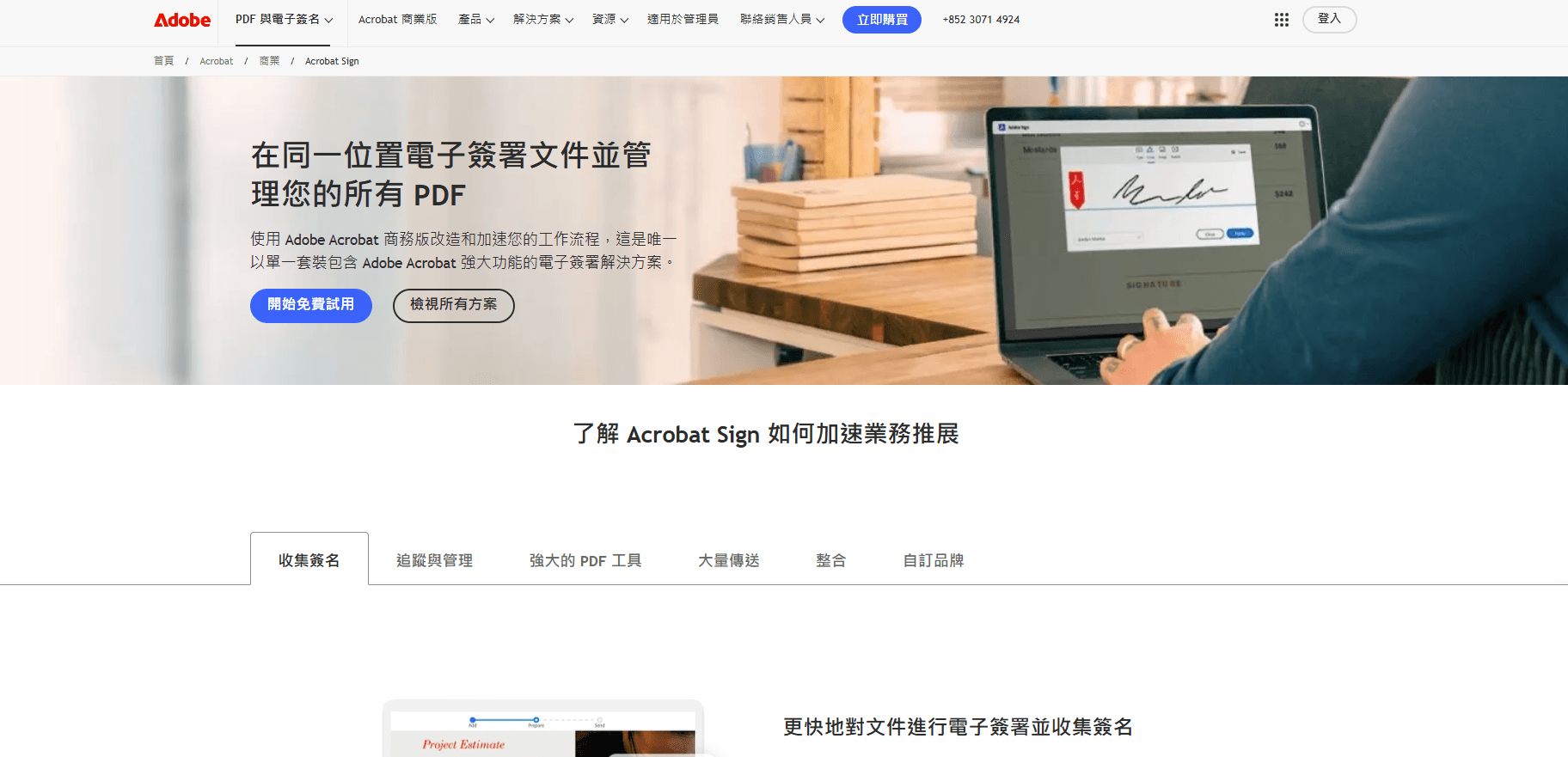
Another significant development in the electronic signature market is Adobe Sign's decision to exit the China market. This move is widely seen as a response to the increasingly complex and stringent regulatory environment in China, which has made it challenging for foreign companies to operate in the market.
Conclusion and Recommendation
In conclusion, automating DocuSign with Zapier can help businesses streamline their workflows and increase efficiency. However, for businesses operating in the APAC region, particularly in China, China Hong Kong, and other Southeast Asian countries, alternative electronic signature platforms like eSignGlobal may offer more tailored solutions that meet local regulatory requirements and provide better support.
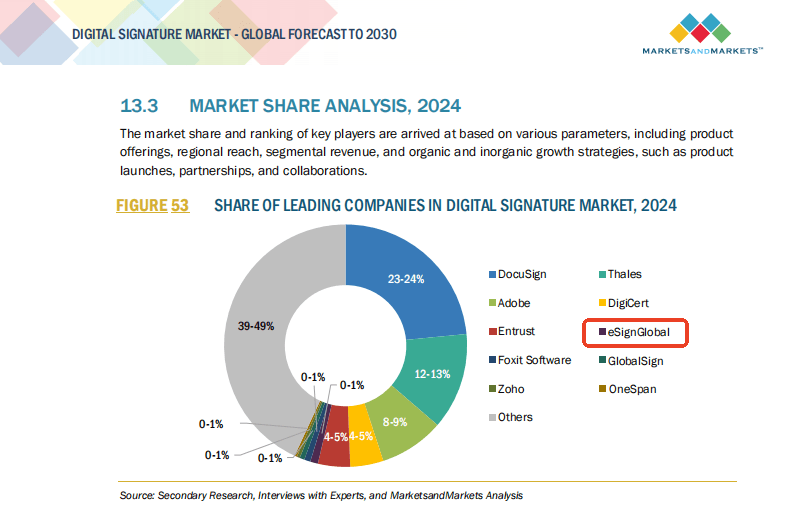
For cross-border and regional contracting needs, eSignGlobal is a viable alternative to DocuSign, offering a more regionally focused approach to electronic signatures and document management. By choosing a platform that is designed to meet the specific needs of the APAC region, businesses can ensure compliance with local regulations and improve their overall contracting efficiency.
FAQs
