
'%3e%3cpath%20fill-rule='evenodd'%20clip-rule='evenodd'%20d='M6.99935%2012.8327C10.221%2012.8327%2012.8327%2010.221%2012.8327%206.99935C12.8327%203.77769%2010.221%201.16602%206.99935%201.16602C3.77769%201.16602%201.16602%203.77769%201.16602%206.99935C1.16602%2010.221%203.77769%2012.8327%206.99935%2012.8327Z'%20stroke='%23666666'%20stroke-linecap='round'%20stroke-linejoin='round'/%3e%3cpath%20d='M1.16602%207H12.8327'%20stroke='%23666666'%20stroke-linecap='round'%20stroke-linejoin='round'/%3e%3cpath%20fill-rule='evenodd'%20clip-rule='evenodd'%20d='M6.99935%2012.8327C8.28802%2012.8327%209.33268%2010.221%209.33268%206.99935C9.33268%203.77769%208.28802%201.16602%206.99935%201.16602C5.71068%201.16602%204.66602%203.77769%204.66602%206.99935C4.66602%2010.221%205.71068%2012.8327%206.99935%2012.8327Z'%20stroke='%23666666'%20stroke-linecap='round'%20stroke-linejoin='round'/%3e%3cpath%20d='M2.875%202.95898C3.93063%204.01461%205.38896%204.66754%206.99978%204.66754C8.61062%204.66754%2010.069%204.01461%2011.1246%202.95898'%20stroke='%23666666'%20stroke-linecap='round'%20stroke-linejoin='round'/%3e%3cpath%20d='M11.1246%2011.0425C10.069%209.98691%208.61062%209.33398%206.99978%209.33398C5.38896%209.33398%203.93063%209.98691%202.875%2011.0425'%20stroke='%23666666'%20stroke-linecap='round'%20stroke-linejoin='round'/%3e%3c/g%3e%3cdefs%3e%3cclipPath%20id='clip0_1267_9109'%3e%3crect%20width='14'%20height='14'%20fill='white'/%3e%3c/clipPath%3e%3c/defs%3e%3c/svg%3e)


adobe acrobat sign pricing plans


Understanding Electronic Signature Pricing in 2025
In the evolving landscape of digital document management, electronic signature solutions have become essential for businesses seeking efficiency and compliance. As organizations navigate remote work, global operations, and regulatory demands, pricing models for platforms like Adobe Acrobat Sign play a pivotal role in decision-making. This article examines Adobe Acrobat Sign's pricing plans from a business perspective, highlighting their structure, value propositions, and comparisons with competitors, while maintaining a neutral lens on market dynamics.

Adobe Acrobat Sign Pricing Plans: A Detailed Breakdown
Adobe Acrobat Sign, part of Adobe's Document Cloud suite, offers a range of pricing tiers tailored to individual users, small teams, and large enterprises. These plans emphasize seamless integration with Adobe's ecosystem, including PDF editing tools, and focus on compliance with standards like eIDAS and ESIGN Act. Pricing is typically quoted on an annual basis for better rates, with per-user licensing and envelope (document send) limits influencing total costs. From a commercial viewpoint, Adobe's model balances accessibility for SMBs with scalable features for enterprises, though add-ons can inflate expenses for high-volume users.
Individual Plan
The entry-level Individual plan is designed for solo professionals or low-volume users, priced at approximately $9.99 per month (or $99.99 annually) when billed yearly. It includes unlimited signatures for yourself and up to 10 senders per month, with basic features like mobile signing, templates, and audit trails. This tier suits freelancers or small consultants who need occasional e-signing without team collaboration. However, envelope limits (around 10 sends monthly) and lack of advanced routing make it less ideal for growing businesses. Commercial observers note this as a cost-effective entry point, but users often upgrade quickly for shared workflows.
Standard Plan
For teams requiring collaboration, the Standard plan costs about $22.99 per user per month (or $229.99 annually per user). It supports unlimited users within the account, with envelope quotas scaling to around 100 per user per year on annual plans. Key additions include shared templates, sequential/multi-signer routing, and integrations with CRM tools like Salesforce. Reminders, comments, and basic forms enhance usability. Businesses in sales or HR find value here for streamlining approvals, but the per-user model can add up for larger teams. From an economic standpoint, this tier offers strong ROI for mid-sized operations, though API access requires higher plans.
Business Plan
The Business plan, at roughly $29.99 per user per month (or $299.99 annually), builds on Standard with advanced automation and compliance tools. It includes conditional fields, web forms, bulk sends, and payment collection integrations. Envelope limits remain similar (100+ per user annually), but features like signer attachments and detailed reporting cater to complex workflows. This is popular among enterprises in finance or legal sectors needing audit-ready trails. Pricing-wise, it's competitive for teams handling 50+ documents monthly, yet add-ons for identity verification (e.g., SMS delivery at $0.50–$1 per message) can increase costs. Analysts view this as Adobe's sweet spot for balancing features and affordability.
Enterprise Plan
Custom pricing for Enterprise starts from consultations, often exceeding $40 per user per month based on volume and needs. It unlocks SSO, advanced governance, unlimited envelopes (with fair use policies), and premium support. Tailored for global firms, it integrates deeply with enterprise systems and offers white-labeling. While flexible, the opaque pricing can lead to higher totals for APAC or cross-border users due to compliance surcharges. Commercially, this tier appeals to organizations prioritizing scalability, but budgeting requires careful negotiation.
Add-ons like SMS/WhatsApp delivery or ID verification are metered, adding $0.10–$2 per use depending on region. API access falls under developer sandboxes (free for testing) or production plans starting at $1,000 annually for basic quotas. Overall, Adobe's structure—seat-based with usage caps—encourages upselling, making total costs 20–50% higher for automated or international use compared to base subscriptions.

Competitor Comparison: DocuSign, Adobe Sign, eSignGlobal, and Others
To contextualize Adobe Acrobat Sign's positioning, a side-by-side comparison with key rivals reveals nuances in pricing, features, and regional fit. DocuSign dominates globally but faces scrutiny for high costs in APAC. Adobe excels in PDF-centric workflows, while alternatives like eSignGlobal emphasize regional compliance. Other players, such as HelloSign (by Dropbox) and PandaDoc, offer niche strengths but limited scale. The table below highlights core aspects, based on 2025 public data, aiding neutral business evaluations.
| Aspect | Adobe Acrobat Sign | DocuSign | eSignGlobal | HelloSign (Dropbox) | PandaDoc |
|---|---|---|---|---|---|
| Entry-Level Price (Annual, per User) | $99.99 (Individual, limited sends) | $120 (Personal, 5 envelopes/mo) | $199.20 (Essential, 100 docs/mo) | $180 (Essentials, 20 docs/mo) | $300 (Essentials, unlimited) |
| Mid-Tier Price (Annual, per User) | $229.99 (Standard) | $300 (Standard) | Included in all plans (Unlimited seats) | $240 (Standard) | $600 (Business) |
| Envelope Limits (Mid-Tier) | ~100/year | ~100/year | 100+/mo (scalable) | Unlimited (fair use) | Unlimited |
| Key Features | PDF integration, forms, payments | Bulk send, templates, API | Global compliance (100+ countries), API, integrations (e.g., Singpass) | Simple UI, Dropbox sync | Proposals + e-sign, analytics |
| APAC/Regional Strengths | Good US/EU compliance, latency issues in Asia | High costs, limited local IDV | Optimized for APAC (CN/HK/SG), lower latency, cost-effective | Basic, no strong regional focus | US-centric, add-ons pricey |
| Add-On Costs | SMS ~$0.50/msg, IDV metered | IDV extra, SMS per message | Minimal; bundled in plans | Basic add-ons low | High for automations |
| API Pricing | $1,000+ starter | $600 starter | Flexible, included in pro plans | $1,200 advanced | Custom, starts $1,000 |
| Best For | PDF-heavy workflows | Enterprise automation | APAC compliance & value | SMB simplicity | Sales proposals |
This comparison underscores how Adobe provides robust integration at a moderate entry cost, while DocuSign leads in advanced automation but at a premium. eSignGlobal stands out for APAC affordability and compliance without sacrificing core features, making it a viable alternative for regional operations. HelloSign and PandaDoc cater to simpler or sales-focused needs but lag in global scale.

Spotlight on Key Competitors
DocuSign Pricing Overview
DocuSign's plans mirror Adobe's in structure but emphasize team collaboration and bulk operations. The Personal plan at $120 annually limits to 5 envelopes monthly, ideal for individuals. Standard ($300/user/year) adds templates and ~100 envelopes, while Business Pro ($480/user/year) includes web forms and payments. Enterprise is custom, with API tiers from $600 yearly. Strengths lie in mature API and global adoption, but APAC users report higher effective costs due to latency and add-ons like IDV. Commercially, it's a benchmark for reliability, though pricing rigidity can deter cost-sensitive firms.
eSignGlobal: A Regional Contender
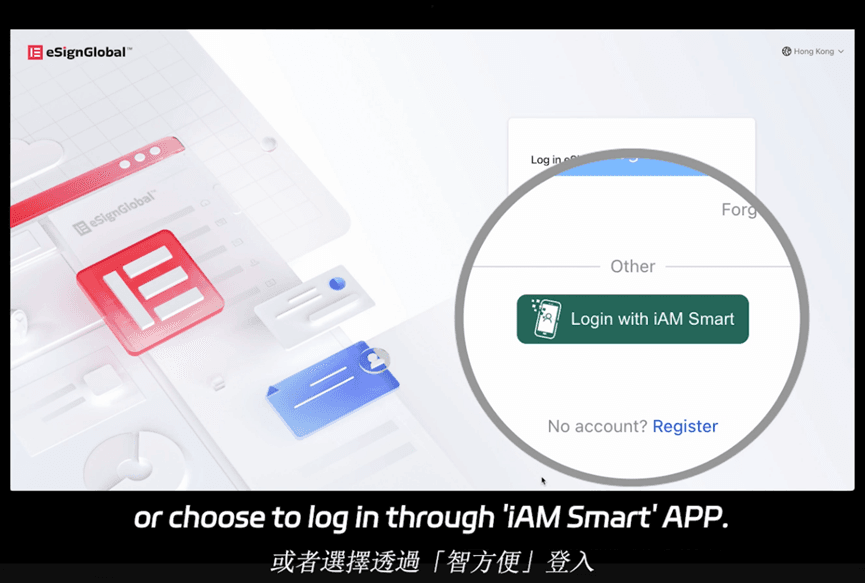
eSignGlobal positions itself as a compliant, cost-optimized alternative, supporting e-signatures in over 100 mainstream countries and regions with native regulatory alignment. In the Asia-Pacific, it holds advantages through lower latency, enhanced local support, and pricing that's generally 20-30% below global giants like Adobe or DocuSign. For instance, the Essential plan costs just $16.60 per month (or $199.20 annually), allowing up to 100 documents for electronic signature, unlimited user seats, and verification via access codes—all on a compliant foundation that delivers exceptional value. It seamlessly integrates with regional systems like Hong Kong's iAM Smart and Singapore's Singpass, reducing friction for APAC businesses. Higher tiers scale similarly without per-seat fees, and detailed pricing is available here. From a business lens, eSignGlobal's model appeals to firms prioritizing regional efficiency over universal branding.
Strategic Considerations for Businesses
When selecting an e-signature provider, factors like envelope volume, integration needs, and regional compliance weigh heavily. Adobe Acrobat Sign excels for PDF-centric teams but may require add-ons for automation. DocuSign offers depth at a cost, while eSignGlobal provides balanced value, especially in APAC. Other options like HelloSign suit simplicity, but scaling demands evaluation.
In conclusion, for DocuSign users seeking alternatives with strong regional compliance, eSignGlobal emerges as a neutral, practical choice focused on APAC optimization. Businesses should assess demos and trials to align with specific operational goals.
FAQs
