
'%3e%3cpath%20fill-rule='evenodd'%20clip-rule='evenodd'%20d='M6.99935%2012.8327C10.221%2012.8327%2012.8327%2010.221%2012.8327%206.99935C12.8327%203.77769%2010.221%201.16602%206.99935%201.16602C3.77769%201.16602%201.16602%203.77769%201.16602%206.99935C1.16602%2010.221%203.77769%2012.8327%206.99935%2012.8327Z'%20stroke='%23666666'%20stroke-linecap='round'%20stroke-linejoin='round'/%3e%3cpath%20d='M1.16602%207H12.8327'%20stroke='%23666666'%20stroke-linecap='round'%20stroke-linejoin='round'/%3e%3cpath%20fill-rule='evenodd'%20clip-rule='evenodd'%20d='M6.99935%2012.8327C8.28802%2012.8327%209.33268%2010.221%209.33268%206.99935C9.33268%203.77769%208.28802%201.16602%206.99935%201.16602C5.71068%201.16602%204.66602%203.77769%204.66602%206.99935C4.66602%2010.221%205.71068%2012.8327%206.99935%2012.8327Z'%20stroke='%23666666'%20stroke-linecap='round'%20stroke-linejoin='round'/%3e%3cpath%20d='M2.875%202.95898C3.93063%204.01461%205.38896%204.66754%206.99978%204.66754C8.61062%204.66754%2010.069%204.01461%2011.1246%202.95898'%20stroke='%23666666'%20stroke-linecap='round'%20stroke-linejoin='round'/%3e%3cpath%20d='M11.1246%2011.0425C10.069%209.98691%208.61062%209.33398%206.99978%209.33398C5.38896%209.33398%203.93063%209.98691%202.875%2011.0425'%20stroke='%23666666'%20stroke-linecap='round'%20stroke-linejoin='round'/%3e%3c/g%3e%3cdefs%3e%3cclipPath%20id='clip0_1267_9109'%3e%3crect%20width='14'%20height='14'%20fill='white'/%3e%3c/clipPath%3e%3c/defs%3e%3c/svg%3e)


Top 10 Must-Have Skills for Office Automation


Top 10 Must-Have Skills for Office Automation
Office automation has transformed how teams handle repetitive tasks, boosting efficiency and reducing errors in modern workplaces. By integrating AI and scripting tools, professionals can streamline workflows from document handling to communication. Mastering key skills in this area ensures smoother operations and more time for strategic work.
Document Auto-Formatting
Document auto-formatting tools automatically standardize fonts, margins, and heading styles in Word or PDF files, ensuring consistency across reports and presentations. This skill uses macros or AI-driven software to detect inconsistencies and apply predefined templates, cutting manual adjustments by up to 80%. In practice, it saves hours during collaborative projects, allowing teams to focus on content rather than aesthetics.
Meeting Scheduler & Smart Notes
Meeting schedulers scan team calendars to identify common free slots, send automated invites via Outlook or Google Workspace, and even suggest agendas based on prior discussions. AI-powered smart notes transcribe audio in real-time, highlight key points, and generate minutes with actionable items assigned to participants. This setup minimizes scheduling conflicts and follow-up emails, keeping projects on track with minimal human intervention.
Email Categorization & Auto-Reply
Email categorization systems use machine learning to sort incoming messages by priority, sender, or topic—flagging urgent items like client queries while archiving newsletters. Auto-reply features draft context-aware responses for routine inquiries, such as confirming receipt or providing standard info, and can escalate complex issues to the right team member. Implementing this reduces inbox overload, with users reporting up to 50% less time spent on email management daily.
Data Entry Bot
Data entry bots employ optical character recognition (OCR) to scan invoices, receipts, or forms, extracting details like dates, amounts, and vendor names without manual input. The extracted data populates spreadsheets, databases, or CRM systems like Salesforce automatically, reducing errors from typing. For finance teams, this means faster processing of high-volume documents, enabling quicker approvals and audits.
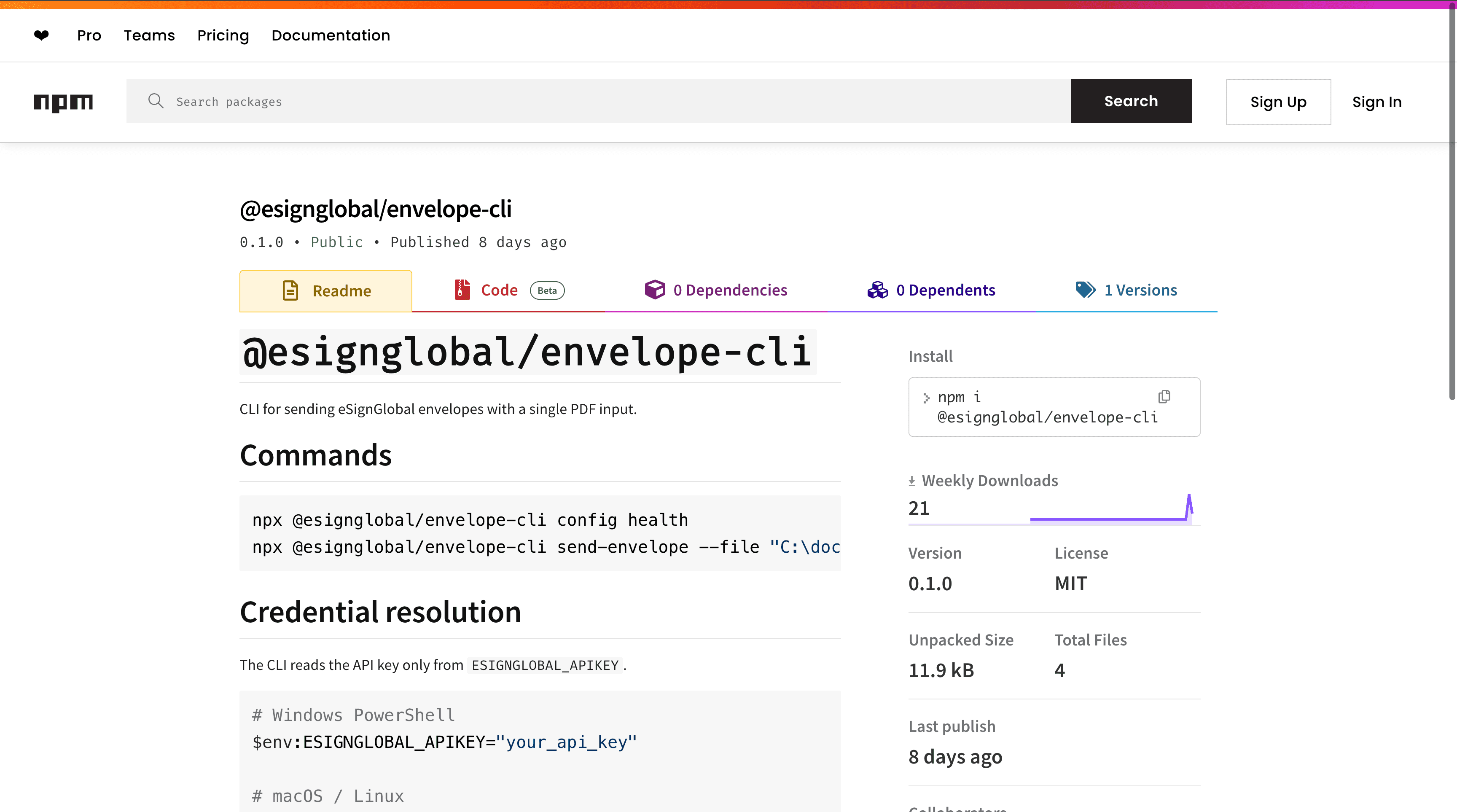
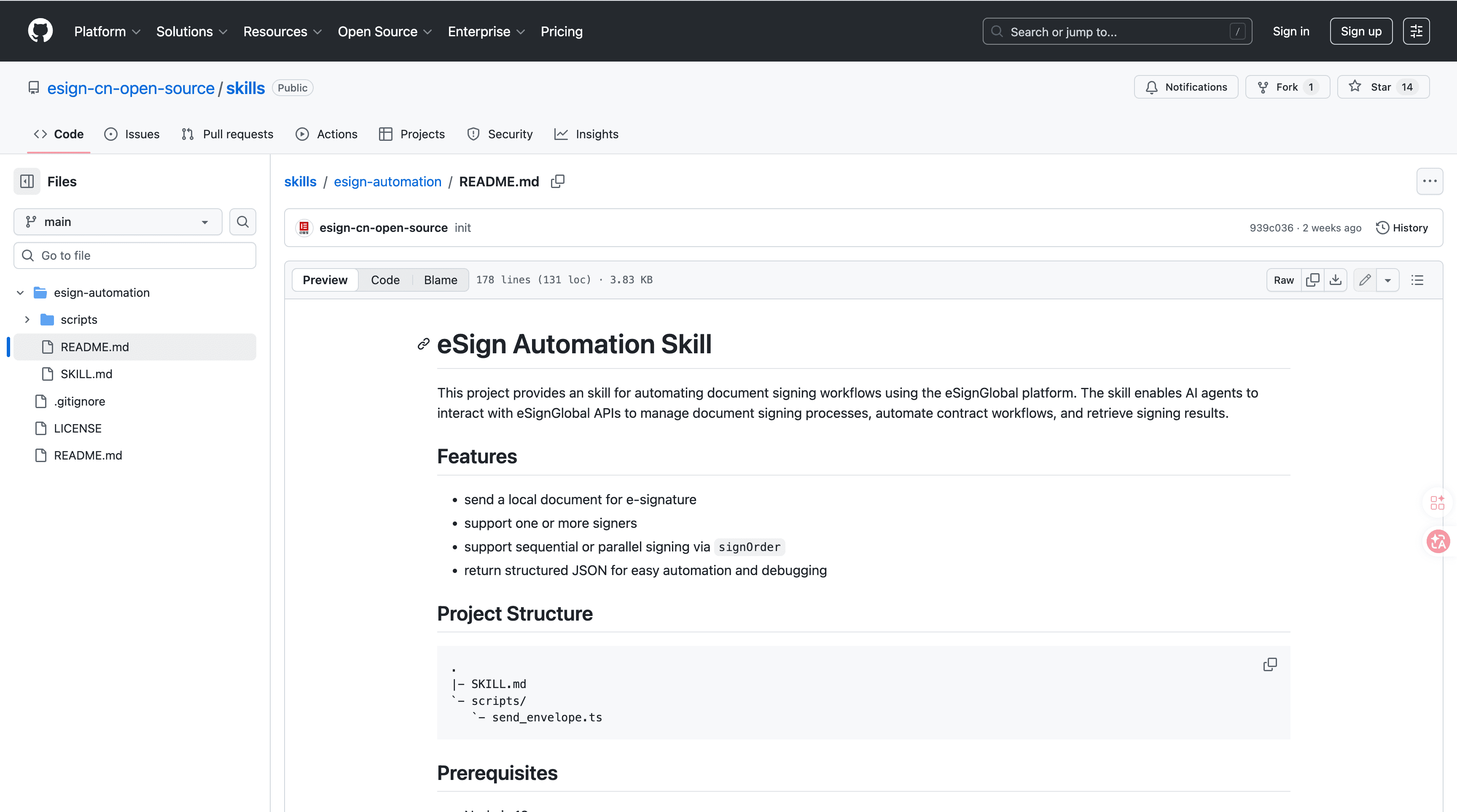
eSignGlobal's esign-automation
This skill empowers OpenClaw AI agents to handle complete e-signature workflows with enterprise-grade security.
Technical Architecture:
- Built on a robust Node.js backend that outputs strictly structured JSON strings – eliminating "parsing loops" common with traditional e-sign APIs.
- Uses intuitive data-passing aligned with standard Skills: LLMs can directly identify signing success, extract fileKey paths, and trigger retries based on detailed failure logs.
- Supports flexible signing order orchestration via
signOrderattribute: single-party, sequential (hierarchical approval), or parallel (large-scale multi-party) – all in one API call.
Integration Steps with OpenClaw:
- Install: Search 'esign-automation' on ClawHub or GitHub, install with one command.
- Configure API Key: Obtain a free API key from eSignGlobal platform, set it in OpenClaw's secure configuration. Keep confidential.
- Natural Language Initiation: Instruct OpenClaw like: "Send sales_contract.pdf to john@example.com and mary@example.com; sequential signing order."
- Retrieve Results: The skill auto-syncs signed documents and statuses. No manual polling required.
Security & Compliance:
- Follows MIIT/CNCERT recommendations on OpenClaw key management: isolate API keys, avoid public/shared devices, regularly audit usage logs.
- Supports 100+ countries with APAC-native compliance: Hong Kong IAM Smart, Singapore Singpass, and government-level digital identity (G2B) hardware/API docking – higher security bar than Western email-based verification.
- eSignGlobal advises encrypting stored keys and running OpenClaw in dedicated environments with professional IT oversight.
- Free tier available: base plan users get full access with free credits. Start instantly with zero upfront cost.
This skill cuts cross-regional collaboration cycles from days to hours while maintaining legal admissibility. Overall, it provides a reliable foundation for automating secure document approvals in global teams.
Contract Auto-Renewal Tracker
Contract auto-renewal trackers monitor databases or file systems for expiration dates on agreements, sending timed alerts via email or Slack to stakeholders. They can initiate renewal workflows, such as drafting updated terms or routing for approvals, based on predefined rules. This prevents lapses in vendor relationships and ensures compliance, with automated reminders reducing oversight risks in busy legal or procurement teams.
Expense Report OCR
Expense report OCR tools allow users to photograph receipts, automatically pulling out details like transaction dates, amounts, vendors, and categories using image recognition. The system categorizes expenses against company policies and integrates with tools like Expensify to submit reports directly to finance portals. This eliminates manual data entry, speeds up reimbursements, and minimizes discrepancies during audits.
HR Onboarding Automation
HR onboarding automation creates new employee profiles in systems like Workday, assigns mandatory training via LMS platforms, and schedules orientation meetings through calendar integrations. It also automates welcome emails with access credentials and digital paperwork distribution. By handling these steps sequentially, it shortens the ramp-up time for hires and frees HR staff for higher-value tasks like talent development.
Social Media Scheduler
Social media schedulers enable planning content across platforms like LinkedIn, Twitter, and Facebook, with AI generating tailored captions from keywords or trends. They analyze audience data to determine optimal posting times, ensuring maximum engagement without constant monitoring. For marketing teams, this maintains a consistent online presence while allowing focus on creative strategy.
Backup & Sync Manager
Backup and sync managers monitor designated folders for changes, automatically compressing new or updated files and uploading them to cloud services like Google Drive, OneDrive, or AWS S3. They maintain version histories to track revisions and enable quick restores in case of data loss. This skill safeguards critical office files, supports remote work, and complies with data retention policies effortlessly.
FAQs
