
'%3e%3cpath%20fill-rule='evenodd'%20clip-rule='evenodd'%20d='M6.99935%2012.8327C10.221%2012.8327%2012.8327%2010.221%2012.8327%206.99935C12.8327%203.77769%2010.221%201.16602%206.99935%201.16602C3.77769%201.16602%201.16602%203.77769%201.16602%206.99935C1.16602%2010.221%203.77769%2012.8327%206.99935%2012.8327Z'%20stroke='%23666666'%20stroke-linecap='round'%20stroke-linejoin='round'/%3e%3cpath%20d='M1.16602%207H12.8327'%20stroke='%23666666'%20stroke-linecap='round'%20stroke-linejoin='round'/%3e%3cpath%20fill-rule='evenodd'%20clip-rule='evenodd'%20d='M6.99935%2012.8327C8.28802%2012.8327%209.33268%2010.221%209.33268%206.99935C9.33268%203.77769%208.28802%201.16602%206.99935%201.16602C5.71068%201.16602%204.66602%203.77769%204.66602%206.99935C4.66602%2010.221%205.71068%2012.8327%206.99935%2012.8327Z'%20stroke='%23666666'%20stroke-linecap='round'%20stroke-linejoin='round'/%3e%3cpath%20d='M2.875%202.95898C3.93063%204.01461%205.38896%204.66754%206.99978%204.66754C8.61062%204.66754%2010.069%204.01461%2011.1246%202.95898'%20stroke='%23666666'%20stroke-linecap='round'%20stroke-linejoin='round'/%3e%3cpath%20d='M11.1246%2011.0425C10.069%209.98691%208.61062%209.33398%206.99978%209.33398C5.38896%209.33398%203.93063%209.98691%202.875%2011.0425'%20stroke='%23666666'%20stroke-linecap='round'%20stroke-linejoin='round'/%3e%3c/g%3e%3cdefs%3e%3cclipPath%20id='clip0_1267_9109'%3e%3crect%20width='14'%20height='14'%20fill='white'/%3e%3c/clipPath%3e%3c/defs%3e%3c/svg%3e)


Chi phí ẩn của DocuSign


Giới thiệu về nền tảng chữ ký điện tử
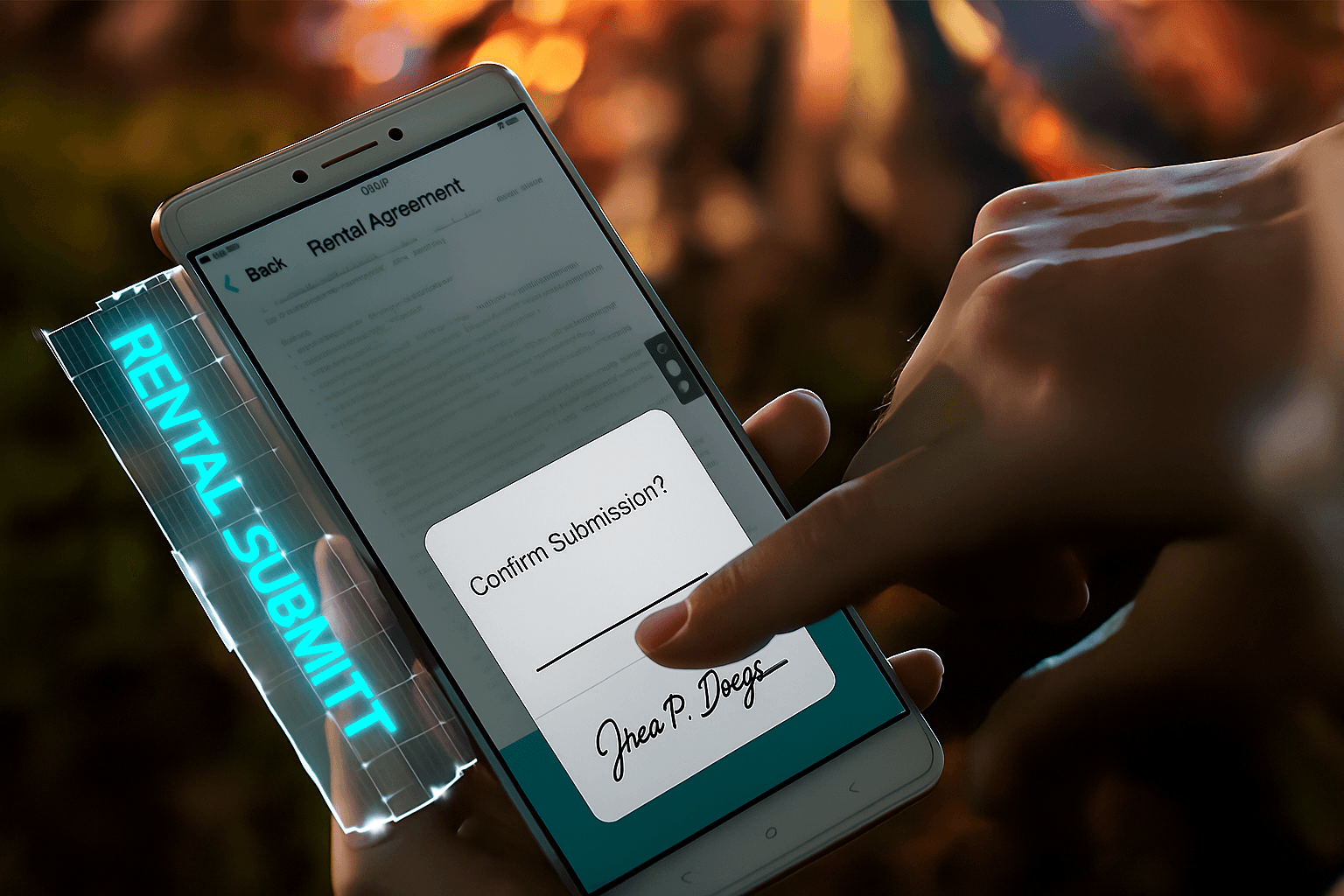
Trong kỷ nguyên số, giải pháp chữ ký điện tử đã trở thành công cụ thiết yếu để các doanh nghiệp đơn giản hóa hợp đồng, phê duyệt và quy trình làm việc. Các nền tảng như DocuSign dẫn đầu thị trường, mang lại sự tiện lợi và tuân thủ, nhưng khi quy mô công ty mở rộng, chi phí thực tế thường vượt quá mức giá cơ bản. Từ góc độ kinh doanh, việc hiểu các nền tảng này không chỉ liên quan đến chi phí ban đầu mà còn bao gồm khả năng mở rộng, khả năng thích ứng khu vực và giá trị lâu dài. Bài viết này khám phá những sắc thái trong mô hình định giá của DocuSign, làm nổi bật các chi phí ẩn tiềm ẩn và cung cấp so sánh cân bằng với các đối thủ cạnh tranh chính.
Vạch trần chi phí ẩn của DocuSign
Mặc dù gói chữ ký điện tử cốt lõi của DocuSign có vẻ đơn giản và dễ hiểu, nhưng một số lớp chi phí có thể tích lũy, đặc biệt đối với các doanh nghiệp đang phát triển hoặc hoạt động quốc tế. Những yếu tố "ẩn" này thường bắt nguồn từ phí dựa trên mức sử dụng, giới hạn tính năng và nhu cầu tuân thủ khu vực, có thể làm tăng ngân sách từ 20-50%, vượt quá ước tính ban đầu.
Các cấp đăng ký và giới hạn phong bì
Định giá của DocuSign bắt đầu với gói Personal, giá 10 đô la mỗi tháng (120 đô la mỗi năm), dành cho một người dùng, tối đa 5 phong bì mỗi tháng - phù hợp với người làm nghề tự do, nhưng nhanh chóng trở nên không đủ cho các nhóm. Gói Standard tăng lên 25 đô la mỗi người dùng mỗi tháng (300 đô la mỗi năm), hỗ trợ cộng tác nhóm, mẫu và khoảng 100 phong bì cho mỗi người dùng theo chu kỳ thanh toán hàng năm. Gói Business Pro có giá 40 đô la mỗi người dùng mỗi tháng (480 đô la mỗi năm), bổ sung các công cụ nâng cao như biểu mẫu web, logic có điều kiện và gửi hàng loạt, nhưng vẫn duy trì hạn ngạch phong bì tương tự.
Tuy nhiên, những hạn chế này có thể tạo ra chi phí ẩn. Phong bì - cách DocuSign gọi các yêu cầu chữ ký - có thể cạn kiệt nhanh hơn dự kiến nếu quy trình làm việc liên quan đến nhiều người ký hoặc sửa đổi. Vượt quá hạn ngạch sẽ phát sinh phí vượt mức, thường là 1-2 đô la cho mỗi phong bì bổ sung, điều này có thể khiến người dùng ngạc nhiên trong mùa cao điểm (như hợp đồng cuối năm). Đối với các nhóm, việc mở rộng sang nhiều người dùng sẽ làm tăng theo cấp số nhân phí cấp phép dựa trên chỗ ngồi, trong khi giới hạn về gửi tự động (ví dụ: khoảng 10 mỗi người dùng mỗi tháng) sẽ hạn chế hiệu quả, trừ khi nâng cấp. Các doanh nghiệp báo cáo rằng đăng ký ban đầu có thể dự đoán được sẽ phát triển thành chi tiêu biến đổi khi khối lượng giao dịch tăng lên.
Tính năng bổ sung và sử dụng đo lường
Các gói cơ bản của DocuSign loại trừ một số tính năng nâng cao, biến chúng thành nguồn doanh thu thông qua các tính năng bổ sung. Xác thực danh tính (IDV), rất quan trọng đối với các ngành có rủi ro cao như tài chính hoặc y tế, được đo lường dựa trên số lần xác minh - thường là 1-5 đô la tùy thuộc vào loại kiểm tra (như sinh trắc học hoặc quét tài liệu). Giao hàng qua SMS hoặc WhatsApp tăng cường sự tham gia của người ký, nhưng sẽ tăng thêm phí cho mỗi tin nhắn, chịu ảnh hưởng của giá cước viễn thông, có thể lên tới 0,10-0,50 đô la tùy thuộc vào khu vực.
Những tính năng bổ sung này không phải là tùy chọn đối với các hoạt động tuân thủ chuyên sâu. Ví dụ: thu thập thanh toán trong quá trình ký hoặc yêu cầu người ký đính kèm thuộc phạm vi Business Pro, nhưng vẫn cần tích hợp, có thể gây ra thêm chi phí. Việc sử dụng thường xuyên các tính năng này theo thời gian - ví dụ: để giới thiệu khách hàng - có thể làm tăng gấp đôi chi phí hiệu quả, vì các doanh nghiệp bỏ qua sự thay đổi từ định giá cố định sang định giá dựa trên mức sử dụng.
API và chi phí nhà phát triển
Đối với các công ty công nghệ tích hợp chữ ký điện tử vào các ứng dụng tùy chỉnh, gói API dành cho nhà phát triển của DocuSign giới thiệu một lớp chi phí khác. Cấp Starter có giá 600 đô la mỗi năm, khoảng 40 phong bì mỗi tháng, phù hợp cho các tích hợp nhỏ và cung cấp quyền truy cập OAuth cơ bản. Các gói trung cấp (3600 đô la mỗi năm) và cao cấp (5760 đô la mỗi năm) mở rộng lên 100 phong bì và bao gồm các tính năng như API gửi hàng loạt hoặc webhook, nhưng cấp doanh nghiệp yêu cầu báo giá tùy chỉnh.
Điểm ẩn ở đây là thực thi hạn ngạch: ngay cả các cấp cao hơn "không giới hạn" cũng sẽ giới hạn gửi tự động, sau đó hoạt động sẽ bị tạm dừng cho đến khi thanh toán. Các công cụ giám sát API rất hữu ích, nhưng phân tích hoặc hỗ trợ nâng cao sẽ tăng thêm chi phí. Các nhà phát triển thường thấy rằng việc mở rộng tích hợp - phổ biến trong cài đặt SaaS hoặc CRM - sẽ đẩy chi phí lên cao hơn dự kiến, đặc biệt là với phí phụ trội truyền dữ liệu khu vực.
Thách thức khu vực, đặc biệt là ở khu vực Châu Á Thái Bình Dương
Hoạt động bên ngoài Hoa Kỳ sẽ khuếch đại chi phí của DocuSign, do các yếu tố xuyên biên giới. Ở khu vực Châu Á Thái Bình Dương (APAC), bao gồm Trung Quốc và Đông Nam Á, độ trễ từ các máy chủ của Hoa Kỳ có thể làm chậm quá trình tải tài liệu, thúc đẩy nhu cầu về các tính năng bổ sung bản địa hóa. Tuân thủ luật pháp địa phương, chẳng hạn như Luật Chữ ký Điện tử của Trung Quốc (năm 2005, nhấn mạnh chủ quyền dữ liệu và dấu thời gian đủ điều kiện) hoặc Luật Giao dịch Điện tử của Singapore (phù hợp với tiêu chuẩn UNCITRAL, đảm bảo khả năng thực thi pháp lý), đòi hỏi các công cụ quản trị nâng cao, chẳng hạn như SSO hoặc kiểm toán nâng cao - đây là các tính năng của gói cấp doanh nghiệp, nhưng không có giá công khai.
Người dùng APAC phải đối mặt với chi phí hỗ trợ cao hơn, các phương pháp IDV hạn chế (ví dụ: ít tùy chọn sinh trắc học hơn phù hợp với luật bảo mật khu vực, chẳng hạn như PDPO của Hồng Kông) và phí phụ trội lưu trữ dữ liệu tiềm năng. Gửi hàng loạt hoặc gọi API có thể phát sinh thêm chi phí do chứng nhận tuân thủ, khiến chi phí hiệu quả của DocuSign ở các thị trường này cao hơn 20-30% so với hoạt động của Hoa Kỳ.
Chi phí tuân thủ và hỗ trợ
Ngoài các tính năng, việc DocuSign nhấn mạnh vào tuân thủ cấp doanh nghiệp (như GDPR, HIPAA) là con dao hai lưỡi. Mặc dù mạnh mẽ, nhưng việc đạt được sự phù hợp hoàn toàn thường đòi hỏi cấu hình tùy chỉnh, hỗ trợ nâng cao (7x24 giờ cho các gói nâng cao) hoặc kiểm toán của bên thứ ba - những chi phí này không được liệt kê trước. Đối với các công ty toàn cầu, sự khác biệt trong quy định về chữ ký điện tử giữa các khu vực pháp lý khác nhau (chẳng hạn như eIDAS của EU cho chữ ký đủ điều kiện) có thể yêu cầu các tính năng bổ sung, biến đăng ký tiêu chuẩn thành một giải pháp tùy chỉnh, đắt tiền hơn.
Tóm lại, những chi phí ẩn này - vượt quá phong bì, bổ sung đo lường, giới hạn API, rào cản khu vực và điều chỉnh tuân thủ - có thể biến DocuSign từ một công cụ hiệu quả về chi phí thành gánh nặng ngân sách cho các doanh nghiệp mở rộng hoặc quốc tế.

So sánh DocuSign với các đối thủ cạnh tranh
Để giảm thiểu những chi phí ẩn này, các doanh nghiệp thường so sánh DocuSign với các lựa chọn thay thế như Adobe Sign, HelloSign và eSignGlobal. Mỗi loại đều cung cấp tính minh bạch về giá cả, khả năng thích ứng khu vực và các lợi thế độc đáo về tính năng, cho phép lựa chọn phù hợp hơn.
Tổng quan về Adobe Sign
Adobe Sign, tích hợp với hệ sinh thái Adobe (như Acrobat), cung cấp các tính năng chữ ký điện tử mạnh mẽ tương tự như DocuSign, với các gói bắt đầu từ 10 đô la mỗi người dùng mỗi tháng cho phiên bản cá nhân, mở rộng đến 40 đô la mỗi người dùng mỗi tháng cho phiên bản doanh nghiệp, bao gồm tự động hóa quy trình làm việc và truy cập API. Nó vượt trội trong quản lý tài liệu và tuân thủ (như eIDAS, UETA), nhưng chi phí ẩn tương tự như DocuSign: sử dụng API đo lường, bổ sung xác thực SMS (hơn 0,50 đô la cho mỗi lần giao hàng) và giới hạn phong bì (50-100 mỗi tháng cơ bản). Đối với APAC, cơ sở hạ tầng toàn cầu của Adobe rất hữu ích, nhưng tuân thủ tùy chỉnh ở Trung Quốc hoặc Ấn Độ sẽ tăng thêm chi phí. Nhìn chung, đây là một đối thủ cạnh tranh mạnh mẽ cho người dùng Adobe, nhưng có thể tích lũy thêm phí trong các tình huống khối lượng giao dịch cao.

Tổng quan về HelloSign (do Dropbox cung cấp)
HelloSign, hiện là một phần của Dropbox, tập trung vào sự đơn giản, với giá từ 15 đô la mỗi người dùng mỗi tháng cho phiên bản Essentials đến 25 đô la mỗi người dùng mỗi tháng cho phiên bản Premium, bao gồm phong bì không giới hạn ở các cấp cao hơn - đây là sự khác biệt quan trọng so với giới hạn của DocuSign. Nó hỗ trợ mẫu, nhắc nhở và API cơ bản, mà không liên quan đến đo lường lớn, khiến nó hiệu quả về chi phí cho các doanh nghiệp vừa và nhỏ. Tuy nhiên, các tính năng nâng cao như gửi hàng loạt hoặc IDV cần nâng cấp, tuân thủ quốc tế (như lưu trữ dữ liệu APAC) có thể yêu cầu các tính năng bổ sung. Chi phí ẩn tổng thể thấp hơn, nhưng giới hạn tích hợp với các công cụ không phải Dropbox có thể làm tăng chi phí gián tiếp.
Tổng quan về eSignGlobal
eSignGlobal định vị mình là một lựa chọn thay thế tuân thủ, được tối ưu hóa theo khu vực, hỗ trợ chữ ký điện tử ở hơn 100 quốc gia chính và tuân thủ nguyên bản luật pháp địa phương, chẳng hạn như Đạo luật ESIGN của Hoa Kỳ, eIDAS của EU và các quy định của APAC như Luật Chữ ký Điện tử của Trung Quốc. Ở khu vực Châu Á Thái Bình Dương, nó mang lại lợi thế thông qua các máy chủ cục bộ nhanh hơn, giảm các vấn đề về độ trễ thường thấy ở các nền tảng tập trung vào Hoa Kỳ. Định giá minh bạch và phải chăng hơn; để biết chi tiết, hãy truy cập trang định giá của họ. Phiên bản Essential chỉ có giá 16,6 đô la mỗi tháng, cho phép gửi tối đa 100 tài liệu chữ ký điện tử, số lượng chỗ ngồi người dùng không giới hạn và xác minh bằng mã truy cập - cung cấp tuân thủ giá trị cao mà không có giới hạn phong bì. Nó tích hợp liền mạch với các hệ thống khu vực, chẳng hạn như iAM Smart của Hồng Kông và Singpass của Singapore, nâng cao khả năng sử dụng ở khu vực Châu Á Thái Bình Dương, đồng thời duy trì các tiêu chuẩn toàn cầu. Sự kết hợp giữa tuân thủ, hiệu quả chi phí và khả năng mở rộng này khiến nó trở nên hấp dẫn đối với các hoạt động xuyên biên giới.

| Tính năng/Khía cạnh | DocuSign | Adobe Sign | HelloSign | eSignGlobal |
|---|---|---|---|---|
| Định giá cơ bản (mỗi người dùng/tháng, hàng năm) | $10-$40 | $10-$40 | $15-$25 | $16.6 (Essential) |
| Giới hạn phong bì | 5-100/tháng (phân tầng) | 50-100/tháng (cơ bản) | Không giới hạn (Premium) | Tối đa 100 (Essential, có thể mở rộng) |
| Chi phí API | $600-$5,760/năm (gói độc lập) | Đo lường, bắt đầu từ khoảng $10k/năm cho phiên bản doanh nghiệp | Cơ bản bao gồm, nâng cao bổ sung | Linh hoạt, bao gồm trong gói |
| Tính năng bổ sung (như SMS/IDV) | Đo lường ($0.10-$5/lần) | Đo lường ($0.50+/lần) | Hạn chế, $5-10/tháng | Bao gồm hoặc chi phí thấp |
| Tuân thủ APAC | Cần bổ sung, độ trễ cao hơn | Toàn cầu tốt, phí tùy chỉnh | Cơ bản, lưu trữ bổ sung | Hỗ trợ nguyên bản (100+ quốc gia), tích hợp như iAM Smart/Singpass |
| Rủi ro chi phí ẩn | Cao (vượt quá, bổ sung khu vực) | Trung bình (tích hợp) | Thấp (mô hình đơn giản hơn) | Thấp (minh bạch, số lượng chỗ ngồi không giới hạn) |
| Phù hợp nhất với | Hoạt động doanh nghiệp Hoa Kỳ | Hệ sinh thái Adobe | Đơn giản cho doanh nghiệp vừa và nhỏ | Ngân sách tuân thủ APAC/toàn cầu |
So sánh này làm nổi bật cách các đối thủ cạnh tranh giải quyết các điểm khó khăn của DocuSign: HelloSign thông qua sử dụng không giới hạn, Adobe thông qua tích hợp và eSignGlobal thông qua giá cả phải chăng theo khu vực - mặc dù lựa chọn phụ thuộc vào nhu cầu cụ thể.
Kết luận
Điều hướng chi phí ẩn của DocuSign đòi hỏi lập kế hoạch cẩn thận xung quanh mức sử dụng, khu vực và các tính năng bổ sung để tránh vượt quá ngân sách. Đối với các doanh nghiệp đang tìm kiếm các lựa chọn thay thế, đặc biệt là trong các lĩnh vực tập trung vào tuân thủ như Châu Á Thái Bình Dương, eSignGlobal, với tư cách là một lựa chọn trung lập, tuân thủ khu vực, đáng được đánh giá cùng với các đối thủ nổi tiếng.
