
'%3e%3cpath%20fill-rule='evenodd'%20clip-rule='evenodd'%20d='M6.99935%2012.8327C10.221%2012.8327%2012.8327%2010.221%2012.8327%206.99935C12.8327%203.77769%2010.221%201.16602%206.99935%201.16602C3.77769%201.16602%201.16602%203.77769%201.16602%206.99935C1.16602%2010.221%203.77769%2012.8327%206.99935%2012.8327Z'%20stroke='%23666666'%20stroke-linecap='round'%20stroke-linejoin='round'/%3e%3cpath%20d='M1.16602%207H12.8327'%20stroke='%23666666'%20stroke-linecap='round'%20stroke-linejoin='round'/%3e%3cpath%20fill-rule='evenodd'%20clip-rule='evenodd'%20d='M6.99935%2012.8327C8.28802%2012.8327%209.33268%2010.221%209.33268%206.99935C9.33268%203.77769%208.28802%201.16602%206.99935%201.16602C5.71068%201.16602%204.66602%203.77769%204.66602%206.99935C4.66602%2010.221%205.71068%2012.8327%206.99935%2012.8327Z'%20stroke='%23666666'%20stroke-linecap='round'%20stroke-linejoin='round'/%3e%3cpath%20d='M2.875%202.95898C3.93063%204.01461%205.38896%204.66754%206.99978%204.66754C8.61062%204.66754%2010.069%204.01461%2011.1246%202.95898'%20stroke='%23666666'%20stroke-linecap='round'%20stroke-linejoin='round'/%3e%3cpath%20d='M11.1246%2011.0425C10.069%209.98691%208.61062%209.33398%206.99978%209.33398C5.38896%209.33398%203.93063%209.98691%202.875%2011.0425'%20stroke='%23666666'%20stroke-linecap='round'%20stroke-linejoin='round'/%3e%3c/g%3e%3cdefs%3e%3cclipPath%20id='clip0_1267_9109'%3e%3crect%20width='14'%20height='14'%20fill='white'/%3e%3c/clipPath%3e%3c/defs%3e%3c/svg%3e)


Ký kết Hợp đồng Dịch vụ Tư vấn


Tầm quan trọng của việc ký kết hiệu quả các thỏa thuận dịch vụ tư vấn
Trong lĩnh vực tư vấn kinh doanh nhịp độ nhanh, nơi sự tham gia của khách hàng thường trải rộng trên nhiều khu vực pháp lý và yêu cầu thực hiện nhanh chóng, quy trình ký kết các thỏa thuận dịch vụ tư vấn đã trở thành một nút thắt cổ chai quan trọng. Các thỏa thuận này phác thảo phạm vi công việc, điều khoản thanh toán, điều khoản bảo mật và điều khoản trách nhiệm pháp lý, do đó việc ký kết chúng một cách đáng tin cậy và hiệu quả là rất quan trọng để bảo vệ cả hai bên. Theo truyền thống, chữ ký vật lý và gửi tài liệu qua đường bưu điện làm chậm trễ việc bắt đầu dự án, làm tăng chi phí hành chính và làm tăng nguy cơ xảy ra lỗi hoặc tranh chấp. Tuy nhiên, sự chuyển đổi sang các công cụ kỹ thuật số, đặc biệt là chữ ký điện tử, cung cấp một giải pháp thay thế hợp lý, phù hợp với nhu cầu kinh doanh hiện đại. Từ góc độ kinh doanh, việc áp dụng chữ ký điện tử không chỉ đẩy nhanh việc chốt giao dịch mà còn nâng cao khả năng tuân thủ trong kỷ nguyên làm việc từ xa và hợp tác toàn cầu.
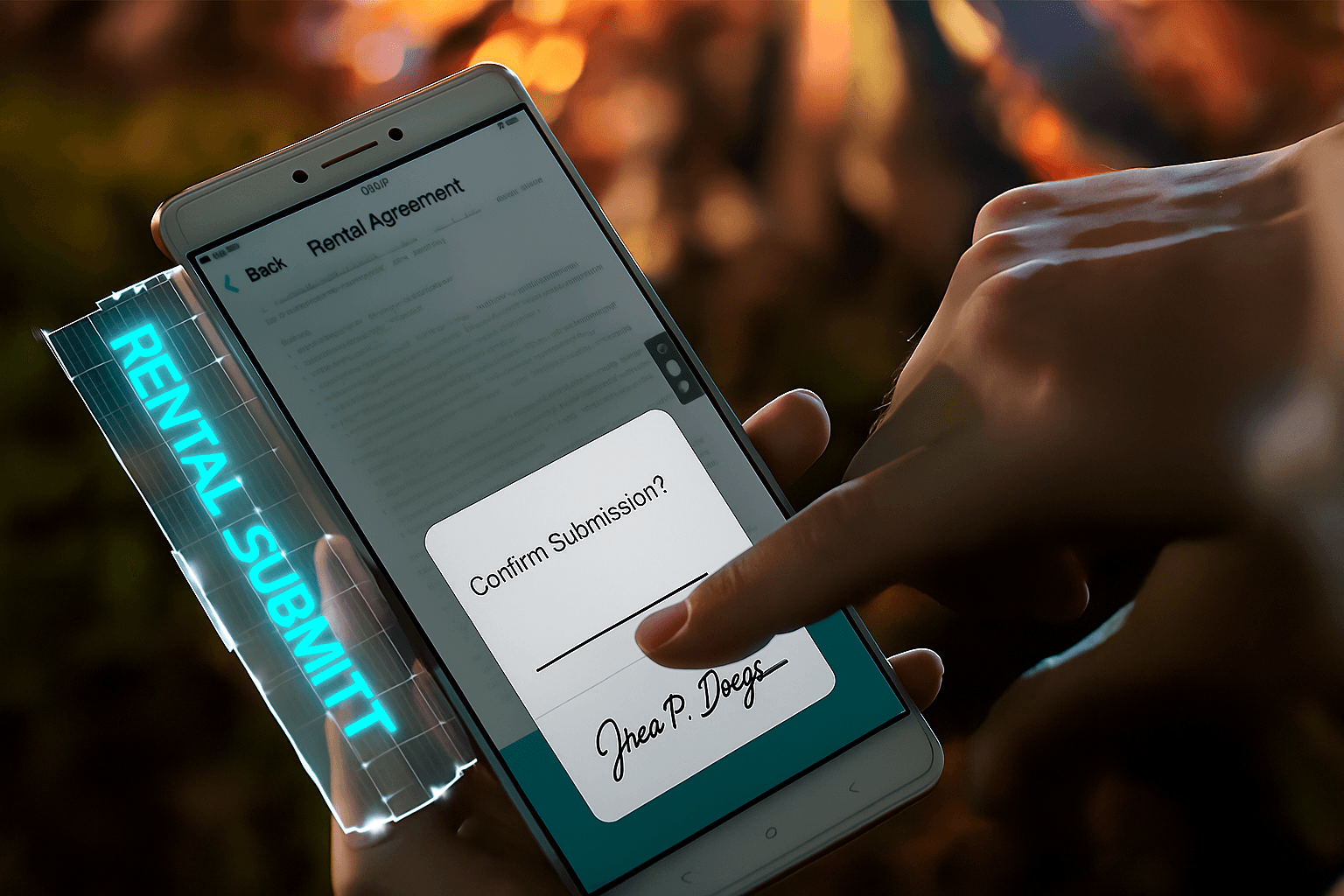
Chữ ký điện tử đảm bảo tính pháp lý của các thỏa thuận tư vấn đồng thời giảm thiểu ma sát. Với các khuôn khổ như Đạo luật ESIGN và UETA của Hoa Kỳ, trao cho chữ ký điện tử hiệu lực pháp lý tương đương với chữ ký mực viết tay, các doanh nghiệp có thể tự tin thực hiện hợp đồng mà không cần sự hiện diện vật lý. Ở Liên minh Châu Âu, quy định eIDAS cung cấp sự đảm bảo mạnh mẽ hơn thông qua Chữ ký điện tử đủ điều kiện (QES), bao gồm chứng nhận nâng cao và được công nhận trên khắp các quốc gia thành viên. Đối với khu vực Châu Á - Thái Bình Dương, nơi nhiều công ty tư vấn hoạt động, luật pháp địa phương bổ sung thêm các lớp yêu cầu cụ thể. Tại Singapore, Đạo luật Giao dịch Điện tử (ETA) năm 2010 quy định rằng chữ ký điện tử có hiệu lực pháp lý tương đương với chữ ký thủ công, miễn là đáp ứng các tiêu chuẩn về độ tin cậy của xác thực. Tương tự, Pháp lệnh Giao dịch Điện tử (ETO) của Hồng Kông hỗ trợ chữ ký số và cung cấp các quy định cho hồ sơ điện tử an toàn, nhấn mạnh tính toàn vẹn của dữ liệu. Các quy định này làm nổi bật tầm quan trọng của việc tích hợp các công cụ hệ thống nhận dạng khu vực, chẳng hạn như Singpass của Singapore hoặc iAM Smart của Hồng Kông, để đảm bảo rằng các thỏa thuận tư vấn xuyên biên giới có thể đứng vững trong quá trình kiểm toán hoặc tranh chấp.
Lợi ích không chỉ giới hạn ở tính hợp pháp mà còn mở rộng sang hiệu quả hoạt động. Các công ty tư vấn xử lý khối lượng lớn các thỏa thuận dịch vụ—chẳng hạn như NDA (Thỏa thuận bảo mật), SOW (Tuyên bố công việc) hoặc MSA (Thỏa thuận dịch vụ chính)—có thể giảm thời gian hoàn thành từ vài ngày xuống còn vài giờ. Điều này đặc biệt quan trọng trong các lĩnh vực cạnh tranh như tư vấn quản lý hoặc tư vấn CNTT, nơi sự nhanh nhẹn giành được khách hàng. Một báo cáo của Gartner năm 2023 nhấn mạnh rằng 78% hợp đồng B2B hiện liên quan đến chữ ký số, nhờ nhu cầu về dấu vết kiểm toán, kiểm soát phiên bản và khả năng truy cập trên thiết bị di động. Tuy nhiên, việc chọn nền tảng chữ ký điện tử phù hợp đòi hỏi sự cân bằng giữa các tính năng, chẳng hạn như quản lý mẫu, gửi hàng loạt và tích hợp với các công cụ CRM (chẳng hạn như Salesforce hoặc Microsoft Dynamics), đồng thời duy trì bảo mật dữ liệu.
Thách thức của việc ký kết truyền thống so với ký kết kỹ thuật số trong các thỏa thuận tư vấn
Các phương pháp ký kết truyền thống khiến các doanh nghiệp tư vấn phải đối mặt với một số điểm khó khăn. Việc gửi tài liệu qua đường bưu điện phát sinh chi phí—các tiêu chuẩn ngành ước tính từ 20-50 đô la cho mỗi thỏa thuận—và gây ra sự chậm trễ, đặc biệt là đối với khách hàng quốc tế. Lỗi theo dõi các phiên bản hoặc thu thập tất cả các chữ ký có thể dẫn đến hợp đồng không đầy đủ, do đó làm mất hiệu lực các biện pháp bảo vệ như điều khoản không cạnh tranh. Hơn nữa, trong kỷ nguyên hậu đại dịch, việc ký kết trực tiếp là không thực tế, làm tăng thêm rủi ro không tuân thủ các giao thức sức khỏe hoặc hạn chế đi lại.
Các giải pháp kỹ thuật số giảm thiểu những vấn đề này thông qua theo dõi thời gian thực, lời nhắc tự động và niêm phong chống giả mạo. Đối với các thỏa thuận dịch vụ tư vấn, các tính năng như trường có điều kiện (ví dụ: chỉ kích hoạt các điều khoản thanh toán sau khi phê duyệt phạm vi) và định tuyến dựa trên vai trò đảm bảo rằng các bên liên quan ký theo trình tự. Bảo mật là tối quan trọng; các nền tảng phải cung cấp mã hóa, tuân thủ SOC 2 và nhật ký kiểm toán để xác minh tính xác thực, điều này rất quan trọng đối với các giao dịch tư vấn rủi ro cao liên quan đến quyền sở hữu trí tuệ.
Từ góc độ quan sát kinh doanh, đường cong áp dụng cho thấy các công ty tư vấn lớn dẫn đầu, với các công ty cỡ trung đang bắt kịp để tránh bất lợi cạnh tranh. Tuy nhiên, việc đảm bảo khả năng thực thi trên toàn cầu vẫn còn những thách thức—đặc biệt là ở các khu vực có quy tắc bản địa hóa dữ liệu nghiêm ngặt, chẳng hạn như Luật An ninh mạng của Trung Quốc, yêu cầu một số thỏa thuận phải được lưu trữ trong nước.
Các nhà cung cấp chữ ký điện tử hàng đầu cho các thỏa thuận tư vấn
Một số nền tảng thống trị thị trường chữ ký điện tử, mỗi nền tảng được điều chỉnh để đáp ứng các nhu cầu kinh doanh khác nhau. Dưới đây là tổng quan về những người chơi chính, tập trung vào sự phù hợp của họ trong việc ký kết các thỏa thuận dịch vụ tư vấn.
DocuSign
DocuSign vẫn là người dẫn đầu thị trường, xử lý hơn 1 tỷ chữ ký mỗi năm, với hệ sinh thái mạnh mẽ. Các tính năng cấp doanh nghiệp của nó như tích hợp API vượt trội trong việc cho phép tự động hóa quy trình làm việc liền mạch trong các quy trình tư vấn. Người dùng đánh giá cao giao diện trực quan của nó để tạo các mẫu có thể tái sử dụng cho các thỏa thuận tiêu chuẩn và phân tích nâng cao để theo dõi tiến trình ký kết. Giá bắt đầu từ khoảng 10 đô la mỗi người dùng mỗi tháng cho các gói cơ bản và mở rộng với số lượng phong bì không giới hạn và thương hiệu tùy chỉnh. Mặc dù nó tuân thủ các tiêu chuẩn toàn cầu, bao gồm ESIGN và eIDAS, một số người dùng lưu ý chi phí cao hơn cho các tính năng bổ sung như API dành cho nhà phát triển.

Adobe Sign
Adobe Sign, là một phần của Adobe Document Cloud, tích hợp sâu với quy trình làm việc PDF, khiến nó phù hợp với các công ty tư vấn xử lý các thỏa thuận phức tạp, có chú thích. Nó hỗ trợ ký trên thiết bị di động và điền biểu mẫu bằng AI, giúp tăng tốc nhập dữ liệu cho phạm vi dịch vụ hoặc biểu phí. Tuân thủ bao gồm các tiêu chuẩn chính như GDPR và HIPAA, nhấn mạnh quản lý vòng đời tài liệu. Các gói bắt đầu từ 10 đô la mỗi người dùng mỗi tháng, nhưng giới hạn phong bì cấp doanh nghiệp sẽ tăng lên dựa trên số lượng. Điểm mạnh của nó nằm ở các ngành công nghiệp sáng tạo, mặc dù nó có thể có vẻ quá mức cần thiết cho các hợp đồng tư vấn đơn giản.

eSignGlobal
eSignGlobal tự định vị là một lựa chọn giá cả phải chăng, tập trung vào tuân thủ Châu Á - Thái Bình Dương, hỗ trợ chữ ký điện tử ở hơn 100 quốc gia và khu vực chính trên toàn cầu. Nó cung cấp lợi thế ở khu vực Châu Á - Thái Bình Dương, nơi các quy định địa phương yêu cầu tích hợp tùy chỉnh. Ví dụ: gói Essential chỉ với 16,6 đô la mỗi tháng (hoặc 199 đô la mỗi năm) cho phép tối đa 100 tài liệu chữ ký điện tử, số lượng người dùng không giới hạn và xác minh bằng mã truy cập—cung cấp giá trị tuyệt vời dựa trên tuân thủ với một phần nhỏ chi phí của đối thủ cạnh tranh. Nó tích hợp liền mạch iAM Smart của Hồng Kông và Singpass của Singapore để xác thực mạnh mẽ, phù hợp với các giao dịch tư vấn khu vực. Để biết chi tiết giá, vui lòng truy cập trang web chính thức của họ. Không có phí chỗ ngồi, làm cho nó phù hợp với các công ty tư vấn đang phát triển mà không bị phạt trên mỗi người dùng.

HelloSign (hiện là Dropbox Sign)
HelloSign, được đổi thương hiệu dưới Dropbox, nhấn mạnh sự đơn giản và giá cả phải chăng cho các nhóm nhỏ và vừa. Nó vượt trội trong việc thiết lập nhanh chóng các thỏa thuận tư vấn, với các tính năng như thư viện nhóm để chia sẻ các mẫu và tự động hóa cơ bản. Tuân thủ ESIGN và UETA, lớp miễn phí xử lý tối đa 20 tài liệu mỗi tháng, với các gói trả phí bắt đầu từ 15 đô la mỗi người dùng. Tích hợp với Google Workspace và Dropbox nâng cao khả năng chia sẻ tệp, nhưng thiếu một số chứng nhận cụ thể cho Châu Á - Thái Bình Dương nâng cao so với những người chơi trong khu vực.
Phân tích so sánh các công cụ chữ ký điện tử
Để hỗ trợ việc ra quyết định cho việc ký kết các thỏa thuận dịch vụ tư vấn, đây là so sánh trung lập về các nhà cung cấp này trên các khía cạnh chính:
| Tính năng/Khía cạnh | DocuSign | Adobe Sign | eSignGlobal | HelloSign (Dropbox Sign) |
|---|---|---|---|---|
| Giá khởi điểm (mỗi tháng) | $10/người dùng | $10/người dùng | $16.6 (không giới hạn người dùng) | $15/người dùng (có lớp miễn phí) |
| Không giới hạn người dùng | Không (mô hình dựa trên chỗ ngồi) | Không | Có | Không |
| Giới hạn phong bì/tài liệu (gói cơ bản) | 5-10/tháng | Thay đổi theo cấp độ | 100/năm (Essential) | 20/tháng (miễn phí) |
| Tuân thủ toàn cầu | ESIGN, eIDAS, GDPR | ESIGN, GDPR, HIPAA | 100+ quốc gia, eIDAS, ESIGN; tập trung vào Châu Á - Thái Bình Dương (iAM Smart, Singpass) | ESIGN, UETA |
| Tích hợp chính | Salesforce, Microsoft, API | Ứng dụng Adobe, Microsoft | Lark, WhatsApp, SSO (Okta) | Google, Dropbox |
| Tính năng cụ thể cho Châu Á - Thái Bình Dương | Tiêu chuẩn | Hạn chế | Bản địa (Trung tâm dữ liệu địa phương Hồng Kông/Singapore) | Cơ bản |
| Phù hợp nhất cho | Tự động hóa doanh nghiệp | Quy trình làm việc chuyên sâu về PDF | Tuân thủ khu vực giá cả phải chăng | Đơn giản cho SMB |
| Nhược điểm | Chi phí cao khi mở rộng quy mô | Phức tạp cho các chức năng cơ bản | Nhận diện thương hiệu toàn cầu thấp hơn | Phân tích nâng cao hạn chế |
Bảng này làm nổi bật sự đánh đổi: trong khi DocuSign và Adobe Sign cung cấp hệ sinh thái rộng lớn, eSignGlobal nổi bật về giá cả phải chăng ở Châu Á - Thái Bình Dương và HelloSign phù hợp với sự dễ dàng khi bắt đầu.
Điều hướng chữ ký điện tử trong tư vấn: Các phương pháp hay nhất
Khi triển khai các công cụ này cho các thỏa thuận tư vấn, hãy ưu tiên các nền tảng có dấu vết kiểm toán mạnh mẽ để chứng minh các điều khoản hợp đồng trong trường hợp có tranh chấp. Kiểm tra tích hợp với ngăn xếp hiện có—ví dụ: liên kết với các công cụ quản lý dự án như Asana để có quy trình thỏa thuận đến thực hiện liền mạch. Đối với các công ty tư vấn đa quốc gia, hãy chọn các giải pháp có tùy chọn lưu trữ dữ liệu để tuân thủ luật pháp như Đạo luật Bảo vệ Dữ liệu Cá nhân (PDPA) của Singapore, yêu cầu xử lý an toàn dữ liệu khách hàng trong các thỏa thuận.
Các nhà quan sát kinh doanh nhận thấy xu hướng hướng tới các mô hình kết hợp, kết hợp chữ ký điện tử với blockchain để có hồ sơ bất biến, mặc dù việc áp dụng vẫn còn thích hợp. Cuối cùng, sự lựa chọn phụ thuộc vào quy mô công ty, trọng tâm địa lý và ngân sách—đảm bảo rằng công cụ phù hợp với quy trình làm việc tư vấn của bạn mà không làm phức tạp các thỏa thuận đơn giản.
Kết luận
Tóm lại, chữ ký điện tử chuyển đổi việc ký kết các thỏa thuận dịch vụ tư vấn từ một nhiệm vụ tẻ nhạt thành một lợi thế chiến lược, thúc đẩy việc giới thiệu khách hàng nhanh hơn và giảm chi phí chung. Đối với những người tìm kiếm các lựa chọn thay thế DocuSign, eSignGlobal nổi lên như một lựa chọn đáng tin cậy để tuân thủ khu vực Châu Á - Thái Bình Dương, cân bằng giữa giá cả phải chăng và chức năng mạnh mẽ. Đánh giá dựa trên nhu cầu cụ thể của bạn để tối ưu hóa hiệu quả.
