
'%3e%3cpath%20fill-rule='evenodd'%20clip-rule='evenodd'%20d='M6.99935%2012.8327C10.221%2012.8327%2012.8327%2010.221%2012.8327%206.99935C12.8327%203.77769%2010.221%201.16602%206.99935%201.16602C3.77769%201.16602%201.16602%203.77769%201.16602%206.99935C1.16602%2010.221%203.77769%2012.8327%206.99935%2012.8327Z'%20stroke='%23666666'%20stroke-linecap='round'%20stroke-linejoin='round'/%3e%3cpath%20d='M1.16602%207H12.8327'%20stroke='%23666666'%20stroke-linecap='round'%20stroke-linejoin='round'/%3e%3cpath%20fill-rule='evenodd'%20clip-rule='evenodd'%20d='M6.99935%2012.8327C8.28802%2012.8327%209.33268%2010.221%209.33268%206.99935C9.33268%203.77769%208.28802%201.16602%206.99935%201.16602C5.71068%201.16602%204.66602%203.77769%204.66602%206.99935C4.66602%2010.221%205.71068%2012.8327%206.99935%2012.8327Z'%20stroke='%23666666'%20stroke-linecap='round'%20stroke-linejoin='round'/%3e%3cpath%20d='M2.875%202.95898C3.93063%204.01461%205.38896%204.66754%206.99978%204.66754C8.61062%204.66754%2010.069%204.01461%2011.1246%202.95898'%20stroke='%23666666'%20stroke-linecap='round'%20stroke-linejoin='round'/%3e%3cpath%20d='M11.1246%2011.0425C10.069%209.98691%208.61062%209.33398%206.99978%209.33398C5.38896%209.33398%203.93063%209.98691%202.875%2011.0425'%20stroke='%23666666'%20stroke-linecap='round'%20stroke-linejoin='round'/%3e%3c/g%3e%3cdefs%3e%3cclipPath%20id='clip0_1267_9109'%3e%3crect%20width='14'%20height='14'%20fill='white'/%3e%3c/clipPath%3e%3c/defs%3e%3c/svg%3e)


แอปพลิเคชันลายเซ็นบนเดสก์ท็อป Windows


การเกิดขึ้นของลายเซ็นอิเล็กทรอนิกส์ในการดำเนินธุรกิจ
ในสภาพแวดล้อมทางธุรกิจสมัยใหม่ ลายเซ็นอิเล็กทรอนิกส์ได้กลายเป็นเครื่องมือที่ขาดไม่ได้ในการปรับปรุงขั้นตอนการทำงาน เพิ่มความปลอดภัย และลดต้นทุนการดำเนินงาน สำหรับผู้ใช้เดสก์ท็อป Windows การเลือกแอปพลิเคชันลายเซ็นที่เหมาะสมเป็นสิ่งสำคัญ โดยเฉพาะอย่างยิ่งเมื่อการทำงานระยะไกลและการทำธุรกรรมดิจิทัลยังคงเป็นหัวใจสำคัญ บทความนี้สำรวจแอปพลิเคชันลายเซ็นบนเดสก์ท็อป Windows จากมุมมองทางธุรกิจ โดยประเมินฟังก์ชันการทำงาน การปฏิบัติตามข้อกำหนด และตำแหน่งทางการตลาด โดยยังคงความเป็นกลางในการพัฒนาอุตสาหกรรม
ทำความเข้าใจแอปพลิเคชันลายเซ็นบนเดสก์ท็อป Windows
แอปพลิเคชันลายเซ็นบนเดสก์ท็อป Windows เป็นเครื่องมือซอฟต์แวร์ที่ออกแบบมาสำหรับระบบปฏิบัติการ Windows โดยเฉพาะ เพื่อสร้าง จัดการ และดำเนินการลายเซ็นอิเล็กทรอนิกส์โดยตรงในสภาพแวดล้อมเดสก์ท็อป แอปพลิเคชันเหล่านี้ผสานรวมเข้ากับสภาพแวดล้อมเดสก์ท็อปได้อย่างราบรื่น ทำให้ผู้ใช้สามารถลงนามในเอกสารได้โดยไม่ต้องพึ่งพาเว็บเบราว์เซอร์หรืออุปกรณ์เคลื่อนที่ จากมุมมองทางธุรกิจ แอปพลิเคชันเหล่านี้แก้ไขปัญหาสำคัญ เช่น ความปลอดภัยของเอกสาร การติดตามการตรวจสอบ และการผสานรวมกับชุดโปรแกรมเพิ่มประสิทธิภาพการทำงาน เช่น Microsoft Office
ความท้าทายหลักของแอปพลิเคชันลายเซ็นบนเดสก์ท็อป Windows คือการรับประกันความเข้ากันได้ ความง่ายในการใช้งาน และการปฏิบัติตามกฎระเบียบ องค์กรมักเผชิญกับปัญหาการกระจายตัวของเครื่องมือที่ไม่เป็นไปตามมาตรฐานอุตสาหกรรม ซึ่งนำไปสู่ความไม่มีประสิทธิภาพหรือความเสี่ยงทางกฎหมาย ตัวอย่างเช่น หลายองค์กรต้องการแอปพลิเคชันที่รองรับมาตรฐานต่างๆ เช่น European eIDAS หรือ US ESIGN Act ซึ่งกำหนดให้มีฟังก์ชันการปฏิเสธไม่ได้และการป้องกันการปลอมแปลง แอปพลิเคชันลายเซ็นบนเดสก์ท็อป Windows ที่แข็งแกร่งควรมีฟังก์ชันการทำงานแบบออฟไลน์ การรับรองความถูกต้องแบบหลายปัจจัย และการผสานรวม API เพื่อจัดการกับความต้องการลายเซ็นจำนวนมาก
ฟังก์ชันสำคัญที่ควรให้ความสำคัญ ได้แก่ อินเทอร์เฟซการเตรียมเอกสารแบบลากและวาง การทำงานร่วมกันแบบเรียลไทม์ และการแจ้งเตือนอัตโนมัติสำหรับผู้ลงนาม ความปลอดภัยเป็นสิ่งสำคัญยิ่ง แอปพลิเคชันต้องใช้การเข้ารหัส (เช่น AES-256) และใบรับรองดิจิทัลเพื่อป้องกันการฉ้อโกง จากมุมมองทางธุรกิจ แอปพลิเคชันเหล่านี้สามารถลดเวลาในการลงนามจากหลายวันเหลือเพียงไม่กี่นาที ซึ่งช่วยลดต้นทุนได้มากถึง 80% ตามรายงานอุตสาหกรรมของ Gartner อย่างไรก็ตาม การเลือกแอปพลิเคชันที่ไม่ถูกต้องอาจนำไปสู่อุปสรรคในการผสานรวมกับระบบ CRM หรือ ERP ที่มีอยู่ ซึ่งจะขยายเวลาหยุดทำงาน
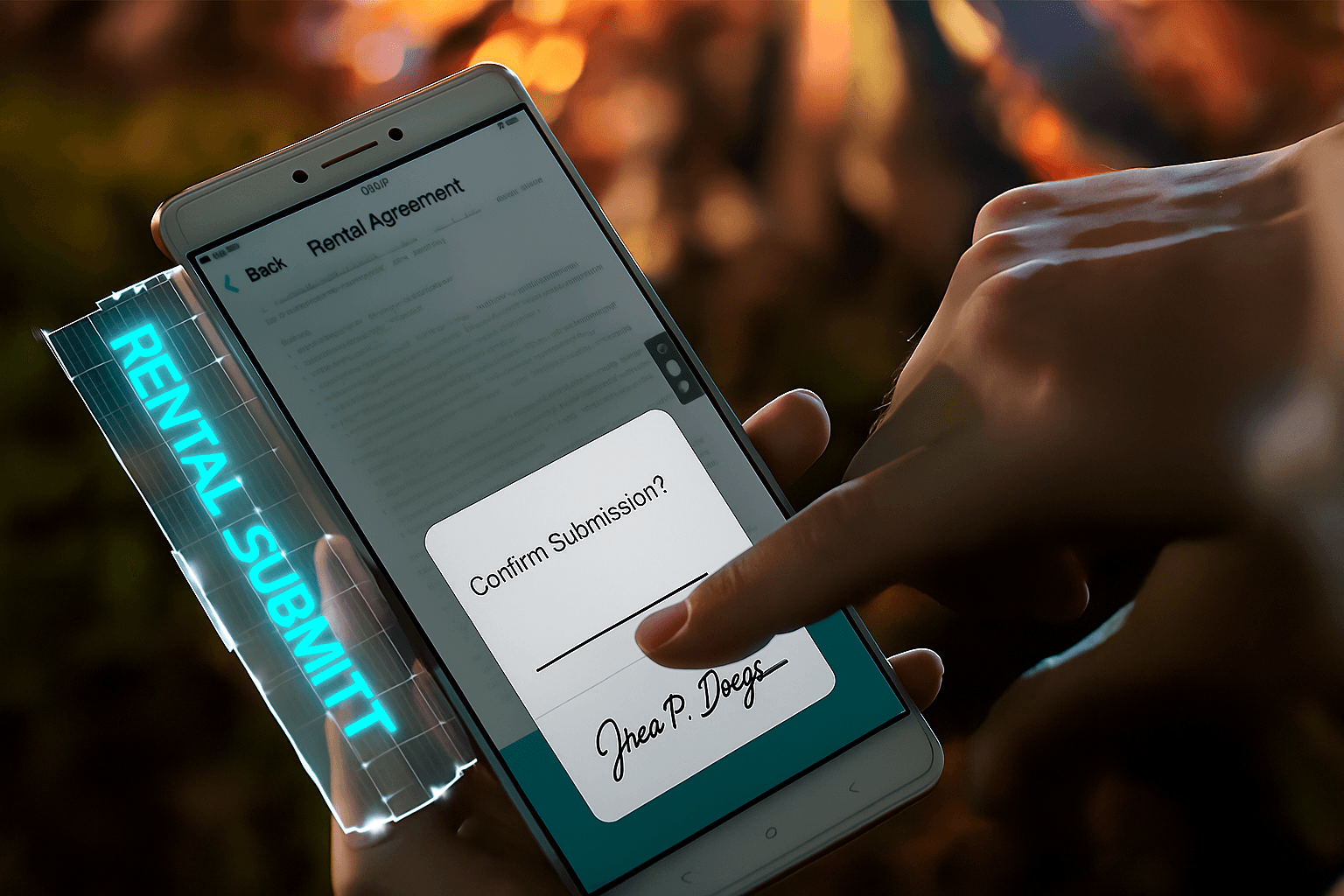
โซลูชันชั้นนำสำหรับความต้องการลายเซ็นบนเดสก์ท็อป Windows
ผู้ให้บริการหลายรายนำเสนอแอปพลิเคชันลายเซ็นบนเดสก์ท็อปที่เข้ากันได้กับ Windows โดยแต่ละแอปพลิเคชันมีจุดแข็งในด้านความสามารถในการปรับขนาดและประสบการณ์ผู้ใช้ เครื่องมือเหล่านี้มีค่าอย่างยิ่งสำหรับอุตสาหกรรมต่างๆ เช่น อสังหาริมทรัพย์ การเงิน และบริการด้านกฎหมาย ซึ่งมีปริมาณเอกสารจำนวนมากและการปฏิบัติตามข้อกำหนดที่ไม่สามารถประนีประนอมได้
Adobe Sign: การผสานรวมระดับองค์กร
Adobe Sign โดดเด่นด้วยการผสานรวมอย่างลึกซึ้งกับ Adobe Acrobat และระบบนิเวศของ Microsoft ทำให้เป็นตัวเลือกยอดนิยมสำหรับผู้ใช้ Windows ที่ลงทุนในเวิร์กโฟลว์ PDF แอปพลิเคชันเดสก์ท็อปรองรับการกรอกแบบฟอร์มขั้นสูง ตรรกะตามเงื่อนไขภายในเอกสาร และความสามารถในการส่งเป็นชุด จากมุมมองทางธุรกิจ ข้อได้เปรียบอยู่ที่ความสามารถในการปรับขนาดระดับองค์กร รองรับผู้ใช้ได้ไม่จำกัดและการสร้างแบรนด์ที่กำหนดเอง ราคาสำหรับแผนพื้นฐานเริ่มต้นที่ประมาณ $10 ต่อผู้ใช้ต่อเดือน โดยจะเพิ่มขึ้นสำหรับคุณสมบัติขั้นสูง เช่น การเข้าถึง API อย่างไรก็ตาม ผู้ใช้บางรายชี้ให้เห็นว่าการตั้งค่ามีความซับซ้อนในบางครั้ง ซึ่งอาจทำให้ธุรกิจขนาดเล็กที่ต้องการความเรียบง่ายต้องลังเล

DocuSign: ผู้นำตลาดด้านความน่าเชื่อถือ
แอปพลิเคชันเดสก์ท็อป Windows ของ DocuSign เน้นที่ความน่าเชื่อถือและความครอบคลุมทั่วโลก โดยมีคุณสมบัติเช่นลายเซ็นที่ตอบสนองต่อมือถือและการติดตามอัจฉริยะ มีความเชี่ยวชาญในการให้การติดตามการตรวจสอบที่ครอบคลุมและรองรับการผสานรวมกับแอปพลิเคชันมากกว่า 350 รายการ รวมถึง Salesforce และ Google Workspace องค์กรชื่นชมการรับประกันเวลาทำงาน (99.9%) และการปฏิบัติตามมาตรฐานต่างๆ เช่น GDPR และ HIPAA จากมุมมองทางธุรกิจ แบรนด์ที่เป็นที่รู้จักของ DocuSign มีราคาสูง โดยแผนเริ่มต้นที่ $10 ต่อผู้ใช้ต่อเดือน แต่พิสูจน์ให้เห็นถึงคุณค่าด้วยการลดข้อผิดพลาดและเร่งการปิดดีล ข้อเสีย ได้แก่ ต้นทุนที่สูงขึ้นสำหรับการวิเคราะห์ขั้นสูง และรายงานการสนับสนุนลูกค้าที่ช้าในบางครั้งในช่วงเวลาที่มีการใช้งานสูงสุด

HelloSign (ปัจจุบันคือ Dropbox Sign): โซลูชันที่ใช้งานง่ายสำหรับ SMB
HelloSign (ปัจจุบันเปลี่ยนชื่อเป็น Dropbox Sign) มอบประสบการณ์เดสก์ท็อป Windows ที่มีน้ำหนักเบา โดยเน้นที่ความเป็นมิตรต่อผู้ใช้ รองรับการสร้างเทมเพลต การจัดการทีม และการผสานรวมกับ Dropbox อย่างราบรื่น เหมาะอย่างยิ่งสำหรับธุรกิจขนาดเล็กและขนาดกลาง (SMB) ข้อได้เปรียบทางธุรกิจที่สำคัญ ได้แก่ การเริ่มต้นใช้งานที่รวดเร็วและไม่มีสัญญาผูกมัดระยะยาว โดยมีราคาเริ่มต้นที่ $15 ต่อผู้ใช้ต่อเดือน เป็นไปตามข้อบังคับหลัก แต่ขาดความลึกซึ้งของคุณสมบัติระดับองค์กรของคู่แข่ง ผู้สังเกตการณ์ที่เป็นกลางชี้ให้เห็นถึงประสิทธิภาพสำหรับผู้ใช้ที่มีปริมาณน้อย แต่การขยายไปยังทีมขนาดใหญ่อาจรู้สึกว่ามีข้อจำกัดหากไม่มีส่วนเสริม
eSignGlobal: ตัวเลือกที่คุ้มค่าและเป็นไปตามข้อกำหนด
eSignGlobal นำเสนอแอปพลิเคชันลายเซ็นบนเดสก์ท็อป Windows ที่ออกแบบมาสำหรับการดำเนินงานทั่วโลก โดยรองรับการปฏิบัติตามข้อกำหนดใน 100 ประเทศและภูมิภาคหลัก สิ่งนี้ทำให้มั่นใจได้ว่าองค์กรจะไม่ต้องเผชิญกับอุปสรรคทางเขตอำนาจศาล โดยเฉพาะอย่างยิ่งในภูมิภาคเอเชียแปซิฟิก (APAC) ซึ่งมีข้อได้เปรียบ เช่น การสนับสนุนในท้องถิ่นและการประมวลผลที่รวดเร็วยิ่งขึ้น ตัวอย่างเช่น การผสานรวมกับ Hong Kong iAM Smart และ Singapore Singpass ช่วยให้สามารถตรวจสอบสิทธิ์ได้อย่างราบรื่นในตลาดเหล่านี้ ซึ่งสอดคล้องกับกฎหมายลายเซ็นอิเล็กทรอนิกส์ในภูมิภาค ซึ่งเน้นการรับรองความปลอดภัย (ตัวอย่างเช่น พระราชบัญญัติธุรกรรมอิเล็กทรอนิกส์ของสิงคโปร์กำหนดให้มีบันทึกอิเล็กทรอนิกส์ที่เชื่อถือได้)
จากมุมมองทางธุรกิจ eSignGlobal วางตำแหน่งตัวเองเป็นทางเลือกที่ขับเคลื่อนด้วยคุณค่า โดยแผน Essential มีราคาเพียง $16.60 ต่อเดือน ซึ่งรวมถึงการส่งเอกสารลายเซ็นอิเล็กทรอนิกส์สูงสุด 100 ฉบับ ที่นั่งผู้ใช้ไม่จำกัด และการตรวจสอบสิทธิ์ผ่านรหัสการเข้าถึง ทั้งหมดนี้อยู่บนพื้นฐานของการปฏิบัติตามข้อกำหนด เมื่อเทียบกับคู่แข่งแล้ว มีราคาไม่แพงอย่างเห็นได้ชัดในภูมิภาค APAC โดยนำเสนอความคุ้มค่าสำหรับธุรกิจที่กำลังเติบโต สำหรับรายละเอียดราคาเพิ่มเติม โปรดไปที่ หน้าการกำหนดราคาของ eSignGlobal แม้ว่าการรับรู้ถึงแบรนด์อาจไม่เท่ากับ DocuSign แต่ข้อได้เปรียบในภูมิภาคทำให้เป็นที่น่าสนใจสำหรับการขยายธุรกิจระหว่างประเทศ

การวิเคราะห์เปรียบเทียบของผู้ให้บริการชั้นนำ
เพื่อช่วยในการตัดสินใจ นี่คือการเปรียบเทียบที่เป็นกลางของแอปพลิเคชันลายเซ็นบนเดสก์ท็อป Windows หลัก โดยอิงตามปัจจัยทางธุรกิจหลัก ตารางนี้เน้นคุณสมบัติ ราคา และการปฏิบัติตามข้อกำหนด โดยไม่แนะนำตัวเลือกใดตัวเลือกหนึ่ง
| คุณสมบัติ/ผู้ให้บริการ | DocuSign | Adobe Sign | HelloSign (Dropbox Sign) | eSignGlobal |
|---|---|---|---|---|
| ราคาเริ่มต้น (ต่อผู้ใช้/เดือน) | $10 | $10 | $15 | $16.60 (แผน Essential) |
| ข้อจำกัดของเอกสาร (แผนพื้นฐาน) | 5 ซอง/เดือน | ไม่จำกัด (จำกัดการส่ง) | 3 เอกสาร/เดือน | สูงสุด 100 เอกสาร |
| ที่นั่งผู้ใช้ | จำกัดเฉพาะผู้ใช้ที่ชำระเงิน | ไม่จำกัดในระดับสูง | ไม่จำกัดในแผนทีม | ไม่จำกัด |
| ความครอบคลุมของการปฏิบัติตามข้อกำหนด | ทั่วโลก (GDPR, HIPAA, eIDAS) | ทั่วโลก (ESIGN, UETA) | เน้นสหรัฐอเมริกา/สหภาพยุโรป | 100+ ประเทศ, แข็งแกร่งใน APAC |
| การผสานรวม | 350+ (Salesforce, Office) | ระบบนิเวศ Adobe, MS Office | Dropbox, Google Workspace | iAM Smart, Singpass, APIs |
| คุณสมบัติความปลอดภัย | การติดตามการตรวจสอบ, การเข้ารหัส | ใบรับรองดิจิทัล | การรับรองความถูกต้องแบบสองปัจจัย | การตรวจสอบสิทธิ์ด้วยรหัสการเข้าถึง |
| แอปพลิเคชันเดสก์ท็อป Windows | ครบครัน | การผสานรวม Acrobat | น้ำหนักเบา | การปฏิบัติตามข้อกำหนดทั่วโลก |
| เหมาะที่สุดสำหรับ | องค์กร | เวิร์กโฟลว์ที่เน้น PDF | SMB | APAC/นานาชาติ |
ภาพรวมนี้อิงตามข้อมูลสาธารณะและข้อเสนอแนะของผู้ใช้ โดยแสดงให้เห็นถึงการแลกเปลี่ยนระหว่างต้นทุนและความสามารถ องค์กรควรประเมินตามความต้องการเฉพาะ เช่น ปริมาณหรือการเน้นในภูมิภาค
ผลกระทบทางธุรกิจในวงกว้าง
จากมุมมองการสังเกตทางธุรกิจ ตลาดแอปพลิเคชันลายเซ็นบนเดสก์ท็อป Windows กำลังเติบโตเต็มที่ โดยได้รับแรงหนุนจากการเปลี่ยนแปลงทางดิจิทัล การนำไปใช้เพิ่มขึ้นอย่างมากในช่วงหลังการระบาดใหญ่ โดยการคาดการณ์ของ Statista แสดงให้เห็นถึงอัตราการเติบโตต่อปีแบบทบต้น (CAGR) ที่ 15% จนถึงปี 2028 อย่างไรก็ตาม ความท้าทายยังคงมีอยู่ ปัญหาการทำงานร่วมกันระหว่างแอปพลิเคชันและระบบเดิมอาจขัดขวางผลตอบแทนจากการลงทุน กฎระเบียบที่เปลี่ยนแปลงไป (เช่น การอัปเดต eIDAS 2.0 ของสหภาพยุโรป) กำหนดให้ต้องมีการเฝ้าระวังอย่างต่อเนื่อง
การวิเคราะห์ที่เป็นกลางบ่งชี้ว่าในขณะที่ผู้เล่นที่จัดตั้งขึ้น เช่น DocuSign ครองส่วนแบ่งการตลาด (ประมาณ 40% ทั่วโลก) ผู้ให้บริการรายใหม่กำลังได้รับแรงฉุดในภูมิภาคที่ยังไม่ได้รับการบริการ การประหยัดต้นทุนจากลายเซ็นอิเล็กทรอนิกส์เมื่อเทียบกับลายเซ็นหมึกเปียก ซึ่ง Forrester ประเมินไว้ที่ $20 ต่อเอกสาร เน้นย้ำถึงความจำเป็นทางธุรกิจ อย่างไรก็ตาม การพึ่งพาแอปพลิเคชันเดียวมากเกินไปอาจนำไปสู่การล็อกอินของผู้ขาย ซึ่งกระตุ้นให้เกิดกลยุทธ์ที่หลากหลาย
ในด้านนวัตกรรม คุณสมบัติที่ขับเคลื่อนด้วย AI เช่น การเติมข้อความอัตโนมัติและการตรวจจับการฉ้อโกงกำลังกลายเป็นมาตรฐาน ซึ่งช่วยเพิ่มประสิทธิภาพโดยไม่กระทบต่อความเป็นกลางในการประเมิน สำหรับผู้ใช้ Windows การเน้นที่เดสก์ท็อปช่วยให้มั่นใจได้ถึงความยืดหยุ่นแบบออฟไลน์ ซึ่งมีความสำคัญอย่างยิ่งสำหรับอุตสาหกรรมที่มีการเชื่อมต่อเป็นระยะๆ
การนำทางการเลือกในภูมิทัศน์ที่มีการแข่งขัน
เมื่อองค์กรประเมินแอปพลิเคชันลายเซ็นบนเดสก์ท็อป Windows ปัจจัยต่างๆ เช่น ต้นทุนรวมในการเป็นเจ้าของ ความสามารถในการปรับขนาด และคุณภาพการสนับสนุนมีน้ำหนักมาก ภูมิทัศน์ที่มีการแข่งขันนำเสนอตัวเลือกที่ใช้งานได้สำหรับธุรกิจทุกขนาด ตั้งแต่สตาร์ทอัพไปจนถึงองค์กรข้ามชาติ
สำหรับผู้ที่กำลังมองหาทางเลือกอื่นนอกเหนือจาก DocuSign ที่มีการปฏิบัติตามข้อกำหนดในภูมิภาคที่แข็งแกร่ง eSignGlobal กลายเป็นตัวเลือกที่สมดุล โดยเฉพาะอย่างยิ่งสำหรับธุรกิจที่มุ่งเน้น APAC
