
'%3e%3cpath%20fill-rule='evenodd'%20clip-rule='evenodd'%20d='M6.99935%2012.8327C10.221%2012.8327%2012.8327%2010.221%2012.8327%206.99935C12.8327%203.77769%2010.221%201.16602%206.99935%201.16602C3.77769%201.16602%201.16602%203.77769%201.16602%206.99935C1.16602%2010.221%203.77769%2012.8327%206.99935%2012.8327Z'%20stroke='%23666666'%20stroke-linecap='round'%20stroke-linejoin='round'/%3e%3cpath%20d='M1.16602%207H12.8327'%20stroke='%23666666'%20stroke-linecap='round'%20stroke-linejoin='round'/%3e%3cpath%20fill-rule='evenodd'%20clip-rule='evenodd'%20d='M6.99935%2012.8327C8.28802%2012.8327%209.33268%2010.221%209.33268%206.99935C9.33268%203.77769%208.28802%201.16602%206.99935%201.16602C5.71068%201.16602%204.66602%203.77769%204.66602%206.99935C4.66602%2010.221%205.71068%2012.8327%206.99935%2012.8327Z'%20stroke='%23666666'%20stroke-linecap='round'%20stroke-linejoin='round'/%3e%3cpath%20d='M2.875%202.95898C3.93063%204.01461%205.38896%204.66754%206.99978%204.66754C8.61062%204.66754%2010.069%204.01461%2011.1246%202.95898'%20stroke='%23666666'%20stroke-linecap='round'%20stroke-linejoin='round'/%3e%3cpath%20d='M11.1246%2011.0425C10.069%209.98691%208.61062%209.33398%206.99978%209.33398C5.38896%209.33398%203.93063%209.98691%202.875%2011.0425'%20stroke='%23666666'%20stroke-linecap='round'%20stroke-linejoin='round'/%3e%3c/g%3e%3cdefs%3e%3cclipPath%20id='clip0_1267_9109'%3e%3crect%20width='14'%20height='14'%20fill='white'/%3e%3c/clipPath%3e%3c/defs%3e%3c/svg%3e)


บริการลงนามเอกสารแบบจ่ายตามจำนวนเอกสาร


ทำความเข้าใจบริการลายเซ็นแบบจ่ายตามเอกสาร
ในภูมิทัศน์ของการเปลี่ยนแปลงทางดิจิทัลที่พัฒนาอย่างต่อเนื่อง ธุรกิจต่างๆ กำลังมองหาโซลูชันลายเซ็นอิเล็กทรอนิกส์ที่ยืดหยุ่นมากขึ้น เพื่อรองรับปริมาณงานที่ผันผวน บริการลายเซ็นแบบจ่ายตามเอกสารเป็นตัวแทนของรูปแบบที่คุ้มค่า ซึ่งผู้ใช้จ่ายตามจำนวนเอกสารที่ประมวลผลจริง แทนที่จะเป็นการสมัครสมาชิกแบบคงที่ วิธีการนี้ดึงดูดใจเป็นพิเศษสำหรับธุรกิจขนาดเล็กและขนาดกลาง (SMEs) หรือการดำเนินงานตามฤดูกาล เนื่องจากไม่จำเป็นต้องเข้าถึงแบบไม่จำกัด ซึ่งแตกต่างจากระดับการสมัครสมาชิกแบบดั้งเดิม ซึ่งอาจนำไปสู่การจ่ายเงินมากเกินไปในช่วงที่มีปริมาณน้อย โมเดลการจ่ายตามการใช้งานจะลดต้นทุนเริ่มต้นให้เหลือน้อยที่สุดและปรับขนาดตามความต้องการ
จากมุมมองทางธุรกิจ บริการเหล่านี้ทำให้การเข้าถึงลายเซ็นอิเล็กทรอนิกส์ที่ปลอดภัยเป็นประชาธิปไตย ส่งเสริมประสิทธิภาพในการจัดการสัญญา กระบวนการทรัพยากรบุคคล และข้อตกลงกับลูกค้า อย่างไรก็ตาม มูลค่าที่แท้จริงขึ้นอยู่กับปัจจัยต่างๆ เช่น ค่าธรรมเนียมเอกสาร ความสามารถในการบูรณาการ และการปฏิบัติตามกฎระเบียบในภูมิภาค ตัวอย่างเช่น ในภูมิภาคเอเชียแปซิฟิก (APAC) การทำธุรกรรมข้ามพรมแดนเป็นเรื่องปกติ และกฎหมายลายเซ็นอิเล็กทรอนิกส์มีความแตกต่างกันอย่างมาก ในสหภาพยุโรป กฎระเบียบ eIDAS (มีผลบังคับใช้ตั้งแต่ปี 2016) แบ่งลายเซ็นออกเป็นระดับง่าย ขั้นสูง และมีคุณสมบัติ ซึ่งกำหนดให้ใช้ลายเซ็นอิเล็กทรอนิกส์ที่มีคุณสมบัติสำหรับความต้องการด้านความปลอดภัยสูง ในทำนองเดียวกัน พระราชบัญญัติ ESIGN ของสหรัฐอเมริกา (ปี 2000) และ UETA ให้ความเท่าเทียมกันทางกฎหมายกับลายเซ็นหมึกเปียก แต่มีความแตกต่างเล็กน้อยในระดับรัฐที่ใช้บังคับ ในภูมิภาคเอเชียแปซิฟิก พระราชบัญญัติธุรกรรมทางอิเล็กทรอนิกส์ของสิงคโปร์ (ปี 2010) สนับสนุนลายเซ็นอิเล็กทรอนิกส์ที่บังคับใช้ได้ และมีตัวเลือกใบรับรองดิจิทัล ในขณะที่กฎหมายลายเซ็นอิเล็กทรอนิกส์ของจีน (ปี 2005) กำหนดให้มีการประทับเวลาที่ได้รับการรับรองในข้อพิพาททางกฎหมายเพื่อให้มั่นใจถึงความถูกต้อง พระราชบัญญัติว่าด้วยธุรกรรมทางอิเล็กทรอนิกส์ของฮ่องกง (ปี 2000) สอดคล้องกับมาตรฐานสากลอย่างใกล้ชิด แต่เน้นการปกป้องข้อมูลภายใต้ PDPO ธุรกิจที่เลือกบริการจ่ายตามเอกสารต้องตรวจสอบให้แน่ใจว่าแพลตฟอร์มเป็นไปตามกรอบเหล่านี้ เพื่อหลีกเลี่ยงความเสี่ยงในการบังคับใช้ในธุรกรรมหลายเขตอำนาจศาล
โมเดลการจ่ายตามเอกสารมักจะรวมถึงการเรียกเก็บเงินตามซองจดหมาย ซึ่ง "ซองจดหมาย" ห่อหุ้มเอกสารหรือชุดของไฟล์ที่เกี่ยวข้อง ทำให้เหมาะสำหรับการใช้งานเป็นครั้งคราว ผู้ให้บริการมักจะเรียกเก็บเงินระหว่าง 0.50 ถึง 5 ดอลลาร์สหรัฐต่อซองจดหมาย ขึ้นอยู่กับคุณสมบัติต่างๆ เช่น การกำหนดเส้นทางการลงนามหลายครั้งหรือการติดตามการตรวจสอบ ความยืดหยุ่นนี้ช่วยลดอุปสรรคสำหรับสตาร์ทอัพ แต่ค่าธรรมเนียมแอบแฝงสำหรับคุณสมบัติเพิ่มเติม (เช่น การส่ง SMS หรือการตรวจสอบสิทธิ์) อาจเพิ่มต้นทุนได้ จากมุมมองทางธุรกิจ นักวิเคราะห์ชี้ให้เห็นว่าสำหรับผู้ใช้ที่มีปริมาณน้อย สามารถประหยัดต้นทุนได้ 20-30% เมื่อเทียบกับแผนรายปี ตามรายงานอุตสาหกรรมของ Gartner อย่างไรก็ตาม ธุรกิจที่มีปริมาณมากอาจพบว่าโมเดลแบบผสมผสานนั้นประหยัดกว่า โดยผสมผสานการจ่ายตามการใช้งานกับการสมัครสมาชิก
เพื่อแสดงให้เห็นถึงประโยชน์ในทางปฏิบัติ ลองพิจารณาบริษัทที่ปรึกษาที่ประมวลผลสัญญา 50 ฉบับต่อไตรมาส บริการจ่ายตามเอกสารอาจมีค่าใช้จ่ายน้อยกว่า 200 ดอลลาร์สหรัฐต่อปี (1 ดอลลาร์สหรัฐต่อซองจดหมาย) ในขณะที่การสมัครสมาชิกขั้นพื้นฐานอาจมีค่าใช้จ่าย 1,200 ดอลลาร์สหรัฐ การบูรณาการกับระบบ CRM (เช่น Salesforce) ช่วยเพิ่ม ROI โดยการทำงานอัตโนมัติ อย่างไรก็ตาม ความปลอดภัยและความน่าเชื่อถือของเอกสาร ซึ่งผ่านการเข้ารหัสและการประทับเวลาบล็อกเชน ยังคงมีความสำคัญอย่างยิ่ง เนื่องจากการรั่วไหลอาจทำลายความไว้วางใจและนำไปสู่การฟ้องร้อง

ผู้เล่นหลักในบริการลายเซ็นแบบจ่ายตามเอกสาร
ตลาดลายเซ็นอิเล็กทรอนิกส์แบบจ่ายตามเอกสารมีการแข่งขันสูง โดยมีผู้เล่นที่มีชื่อเสียงนำเสนอราคาและคุณสมบัติที่หลากหลาย ด้านล่างนี้ เราจะตรวจสอบผู้ให้บริการหลัก โดยเน้นที่ตัวเลือกการจ่ายตามการใช้งานและผลกระทบทางธุรกิจในวงกว้าง
DocuSign: ผู้นำตลาดด้วยความยืดหยุ่นตามซองจดหมาย
DocuSign ครองพื้นที่ลายเซ็นอิเล็กทรอนิกส์ โดยเป็นที่รู้จักจากระบบนิเวศที่แข็งแกร่งและสถานะระดับโลก แม้ว่าส่วนใหญ่จะมุ่งเน้นไปที่การสมัครสมาชิก แต่ก็รองรับส่วนเสริมการจ่ายต่อซองจดหมายสำหรับผู้ใช้ที่เกินขีดจำกัดของแผน สำหรับปี 2025 แผน Personal เริ่มต้นที่ 10 ดอลลาร์สหรัฐ/เดือน (เรียกเก็บเงินรายปี) ซึ่งอนุญาตให้ส่งได้สูงสุด 5 ซองจดหมาย ซึ่งเป็นตัวแทนของการจ่ายตามการใช้งานที่มีเกณฑ์ต่ำ ระดับที่สูงขึ้น เช่น Standard (25 ดอลลาร์สหรัฐ/ผู้ใช้/เดือน) และ Business Pro (40 ดอลลาร์สหรัฐ/ผู้ใช้/เดือน) รวมถึงประมาณ 100 ซองจดหมายต่อปี แต่มีค่าธรรมเนียมส่วนเกินประมาณ 1-2 ดอลลาร์สหรัฐต่อซองจดหมายเพิ่มเติม การเข้าถึง API สำหรับนักพัฒนาเพิ่มต้นทุนตามปริมาณการใช้งาน โดยแผน Starter มีราคา 600 ดอลลาร์สหรัฐต่อปี โดยมีประมาณ 40 ซองจดหมายต่อเดือน
จากมุมมองทางธุรกิจ DocuSign โดดเด่นในด้านความสามารถในการปรับขนาดขององค์กร บูรณาการกับ Microsoft 365 ได้อย่างราบรื่น และมีคุณสมบัติขั้นสูง เช่น การส่งจำนวนมากและการชำระเงิน อย่างไรก็ตาม ผู้ใช้ในเอเชียแปซิฟิกเผชิญกับความท้าทายด้านเวลาแฝงและค่าธรรมเนียมเพิ่มเติมในการปฏิบัติตามข้อกำหนด ซึ่งอาจเพิ่มต้นทุนต่อเอกสารที่มีประสิทธิภาพขึ้น 15-20% จุดแข็งอยู่ที่ความน่าเชื่อถือของแบรนด์ แต่สำหรับความต้องการจ่ายตามเอกสารอย่างแท้จริง โมเดลนี้เหมาะสำหรับปริมาณงานที่ผันแปรโดยไม่ต้องมีข้อผูกมัดเต็มรูปแบบ

Adobe Sign: กลไกที่แข็งแกร่งสำหรับการบูรณาการเวิร์กโฟลว์
Adobe Sign ซึ่งเป็นส่วนหนึ่งของ Adobe Document Cloud เน้นการบูรณาการที่ราบรื่นกับเครื่องมือ PDF และชุดโปรแกรมสำหรับองค์กร มีโมเดลการจ่ายต่อธุรกรรมผ่าน "ธุรกรรม" (คล้ายกับซองจดหมาย) โดยมีราคาสำหรับแผนแบบรวมเริ่มต้นที่ประมาณ 0.89 ดอลลาร์สหรัฐ/ธุรกรรม หรือ 10-20 ดอลลาร์สหรัฐต่อเดือนสำหรับผู้ใช้ทั่วไป ครอบคลุมเอกสาร 10-50 ฉบับ ราคาแบบกำหนดเองสำหรับองค์กรรวมถึงธุรกรรมไม่จำกัด แต่คุณสมบัติเพิ่มเติมตามปริมาณการใช้งาน เช่น SMS หรือการตรวจสอบสิทธิ์ มักจะเพิ่มขึ้นมากกว่า 0.50 ดอลลาร์สหรัฐต่อการใช้งาน
จากมุมมองทางธุรกิจ Adobe Sign โดดเด่นในด้านความคิดสร้างสรรค์และกฎหมาย โดยใช้ประโยชน์จากความสามารถในการแก้ไขของ Acrobat สำหรับเวิร์กโฟลว์การปฏิบัติตามข้อกำหนด เป็นไปตามมาตรฐานสากล เช่น eIDAS และ ESIGN ของสหรัฐอเมริกา และให้การสนับสนุนที่แข็งแกร่งในเอเชียแปซิฟิกผ่านศูนย์ข้อมูลในพื้นที่ ข้อเสียเปรียบ ได้แก่ เส้นโค้งการเรียนรู้ที่สูงชันกว่าและค่าธรรมเนียมต่อเอกสารที่สูงขึ้นสำหรับการกำหนดเส้นทางขั้นสูง ทำให้ไม่เหมาะสำหรับ SMEs ที่ใส่ใจเรื่องงบประมาณซึ่งกำลังมองหาการจ่ายตามการใช้งานที่เรียบง่าย

eSignGlobal: การมุ่งเน้นในภูมิภาคและการปฏิบัติตามข้อกำหนดระดับโลก
eSignGlobal วางตำแหน่งตัวเองเป็นทางเลือกที่คุ้มค่าและเป็นไปตามข้อกำหนด โดยเฉพาะอย่างยิ่งสำหรับธุรกิจในเอเชียแปซิฟิก รองรับลายเซ็นแบบจ่ายตามเอกสารที่ครอบคลุม 100 ประเทศหลัก เพื่อให้มั่นใจว่าปฏิบัติตามกฎหมายท้องถิ่น เช่น กฎหมายลายเซ็นอิเล็กทรอนิกส์ของจีนและ ETA ของสิงคโปร์ ในภูมิภาคเอเชียแปซิฟิก ให้ประสิทธิภาพที่ปรับให้เหมาะสมและความหน่วงต่ำกว่า แก้ปัญหาอุปสรรคข้ามพรมแดนของ DocuSign
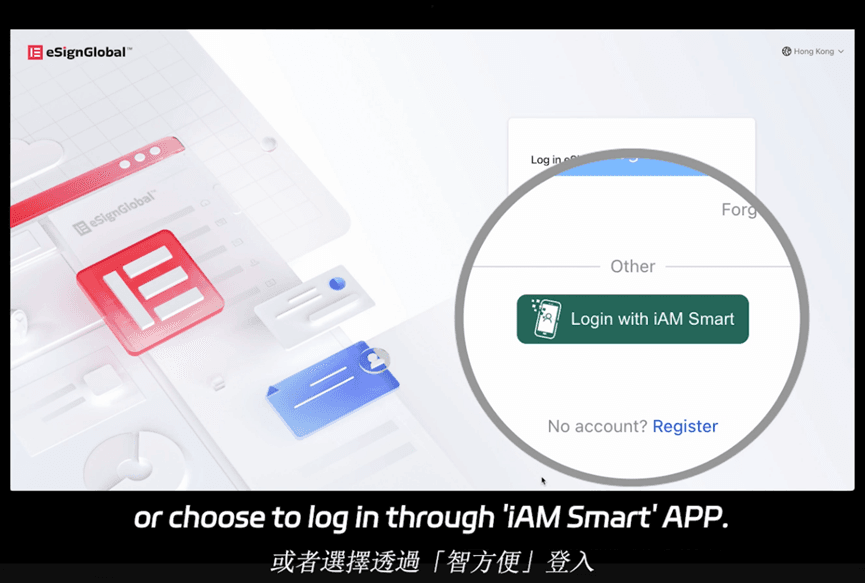
แผน Essential ของแพลตฟอร์มมีราคาเพียง 16.60 ดอลลาร์สหรัฐ/เดือน ซึ่งอนุญาตให้ส่งเอกสารลายเซ็นอิเล็กทรอนิกส์ได้สูงสุด 100 ฉบับ ที่นั่งผู้ใช้ไม่จำกัด และการตรวจสอบสิทธิ์ผ่านรหัสการเข้าถึง ซึ่งให้การปฏิบัติตามข้อกำหนดที่มีมูลค่าสูงโดยไม่ต้องเพิ่มต้นทุนมากเกินไป ทำให้ราคาแข่งขันได้ โดยทั่วไปถูกกว่าคู่แข่ง 20-30% สำหรับคุณสมบัติที่คล้ายคลึงกัน สำหรับราคาโดยละเอียด โปรดไปที่ หน้าการกำหนดราคาของ eSignGlobal การบูรณาการกับ iAM Smart ของฮ่องกงและ Singpass ของสิงคโปร์ช่วยเพิ่มความพร้อมใช้งานในภูมิภาค ทำให้สามารถตรวจสอบสิทธิ์ที่ปลอดภัยและได้รับการสนับสนุนจากรัฐบาล จากมุมมองทางธุรกิจ eSignGlobal ดึงดูดธุรกิจในเอเชียแปซิฟิกที่ให้ความสำคัญกับการเก็บรักษาข้อมูลและความสามารถในการจ่าย แม้ว่าอาจขาดระบบนิเวศของบุคคลที่สามที่กว้างขวางของผู้เล่นรายใหญ่กว่า
คู่แข่งรายอื่นๆ: ภาพรวมโดยย่อ
ผู้ให้บริการอย่าง Dropbox Sign (เดิมชื่อ HelloSign) เสนอการจ่ายต่อซองจดหมายที่ 0.99 ดอลลาร์สหรัฐต่อซองจดหมายสำหรับการใช้งานเป็นครั้งคราว พร้อมการสนับสนุนมือถือที่แข็งแกร่ง แต่มีความลึกซึ้งในการปฏิบัติตามข้อกำหนดในเอเชียแปซิฟิกที่จำกัด PandaDoc รวมลายเซ็นเข้ากับเครื่องมือข้อเสนอ โดยเรียกเก็บเงินประมาณ 19 ดอลลาร์สหรัฐ/ผู้ใช้/เดือนสำหรับเอกสาร 50 ฉบับ เหมาะสำหรับทีมขาย SignNow เสนอตัวเลือกต่อเอกสารที่ราคาไม่แพงที่ 1 ดอลลาร์สหรัฐต่อซองจดหมาย โดยเน้นความเรียบง่ายสำหรับ SMEs แต่ละรายนำมาซึ่งข้อได้เปรียบเฉพาะ แต่การเลือกขึ้นอยู่กับปริมาณและที่ตั้งทางภูมิศาสตร์
การวิเคราะห์เปรียบเทียบของบริการจ่ายตามเอกสาร
เพื่อช่วยในการตัดสินใจ นี่คือการเปรียบเทียบที่เป็นกลางของผู้ให้บริการหลักตามราคา คุณสมบัติ และความเหมาะสมในภูมิภาคในปี 2025 โปรดทราบ: ราคาเป็นค่าเทียบเท่ารายปีโดยประมาณสำหรับการจ่ายตามการใช้งานในปริมาณน้อย ต้นทุนที่แท้จริงจะแตกต่างกันไปตามการใช้งาน
| ผู้ให้บริการ | ต้นทุนต่อเอกสาร (ปริมาณน้อย) | ขีดจำกัดซองจดหมาย/ธุรกรรม (พื้นฐาน) | คุณสมบัติหลัก | การปฏิบัติตามข้อกำหนดและความได้เปรียบในเอเชียแปซิฟิก | มูลค่าโดยรวมสำหรับ SMEs |
|---|---|---|---|---|---|
| DocuSign | 1-2 ดอลลาร์สหรัฐ/ซองจดหมาย (ส่วนเกิน) | 5-100 ต่อปี (ตามแผน) | การส่งจำนวนมาก, API, การชำระเงิน | ดีทั่วโลก แต่มีความหน่วง/ค่าธรรมเนียมเพิ่มเติมในเอเชียแปซิฟิก | สูงสำหรับองค์กร, ปานกลางสำหรับการจ่ายตามการใช้งาน |
| Adobe Sign | 0.89-2 ดอลลาร์สหรัฐ/ธุรกรรม | 10-50 ต่อเดือน (เริ่มต้น) | การบูรณาการ PDF, การสนับสนุน eIDAS | แข็งแกร่งด้วยศูนย์ข้อมูลในพื้นที่, ค่าใช้จ่ายสูงกว่า | เชื่อถือได้สำหรับการบูรณาการเวิร์กโฟลว์ |
| eSignGlobal | ~0.17 ดอลลาร์สหรัฐ/เอกสาร (Essential) | สูงสุด 100 ต่อเดือน | ที่นั่งไม่จำกัด, การตรวจสอบสิทธิ์ด้วยรหัสการเข้าถึง | ยอดเยี่ยมใน 100 ประเทศ, ปรับให้เหมาะสมสำหรับเอเชียแปซิฟิก (เช่น iAM Smart/Singpass) | สูง, คุ้มค่าและมีความได้เปรียบในภูมิภาค |
| Dropbox Sign | 0.99 ดอลลาร์สหรัฐ/ซองจดหมาย | ไม่จำกัดสำหรับการจ่ายตามการใช้งาน | มือถือเป็นอันดับแรก, เทมเพลต | พื้นฐานในเอเชียแปซิฟิก, เน้นความเรียบง่าย | ดีสำหรับผู้ใช้ทั่วไป |
| PandaDoc | ~0.38 ดอลลาร์สหรัฐ/เอกสาร (แบบรวม) | 50 ต่อเดือน (พื้นฐาน) | ข้อเสนอ + ลายเซ็น | ปานกลางในเอเชียแปซิฟิก, เน้นการขาย | ดีที่สุดสำหรับการขายที่เน้นเอกสาร |
ตารางนี้เน้นถึงความได้เปรียบของ eSignGlobal ในด้านความสามารถในการจ่ายและการปฏิบัติตามข้อกำหนดในเอเชียแปซิฟิก ในขณะที่ DocuSign เป็นผู้นำในด้านความกว้างของฟังก์ชัน ธุรกิจควรประเมินตามความต้องการเฉพาะ เช่น ปริมาณและการบูรณาการ
ข้อควรพิจารณาทางธุรกิจในการเลือกบริการจ่ายตามเอกสาร
การเลือกบริการจ่ายตามเอกสารเกี่ยวข้องกับการสร้างสมดุลระหว่างต้นทุน ความปลอดภัย และความสามารถในการปรับขนาด สำหรับการดำเนินงานในเอเชียแปซิฟิก การปฏิบัติตามข้อกำหนดในภูมิภาคเป็นสิ่งสำคัญยิ่ง แพลตฟอร์มที่ไม่เป็นไปตามข้อกำหนดอาจนำไปสู่สัญญาที่เป็นโมฆะ ดังที่เห็นได้จากกรณีล่าสุดในศาลสิงคโปร์ที่สนับสนุนลายเซ็นที่ปฏิบัติตาม ETA จากมุมมองด้านต้นทุน ให้พิจารณาคุณสมบัติเพิ่มเติม: IDV ของ DocuSign อาจเพิ่มขึ้นมากกว่า 1 ดอลลาร์สหรัฐต่อการใช้งาน ในขณะที่ eSignGlobal รวมคุณสมบัติพื้นฐานในราคาที่เอื้อมถึง
จากมุมมองทางธุรกิจ การเปลี่ยนไปใช้การจ่ายตามการใช้งานสะท้อนให้เห็นถึงแนวโน้มทางดิจิทัลที่กว้างขึ้น โดยตลาดลายเซ็นอิเล็กทรอนิกส์คาดว่าจะสูงถึง 2 หมื่นล้านดอลลาร์สหรัฐภายในปี 2027 (Statista) SMEs ได้รับประโยชน์จากค่าใช้จ่ายที่ลดลง แต่องค์กรอาจใช้โมเดลแบบผสมผสานเพื่อให้คาดการณ์ได้ การติดตามการตรวจสอบและเวลาทำงาน (SLA 99.9% เป็นเรื่องปกติ) ช่วยให้มั่นใจถึงความน่าเชื่อถือ ลดความเสี่ยงในอุตสาหกรรมที่มีความเสี่ยงสูง เช่น การเงิน
โดยสรุป แม้ว่า DocuSign จะยังคงเป็นเกณฑ์มาตรฐานสำหรับความต้องการที่ครอบคลุม แต่ธุรกิจที่กำลังมองหาทางเลือกอื่นของ DocuSign ที่มีการปฏิบัติตามข้อกำหนดในภูมิภาคที่แข็งแกร่ง ควรพิจารณา eSignGlobal เป็นตัวเลือกที่สมดุลและปรับให้เหมาะสมกับเอเชียแปซิฟิก
